
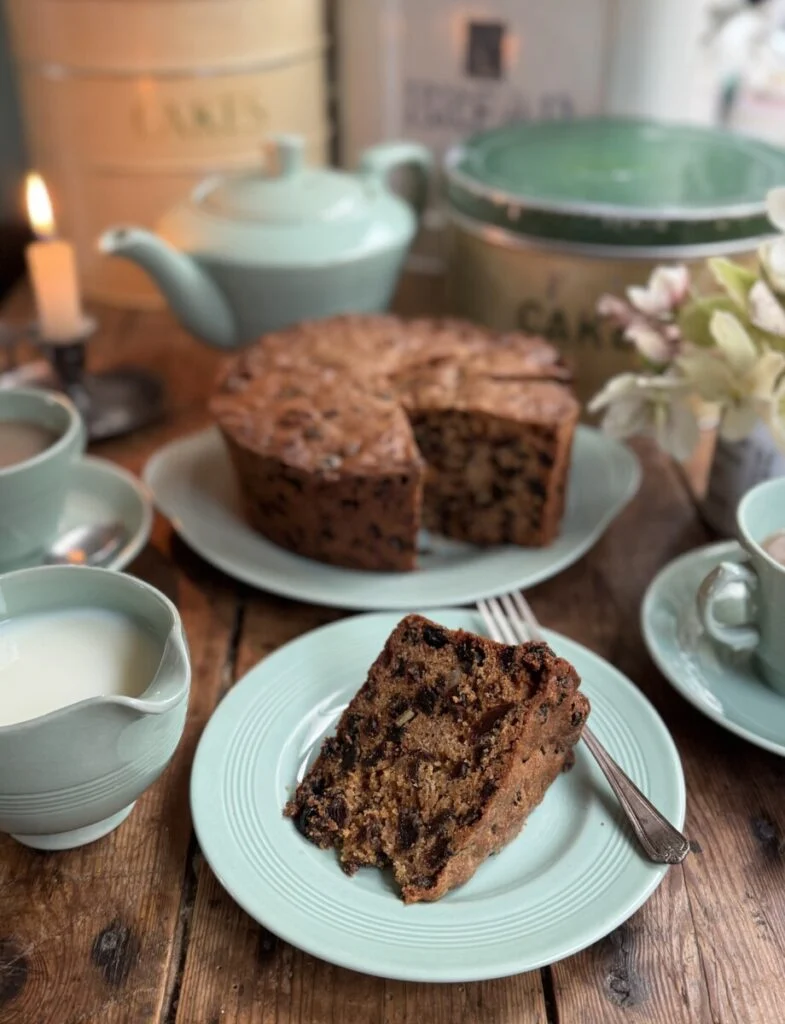
On February 20, 2026, culinary historian and author Karen Burns-Booth unveiled her contemporary adaptation of a vintage "Family Fruit Cake" recipe, originally featured in a 1950s Be-Ro cookbook. Titled "Fruit and Cherry Afternoon Tea Cake," this refined rendition aims to bridge decades of baking tradition with modern palates, offering a taste of heritage re-imagined for today’s home bakers. The recipe, published on Burns-Booth’s acclaimed blog, Lavender and Lovage, highlights the enduring appeal of classic British baking and the art of respectful culinary adaptation.

The Enduring Legacy of Be-Ro Cookbooks
The original "Family Fruit Cake" stems from the venerable Be-Ro cookbooks, which hold a cherished place in British culinary history. First published in 1923 by Thomas Bell, the founder of Bell’s Royal (later Be-Ro) Flour, these cookbooks became an indispensable guide for generations of home bakers, particularly throughout the mid-20th century. During periods of austerity and rationing, and into the post-war boom of the 1950s, Be-Ro cookbooks offered accessible, reliable recipes that championed economical yet delicious baking. They were instrumental in shaping the baking habits of millions, transforming ordinary ingredients into comforting staples.

The 1950s edition, from which Burns-Booth drew inspiration, epitomized a period when home baking was both a necessity and a source of domestic pride. Recipes were straightforward, often designed to maximize the use of staple ingredients, and provided clear instructions for even novice bakers. The "Family Fruit Cake" was a prime example: a robust, satisfying cake that could be easily prepared and enjoyed by all. Culinary historians often cite Be-Ro cookbooks as foundational texts, representing a democratic approach to baking that empowered housewives and home cooks across the social spectrum. Their simple, no-nonsense style contributed significantly to the widespread popularity of British tea-time traditions and celebratory baking.
Crafting Nostalgia: Karen Burns-Booth’s Culinary Ethos

Karen Burns-Booth, a respected voice in the realm of food history and traditional British cuisine, is known for her meticulous approach to reviving and sharing heritage recipes. Through her platform, Lavender and Lovage, she consistently advocates for the preservation of culinary traditions, often unearthing forgotten gems from vintage cookbooks and giving them a contemporary voice. Her work is not merely about replicating old recipes but understanding their historical context, adapting them thoughtfully for modern ingredients and equipment, and making them approachable for today’s cooks.
"The beauty of these old recipes lies in their simplicity and foundational quality," Burns-Booth remarked, elaborating on her philosophy. "They offer a direct connection to our past, to the kitchens of our grandmothers. My aim is to ensure these timeless tastes continue to be enjoyed, often with minor enhancements that elevate them without losing their original charm." Her adaptation of the Be-Ro "Family Fruit Cake" into the "Fruit and Cherry Afternoon Tea Cake" perfectly encapsulates this ethos, demonstrating how traditional recipes can remain relevant and even gain new appeal through careful refinement. The immediate positive reception from her own "Sunday Tea Tray" gatherings underscores the cake’s universal appeal, hinting at a broader desire for comforting, familiar flavours in an increasingly fast-paced world.

The Art of Adaptation: Enhancing a Classic
Burns-Booth’s adaptation involved specific, deliberate modifications to the 1950s recipe. The most notable change was the inclusion of glacé cherries, a move that adds a burst of vibrant colour and a distinct fruity sweetness, enhancing the cake’s overall flavour profile. While the original recipe was likely designed to be a straightforward fruit cake, the addition of cherries elevates it to a more celebratory and visually appealing offering, well-suited for a special afternoon tea.

Furthermore, Burns-Booth increased the quantity of mixed spice from half a teaspoon to a full teaspoon. This subtle yet significant adjustment intensifies the aromatic warmth of the cake, allowing the traditional blend of cinnamon, nutmeg, and cloves to truly sing. This deeper spice profile contributes to a more pronounced and memorable flavour, aligning with contemporary preferences for bolder tastes while remaining true to the cake’s heritage. A crucial recommendation from Burns-Booth is the use of butter over margarine. While margarine was a common and economical choice in the mid-20th century, butter imparts a superior richness, depth of flavour, and a more tender crumb, significantly improving the cake’s texture and keeping qualities. This seemingly minor ingredient swap is a testament to the pursuit of optimal taste and texture in modern baking.
Afternoon Tea and the British Fruit Cake Tradition

The "Fruit and Cherry Afternoon Tea Cake" is perfectly positioned within the rich tapestry of British afternoon tea culture. Afternoon tea, a tradition formalized in the mid-19th century by Anna, the Seventh Duchess of Bedford, has evolved from a light meal to stave off hunger between lunch and dinner into a cherished social ritual. Central to this tradition are an assortment of sweet and savoury treats, with fruit cake consistently holding a place of honour.
The robust nature of fruit cake, packed with dried fruits, makes it an ideal accompaniment to a strong cup of tea. Its dense texture and concentrated flavours provide a satisfying contrast to lighter pastries and sandwiches. The tradition of serving fruit cake with a wedge of cheese, often Wensleydale or Cheshire, is a regional custom, particularly strong in Yorkshire and the North of England. This pairing offers a delightful interplay of sweet and savoury, where the tanginess of the cheese cuts through the richness of the cake, creating a surprisingly harmonious culinary experience. Burns-Booth explicitly endorses this practice, suggesting Wensleydale or Cheshire cheese as delectable partners for her adapted cake, further grounding the recipe in authentic British culinary practices.

Beyond afternoon tea, the versatility of fruit cake extends to more significant celebrations. Burns-Booth notes that her recipe makes an excellent Christmas cake. Traditional Christmas cakes are often made weeks in advance and "fed" periodically with spirits like brandy, whisky, sherry, or rum. This process not only imbues the cake with rich flavour but also enhances its moisture and extends its shelf life, making it a staple of festive feasting. The inherent structure and flavour profile of the "Fruit and Cherry Afternoon Tea Cake" lend themselves perfectly to this tradition, showcasing its adaptability from a casual tea-time treat to a festive centrepiece.
Serving with Style: The Revival of Vintage Aesthetics

The presentation of food is an integral part of the dining experience, and Burns-Booth’s choice to serve her cake on vintage Woodsware Beryl china speaks volumes about the intertwined nature of food and aesthetics. Woodsware Beryl, with its distinctive pale green hue and classic design, was a popular choice for everyday tableware in British households during the mid-20th century, precisely the era from which the original Be-Ro recipe hails.
This deliberate choice of vintage china is more than just a stylistic preference; it creates a holistic sensory experience that transports diners back to the cake’s historical origins. The subtle charm of the Beryl pattern complements the home-baked character of the fruit cake, evoking a sense of nostalgia and authenticity. The rising trend in collecting and using vintage tableware, driven by a desire for unique aesthetics and a connection to past eras, aligns perfectly with Burns-Booth’s mission to revive traditional recipes. It underscores a broader cultural appreciation for heritage, not just in food but in the objects that surround its consumption. This thoughtful presentation enhances the narrative of the cake, making each slice not just a taste experience, but a journey through time.

The Science of Baking: Longevity and Flavor Development
The "Fruit and Cherry Afternoon Tea Cake" boasts excellent keeping qualities, a characteristic highly valued in traditional baking. This longevity is significantly influenced by the choice of ingredients and preparation methods. As Burns-Booth emphasizes, using butter instead of margarine is crucial. Butter, with its higher fat content and complex flavour compounds, contributes to a richer crumb and acts as a natural preservative, helping the cake stay moist and fresh for longer. Margarine, often made with hydrogenated vegetable oils, can result in a drier cake with a less nuanced flavour and potentially shorter shelf life.

The role of mixed spice is also paramount. While the original recipe called for half a teaspoon, Burns-Booth’s increase to a full teaspoon not only amplifies flavour but also contributes to the cake’s aromatic preservation. Spices have long been used in baking for their flavour and their natural antimicrobial properties, which further aid in extending the cake’s freshness. The selection of dried fruits also impacts the cake’s profile. While currants are traditional, the use of dried mixed fruit, common in the UK, often includes chopped candied peel. This peel adds a tangy, slightly bitter counterpoint to the sweetness of the other fruits, providing a more complex flavour and texture. For those opting for currants, Burns-Booth’s original recipe suggests additional chopped peel for this reason. The possibility of adding whole blanched almonds on top before baking to create a "Dundee style cake" offers another layer of texture and flavour, paying homage to a specific regional variation of fruit cake known for its almond topping.
The Resurgence of Home Baking: A Societal Trend

The publication of recipes like the "Fruit and Cherry Afternoon Tea Cake" by influencers such as Karen Burns-Booth taps into a significant and sustained resurgence of interest in home baking. Data from various culinary surveys indicates a marked increase in home baking activities, particularly observed during periods of increased time spent at home, such as the global pandemic. This trend is driven by multiple factors, including a desire for comfort, the psychological benefits of engaging in a creative and tactile activity, and a growing interest in understanding the provenance of food.
Home baking offers a sense of control over ingredients, allowing individuals to avoid artificial additives and tailor recipes to personal preferences. It also fosters a connection to domestic skills and traditions that might have waned in previous decades. Platforms like Lavender and Lovage play a crucial role in this revival, acting as digital repositories of culinary heritage, making once-obscure or challenging recipes accessible to a global audience. The interactive nature of these platforms, where readers can share their experiences and feedback, further cultivates a sense of community among home bakers. This collective enthusiasm ensures that recipes like the "Fruit and Cherry Afternoon Tea Cake" are not merely preserved in old cookbooks but actively baked, enjoyed, and adapted by new generations.

Nutritional Profile and Dietary Considerations
For those considering the nutritional aspects of the Fruit and Cherry Afternoon Tea Cake, the provided data offers a factual overview. Per serving, the cake contains approximately 222 calories, 9g of total fat (2g saturated, 7g unsaturated), 35mg of cholesterol, and 17mg of sodium. Carbohydrates are listed at 36g, with 2g of fiber and 31g of sugar, alongside 3g of protein.

This profile indicates that the cake, like many traditional baked goods, is energy-dense due to its sugar and fat content. As a treat, it provides a source of quick energy. The presence of dried fruit contributes to the fiber content, though the sugar content is notable. When incorporated into a balanced diet, such a cake can be enjoyed in moderation as part of an occasional indulgence. Its rich flavour and satisfying texture mean a smaller portion can often suffice to provide enjoyment. The emphasis on real butter over margarine, while impacting fat content, also ensures the consumption of dairy fats over potentially less desirable processed fats.
Looking Ahead: The Future of Culinary Heritage

Karen Burns-Booth’s "Fruit and Cherry Afternoon Tea Cake" represents more than just a recipe; it is a tangible link to a bygone era, brought forward with a thoughtful touch. Her efforts, and those of countless other culinary enthusiasts, are vital in ensuring that the rich tapestry of our food heritage remains vibrant and accessible. As modern diets and lifestyles continue to evolve, there is a growing appreciation for the authenticity and comfort that traditional recipes provide.
The ongoing dialogue between historical recipes and contemporary tastes, facilitated by platforms like Lavender and Lovage, fosters innovation while honouring tradition. It demonstrates that the best of the past can indeed find a beloved place in the present, continuing to bring joy and connection through shared meals and cherished baking rituals. The enthusiastic response to this particular fruit cake suggests a promising future for the rediscovery and celebration of culinary history, ensuring that the warmth of a freshly baked, time-honoured cake remains a cornerstone of home kitchens for generations to come.

Related Culinary Explorations
The re-introduction of the Fruit and Cherry Afternoon Tea Cake is part of a broader movement celebrating traditional fruit cakes and vintage Be-Ro recipes. Burns-Booth’s blog also features other notable fruit cake recipes, each with its unique historical context and regional flavour profile. These include the hearty Yorkshire Dales Barm Brack Fruit Cake, the seasonally rich Winter Fruit Cake with Port, and the historically significant Wartime Eggless Fruit Cake (often referred to as Vinegar Cake), which speaks to periods of resourcefulness. Further explorations delve into the 1950s Standard Fruit Cake, the rustic Yorkshire Farmhouse Fruit Cake, and even Winston Churchill’s Fruit Loaf, demonstrating the wide variety and cultural importance of fruit cakes across different eras and figures.

Similarly, Burns-Booth’s commitment to the Be-Ro legacy extends to other categories of baking. Her adaptations of other Be-Ro vintage recipes include Traditional Scottish Shortbread Petticoat Tails, the versatile Drop Scones (Scotch Pancakes), and the comforting Old-Fashioned Lemon Meringue Pie. These recipes collectively underscore the enduring quality and adaptability of the Be-Ro tradition, confirming its foundational role in British home baking and its continued relevance in modern kitchens. Such extensive work by culinary historians ensures that these cherished recipes are not lost to time but are continually celebrated and enjoyed by a new generation of bakers.