
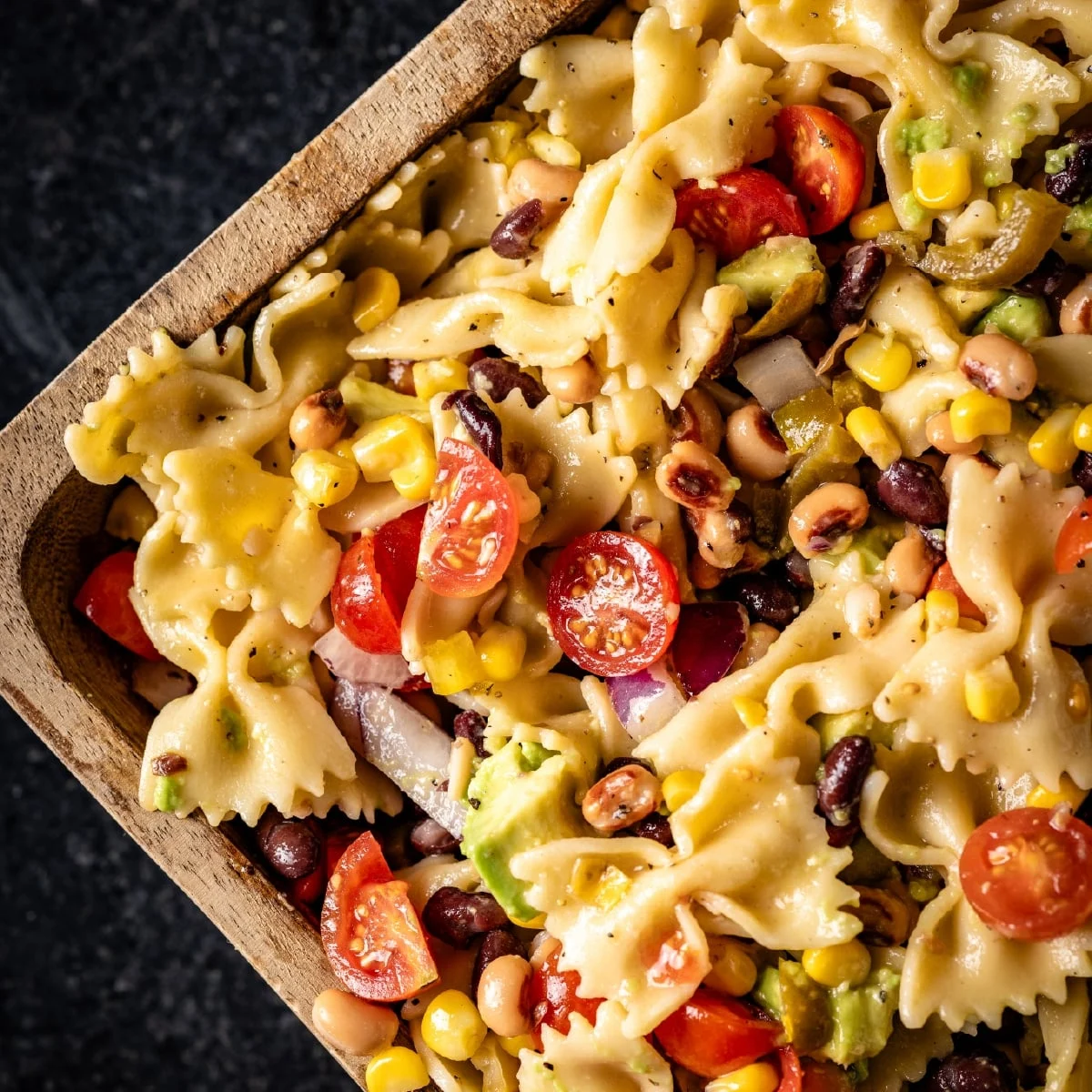
The culinary landscape of the American backyard barbecue has undergone a significant transformation, moving beyond traditional meat-centric focuses to include sophisticated, nutrient-dense side dishes such as the Cowboy Pasta Salad. This dish, characterized by its integration of bowtie pasta, black beans, sweet corn, and creamy avocado tossed in a zesty lime and red wine vinegar dressing, represents a modern evolution of Southwestern flavors adapted for high-volume social gatherings. As outdoor cooking continues to grow into a multi-billion dollar industry in the United States, the demand for versatile recipes that bridge the gap between traditional comfort food and fresh, produce-forward ingredients has reached a new peak. The Cowboy Pasta Salad serves as a primary example of this trend, offering a high-utility solution for hosts who require dishes that are both time-efficient and capable of standing alone as a vegetarian main course.
Historical Context and the Origin of Cowboy Flavors
To understand the rise of the Cowboy Pasta Salad, one must examine the lineage of "Cowboy Caviar," also known as Texas Caviar. This precursor was originally conceived in the late 1940s by Helen Corbitt, a New York-born chef who moved to Texas and became the director of food services for Neiman Marcus. Corbitt’s original concoction focused on black-eyed peas, onions, and peppers marinated in a vinaigrette, designed to provide a sophisticated yet rustic appetizer. Over the decades, this flavor profile—often referred to as "Southwestern" or "Tex-Mex"—expanded to include corn, black beans, and tomatoes.

The transition from a dip to a pasta-based salad occurred as home cooks sought to increase the satiety of the dish. By introducing pasta—specifically farfalle or bowtie pasta—the recipe transformed from a light accompaniment into a hearty side dish capable of feeding large crowds. This evolution aligns with the broader historical trend of American potluck culture, where the durability of a dish is as important as its flavor. Unlike mayonnaise-based salads, which carry higher risks of spoilage in outdoor temperatures, the acid-forward lime and oil-based dressing of the Cowboy Pasta Salad offers a safer and more refreshing alternative for summer environments.
Culinary Composition and Nutritional Analysis
The architectural integrity of the Cowboy Pasta Salad relies on a specific balance of macronutrients and textures. According to standardized recipe data, a typical serving of this dish provides approximately 383 calories, with a significant emphasis on complex carbohydrates and healthy fats. The inclusion of black beans and corn contributes to a total fiber content of five grams per serving, which is essential for digestive health and blood sugar regulation.
From a nutritional perspective, the breakdown is as follows:

- Carbohydrates: 57g (primarily from pasta and legumes)
- Protein: 11g (derived from the combination of wheat and beans)
- Fat: 16g (largely monounsaturated fats from avocado and oil)
- Micronutrients: High levels of Vitamin A (514 IU) and Vitamin C (17 mg), alongside essential minerals such as Iron (3 mg) and Potassium (511 mg).
The chemical interaction within the dressing—a mixture of lime juice, red wine vinegar, and olive oil—serves a dual purpose. The acidity of the lime juice acts as a denaturant, helping to "cook" the raw onions and soften the starch in the pasta, while also preventing the oxidation of the avocado. The addition of pickled jalapeños introduces capsaicin, which provides a metabolic boost and a sensory "kick" that balances the sweetness of the corn.
The Role of Influencers in Modern Outdoor Cooking
The democratization of culinary expertise through digital platforms has played a pivotal role in the standardization of the Cowboy Pasta Salad. Susie Bulloch, the founder of the BBQ brand "Hey Grill Hey," has been a central figure in this movement. Bulloch, a recognized figure in the barbecue community who has appeared on the Food Network and holds multiple Guinness World Records, has advocated for the "Backyard BBQ Hero" philosophy. This approach emphasizes that a successful outdoor event is determined not only by the quality of the smoked meats but by the cohesion of the entire meal.
Bulloch’s iteration of the Cowboy Pasta Salad highlights a significant shift in the industry: the move toward "pantry-staple" cooking. By encouraging cooks to utilize what they have on hand—such as substituting different types of beans or omitting meat components like bacon or ground beef—influencers are making high-quality cooking more accessible to the average consumer. This flexibility is particularly relevant in an era of fluctuating food prices and supply chain inconsistencies.

Chronology of a Modern Potluck Staple
The preparation and service of the Cowboy Pasta Salad follow a logical progression designed for maximum efficiency in a high-pressure kitchen environment. The chronology of the dish typically follows this timeline:
- Preparation Phase (T-Minus 30 Minutes): The pasta is boiled to al dente consistency, which is crucial for ensuring the pasta does not become mushy once the dressing is absorbed. Simultaneously, the produce—tomatoes, avocados, and onions—is diced.
- Assembly Phase (T-Minus 20 Minutes): The dressing is whisked together, creating an emulsion. The dry and wet ingredients are combined in a large mixing vessel.
- Maturation Phase (T-Minus 10 Minutes to 2 Hours): The salad is chilled. This period allows the flavors to meld, a process known as "marination," where the pasta absorbs the vinaigrette, and the spices permeate the legumes.
- Service Phase: The dish is presented alongside heavy smoked meats such as brisket or pulled pork. The cooling properties of the avocado and the acidity of the lime serve as a palate cleanser against the rich, fatty profiles of the meat.
Economic and Social Implications of the BBQ Industry
The popularity of dishes like the Cowboy Pasta Salad is reflective of the broader economic health of the outdoor living sector. According to the Hearth, Patio & Barbecue Association (HPBA), over 70% of American households own a grill or smoker. The industry, which encompasses grills, fuel, accessories, and specialized food products, contributes billions to the U.S. economy annually.
Socially, the "potluck" serves as a microcosm of community building. The Cowboy Pasta Salad, often referred to as a "sleeper hit" or a "show-stealer," facilitates social interaction through recipe sharing. In a journalistic survey of social media trends, "requests for recipes" are a primary metric of a dish’s success. By providing a dish that is visually vibrant and texturally diverse, hosts reinforce their social standing within their communities, fulfilling the role of the "BBQ Hero."

Comparative Analysis: Vegetarian vs. Meat-Inclusive Variants
While traditional "cowboy" dishes often include animal proteins such as browned ground beef or crispy bacon, there is an increasing trend toward the meatless version of the pasta salad. This shift is driven by several factors:
- Inclusivity: A meatless Cowboy Pasta Salad accommodates vegetarians and vegans (if the pasta is egg-free and the dressing is honey-free), making it a safer bet for large, diverse crowds.
- Cost-Effectiveness: With the rising price of beef and pork, a bean-heavy salad provides a high-protein alternative at a fraction of the cost.
- Shelf Life: Meat-free salads generally have a longer stable shelf life in a refrigerated environment, allowing for leftovers to be consumed safely over several days.
Data suggests that the "meatless-as-default" approach for side dishes is becoming the standard in modern recipe development, allowing the consumer to choose whether to add protein rather than requiring them to remove it.
Broader Impact and Future Outlook
The Cowboy Pasta Salad is more than a mere side dish; it is a symbol of the globalization of regional American flavors. As ingredients like cilantro, lime, and black beans become staples in kitchens from Maine to California, the "Cowboy" flavor profile has become a shorthand for American summer dining.

Looking forward, the evolution of this dish is likely to continue with the integration of ancient grains (such as quinoa or farro) as substitutes for traditional wheat pasta, catering to the growing gluten-free market. Additionally, the use of fermented ingredients—such as the pickled jalapeños mentioned in the original recipe—reflects a growing consumer interest in gut health and complex flavor profiles.
In conclusion, the Cowboy Pasta Salad stands as a testament to the ingenuity of home cooks and the influence of culinary leaders in the BBQ space. It represents a perfect intersection of historical tradition, nutritional science, and social utility. As long as Americans continue to gather around the grill, the demand for bright, hearty, and versatile salads will remain a cornerstone of the nation’s culinary identity. By prioritizing fresh produce and bold dressings, this dish ensures that the "afterthought" of the BBQ side dish is a thing of the past, replaced by a sophisticated component that is as vital to the meal as the main course itself.