
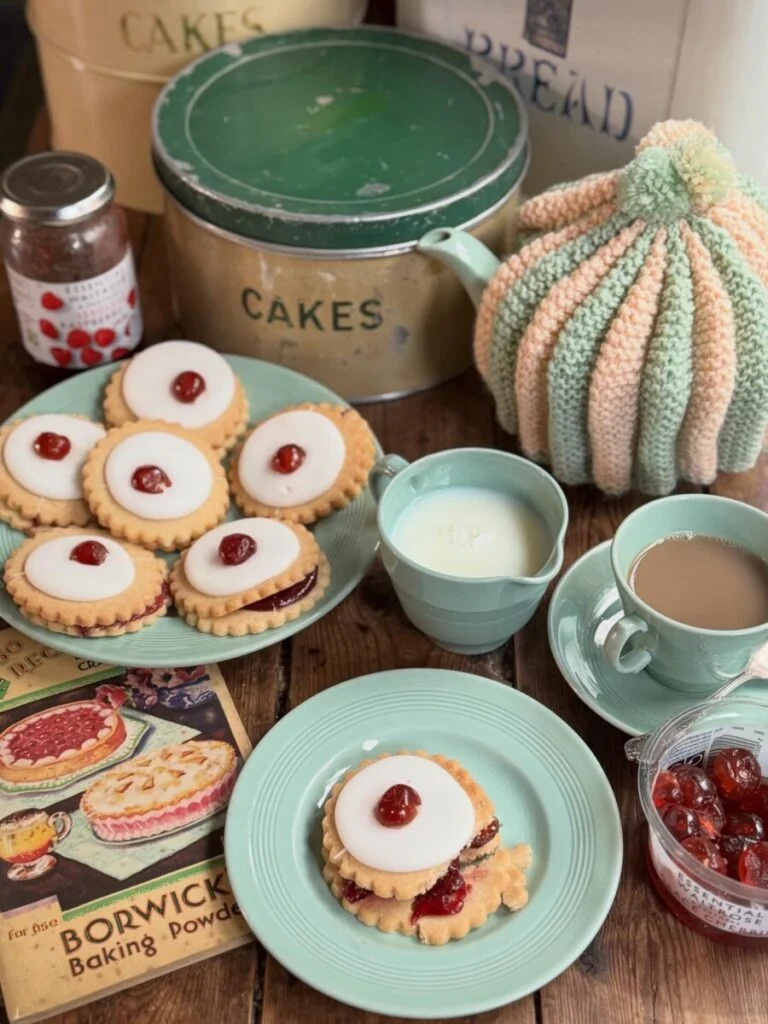
On February 13, 2026, food writer Karen Burns-Booth reignited public interest in a beloved British classic, the Empire Biscuit, through a nostalgic exploration of its origins and a quest to recreate an authentic vintage recipe. This jam-filled, icing-topped confection, deeply ingrained in the culinary fabric of Scotland and Northern England, has seen a recent surge in popularity, driven by a yearning for traditional comfort foods and the captivating stories behind them. Burns-Booth’s personal journey, inspired by childhood memories and a chance encounter in a Northumberland bakery, underscores the enduring appeal of this humble yet historically rich biscuit.
A Journey Through Time: The Enduring Legacy of Empire Biscuits
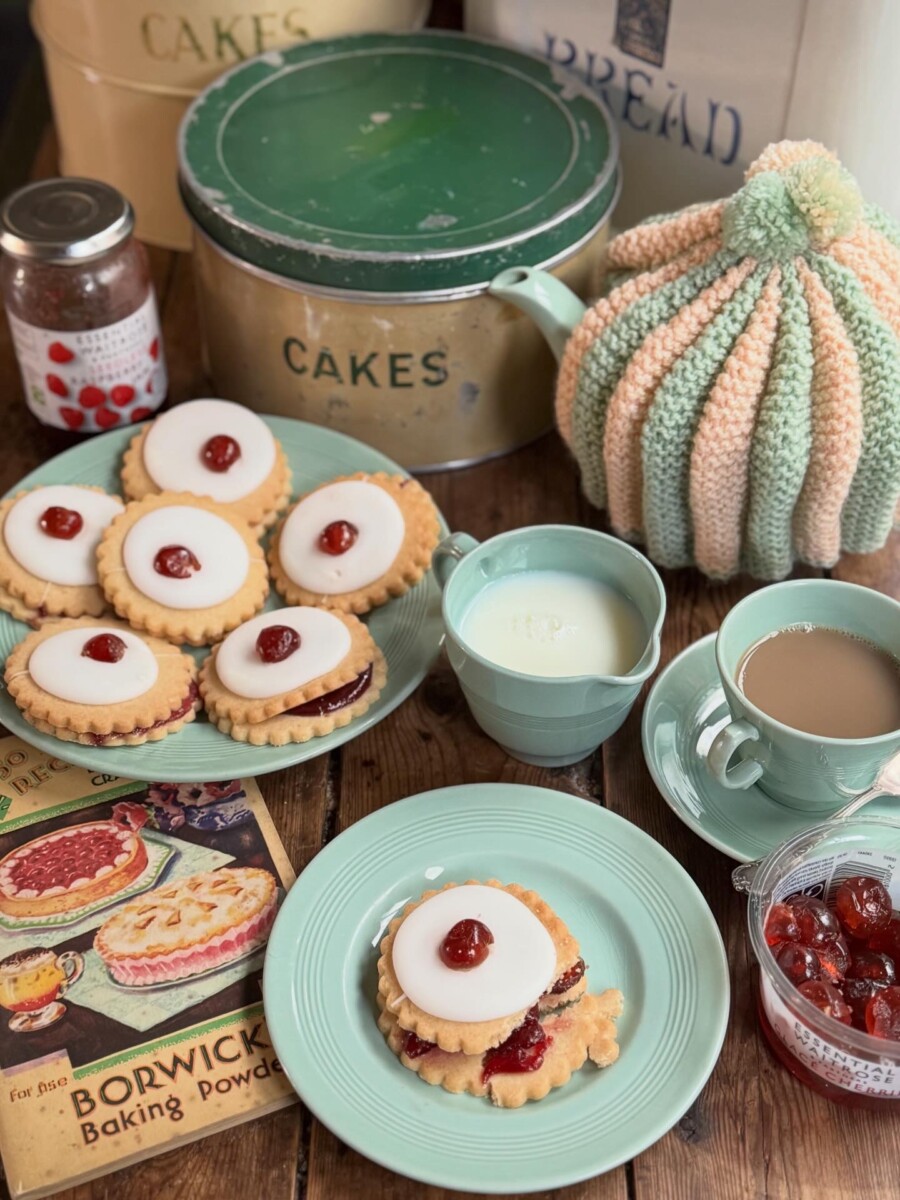
The Empire Biscuit, often recognized by its distinctive jam filling, white icing, and glacé cherry adornment, boasts a history far more intricate than its simple appearance suggests. Its lineage can be traced back to the elegant Linzer cookies of Austria, a shortbread-style biscuit traditionally filled with fruit preserves and featuring a cutout top revealing the vibrant jam beneath. How this European delicacy traversed continental borders and evolved into a British tea-time staple is a testament to the fluid nature of culinary exchange.

Linzer cookies, named after the Austrian city of Linz, have been a part of European baking traditions for centuries. Their arrival in the British Isles likely occurred through various channels, including trade routes, aristocratic households employing European chefs, and waves of immigration. Over time, the recipe adapted to local ingredients and tastes, giving rise to what was initially known in the UK as the "German Biscuit" or "Deutsch Biscuit." This naming convention persisted for decades, reflecting the biscuit’s perceived origin.
However, the geopolitical landscape of the early 20th century irrevocably altered the biscuit’s identity. The outbreak of World War I in 1914 sparked widespread anti-German sentiment across the United Kingdom. This period saw a concerted effort to remove German associations from various aspects of British life, including food nomenclature. For instance, "frankfurters" became "hot dogs," and "sauerkraut" was rebranded as "liberty cabbage" in some allied nations. In this climate of nationalistic fervor, the "German Biscuit" was swiftly rechristened the "Empire Biscuit." The new name served a dual purpose: it purged the undesirable German connection and simultaneously evoked a sense of patriotic pride, aligning the biscuit with the vast and powerful British Empire. This renaming was not merely a superficial change but a reflection of deeper societal shifts and the profound impact of war on everyday culture.

Post-WWI, the Empire Biscuit firmly established itself as a regional favourite, particularly flourishing in Scotland and the North East of England. Its popularity in these areas can be attributed to several factors, including strong baking traditions, the availability of quality local ingredients, and perhaps its comforting, substantial nature, ideal for the often-cooler climates. The biscuit’s robust shortbread base, sweet jam, and decorative icing made it a welcome treat in working-class and aristocratic homes alike, becoming a ubiquitous presence in the nation’s biscuit tins.
Beyond its primary designation, the Empire Biscuit has garnered various other names across different geographies. In New Zealand, for example, it is frequently referred to as a "Belgium Biscuit," likely due to its visual resemblance to the iced and cherry-topped Belgium Buns, a popular sweet roll. This multitude of names speaks to the biscuit’s widespread adoption and adaptation, highlighting its versatility and cultural significance beyond its original British context. Other colloquialisms like "Double Biscuit" also attest to its two-layered construction.

The Allure of Nostalgia: From Grandmother’s Tin to Modern Bakeries
Karen Burns-Booth’s recent article vividly captures the nostalgic power of the Empire Biscuit. Her maternal grandmother’s regular baking of these treats for the family biscuit tin paints a picture of domestic warmth and culinary tradition. The "biscuit tin" itself holds a special place in British cultural memory, symbolizing a repository of homemade delights and a constant source of comfort for family and guests.

Burns-Booth’s personal quest to bake Empire Biscuits was serendipitously sparked during a visit to Northumberland. She recounts seeing them prominently displayed for sale at a Greggs bakery in Alnwick. Greggs, a high-street bakery chain with a ubiquitous presence across the UK, is renowned for its affordable and accessible baked goods, ranging from sausage rolls to pasties and sweet treats. The fact that a modern, mass-market bakery like Greggs features Empire Biscuits on its menu underscores the biscuit’s enduring popularity and its seamless integration into contemporary British food culture. However, Burns-Booth’s disappointment upon returning to find them sold out speaks volumes about the sustained demand for these traditional treats. This common experience—a favourite item selling out—serves as a tangible indicator of their cherished status among consumers.
The incident prompted Burns-Booth to embark on a mission to recreate the biscuit at home, leading her to scour old cookbooks for an authentic recipe. This act of culinary archaeology is a familiar ritual for many home bakers seeking to connect with gastronomic heritage. The success of her quest, culminating in the discovery of a vintage recipe, not only allowed her to relive a cherished memory but also brought a piece of culinary history back to life.

Unearthing Culinary History: The 1928 "Woman’s Companion" Recipe
Burns-Booth’s diligent search led her to a recipe published in a 1928 edition of "Woman’s Companion," a magazine that would have been a staple in many British households of the era. Such vintage publications are invaluable archives of everyday life, offering glimpses into the domestic practices and culinary tastes of past generations. The discovery of a recipe dating back to a period just a decade after the biscuit’s renaming adds significant historical weight to her endeavor, providing an authentic blueprint for the post-WWI Empire Biscuit.

Further validating her findings, Burns-Booth referenced the work of James Morton, widely known as "The Hebridean Baker." Morton, a prominent figure in Scottish baking and a finalist on The Great British Bake Off, has gained a significant following for his dedication to traditional Scottish recipes and his engaging approach to baking. His online recipe for Empire Biscuits, found by Burns-Booth, closely mirrored the one from the 1928 "Woman’s Companion." This cross-referencing not only confirmed the authenticity of the vintage recipe but also highlighted the remarkable consistency of the Empire Biscuit formula over nearly a century. Morton’s influence in popularizing and preserving Scottish culinary heritage further cements the Empire Biscuit’s place within this tradition.
A notable point of divergence between Morton’s modern interpretation and the vintage recipe, as recalled by Burns-Booth, lies in the decoration. While Morton suggests using gummy sweets for the topping, Burns-Booth firmly advocates for the traditional glacé cherries. This preference is rooted in her grandmother’s baking practices, emphasizing the emotional connection to food and the importance of authenticity in recreating nostalgic dishes. Glacé cherries, with their vibrant color and distinctive texture, have long been a classic embellishment for British baked goods, embodying a particular aesthetic and taste profile associated with traditional confectionery.

The Art of the Empire Biscuit: Baking Nuances and Techniques
Despite its seemingly straightforward ingredient list, the Empire Biscuit presents a few subtle challenges that distinguish a truly excellent rendition. Burns-Booth highlights the "fiddly" nature of the assembly process, specifically in sandwiching the two biscuit halves with jam and achieving the perfect consistency for the royal icing. The icing, in particular, requires a delicate balance—it must be fluid enough to spread smoothly but firm enough to set without dripping, creating a pristine white canvas for the cherry. This attention to detail elevates the biscuit from a simple treat to a testament to the baker’s skill.

The notes accompanying the recipe, though not fully detailed in the provided content, offer valuable insights into the traditional baking techniques. The suggestion of adding cornflour or rice flour to plain flour in a ratio of approximately 1:8 (e.g., 1 ounce to 7 ounces of plain flour) is a classic method used to create a "shorter" biscuit. In baking terminology, "short" refers to a tender, crumbly texture, achieved by inhibiting gluten development. Cornflour (cornstarch) and rice flour are gluten-free starches that, when incorporated into dough, interfere with the gluten network, resulting in a more delicate, melt-in-the-mouth crumb. This technical detail reveals a sophisticated understanding of baking science even in vintage recipes.
Regarding the filling, the recipe notes offer flexibility, allowing for either strawberry or raspberry jam. While raspberry jam is often considered the traditional choice for Empire Biscuits, reflecting its tart sweetness against the rich biscuit and icing, strawberry jam provides a sweeter, more universally appealing alternative. The emphasis on using a "good commercial jam or homemade jam" underscores the importance of quality ingredients in achieving the best possible flavour. Homemade jam, with its fresher fruit taste and often lower sugar content, would undoubtedly elevate the biscuit’s profile, aligning with the ethos of traditional home baking.

Nutritional Profile and Dietary Considerations
The provided nutritional information offers a factual breakdown of the Empire Biscuit’s composition, based on a yield of 12 biscuits and a serving size of one. Each biscuit contains approximately 265 calories, 11g of total fat (7g saturated, 4g unsaturated), 31mg of cholesterol, 91mg of sodium, 39g of carbohydrates (1g fiber, 24g sugar), and 2g of protein.

From a nutritional standpoint, these figures position the Empire Biscuit as an indulgent treat, typical of traditional baked goods. The relatively high sugar content (24g per serving) contributes significantly to its caloric value, as does the fat content. While these biscuits are not designed to be a health food, their role as an occasional indulgence, particularly during tea time or special occasions, aligns with balanced dietary practices that allow for enjoyment of diverse foods in moderation. The minimal fiber and protein content indicate that the biscuit primarily serves as a source of energy and pleasure rather than a significant contributor to daily nutrient intake. Consumers can use this information to make informed choices about incorporating such treats into their diet, understanding that they are best enjoyed as a delightful, albeit calorically dense, confection.
Broader Cultural Impact and Contemporary Relevance

The story of the Empire Biscuit transcends a mere recipe; it is a microcosm of British social and culinary history. Its transformation from a "German Biscuit" to an "Empire Biscuit" illustrates how global conflicts and national sentiment can reshape even the most seemingly innocuous elements of daily life. The biscuit stands as a resilient symbol, adapting to changing times while retaining its core identity and appeal.
In contemporary society, the enduring popularity of heritage foods like the Empire Biscuit speaks to a broader cultural trend. Amidst rapid modernization and a globalized food landscape, there is a growing appreciation for traditional recipes that offer a tangible connection to the past. These foods evoke feelings of comfort, nostalgia, and a sense of belonging, providing a familiar anchor in an ever-changing world. The act of baking such a biscuit, as Karen Burns-Booth undertook, becomes a ritual that honours ancestral culinary practices and preserves cultural memory.

The Empire Biscuit’s place on the "Sunday tea tray" and as a perfect accompaniment for "elevenses" (a traditional British mid-morning snack) highlights its integral role in British social rituals. Tea time, in particular, is a cherished institution, a moment for pause, conversation, and the enjoyment of simple pleasures. The Empire Biscuit, with its delightful combination of textures and flavours, fits seamlessly into this tradition, offering a sweet counterpoint to a cup of tea. Its appeal lies not only in its taste but also in the shared experience it facilitates, bringing people together around a common culinary heritage.
In conclusion, Karen Burns-Booth’s delightful exploration of the Empire Biscuit is more than just a recipe feature; it is a journey through time, a testament to culinary resilience, and a celebration of enduring tradition. From its Linzer origins and the dramatic name change forced by wartime sentiment to its cherished status in British households and modern bakeries, the Empire Biscuit embodies a rich narrative. It reminds us that food is not merely sustenance but a powerful carrier of history, memory, and cultural identity, capable of evoking deep personal connections and fostering a collective appreciation for our shared culinary heritage.