
The Composition and Gastronomic Appeal of the Dish
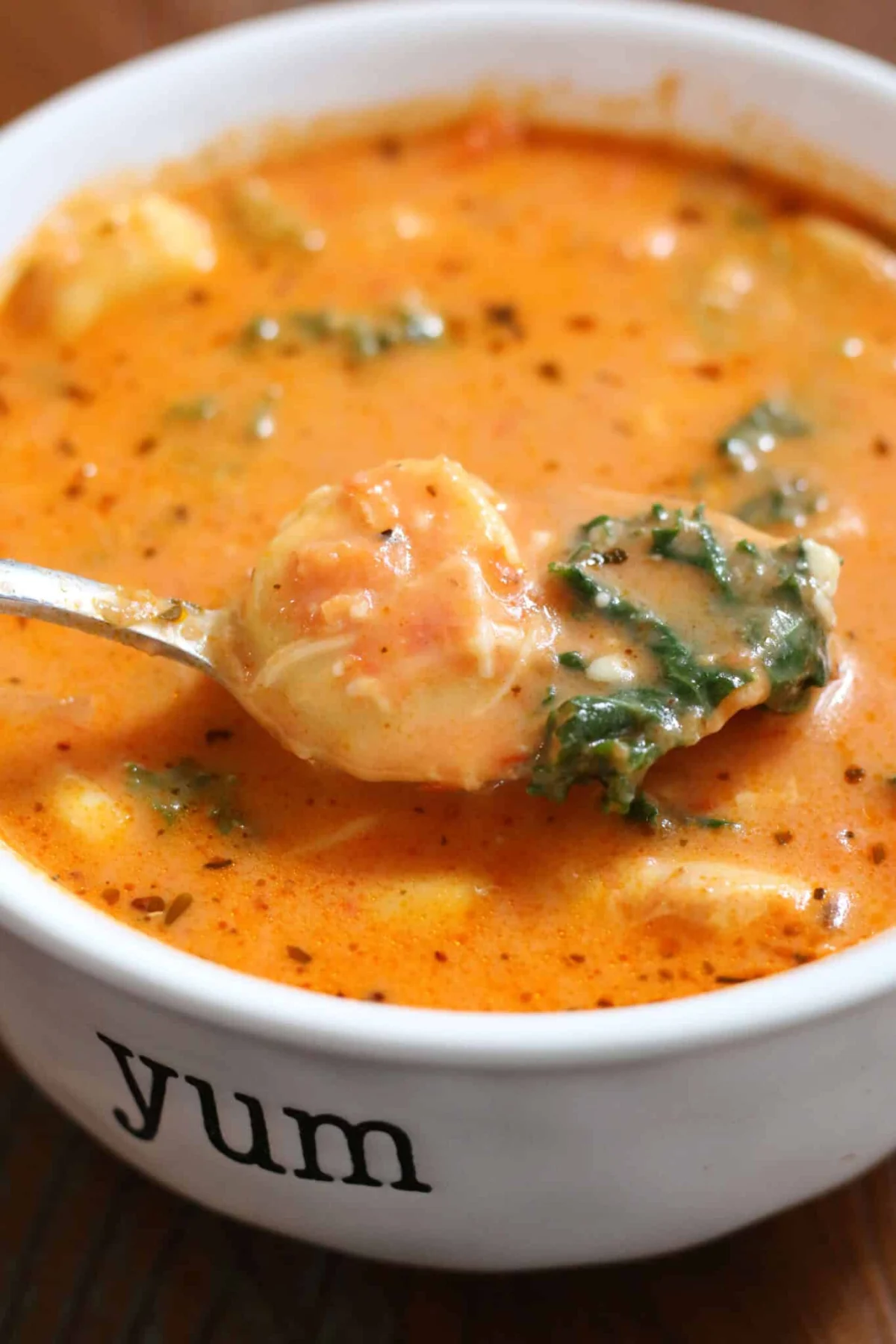
The Creamy Tuscan Garlic Tortellini Soup is defined by its multi-layered texture and its balance of acidity and creaminess. At its core, the recipe utilizes a rich tomato-based broth, which is elevated through the addition of aromatic vegetables including onions, celery, and a significant quantity of garlic. The protein component is primarily derived from chicken—typically breasts or thighs—which are pressure-cooked or slow-simmered until they reach a state of tenderness that allows for easy shredding or dicing.

The inclusion of cheesy tortellini introduces a structural element that differentiates the dish from standard brothy soups. These pasta pockets act as "flavor sponges," absorbing the seasoned broth while providing a substantial, chewy contrast to the softened vegetables. To balance the richness of the cheese and the cream-based finish, the recipe incorporates fresh kale. This leafy green provides a necessary bitterness and a boost of Vitamin K and antioxidants, maintaining its structural integrity even when exposed to high heat.

Detailed Chronology of the Culinary Process
The development of this soup follows a specific technical sequence designed to maximize flavor extraction while minimizing active labor. The process is typically divided into three distinct phases: the aromatic foundation, the pressure/slow-cook cycle, and the finishing emulsification.

Phase I: The Aromatic Foundation
The process begins with the "Sauté" function of a multi-cooker or a standard stovetop pan. High-quality fats, such as butter or olive oil, are heated to accommodate the "holy trinity" of aromatics: onions, celery, and garlic. This stage is crucial for the Maillard reaction, as the sugars in the vegetables caramelize, creating a deep flavor base that cannot be achieved through boiling alone. The garlic is added last in this sequence to prevent the bitter notes associated with over-browning.

Phase II: The Pressure or Slow-Cook Cycle
Once the aromatics are prepared, the liquid base—usually chicken or vegetable broth—is introduced. This is followed by the "hard" vegetables (carrots) and the primary seasonings, which include Italian herbs, salt, pepper, and a small amount of brown sugar. The sugar serves as a chemical balancer to the acidity of the canned tomatoes. The raw chicken is then submerged in the liquid. Under high pressure (approximately four minutes in an Instant Pot) or low heat (six to eight hours in a slow cooker), the collagen in the chicken breaks down, and the flavors of the dried herbs infuse the broth.

Phase III: Integration and Finishing
The final phase occurs after the primary cooking cycle is complete. The chicken is typically removed, shredded, and returned to the pot. At this juncture, the "quick-cook" ingredients are added: white beans (for fiber and protein), pesto (for a concentrated burst of basil and pine nut flavor), fresh kale, and the tortellini. The residual heat or a brief sauté cycle is sufficient to cook the pasta to an al dente texture. The soup is finished with evaporated milk and shredded Parmesan cheese, which provides a silky mouthfeel and a salty, umami finish.

Supporting Data and Nutritional Context
From a nutritional standpoint, the Creamy Tuscan Garlic Tortellini Soup offers a comprehensive macro-nutrient profile. A standard serving contains a balanced distribution of carbohydrates (from the pasta and beans), lean protein (from the chicken), and fats (from the dairy and pesto).

Data regarding the ingredients suggests a high level of bioavailability for certain nutrients:

- Lycopene: The use of processed tomatoes in the broth increases the availability of lycopene, a powerful antioxidant, compared to raw tomatoes.
- Fiber Content: The inclusion of white beans (such as Cannellini or Great Northern) adds approximately 6-8 grams of dietary fiber per serving, aiding in digestion and satiety.
- Glucosinolates: The kale provides sulfur-containing compounds that are studied for their potential anti-cancer properties.
Furthermore, the choice of evaporated milk over heavy cream is a strategic culinary decision. Evaporated milk provides a similar creamy consistency with significantly less total fat and a higher concentration of protein and calcium, making the dish more accessible to health-conscious consumers.

Culinary Trends and Market Influence
The popularity of "Tuscan-style" soups in the United States can be traced back to the commercial success of Italian-American restaurant chains, which popularized dishes like Zuppa Toscana. However, the home-cooking version has evolved to be more versatile. The rise of the multi-cooker market—valued at approximately $4.6 billion globally—has been a primary driver in the dissemination of these recipes.

Market analysis indicates that "one-pot meals" are among the most searched culinary terms on digital platforms. This trend is driven by two factors: the desire for "clean label" eating (controlling ingredients at home) and the necessity of time management. By utilizing an Instant Pot, the total "active" time for a complex soup like this is reduced to under 20 minutes, despite the final product tasting as though it had simmered for hours.

Institutional and Developer Insights
The recipe developer, Karen Petersen, noted that the dish was particularly effective in a "cabin" or retreat setting, where ease of preparation is as important as the warmth of the meal. Observations from the field suggest that the soup’s appeal lies in its "crowd-pleasing" nature; the combination of pasta and a creamy base often overcomes the common resistance to green vegetables like kale, particularly among younger demographics.

Statements from home testers emphasize the "forgiving" nature of the recipe. The ability to substitute kale with spinach, or to use different varieties of tortellini (such as mushroom or spinach-filled), allows the dish to function as a "pantry-clearing" meal. This flexibility is a hallmark of successful modern recipes, which must account for varying grocery availability and dietary restrictions.

Broader Impact and Implications for Home Cooking
The Creamy Tuscan Garlic Tortellini Soup represents more than just a seasonal meal; it is a reflection of the democratization of gourmet flavors. In previous decades, achieving a broth with this level of depth and a texture this refined would have required professional training or extensive time. Today, through the combination of high-quality convenience items (like refrigerated tortellini and prepared pesto) and advanced kitchen technology, the barrier to entry for high-level home cooking has been significantly lowered.

As the culinary world continues to move toward a fusion of health and comfort, the reliance on nutrient-dense "superfoods" like kale and garlic, hidden within the familiar framework of pasta and cream, is expected to grow. This "stealth health" approach ensures that even comfort-heavy meals contribute to a balanced diet.

In conclusion, the Creamy Tuscan Garlic Tortellini Soup stands as a testament to the power of thoughtful ingredient layering and the efficiency of modern cooking methods. It provides a blueprint for how traditional flavors can be adapted for the 21st-century kitchen, ensuring that the "cozy vibes" of a home-cooked meal remain attainable regardless of a cook’s schedule or location. Whether served in a snowy mountain cabin or a fast-paced urban environment, the dish remains a reliable staple of the contemporary American repertoire.