
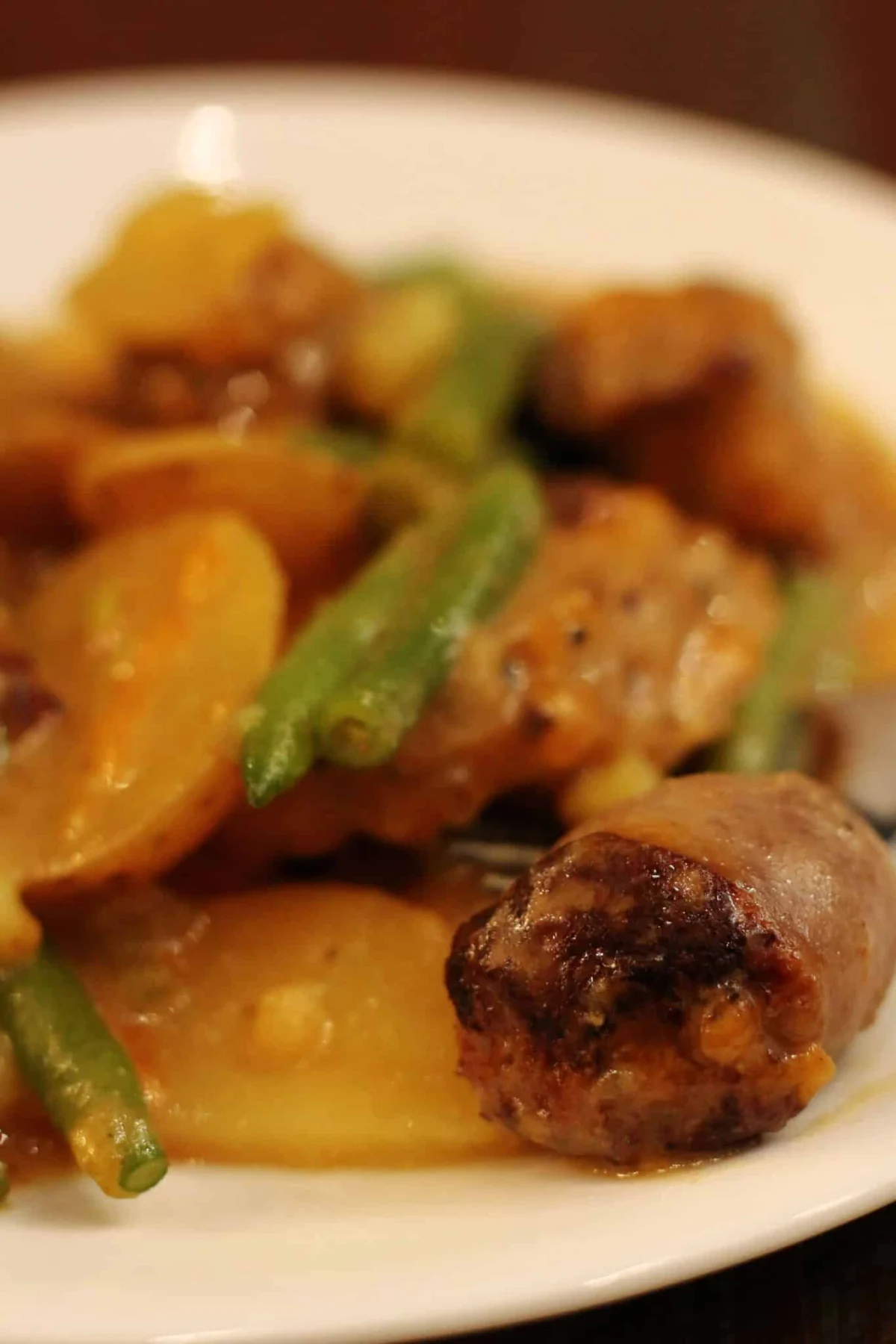
The landscape of modern American home cooking has undergone a significant transformation over the last decade, driven largely by the intersection of technological innovation and a renewed consumer demand for time-efficient, nutrient-dense "one-pot" meals. At the center of this culinary shift is the Country Brat Casserole, a dish that exemplifies the contemporary "set-it-and-forget-it" philosophy while maintaining the flavor profiles traditionally associated with slow-cooked rustic fare. This meal, which utilizes either an Instant Pot or a traditional slow cooker, combines savory bratwurst, tender root vegetables, and a distinct cheesy finish to provide a solution for the logistical challenges of busy weeknight dining.

The Composition and Culinary Foundation of the Dish
The Country Brat Casserole is built upon a foundation of classic ingredients that reflect both Midwestern American culinary heritage and modern pantry staples. The primary protein, bratwurst—a sausage of German origin typically composed of veal, pork, or beef—provides the savory, spiced backbone of the meal. In the context of this casserole, the sausages are browned to initiate the Maillard reaction, a chemical process between amino acids and reducing sugars that gives browned food its distinctive flavor.
Accompanying the protein are starch and fiber components: cubed potatoes and fresh or frozen green beans. Potatoes serve as the primary absorbent for the cooking liquid, which in this case is a savory broth enhanced by aromatics like celery and onion. The seasoning profile is meticulously balanced with a combination of salt, black pepper, paprika, and garlic powder, while a final addition of Dijon mustard, milk, and cheddar cheese creates a cohesive, creamy sauce that binds the ingredients together.

Culinary analysts note that the inclusion of Dijon mustard is a strategic choice; the acidity of the mustard cuts through the richness of the bratwurst and the cheddar cheese, providing a brightness that prevents the dish from becoming overly heavy. Furthermore, the flexibility of the recipe allows for the inclusion of supplementary vegetables, such as sliced mushrooms, which add an earthy depth and additional texture to the final product.
Detailed Chronology of Preparation
The preparation of the Country Brat Casserole follows a specific technical sequence designed to maximize flavor extraction and ensure the structural integrity of the vegetables. Whether utilizing the high-pressure environment of an Instant Pot or the low-and-slow heat of a Crockpot, the process begins with the sear.

Phase I: The Aromatics and Browning
For the Instant Pot method, the device is set to the sauté function. Once the inner pot reaches a critical temperature, oil is added, followed by the sliced bratwurst. The browning process takes approximately four minutes. Following the meat, finely chopped celery and onions are introduced to the pot. This four-minute sauté period allows the vegetables to soften and release their moisture, deglazing the bottom of the pot and incorporating the fond (the browned bits of meat) back into the dish.
Phase II: Pressure Cooking and Thermal Application
Once the base is established, broth is added to the pot. A critical step in pressure cooking involves scraping the bottom of the stainless steel liner to prevent the "burn" warning often triggered by stuck-on food. The potatoes are then scattered over the mixture, seasoned, and topped with green beans.

The device is then sealed, with the steam release valve set to the "sealing" position. The casserole is cooked under high pressure for a precise duration of two minutes. However, the true cooking time is extended by a five-to-ten-minute "natural release" period. This allows the pressure to dissipate gradually, which is essential for maintaining the tenderness of the meat and preventing the potatoes from disintegrating under a sudden change in atmospheric pressure.
Phase III: The Emulsification and Finishing
After the manual venting of any remaining steam, the lid is removed. The final stage involves the "cheesy finish." Dijon mustard, milk, and shredded cheddar cheese are gently stirred into the hot mixture. The residual heat of the casserole is sufficient to melt the cheese and emulsify the milk and mustard into a smooth, savory glaze.

Technical and Economic Context: The Rise of Multi-Cookers
The popularity of dishes like the Country Brat Casserole cannot be separated from the broader economic and technological trends in the appliance market. The Instant Pot, which debuted in 2009, revolutionized home cooking by combining the functions of a pressure cooker, slow cooker, rice cooker, and yogurt maker into a single unit. By 2020, the multi-cooker market was valued at several billion dollars globally, with a significant portion of that growth attributed to North American households seeking to reduce their reliance on processed "fast food" while maintaining a compressed cooking schedule.
Data suggests that "one-pot" meals are particularly appealing to the millennial and Gen X demographics, who report higher levels of "time poverty" than previous generations. The Country Brat Casserole fits this niche perfectly, offering a complete meal (protein, vegetable, starch) that can be prepared in under 30 minutes of active time. Economically, the dish is also highly efficient. Bratwurst and potatoes are relatively low-cost commodities compared to premium cuts of beef or poultry, making the casserole a budget-friendly option for large families.

Cultural Significance: From German Heritage to American Comfort
The Country Brat Casserole is a modern iteration of the "hotdish" or casserole culture that has long dominated the American Midwest. Historically, these dishes were designed to be communal, hearty, and capable of utilizing whatever ingredients were on hand. The use of bratwurst specifically points to the influence of German immigrants in regions like Wisconsin, Ohio, and Minnesota.
In these communities, the "brat" is more than just a sausage; it is a cultural icon often associated with tailgating and outdoor festivals. By transitioning the bratwurst from the grill to the casserole pot, home cooks have adapted a summer staple into a year-round comfort food. This transition reflects a broader trend in American cuisine where traditional ethnic ingredients are reimagined through the lens of modern convenience.

Statements and Consumer Feedback
Initial testers of the recipe have reported high levels of satisfaction, particularly regarding the dish’s ability to appeal to multiple age groups. Greg Petersen, a culinary enthusiast who participated in the early testing phase of the recipe, noted that the savory profile of the brats made it an "instant favorite." Other consumers have highlighted the utility of the leftovers; the casserole’s flavors tend to deepen after 24 hours, making it an ideal candidate for meal-prepping and next-day lunches.
The creator of the recipe, Karen Petersen, has emphasized the importance of versatility in modern cooking. Through her platform, "365 Days of Crockpot," she has advocated for the use of digital filters to help consumers find recipes based on specific dietary needs, such as gluten-free or low-carb options. While the Country Brat Casserole is a traditional, hearty meal, Petersen notes that it can be easily modified—for instance, by substituting the potatoes with cauliflower for a lower-carbohydrate version.

Nutritional Analysis and Implications
From a nutritional standpoint, the Country Brat Casserole provides a balanced macronutrient profile, though it is undeniably a "hearty" meal. The bratwurst offers a dense source of protein and fats, while the potatoes provide complex carbohydrates for energy. The inclusion of green beans ensures a serving of dietary fiber and essential vitamins, such as Vitamin K and Vitamin C.
However, health analysts point out that the sodium content in such dishes can be high, particularly if store-bought broths and processed sausages are used. To mitigate this, many home cooks are opting for low-sodium broth and sharp cheddar cheese, which provides a more intense flavor with less volume, thereby reducing the overall fat content of the sauce. The addition of mushrooms, as suggested by the recipe’s creator, would further enhance the micronutrient density of the dish by adding B vitamins and antioxidants.

Broader Impact on the Home Cooking Industry
The enduring popularity of recipes like the Country Brat Casserole indicates a permanent shift in the domestic sphere. We are seeing a move away from "labor-intensive" gourmet cooking toward "result-oriented" efficiency. The "casserole" is no longer viewed as a dated 1950s relic but as a sophisticated vessel for global flavors and modern techniques.
Furthermore, the integration of social media platforms like Pinterest in the dissemination of these recipes has created a feedback loop between creators and consumers. When a recipe like the Country Brat Casserole is "pinned" or shared, it often leads to a surge in demand for specific ingredients at the retail level. Grocery chains have begun to recognize this, often placing items like bratwurst, potatoes, and green beans in close proximity during peak weeknight shopping hours.

As we look toward the future of home dining, it is clear that the intersection of tradition and technology will continue to define the American palate. The Country Brat Casserole is a testament to the fact that even in an era of rapid change, the fundamental human desire for a warm, savory, and communal meal remains unchanged. It is a dish that honors its rustic roots while embracing the speed and precision of the 21st-century kitchen.