

The rise of the "broth bowl" as a distinct culinary category has sparked significant discourse within the food industry, leading many to question the distinction between this modern trend and traditional soup. Culinary experts at the Nashville Test Kitchen have recently addressed this phenomenon through the development of a streamlined, one-pot Chicken Broth Bowl designed to balance nutritional density with extreme cost-efficiency. This development comes at a time when consumer interest in "wellness bowls" is at an all-time high, yet household grocery budgets remain under pressure due to fluctuating food inflation rates. By utilizing a foundational mirepoix and accessible pantry staples like long-grain white rice, the recipe seeks to democratize a trend that is often associated with high-end health food establishments.

The Evolution of the Broth Bowl Trend
In recent years, social media platforms such as TikTok and Instagram have seen a surge in content surrounding "functional" eating, where traditional recipes are rebranded to highlight specific health benefits. The transition from "chicken soup" to "chicken broth bowl" represents more than just a linguistic shift; it reflects a change in how consumers perceive meal structure. While traditional soups often prioritize a homogenous blend of ingredients, the broth bowl emphasizes the clarity of the liquid and the distinct textures of added proteins and grains.
The Nashville-based development team noted that while the name may feel trendy, the underlying mechanics of the dish rely on centuries-old culinary techniques. The goal was to create a meal that offers the "soul food" comfort of a classic chicken noodle soup while incorporating the modern preference for rice-based bowls. This specific iteration focuses on the use of boneless chicken thighs, which provide a higher fat content and deeper flavor profile than chicken breasts, ensuring the broth remains rich without requiring hours of simmering.

Detailed Chronology of the Preparation Process
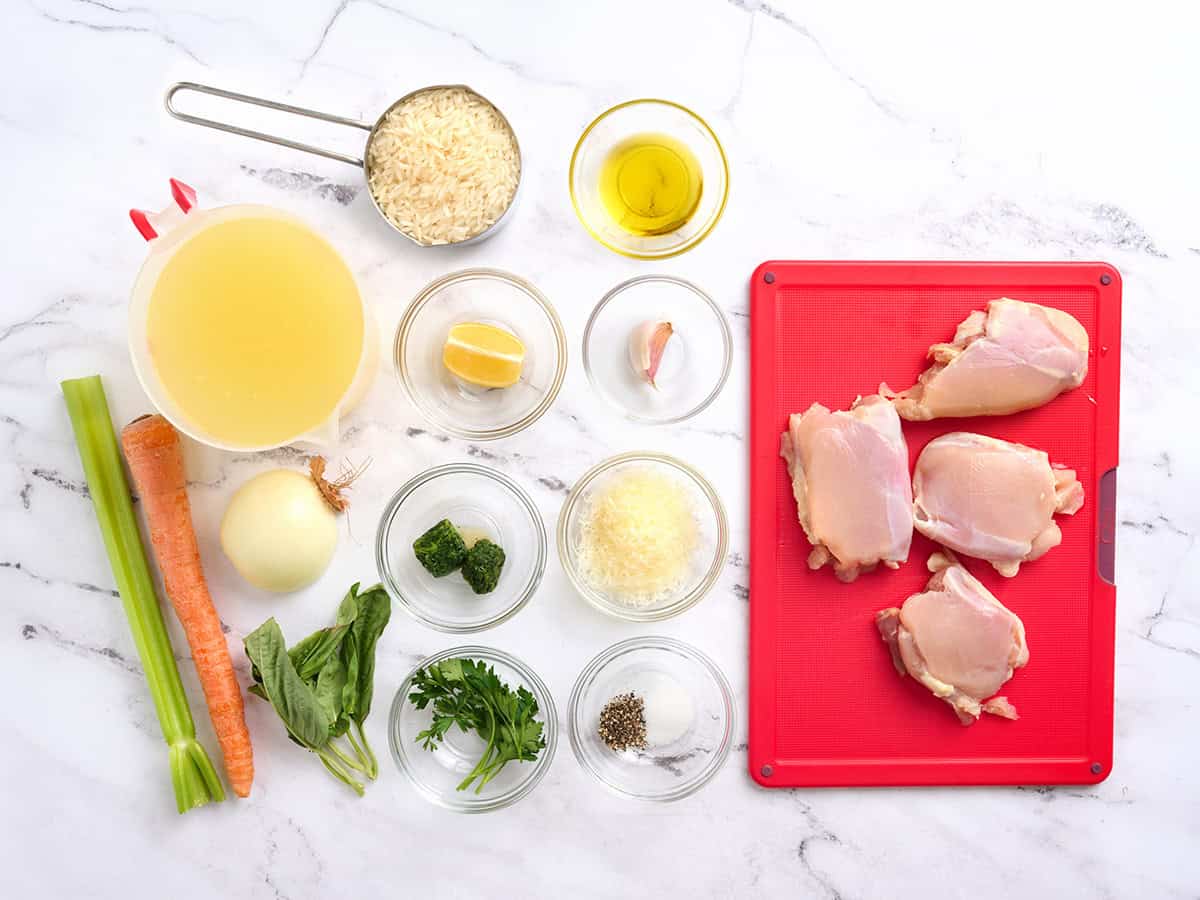
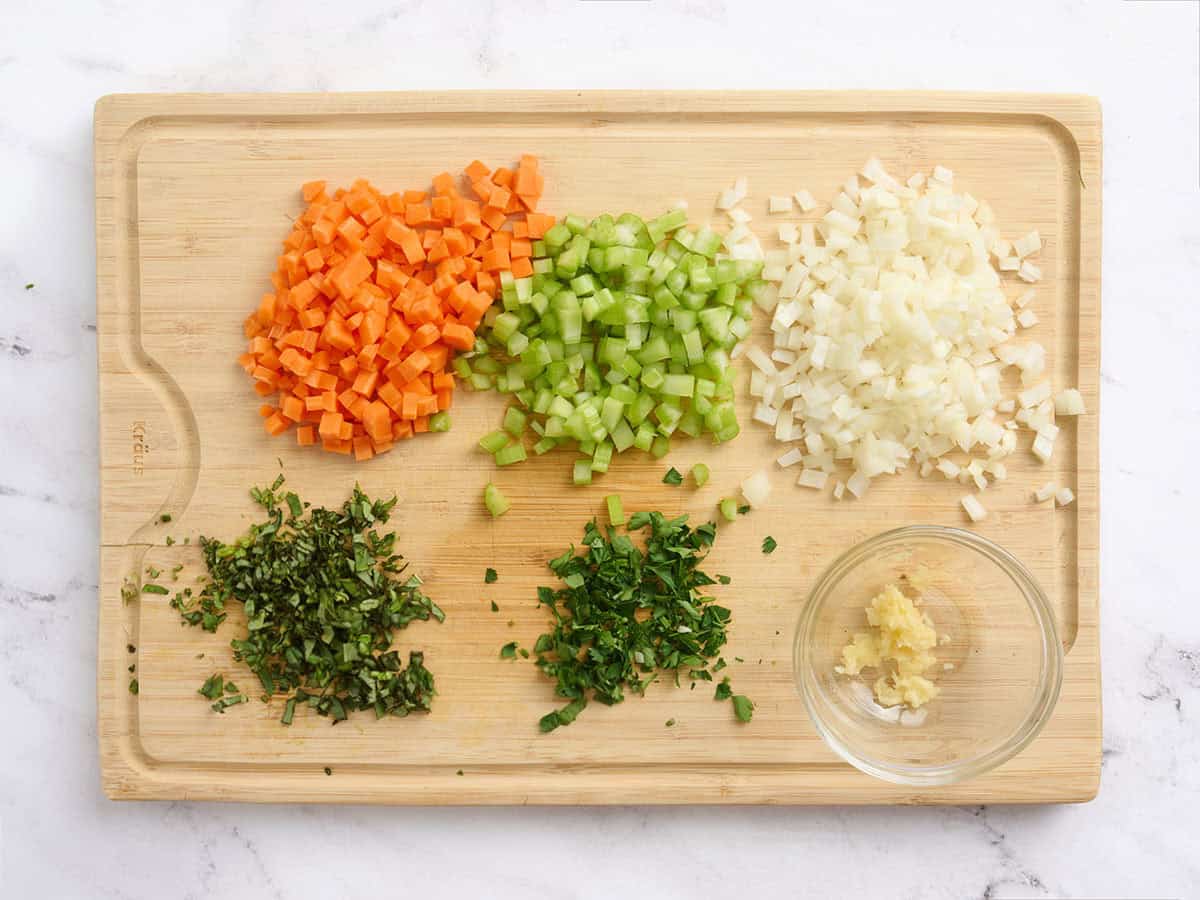
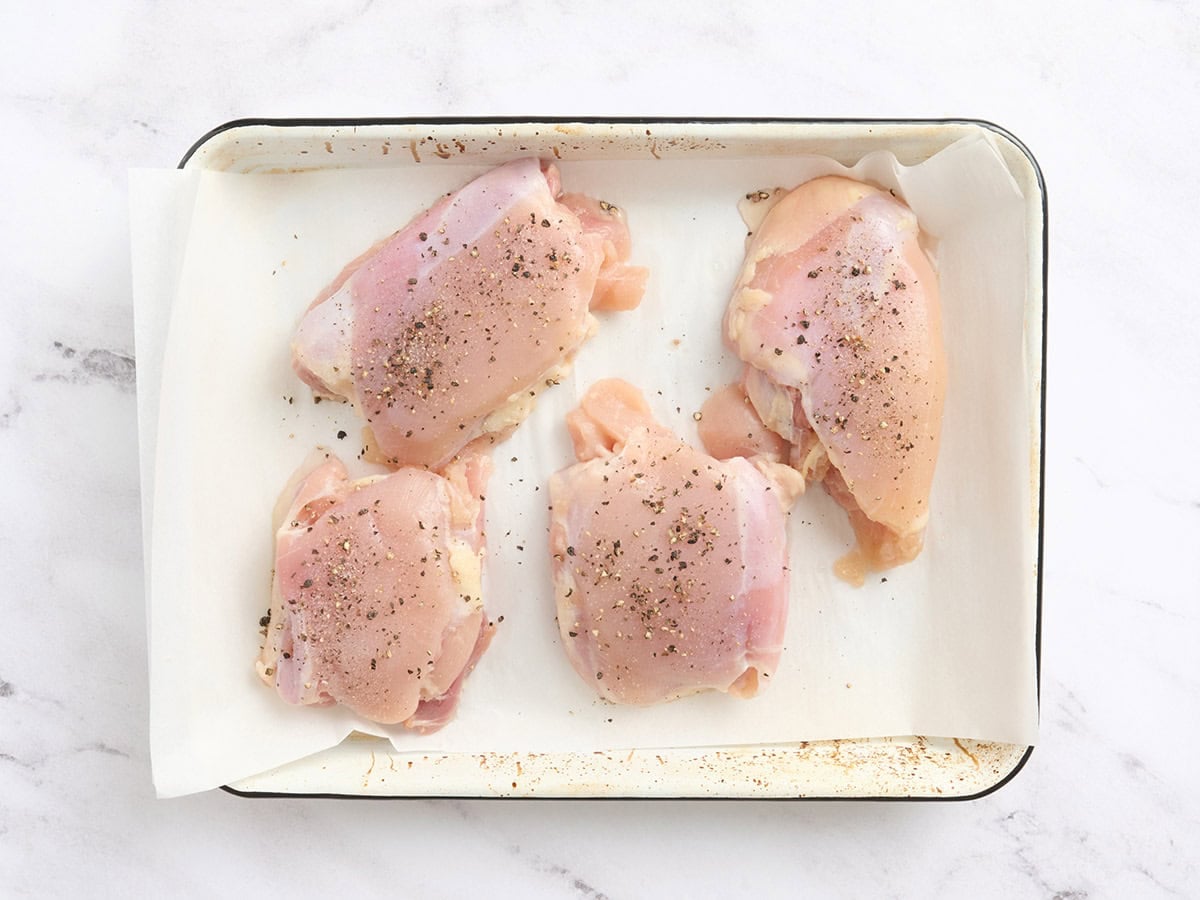
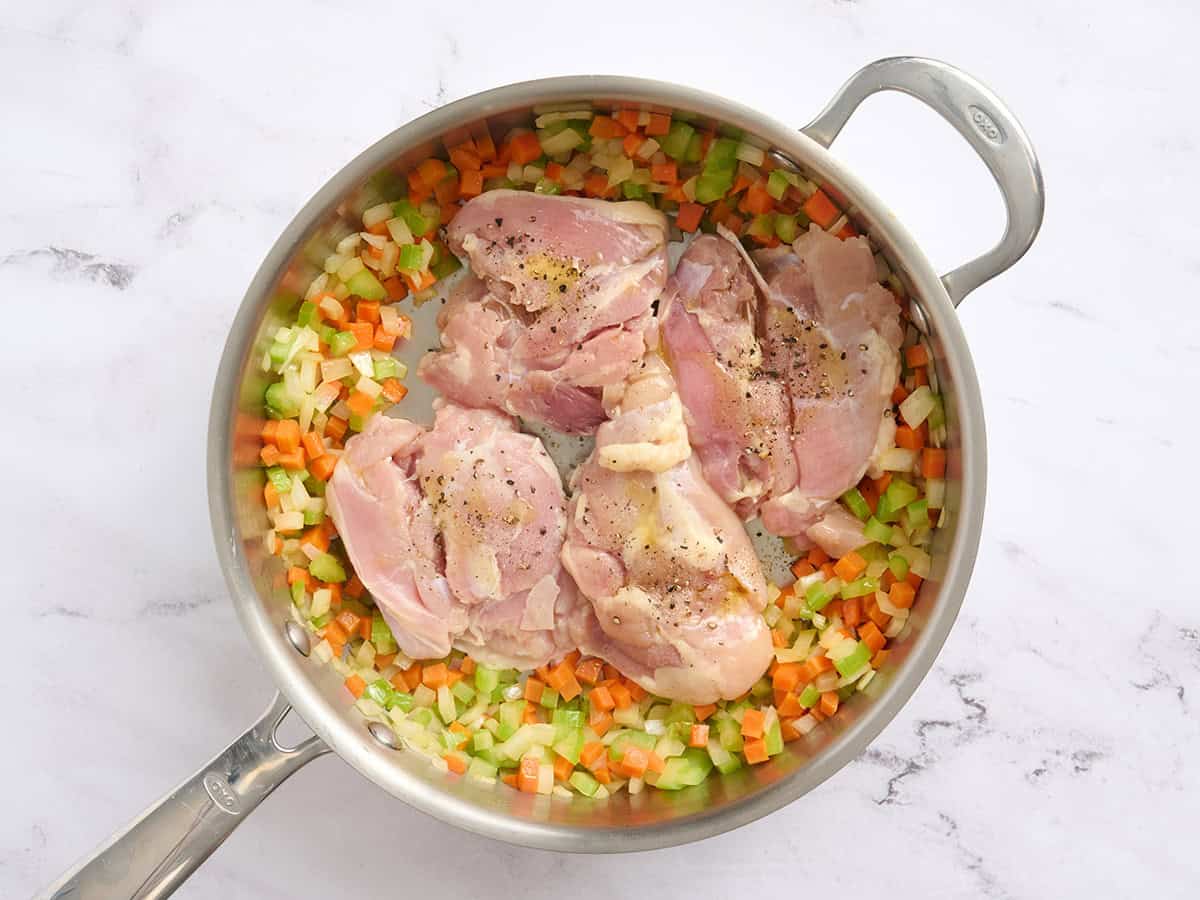
The efficiency of the one-pot method is a central feature of this culinary report. The process begins with the preparation of a classic French mirepoix—a finely diced mixture of carrots, celery, and yellow onion. This base provides the aromatic foundation necessary for a complex flavor profile. Following the vegetable prep, the chicken thighs are seasoned with a minimalist combination of olive oil, salt, and pepper.
The cooking sequence is strategically timed to maximize flavor extraction:

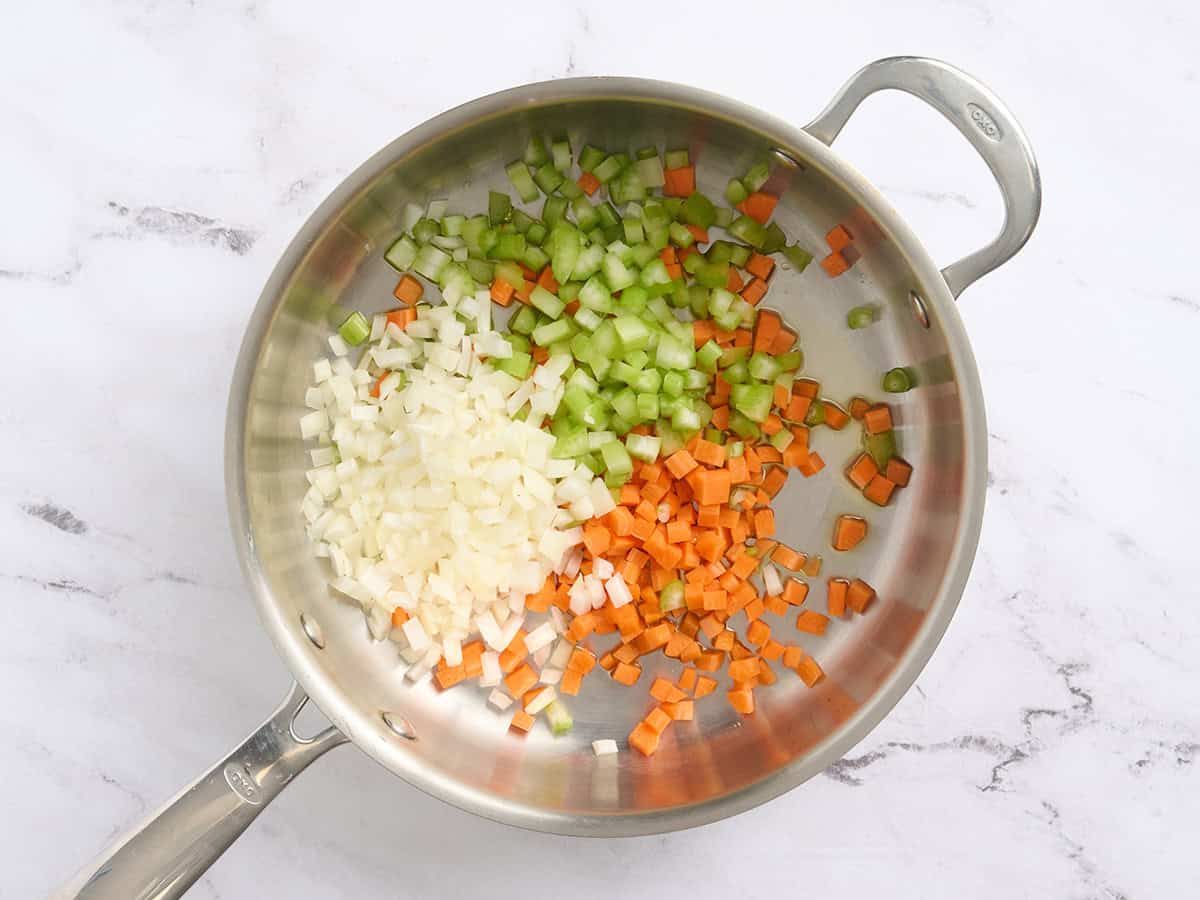
- Vegetable Softening: The mirepoix is sautéed in olive oil over medium heat for approximately five minutes. This step is crucial for releasing the natural sugars in the carrots and onions.
- Protein Searing: The vegetables are moved to the perimeter of the skillet to allow the chicken thighs to sear in the center. This utilizes the Maillard reaction, browning the meat and creating "fond"—the flavorful browned bits that stick to the bottom of the pan.
- Deglazing and Simmering: After the chicken is seared and partially cooked (reaching an internal temperature of 160°F), it is removed to rest. The pan is then deglazed with five cups of chicken broth, effectively incorporating the fond into the liquid.
- Grain Integration: Long-grain white rice and frozen spinach are added to the simmering broth. The rice cooks directly in the seasoned liquid for 15 minutes, allowing it to absorb the savory chicken essence while simultaneously thickening the broth with its natural starches.
- Assembly: The chicken is sliced and reintroduced to the pot alongside fresh minced parsley and basil. The final dish is finished with a squeeze of fresh lemon and a garnish of grated Parmesan cheese to provide acidity and umami.
Economic Analysis and Cost Breakdown
In an era of heightened food insecurity and rising costs, the economic viability of the Chicken Broth Bowl is its most compelling feature. According to data provided by the Nashville Test Kitchen, the total cost for the four-serving recipe is approximately $7.53, which translates to a per-serving cost of $1.89.
This pricing is particularly notable when compared to the national average cost of a prepared meal at a fast-casual restaurant, which often exceeds $12.00 per person. The developers achieved this price point by sourcing boneless chicken thighs at approximately $2.18 per pound—a figure that reflects competitive pricing at major retailers like Walmart. Furthermore, the use of concentrated bouillon, such as "Better Than Bouillon," allows home cooks to produce high-quality broth at a fraction of the cost of pre-packaged cartons, while also reducing packaging waste.
The nutritional data further supports the dish’s value proposition. Each 1.5-cup serving contains:
- Calories: 299 kcal
- Protein: 27g (54% of the recommended daily value)
- Carbohydrates: 24g
- Fat: 10g
- Sodium: 1428mg (noted as being primarily derived from the bouillon)
The high protein-to-calorie ratio makes this an effective meal for those focused on satiety and muscle maintenance, while the inclusion of spinach and carrots ensures a baseline of essential vitamins.
Professional Perspectives from the Test Kitchen
The recipe was developed and tested by Jess Rice, a professional chef and former professor of culinary theory at Niagara College. Rice’s background, which includes work as a private chef for high-profile clients and a successful restaurateur in the Nashville vegan scene, informs the balance of the dish.
"Sometimes trends don’t make sense," Rice observed regarding the broth bowl nomenclature. However, she emphasized that the "brothy rice" technique is a functional solution for busy households. By resting the chicken before slicing, the juices are preserved, which Rice insists should be added back into the pot to ensure no flavor is lost. The Nashville Test Kitchen, where the recipe underwent rigorous testing, serves as a hub for "Budget Bytes," a platform dedicated to proving that financial constraints do not necessitate a lack of culinary sophistication.
Broader Implications for Home Cooking and Wellness
The success of the Chicken Broth Bowl highlights a broader shift in consumer behavior. As more individuals move away from processed "instant" meals, there is a growing demand for "one-pot" solutions that minimize cleanup while providing a "made-from-scratch" experience.
Customization and Dietary Flexibility
The report identifies several variations that allow the broth bowl to adapt to different dietary needs:
- Grain Substitutions: While white rice is the budget standard, users can substitute quinoa, farro, or cauliflower rice, though cooking times must be adjusted accordingly.
- Protein Alternatives: The base mirepoix and broth technique can be applied to tofu, shrimp, or lean beef.
- Broth Variations: The flexibility of the recipe allows for the use of bone broth, which is currently a $1.1 billion global market, driven by consumers seeking collagen and amino acids.
The Impact of Social Media on Culinary Standards
The "broth bowl" phenomenon is a prime example of how digital trends can revitalize basic cooking techniques. By framing a simple soup as a "nourishing bowl," creators encourage younger demographics to engage with foundational skills like sautéing and deglazing. This "aesthetic of wellness" has the potential to improve public health outcomes by making vegetable-heavy, protein-rich meals appear more attractive and attainable.
Storage, Reheating, and Sustainability
A final consideration in the development of this recipe is its "meal prep" potential. The Nashville Test Kitchen reports that the soup can be stored in an airtight container for up to four days. A known characteristic of rice-based soups is the absorption of liquid over time; the developers recommend adding a small splash of water or additional broth during the reheating process to restore the original consistency.
From a sustainability perspective, the one-pot method reduces water usage by limiting the number of dishes required. Additionally, the recipe encourages the use of frozen spinach—a product that often has a lower carbon footprint than fresh greens that may spoil before use, and which retains its nutritional value through the flash-freezing process.
Conclusion
The Chicken Broth Bowl represents a strategic intersection of culinary tradition and modern trend-following. By stripping away the pretension often associated with "wellness" marketing and focusing on the raw data of cost, nutrition, and preparation time, the Nashville Test Kitchen has provided a blueprint for affordable, high-quality home cooking. As economic pressures continue to influence the American kitchen, the reliance on versatile, budget-friendly staples like chicken thighs and rice remains a cornerstone of domestic stability. This dish serves as a reminder that regardless of the name—be it soup or broth bowl—the principles of good cooking remain rooted in simple ingredients and thoughtful technique.