
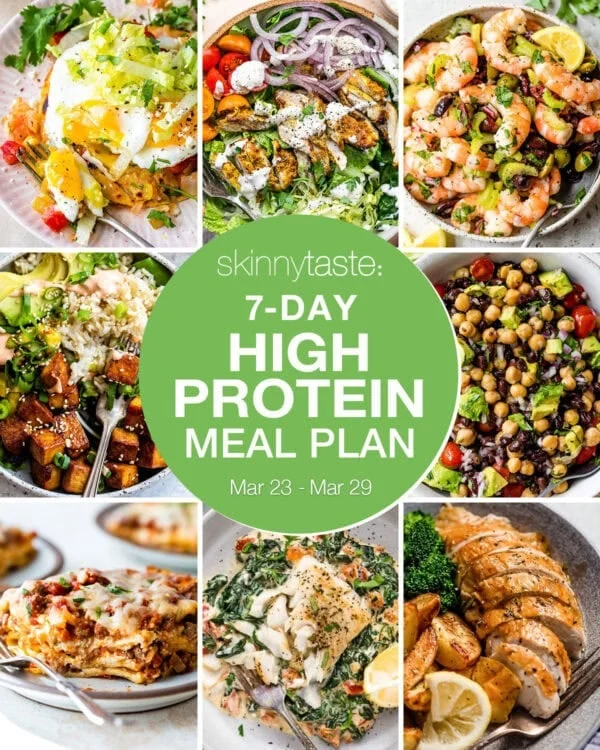
A new, free 7-day high-protein diet meal plan has been unveiled, offering a structured approach to nutrition for individuals aiming for increased protein intake. The plan, which includes detailed breakfast, lunch, and dinner ideas alongside a comprehensive shopping list, distinguishes itself by providing full macro breakdowns and integrated Weight Watchers (WW) points for every recipe. This initiative responds to a growing public interest in high-protein diets for various health objectives, including muscle gain, enhanced satiety, and overall wellness management. The meal plan is designed to serve individuals for weekday breakfast and lunch, while dinners and all weekend meals are portioned for a family of four, with some recipes yielding leftovers for convenience.
Strategic Nutritional Design for High-Protein Intake
The core of this meal plan revolves around achieving elevated protein consumption, a dietary strategy that has gained significant traction within health and fitness communities. High-protein diets are often associated with several benefits, including supporting muscle synthesis and repair, promoting satiety to aid in weight management, and stabilizing blood sugar levels. The creator of the plan explicitly notes a personal journey involving a high-protein diet over several years, attributing improved strength and reduced cravings for sweets and chips to this nutritional approach. This personal endorsement underpins the practical design of the meal plan, which aims to make hitting daily protein targets more accessible for users.
To illustrate, the plan suggests a daily protein goal of approximately 120 grams, distributed strategically across meals and snacks. This often translates to aiming for at least 30 grams of protein per main meal, supplemented by 10 to 30 grams with each snack. Such a distribution helps maintain a steady supply of amino acids throughout the day, which is crucial for muscle maintenance and growth, particularly for those engaged in regular physical activity. The meal plan’s comprehensive nature, including detailed recipes and a shopping list, is intended to streamline the process for users, removing the guesswork often associated with dietary planning.

Integration with Weight Watchers and Evolving Dietary Guidance
A significant feature of this meal plan is its full integration with the Weight Watchers (WW) program, a widely recognized weight management system. Each recipe within the 7-day plan includes calculated WW points, offering invaluable guidance for members tracking their intake. This integration is particularly timely, given recent updates to the WW Points Plan, which saw the addition of new zero-point foods, such as oatmeal, reflecting evolving nutritional science and member feedback.
The creator acknowledges the ongoing effort to update all recipes on the platform to reflect these new WW points, noting that recipes from 2025 back to 2018 have already been revised. A key advantage highlighted is that every recipe on the associated website is linked to the WW recipe builder, allowing users to automatically calculate the most current points directly from their mobile devices. This commitment to staying current with WW guidelines ensures that users relying on the program receive accurate and up-to-date information, enhancing the plan’s utility and trustworthiness.
Beyond WW, the plan also provides macro nutrient breakdowns (carbohydrates, fats, and proteins) for all recipes. This level of detail caters to a broader audience, including those who track macros for specific fitness goals, manage conditions like diabetes, or simply seek a more granular understanding of their nutritional intake. The provision of both WW points and macro information positions the meal plan as a versatile tool for diverse dietary needs and preferences.
Seasonal Influences and Culinary Variety

The introduction of the meal plan is framed within the context of the spring season, evoking themes of freshness, renewal, and lighter eating. The article notes that spring "always brings sunshine, fresh air, and bright green vegetables that somehow make everything feel lighter." This seasonal alignment influences some of the culinary suggestions, particularly the emphasis on "brunch season" and the inclusion of quiche recipes.
Quiche, described as "warm and endlessly customizable," is presented as a perfect option for spring gatherings that can also contribute significantly to protein goals. Examples such as Chicken Quiche and Crustless Sausage and Spinach Quiche demonstrate how classic comfort foods can be adapted to align with high-protein dietary objectives without sacrificing flavor or appeal. This focus on seasonal relevance and adaptable recipes underscores a practical approach to healthy eating that integrates seamlessly with daily life and social occasions.
Structure and Flexibility of the Meal Plan
The 7-day high-protein meal plan is meticulously structured to provide a clear dietary roadmap while maintaining a degree of flexibility essential for real-world application. For Monday through Friday, breakfast and lunch recipes are portioned for a single individual, catering to those who might be preparing meals for themselves during workdays. In contrast, all dinner recipes, as well as all meals on Saturday and Sunday, are designed to serve a family of four. This dual-portioning strategy recognizes the varied household dynamics and meal preparation habits of its target audience.
The plan explicitly states that it is intended as a guide, emphasizing "plenty of wiggle room" for users to personalize their intake. This includes adding more food, coffee, beverages, fruits, snacks, or desserts, or swapping recipes based on individual preferences. The platform provides an extensive recipe index where users can search for alternative meal ideas by course. A crucial advisory note accompanying the plan suggests that individuals should aim for at least 1500 calories per day, clarifying that this is a general guideline and actual caloric needs vary widely based on individual goals, age, weight, and activity levels. The importance of consulting a nutritionist or dietitian for personalized needs is strongly reiterated.
Daily Meal Breakdown and Protein Targets
The detailed daily schedule for the week of March 23rd to March 29th (Week 533) provides a concrete example of the plan’s implementation, showcasing diverse, protein-rich options:
- Monday (3/23): Breakfast features Whipped Cottage Cheese Bowls, known for their high protein content. Lunch is a Chicken Gyro with a whole wheat pita and Tzatziki. Dinner is a Tofu Poke Bowl, doubled to serve four. Total Calories: 1,381*, Protein: 123.5 g.
- Tuesday (3/24): Repeats Whipped Cottage Cheese Bowls for breakfast and Chicken Gyro for lunch. Dinner shifts to Turkey Enchilada Stuffed Poblano Rellenos with Fiesta Bean Salad. Total Calories: 1,429*, Protein: 130.5 g.
- Wednesday (3/25): Breakfast introduces High Protein Enchilada Scrambled Eggs. Lunch remains the Chicken Gyro. Dinner is Lasagna with Garlic Butter Mushrooms, doubled for larger portions. Total Calories: 1,308*, Protein: 128.5 g.
- Thursday (3/26): Repeats High Protein Enchilada Scrambled Eggs for breakfast. Lunch is the Chicken Gyro. Dinner utilizes LEFTOVER Lasagna with Garlic Butter Mushrooms, demonstrating practical meal prep. Total Calories: 1,308*, Protein: 128.5 g.
- Friday (3/27): Breakfast is a Strawberry Banana Smoothie with a quarter cup of nonfat plain Greek yogurt for added protein. Lunch is Lentil Bowls with Avocado, Eggs and Cholula (half recipe). Dinner offers Fish Florentine with Homemade Rice Pilaf. Total Calories: 1,274*, Protein: 120 g.
- Saturday (3/28): Breakfast is Huevos Rancheros, doubled. Lunch is a quarter portion of Italian Shrimp Salad. Dinner is designated as "DINNER OUT," allowing for social flexibility. Total Calories: 711*, Protein: 52.5 g.
- Sunday (3/29): Breakfast features Turkey Chorizo Breakfast Bowls. Lunch is Chickpea Tuna Salad (doubled) with two cups of chopped Romaine lettuce. Dinner concludes the week with Whole Roasted Chicken with Lemon and Rosemary Smashed Potatoes and Charred Sugar Snap Peas. Total Calories: 1,289*, Protein: 122 g.
The asterisked calorie counts represent a guide, with the understanding that individual needs vary. The plan explicitly notes that women should generally aim for around 1500 calories per day and provides an external calculator for personalized estimates. The inclusion of a comprehensive grocery list, broken down by produce, meat/poultry/fish, condiments/spices, dairy/refrigerated items, grains, canned/jarred goods, frozen items, and miscellaneous dry goods, further simplifies meal preparation.
Important Health Considerations and Professional Advice
While promoting the benefits of a high-protein diet, the article includes crucial disclaimers regarding potential health considerations. It advises individuals with specific health conditions, such as kidney or liver disease, gout, certain metabolic disorders, or older adults with reduced kidney function, to exercise caution. For these groups, significantly increasing protein intake without professional guidance could lead to complications. The recommendation is unequivocal: "It’s always best to consult a healthcare provider or dietitian before significantly increasing protein intake, especially if you have any underlying health conditions." This responsible approach underscores the importance of personalized medical and nutritional advice over generalized dietary plans.
Community Engagement and Future Developments
The platform actively fosters a community around its meal plans and recipes. Users are encouraged to join the Skinnytaste Facebook Community, where members share photos of recipes they are making and exchange ideas. An email subscription option is also available to ensure users "never miss a meal plan." This community-centric approach enhances user engagement and provides a supportive environment for individuals pursuing healthier eating habits.
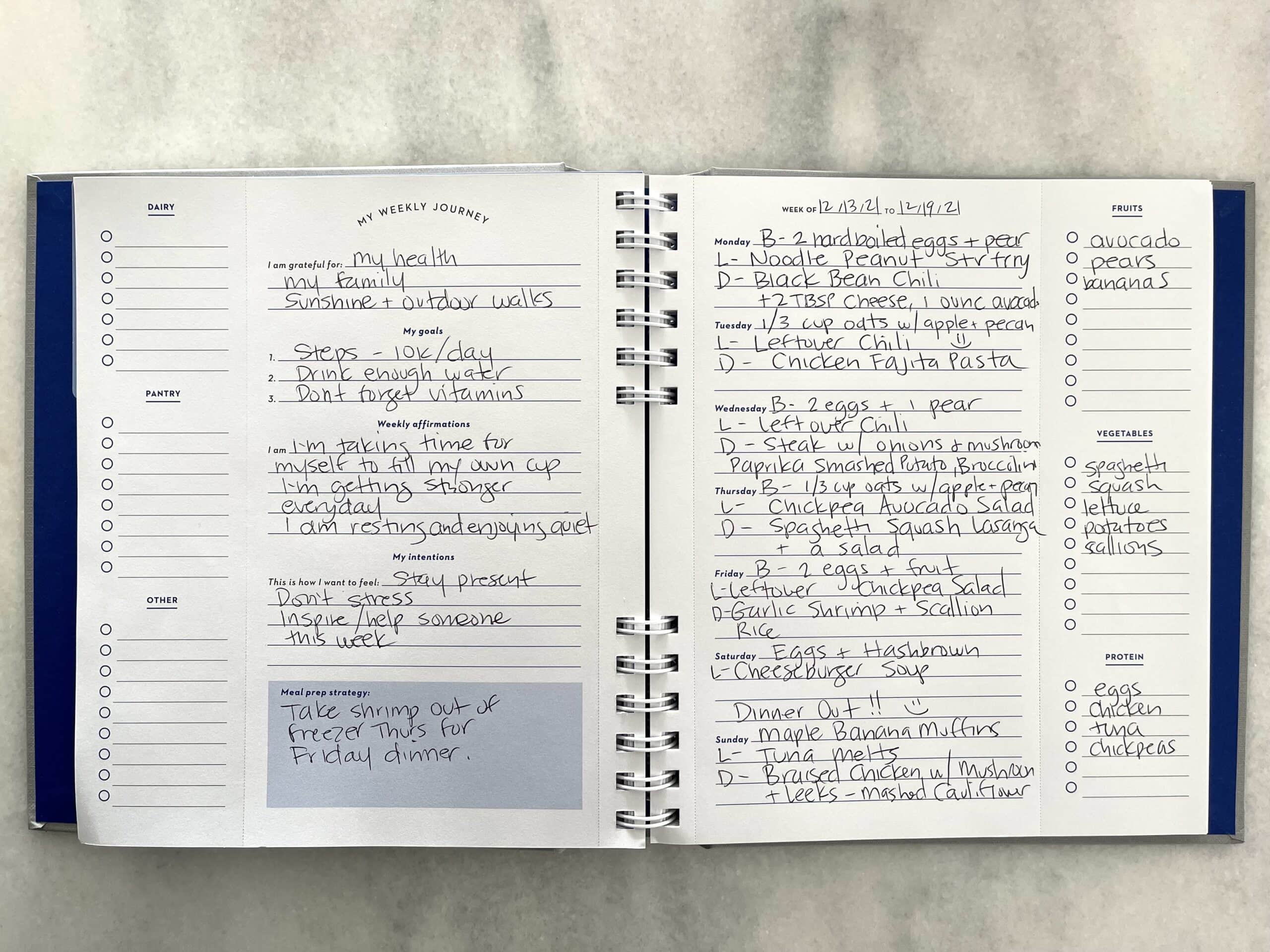
Looking ahead, the creator confirms that additional high-protein meal plans will be shared, with a commitment to releasing one or two each month. Furthermore, a high-protein cookbook is currently in development, signaling a strategic expansion of resources aimed at this growing dietary segment. Complementing these digital offerings, the "Ultimate Skinnytaste Meal Planner" is available as a physical, spiral-bound planner, featuring weekly meal planning grids, a 12-week meal plan, 30 recipes (15 new), and tear-out grocery lists. This product aims to provide a tangible tool for organization and motivation, integrating gratitude, affirmations, and intentions into the weekly planning process.
The launch of this detailed 7-day high-protein meal plan reflects a comprehensive understanding of contemporary dietary trends, user needs for practical guidance, and the importance of integrating nutritional advice with community support and professional disclaimers. It serves as a valuable resource for individuals seeking to incorporate more protein into their diets while managing calories and adhering to specific programs like Weight Watchers.