
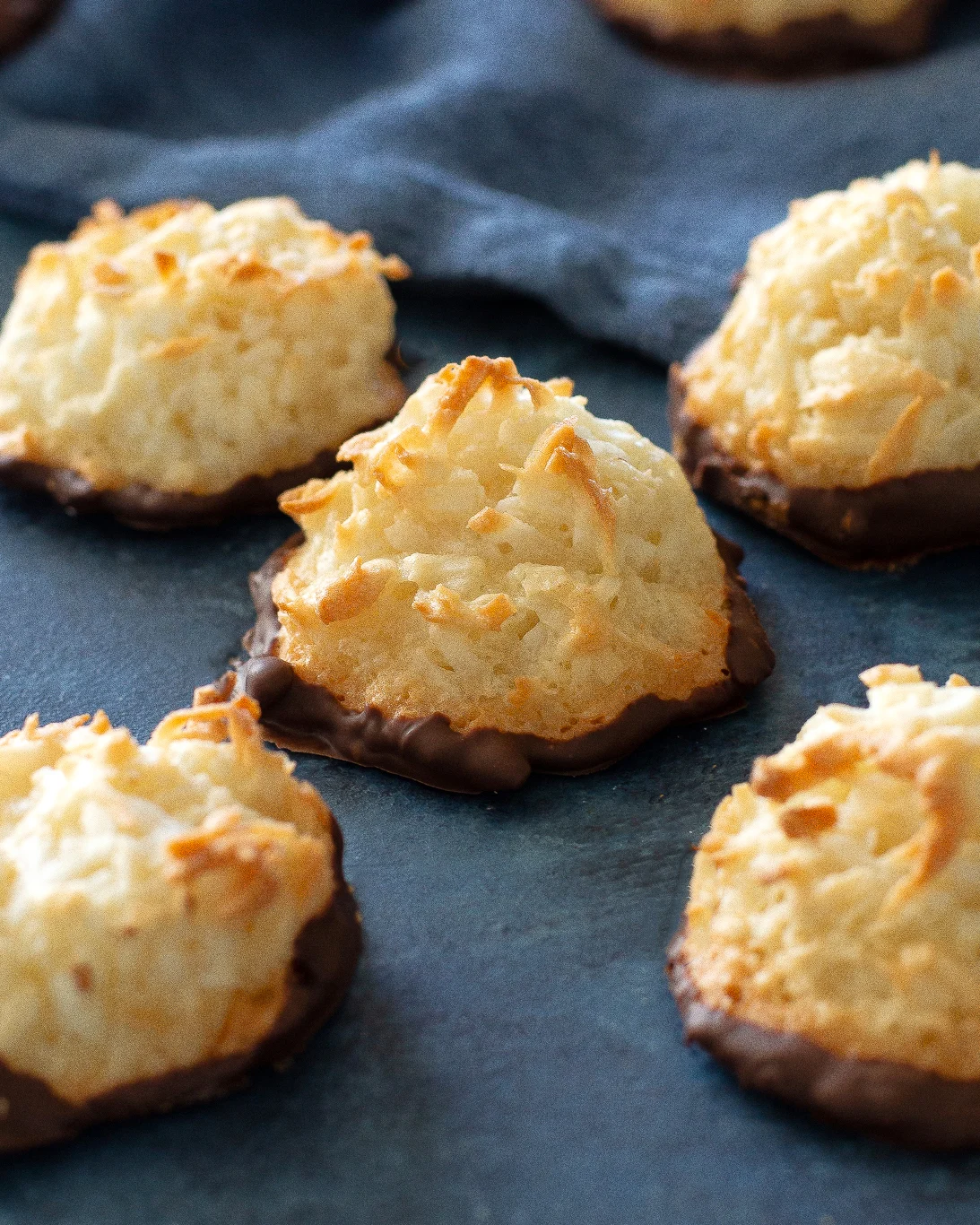
Coconut macaroons, a delightful confection that has graced dessert tables for generations, are a testament to the simple yet profound pleasure of a well-crafted cookie. These small, sweet delights, characterized by their distinctive chewy interior and a satisfyingly crisp exterior, are primarily composed of shredded coconut, sugar, egg whites, and a touch of flour. Their inherent sweetness, coupled with a pleasing textural contrast, makes them a universally appealing treat. For those seeking an elevated experience, a simple dip in melted chocolate transforms these humble cookies into an even more decadent indulgence. While their versatility makes them a perennial favorite, coconut macaroons hold a special place in holiday celebrations, particularly during the Easter season, where their bright, inviting appearance and festive flavors align perfectly with the spirit of renewal and joy.
The genesis of the coconut macaroon, while not precisely documented with a singular historical event, is believed to have emerged from a desire to utilize readily available ingredients in a way that maximized flavor and texture. The core components – coconut, sugar, and eggs – are staples that have been incorporated into baking traditions across various cultures for centuries. The evolution of the macaroon likely involved experimentation with different binding agents and proportions, leading to the beloved recipe that exists today. Early iterations may have varied significantly, but the current iteration, focusing on achieving that signature chewiness, has become a benchmark for this popular cookie.
A critical distinction often arises when discussing these coconut confections: the difference between macaroons and macarons. While their names are phonetically similar, their origins, ingredients, and preparation methods are worlds apart. Macaroons, pronounced "mack-a-roon," are the Americanized coconut cookie described, known for their rustic charm and straightforward assembly. In contrast, macarons, pronounced "mac-a-rohn," are a delicate French creation. These are sophisticated meringue-based sandwich cookies, meticulously crafted with almond flour and filled with luscious buttercream, rich ganache, or vibrant fruit preserves. The textural contrast between the crisp shell and the soft, yielding filling of a macaron is a hallmark of its artisanal appeal, setting it apart from the more robust and chewy coconut macaroon. Understanding this distinction is crucial for both bakers and consumers to avoid confusion and appreciate the unique characteristics of each.
The recipe for a classic coconut macaroon often diverges from some common variations. A prevalent approach in many recipes involves the use of sweetened condensed milk as a primary binder. However, extensive testing and culinary expertise have revealed that an egg white-based formulation yields a superior result in terms of achieving the quintessential chewy texture that defines an exceptional macaroon. While both methods can produce edible results, the egg white version is often lauded for its ability to impart a more satisfying chew and a lighter overall consistency, preventing the macaroon from becoming overly dense or cloying. This nuanced difference in formulation significantly impacts the final product, highlighting the importance of ingredient selection and method in achieving optimal results.
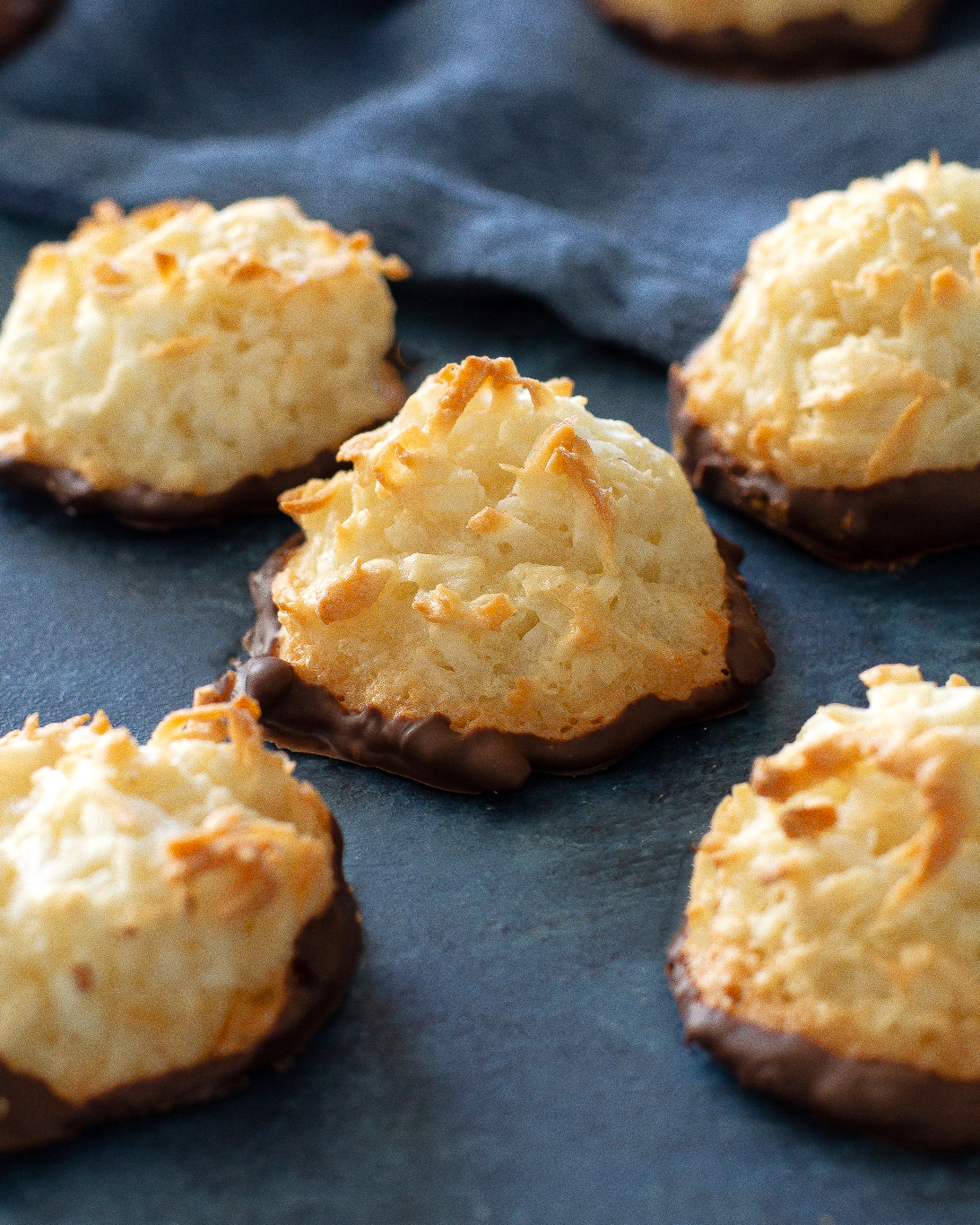
The Foundation of Flavor: Ingredients for Coconut Macaroons
Crafting perfect coconut macaroons begins with a careful selection of high-quality ingredients. While specific quantities are best detailed in a comprehensive recipe, the core components are fundamental to achieving the desired taste and texture.
- Shredded Coconut: The star of the show, shredded coconut provides the primary flavor and textural base. Sweetened shredded coconut is commonly used, contributing to the overall sweetness of the cookie. The fineness or coarseness of the shred can influence the final texture; finer shreds tend to blend more seamlessly, while larger flakes can offer more distinct chewy pockets.
- Sugar: Granulated sugar is essential for sweetness and also plays a crucial role in achieving the desired crisp exterior. It contributes to the browning process during baking, enhancing both visual appeal and flavor.
- Egg Whites: As highlighted, egg whites are the preferred binder in many acclaimed recipes. They provide structure and moisture, and when whipped, can contribute a slight lightness to the cookie. The protein in egg whites coagulates when heated, binding the other ingredients together and creating the characteristic chewy interior.
- Flour: A small amount of all-purpose flour is typically included. It acts as a stabilizer, helping to hold the macaroon’s shape and providing a slight structure to prevent excessive spreading. It also contributes to the cookie’s overall chewiness.
- Vanilla Extract: A touch of vanilla extract enhances the overall flavor profile, adding a warm, aromatic depth that complements the coconut and sugar.
- Salt: A pinch of salt is often added to balance the sweetness and amplify the other flavors present in the cookie.
For those seeking an enhanced indulgence, additional ingredients can elevate the macaroon experience:
- Melted Chocolate: Dark, milk, or white chocolate, melted and used for dipping or drizzling, adds a layer of richness and a delightful textural contrast. This is a popular finishing touch that transforms a simple cookie into a more sophisticated dessert.
The Art of Creation: Crafting Coconut Macaroons
The process of making coconut macaroons is generally straightforward, making them an accessible baking project for enthusiasts of all skill levels. The methodology emphasizes combining ingredients to achieve the perfect consistency for shaping and baking.
- Preparation: Begin by preheating your oven to the recommended temperature and preparing baking sheets by lining them with parchment paper. This prevents sticking and ensures even baking.
- Mixing the Base: In a large bowl, combine the shredded coconut, sugar, flour, and salt. Whisk these dry ingredients together to ensure they are evenly distributed.
- Incorporating Binders: In a separate bowl, lightly whisk the egg whites and vanilla extract. Gradually add the wet ingredients to the dry ingredients, mixing until a cohesive, moist dough forms. The consistency should be thick enough to hold its shape when scooped.
- Shaping the Macaroons: Using a spoon or a cookie scoop, drop rounded portions of the dough onto the prepared baking sheets. The macaroons can be left in rustic mounds or gently shaped for a more uniform appearance.
- Baking: Bake the macaroons for the specified time, or until they are golden brown around the edges and lightly golden on top. The baking time is critical for achieving the desired crisp exterior and chewy interior. Overbaking can lead to a dry cookie, while underbaking may result in a macaroon that is too soft.
- Cooling: Allow the macaroons to cool on the baking sheets for a few minutes before transferring them to a wire rack to cool completely. This allows them to set properly.
- Optional Chocolate Dip: Once completely cooled, melt your chosen chocolate. Dip the bottoms of the macaroons into the melted chocolate, or drizzle the chocolate over the tops. Allow the chocolate to set before serving.
Culinary Context and Broader Impact
The enduring popularity of coconut macaroons can be attributed to several factors. Their relative ease of preparation makes them an accessible option for home bakers, while their appealing taste and texture satisfy a broad range of palates. In an era where culinary trends often favor complex and time-consuming creations, the humble macaroon offers a comforting and reliable sweetness.
Furthermore, the macaroon’s adaptability makes it a valuable asset in various culinary contexts. It serves as an excellent component in dessert buffets, offering a bite-sized indulgence that complements other sweet offerings. Its portability also makes it ideal for packed lunches, school treats, or as a simple pick-me-up during the day. The seasonal association with Easter, as mentioned, highlights its ability to integrate into festive traditions, adding a touch of homemade charm to holiday gatherings.
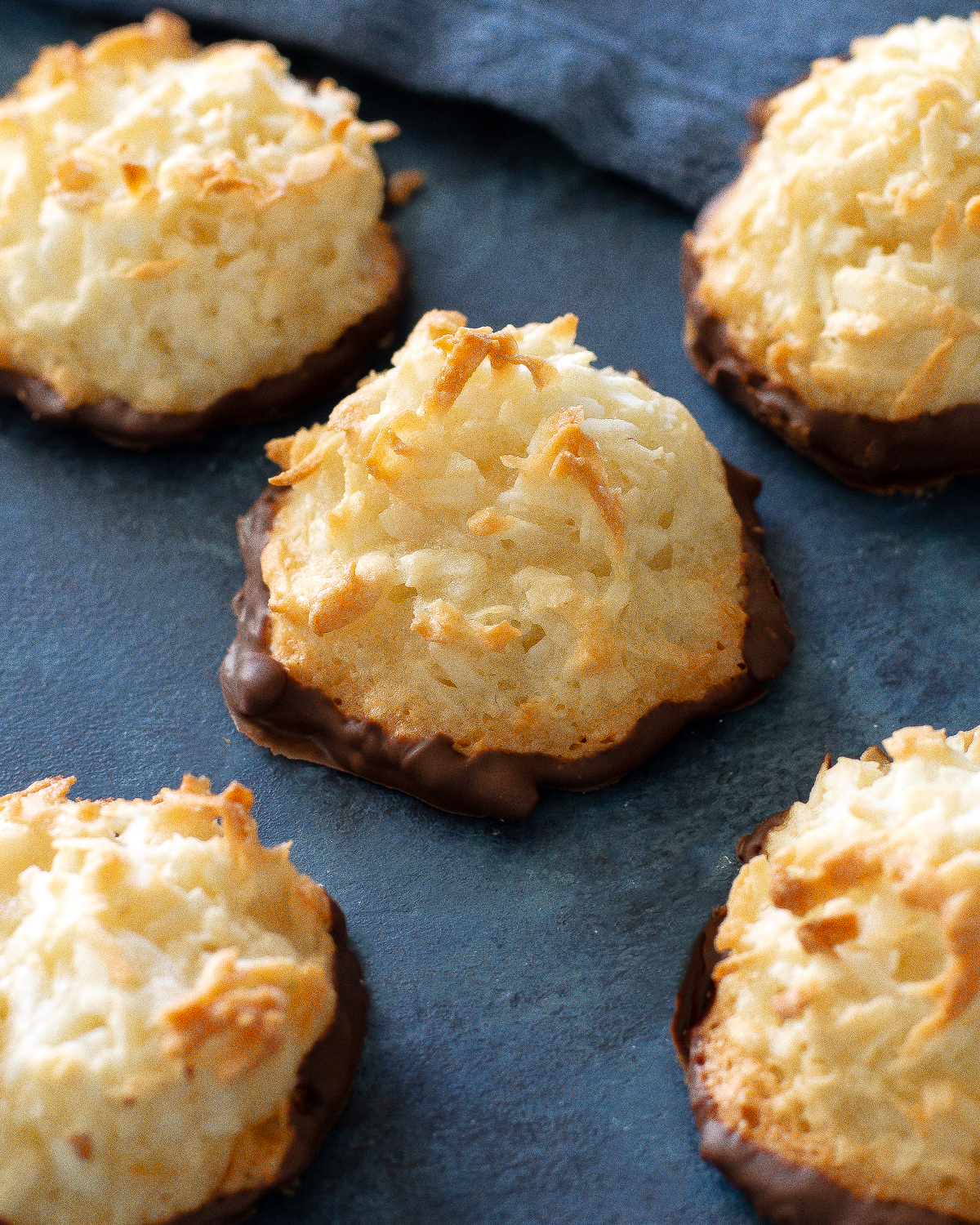
The economic implications, though perhaps small on a global scale, are significant for local bakers and specialty food producers. The consistent demand for such classic treats supports small businesses and artisanal confectioners. Moreover, the cultural significance of these recipes, passed down through generations, contributes to the preservation of culinary heritage. Recipes like that for coconut macaroons represent a tangible link to family traditions and shared memories, fostering a sense of continuity and belonging.
Exploring Variations and Related Recipes
While the classic coconut macaroon remains a beloved staple, the culinary world offers numerous avenues for exploration and variation. These often involve subtle adjustments to ingredients or the incorporation of additional flavorings.
- Lemon Zest Macaroons: Adding a teaspoon or two of fresh lemon zest to the dough can impart a bright, citrusy note that beautifully cuts through the sweetness of the coconut and sugar.
- Almond Extract Macaroons: Substituting or augmenting the vanilla extract with almond extract can introduce a nutty undertone that pairs exceptionally well with coconut.
- Chocolate Chip Macaroons: Mini chocolate chips folded into the dough can create delightful pockets of melted chocolate within the chewy macaroon, offering a more decadent experience.
- Spiced Macaroons: A pinch of cinnamon or nutmeg can add warmth and complexity, particularly during cooler months.
Beyond variations on the macaroon itself, a wealth of other coconut-centric recipes exists, each celebrating the tropical fruit in its own unique way:
- Coconut Cream Pie: A classic American dessert featuring a rich, creamy coconut custard filling encased in a flaky pie crust, often topped with meringue.
- Coconut Cake: Ranging from simple, moist cakes to elaborate layered creations, coconut cake is a perennial favorite, often featuring coconut milk or shredded coconut in the batter and a creamy coconut frosting.
- Toasted Coconut Flakes: A simple yet versatile topping or snack, toasted coconut flakes offer an intensified nutty flavor and a delightful crunch. They are perfect for garnishing yogurt, oatmeal, or baked goods.
- Coconut Cookies (other varieties): Beyond macaroons, numerous other coconut cookie recipes exist, including chewy coconut drops, crisp coconut wafers, and coconut shortbread.
In conclusion, the coconut macaroon stands as a testament to the power of simple ingredients transformed into a delightful culinary experience. Its comforting texture, sweet flavor, and versatile nature ensure its continued presence on dessert tables, from everyday occasions to festive celebrations. Whether enjoyed in its classic form or enhanced with a chocolatey embrace, the coconut macaroon remains a cherished treat, embodying the joy of baking and the enduring appeal of a perfectly executed sweet.