
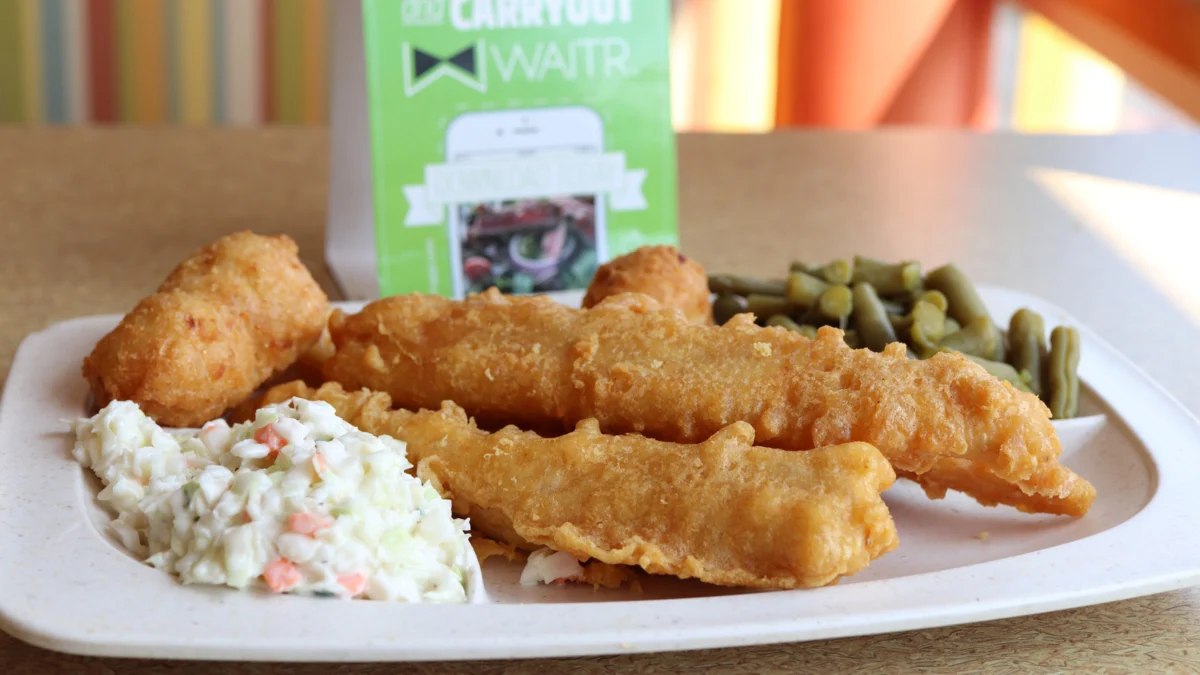
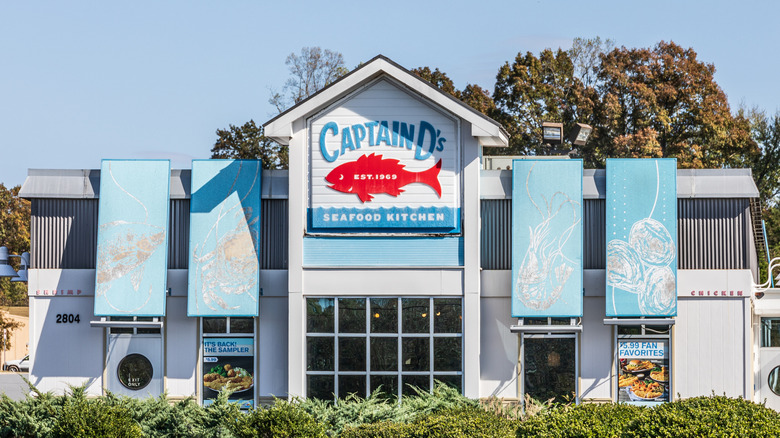
Captain D’s Seafood Kitchen, a fast-casual chain with nearly 300 locations across 23 U.S. states, is facing a wave of customer dissatisfaction and speculation following a recent, undisclosed change to its signature battered fish. For 57 years, Captain D’s has been a staple for seafood lovers seeking fried fish, shrimp, and other oceanic fare. However, a shift in the taste and texture of its iconic battered fish fillets has left patrons questioning the ingredients and voicing concerns about quality. The company has acknowledged a change but has remained tight-lipped about the specifics, fueling a growing rumor mill that points to the use of swai, a type of fish with a controversial reputation.
The stir began in mid-2025 when customers started noticing a marked difference in their beloved battered fish. Reports varied, with some describing the fillets as suddenly heavy and unnaturally firm, while others found them disappointingly mushy. A recurring theme, however, was a peculiar, chicken-like taste and texture, a characteristic that many found jarring for a seafood dish, especially for a restaurant that also offers well-regarded fried chicken. Beyond the taste and texture, consumers also observed a reduction in fillet size and a less desirable coating, described as limp rather than the once-prized crunch. "Not only were the planks skinnier, but the fish was tough and it was more batter than anything," one user lamented on Reddit, a sentiment echoed by many across various online platforms. This widespread discontent quickly led to accusations that Captain D’s had switched from pollock, a fish previously associated with the chain, to swai, a less expensive and more controversial white fish.
Captain D’s finally broke its silence in February 2026, confirming the alteration in a comment on a Facebook video. The company stated, "we have recently changed our fish due to market availability, but … we’re listening to all feedback." Despite this admission, Captain D’s has refrained from identifying the specific fish now used in its battered fillets. This lack of transparency has intensified customer suspicion, with swai emerging as the prime suspect due to a confluence of historical menu information, customer observations, and industry trends.
The Shifting Sands of Captain D’s Fish Identity
A closer examination of Captain D’s past statements and menu evolution reveals a narrative that supports the swai theory. In a 2017 YouTube video, a chef explicitly mentioned that the batter-dipped fish was made with pollock. However, a more recent press release from Captain D’s highlighted tilapia as one of its signature ingredients. Further complicating the picture, a page on the Captain D’s website detailing its ingredients once listed pollock, tilapia, and a general "white fish." Today, that page only refers to an ambiguous "white fish." This deliberate vagueness, coupled with the company’s reluctance to specify the current fish, has only fueled the speculation.
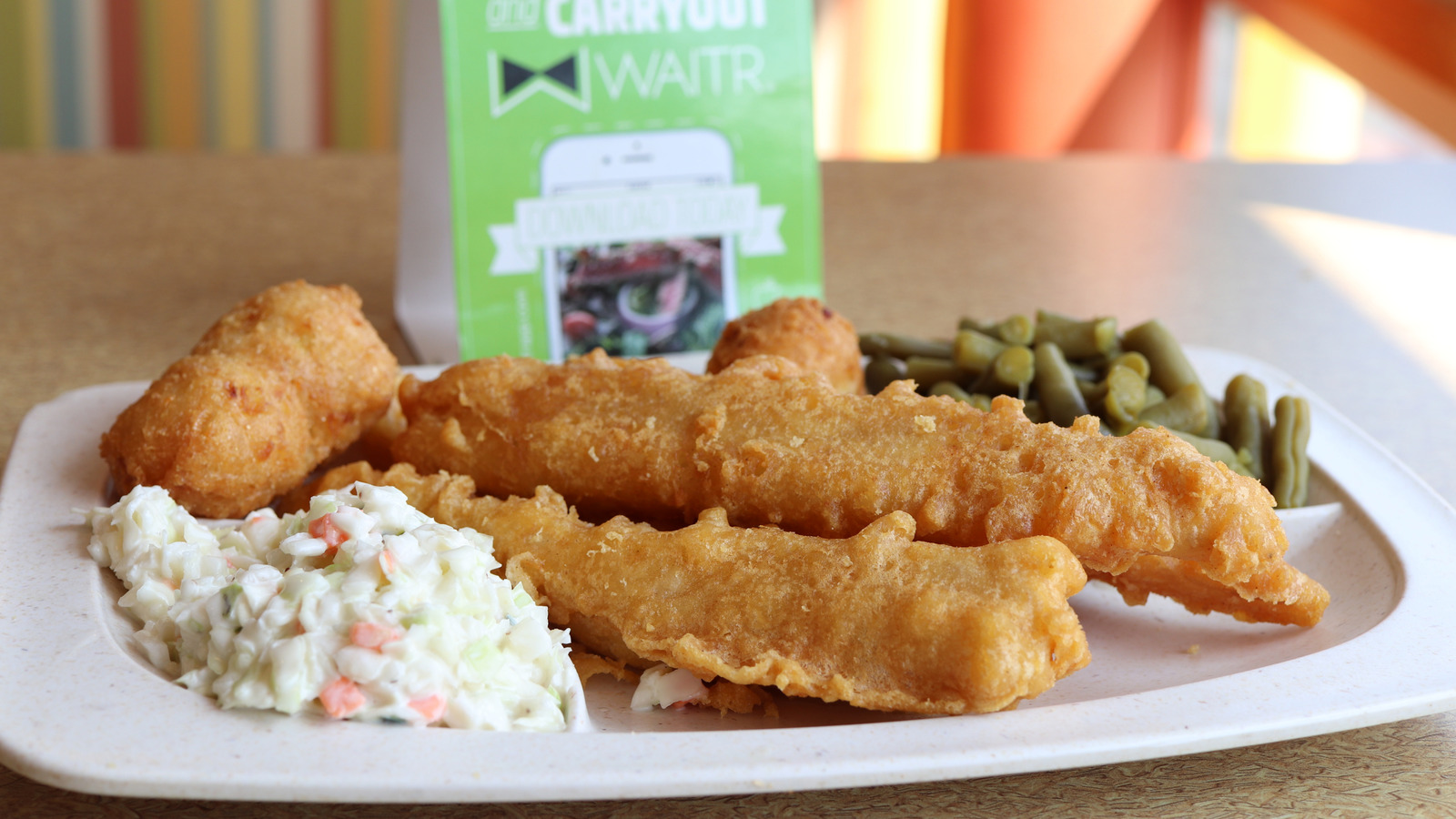
The swai rumor gained significant traction in 2025 when a customer directly accused the company of using swai in a Facebook post. Captain D’s response to this accusation was notably non-committal, neither confirming nor denying the claim. This evasiveness further solidified the suspicion among many customers. Adding to the intrigue are purported images circulating online, allegedly showing menus and fact sheets that identify Captain D’s batter-dipped fish as farm-raised swai from Vietnam. One such image was shared on the Facebook page Mississippi News, with a caption referencing a new law requiring restaurants to disclose the origin of their fish. While the authenticity of these images remains unverified, they contribute to the growing body of circumstantial evidence suggesting a switch to swai.
What is Swai, and Why the Controversy?
Swai, a type of catfish native to Southeast Asia, particularly Vietnam, is a fish that garners mixed reactions. Its flavor is often described as mild and slightly sweet, with a delicate texture that can be flaky, similar to tilapia. Captain D’s own description of its "white fish" as "sweet and mild flavored fish" aligns with this flavor profile. However, despite its generally inoffensive taste, swai has become embroiled in significant controversies that explain why its alleged inclusion at Captain D’s has ignited such an uproar among consumers.
One of the primary concerns surrounding swai is its farming practices. Much of the swai consumed in the U.S. is imported from Vietnam, where, historically, some farms have faced criticism for unhygienic conditions and environmentally damaging practices, including the illegal discharge of liquid waste into surrounding waterways. The notion that fish may be raised in such contaminated environments raises serious health and ethical questions for consumers. Furthermore, wild-caught swai can absorb heavy metals, plastic residue, and other toxins from polluted waters, potentially posing risks to human health.
Beyond the environmental and health concerns, swai has also developed a reputation as a low-quality imposter in the culinary world. Its exceptionally low cost has led some establishments to pass it off as more expensive fish species, contributing to its image as a budget-friendly, and sometimes deceptive, ingredient. This practice has further tarnished swai’s reputation, making consumers wary of its presence on menus.
Implications of a Potential Fish Swap
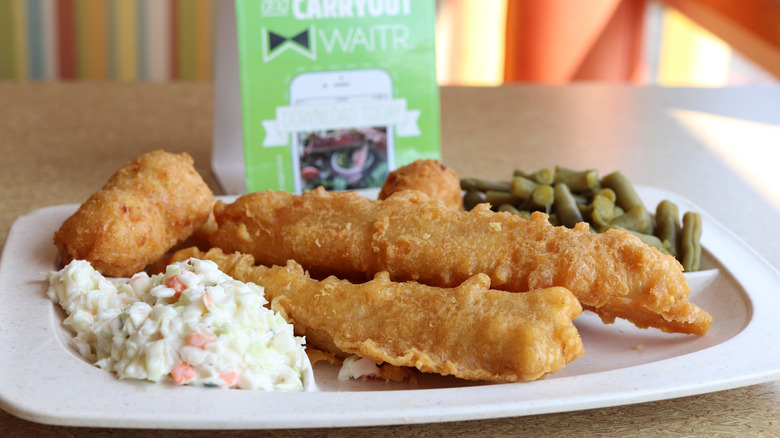
The potential switch to swai has significant implications for Captain D’s reputation and its customer base. For many, the perceived downgrade in taste and texture is a primary concern. The reported shift from a light, flaky consistency to something heavier, firmer, or mushier, accompanied by a "chicken-like" flavor, is a departure from what customers have come to expect. This change could alienate loyal patrons who have enjoyed the restaurant’s signature fish for years.
Moreover, the alleged cost-cutting measure of switching to a cheaper fish like swai, while potentially boosting profit margins, could be viewed by consumers as a betrayal of quality. This perception can severely damage brand loyalty and lead to a decline in sales. In an era where consumers are increasingly conscious of ingredient sourcing and ethical practices, opting for a fish with a controversial background could prove detrimental to the brand’s long-term standing.
The timing of this alleged switch may also be linked to global market dynamics. U.S. tilapia imports experienced a significant drop in 2025, largely attributed to government tariffs. If Captain D’s was indeed using tilapia prior to this change, the reduced availability and increased cost of tilapia would provide a strong incentive to seek out a more economically viable alternative, such as swai. This aligns with the company’s explanation of "market availability" issues.
Customer Reactions and Future Outlook
The outcry from Captain D’s customers has been palpable. Social media platforms and online forums are rife with complaints, comparisons to past experiences, and demands for transparency. Many express a sense of disappointment and a feeling that the restaurant chain has prioritized profit over the quality and satisfaction of its patrons. Some customers have explicitly stated they will avoid swai at all costs, leading to a potential boycott or a significant reduction in orders of the battered fish.
The lack of a clear, definitive statement from Captain D’s regarding the fish used in its battered fillets leaves customers in a state of uncertainty and frustration. While the company claims to be "listening to all feedback," its silence on the specific ingredient leaves the door open for continued speculation and discontent. It is possible that Captain D’s may eventually disclose the fish used, or it may continue to rely on the ambiguous "white fish" designation. However, the current situation highlights the critical importance of transparency in the food industry, particularly for brands that have built their reputation on specific product qualities.
Ultimately, the future of Captain D’s battered fish hinges on the company’s ability to address customer concerns effectively. Whether through a return to previous ingredients, a more transparent communication strategy, or a demonstrable commitment to sourcing higher-quality fish, Captain D’s faces a challenge in rebuilding trust. The "market availability" explanation, while potentially factually correct, has not resonated with a customer base that values consistency and perceived quality in their dining choices. Until a more satisfactory resolution is reached, the mystery surrounding Captain D’s battered fish is likely to continue to be a point of contention for its dedicated, and increasingly concerned, clientele.