
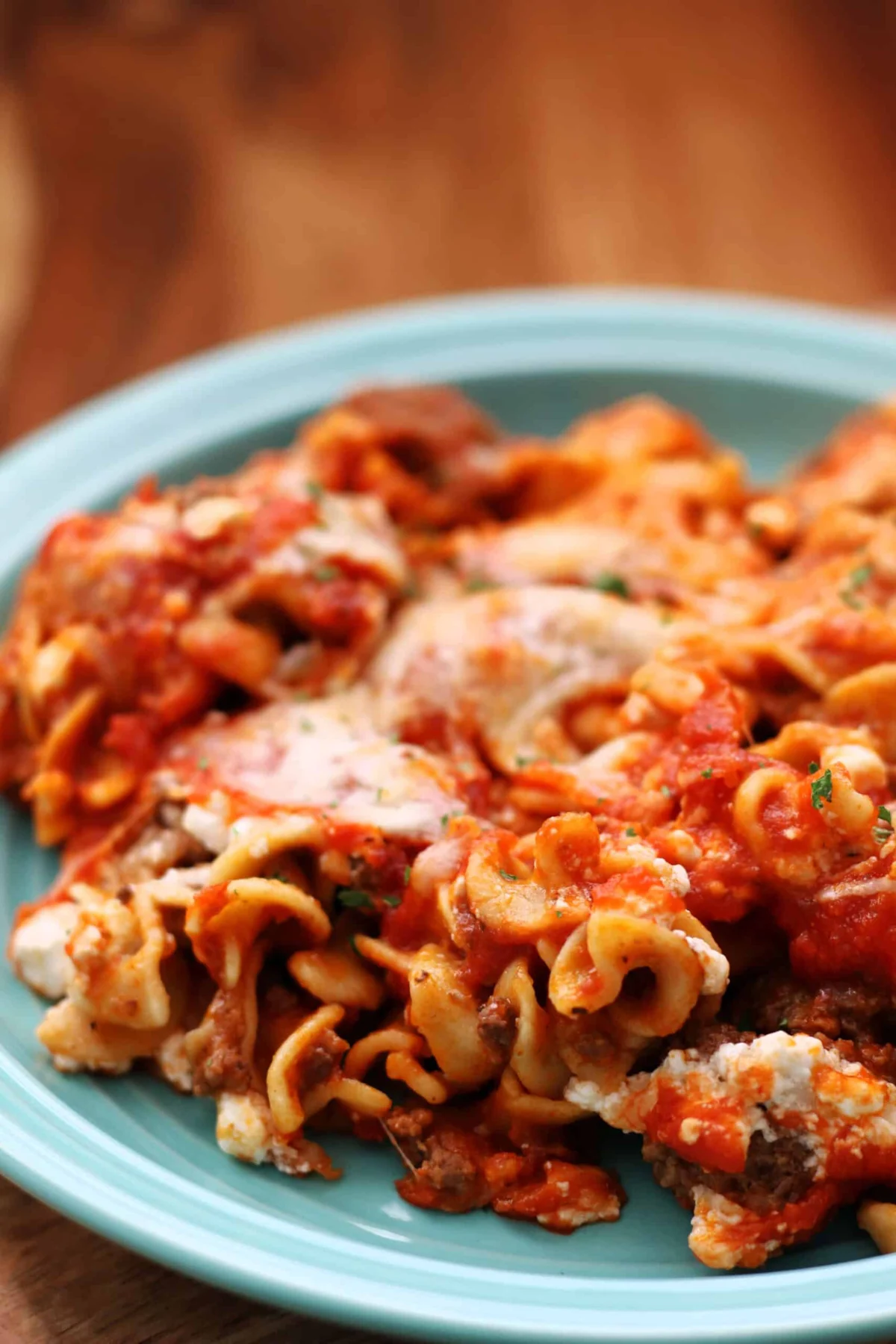
Historical Context and the Resurgence of Vintage Comfort
The Beef Lombardi Casserole finds its roots in the post-World War II era of American cooking, a period defined by the rise of suburban entertaining and the democratization of "gourmet" flavors through accessible ingredients. During the 1960s, casseroles became the hallmark of middle-class hospitality. They were designed to be "company-ready," meaning they could be prepared in advance, served in a single decorative dish, and provide a hearty, crowd-pleasing experience. The original versions of this recipe, frequently cited on digital recipe repositories such as Food.com, utilized the oven as the primary heat source, requiring separate boiling of pasta and browning of meat.

The resurgence of the Beef Lombardi Casserole in the 2020s is part of a larger cultural phenomenon known as "nostalgia cooking." As global economic pressures and social shifts drive consumers back to the kitchen, there is a documented increase in the search for "retro" recipes that offer emotional comfort and caloric density. By utilizing the Instant Pot, home cooks are able to replicate these complex, layered flavors in a fraction of the time, effectively merging the culinary aesthetics of the mid-20th century with the mechanical precision of the 21st.

The Instant Pot Adaptation: A Technical Overview
The transition of the Beef Lombardi Casserole from a conventional oven to a multi-cooker environment requires a specific understanding of pressure cooking mechanics. Unlike traditional baking, where moisture evaporates and flavors concentrate through dry heat, pressure cooking relies on trapped steam to cook ingredients rapidly. This necessitates a precise ratio of liquid to solids to avoid the "Burn" notice—a common fail-state in modern electric pressure cookers.

Procedural Chronology
The modern preparation of Beef Lombardi Casserole follows a strict chronological sequence designed to maximize flavor extraction while minimizing cleanup. The process begins with the "Sauté" function, an essential feature of the Instant Pot that allows for the Maillard reaction—the chemical reaction between amino acids and reducing sugars that gives browned meat its distinctive savory flavor.

- Protein Preparation: Ground beef is browned alongside diced onions. This stage is critical for developing the base flavor profile. Following the browning process, excess grease is drained to ensure the final casserole maintains a cohesive texture rather than becoming oily under pressure.
- Deglazing and Seasoning: The introduction of beef broth serves a dual purpose: it provides the necessary thin liquid for the pot to reach pressure and allows the cook to "deglaze" the bottom of the stainless steel insert. Scraping away the "fond" (the browned bits of meat) is a vital step in preventing scorched-surface errors during the high-heat pressure cycle.
- Layering Strategy: To maintain the structural integrity of the noodles, they are placed on top of the meat and liquid rather than stirred in. Half of the marinara or pasta sauce is then spread over the noodles. This layering prevents the starch in the pasta from settling at the bottom of the pot, which could lead to uneven cooking.
- The Pressure Cycle: The device is set to manual pressure for a remarkably short duration—often as little as one minute. However, the "active" cooking time is supplemented by a 10-minute natural pressure release (NPR). This allows the residual heat to finish cooking the egg noodles gently, preventing them from becoming mushy.
- The Dairy Integration: Post-pressure, a mixture of cottage cheese, sour cream, and Parmesan is introduced. In a traditional oven-baked casserole, these would be layered before cooking. In the Instant Pot version, they are added afterward to maintain their creamy consistency and prevent curdling under high pressure.
- Finishing and Texturizing: The final stage involves adding mozzarella and achieving the "melt." For users with an air fryer lid attachment, the dish can be finished directly in the pot at 350°F. For those without, the insert is transferred to a conventional oven for a brief broil.
Supporting Data: The Efficiency of One-Pot Cooking
Market research into kitchen appliance usage indicates a sustained growth in the multi-cooker segment. According to industry analysts, the appeal of recipes like the Beef Lombardi Casserole lies in the reduction of "active labor time." While a traditional oven-baked casserole might require 45 to 60 minutes of baking plus 20 minutes of stovetop prep, the Instant Pot version reduces the total "hands-on" time by approximately 40%.

Furthermore, the "one-pot" nature of the dish addresses a significant pain point for modern consumers: post-meal cleanup. By browning, pressure cooking, and occasionally air-frying in a single vessel, the cook reduces the dishwashing load significantly. This efficiency is a primary driver for the popularity of "365 Days of Crockpot" and similar culinary platforms that specialize in streamlined home cooking.

Nutritional and Ingredient Analysis
The Beef Lombardi Casserole is a calorie-dense meal, providing a significant balance of macronutrients.

- Ground Beef: Provides high-quality protein and essential minerals like iron and B12.
- Egg Noodles: Serve as the primary carbohydrate source, offering quick energy.
- Cottage Cheese and Sour Cream: These dairy components provide calcium and fats that contribute to the "mouthfeel" of the dish. Notably, the use of cottage cheese is a classic "Company Casserole" trait, often used as a more accessible and cost-effective alternative to ricotta cheese while maintaining a similar texture.
- Marinara Sauce: Adds acidity to balance the richness of the fats, as well as lycopene from the cooked tomatoes.
Culinary experts often suggest substitutions to modernize the dish further, such as using ground turkey for a leaner profile or gluten-free noodles for those with dietary restrictions. However, the "authentic" Lombardi experience relies on the specific synergy of beef and egg noodles.

Broader Impact and Culinary Implications
The success of the Beef Lombardi Casserole in the digital space highlights the power of "community-driven" culinary evolution. Recipes that were once passed down through physical recipe cards or church cookbooks are now being optimized by food bloggers and shared via platforms like Pinterest. This digital transmission ensures that "old-fashioned" recipes do not become obsolete but are instead adapted to fit the hardware of the modern kitchen.

From a journalistic perspective, the Beef Lombardi Casserole serves as a case study in how technology can preserve tradition. It represents a bridge between generations; a child of the 1960s might recognize the flavor, while a millennial or Gen Z parent appreciates the 20-minute turnaround time. The dish’s ability to "chowed down" by families, as noted by recipe testers, underscores its enduring status as a universal comfort food.

As the "Instant Pot" continues to be a staple in the American kitchen—despite the corporate restructuring of its parent company, Instant Brands—the demand for reliable, high-protein, noodle-based casseroles remains high. The Beef Lombardi Casserole is not merely a meal; it is a reflection of the American domestic experience: a constant search for the balance between the warmth of the past and the speed of the present.

Conclusion and Future Outlook
Looking forward, the trend of adapting vintage casseroles for pressure cookers and air fryers is expected to expand. As more households acquire "hybrid" appliances that can both pressure cook and crisp, recipes like the Beef Lombardi Casserole will become even more seamless. The dish stands as a testament to the versatility of ground beef and pasta, proving that with the right seasoning and a bit of technological assistance, a 60-year-old recipe can remain a "company-worthy" centerpiece in the modern era.