
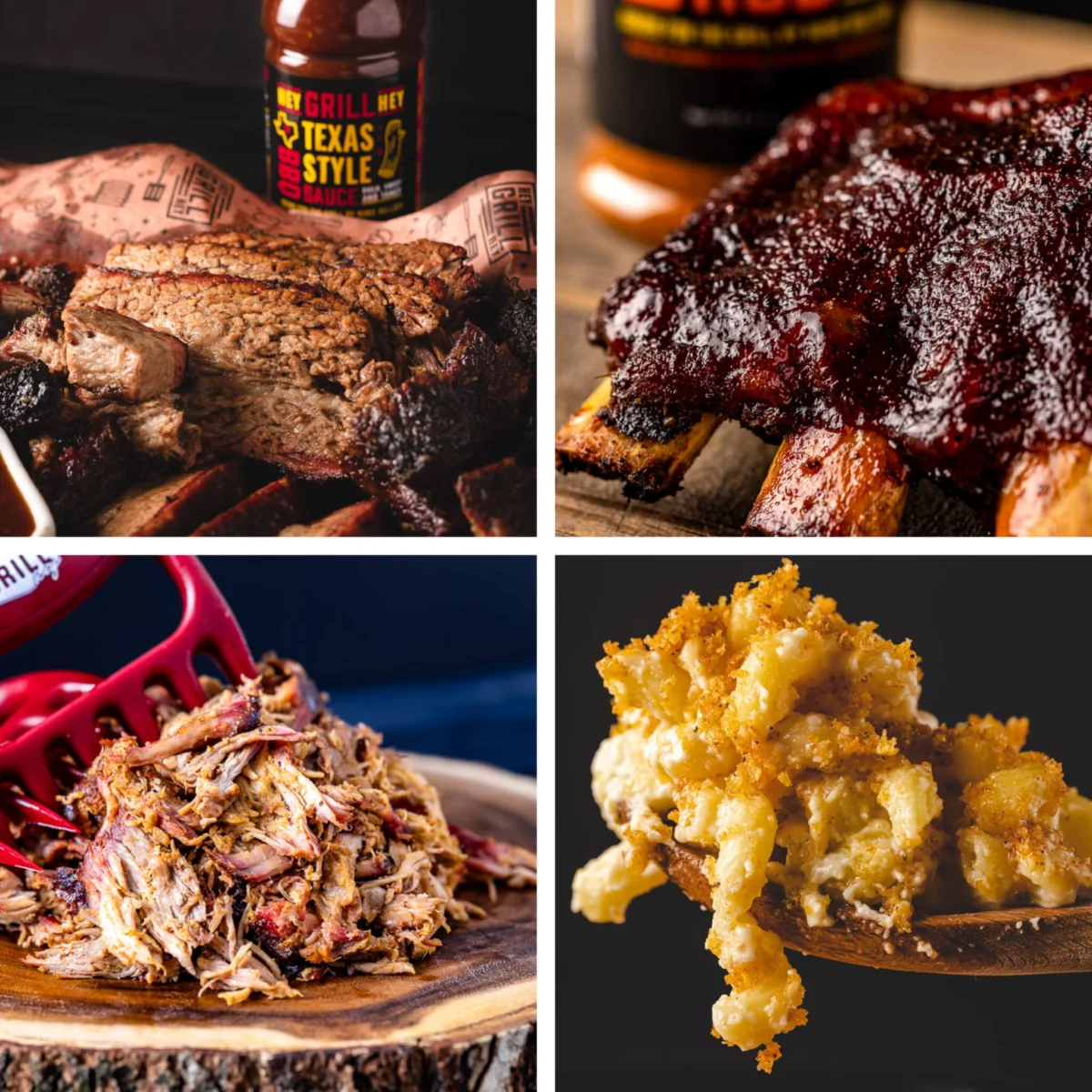
The landscape of American backyard barbecue has undergone a significant transformation over the last decade, transitioning from a guarded collection of regional secrets to a transparent, data-driven digital community. At the forefront of this movement is Susie Bulloch, the founder of Hey Grill Hey, who recently marked an 11-year milestone in her professional culinary career. Bulloch’s influence is quantified not merely by her media appearances on the Food Network or her collaborations with cultural icons like Shaquille O’Neal, but by a staggering metric of consumer engagement: her primary recipes have been utilized by home cooks more than 50 million times. This volume of data provides a unique window into the tastes and technical preferences of the modern "Backyard BBQ Hero," a term Bulloch uses to describe the amateur pitmasters who have embraced low-and-slow cooking methods.

The evolution of Bulloch’s brand from a family-focused blog to a professional enterprise mirrors the broader growth of the outdoor cooking industry, which saw a historic surge between 2014 and 2024. During this period, the democratization of high-quality smoking technology—specifically the rise of pellet grills and digital temperature controllers—allowed the average consumer to attempt complex meats like brisket and ribs with increased confidence. The "Top 11" list curated by Bulloch represents the intersection of culinary tradition and digital accessibility, serving as a benchmark for what constitutes successful home barbecue in the 21st century.
The Foundation of Flavor: The Science of Dry Rubs
In the hierarchy of barbecue, seasoning serves as the critical first step in the chemical reaction known as the Maillard reaction, which creates the flavorful "bark" or crust on smoked meats. According to Bulloch’s internal metrics, the "Best Dry Rub for Ribs" stands as the most popular recipe on her platform. This specific blend utilizes a balance of sweet, smoky, and savory notes, designed to complement both baby back and St. Louis-style spare ribs.

Technically, the success of a dry rub depends on the hygroscopic nature of its ingredients. Sugar, typically in the form of dark brown sugar, provides the base for caramelization, while salt penetrates the muscle fibers to retain moisture. Bulloch’s secondary popular seasoning, the "Homemade Sweet Rub," expands on this by incorporating smoked paprika, garlic powder, and cayenne. This profile is engineered for versatility, moving beyond pork to enhance roasted vegetables and grilled seafood. The popularity of these rubs reflects a consumer shift toward DIY pantry staples, as home cooks seek to avoid the preservatives and anti-caking agents often found in commercial, store-bought alternatives.
The Brisket Benchmark and the Texas Influence
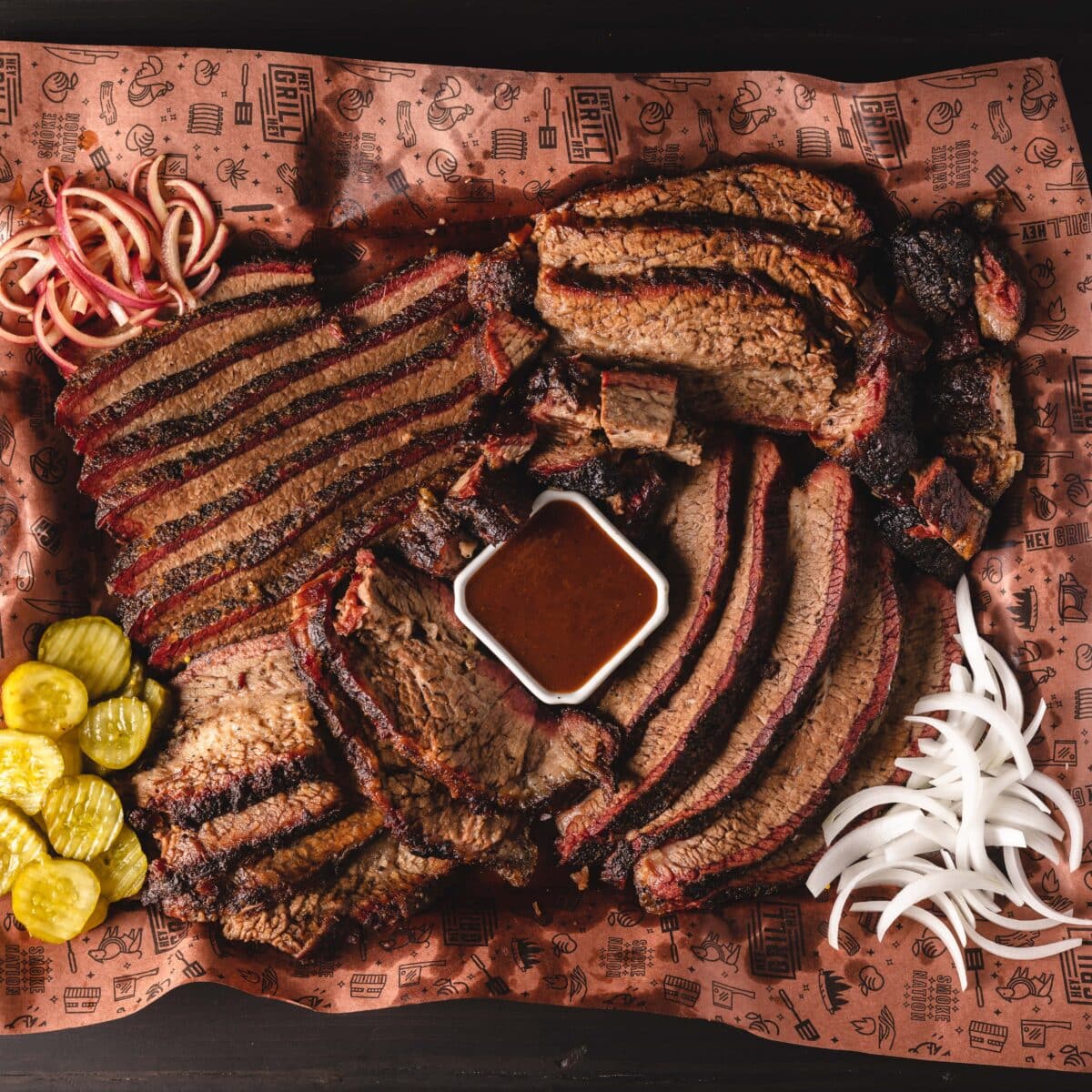
While ribs may be the most frequent entry point for beginners, Texas-Style Smoked Beef Brisket remains the ultimate test of a pitmaster’s skill. Bulloch’s methodology emphasizes a minimalist approach—salt, pepper, and time—which aligns with the Central Texas tradition popularized by figures like Aaron Franklin. The "Texas Style" requires a deep understanding of the "stall," a period during the cook where evaporative cooling causes the internal temperature of the meat to plateau, often for several hours.

The endurance of this recipe in the top rankings suggests that home cooks are increasingly willing to commit to 12-to-16-hour cook times to achieve restaurant-quality results. Supporting data from the hearth and barbecue industry indicates that brisket remains a high-demand cut despite fluctuating market prices, largely because it represents the pinnacle of the smoking craft. Bulloch’s version focuses on the "melt-in-your-mouth" texture, a result of the long-term breakdown of tough collagen into gelatin at internal temperatures reaching approximately 203 degrees Fahrenheit.
Technical Methodologies: The 3-2-1 Rib Strategy
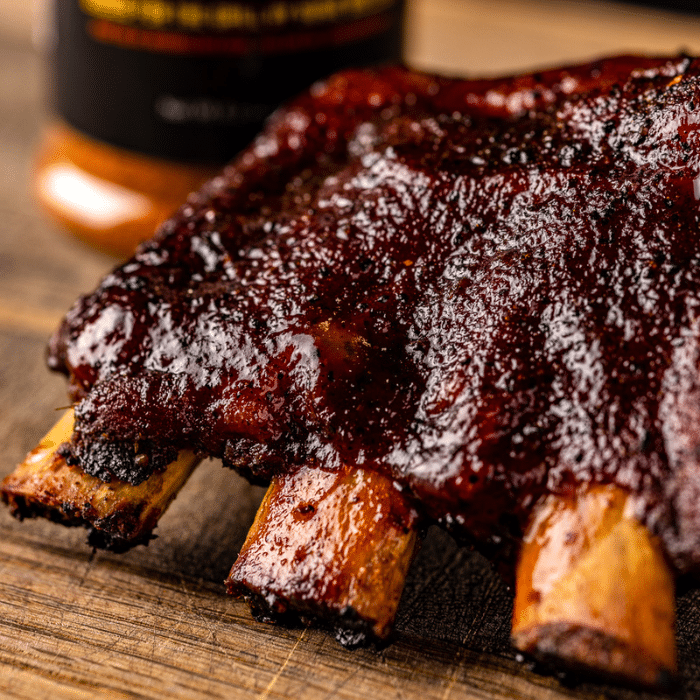
One of the most debated topics in professional barbecue circles is the "3-2-1" method for ribs. Bulloch’s inclusion of this method as her third most popular recipe highlights a divide between competition-style barbecue and home-style preferences. In a professional competition, judges typically look for a "clean bite"—meat that comes off the bone where you bite it but does not fall off entirely. However, the 50 million interactions on Hey Grill Hey suggest that the general public overwhelmingly prefers "fall-off-the-bone" tenderness.
The 3-2-1 chronology is structured as follows:
- Three Hours of Smoke: The meat is exposed to direct smoke to build flavor and color.
- Two Hours Wrapped: The ribs are encased in foil or butcher paper with a braising liquid (such as apple juice or cider vinegar), which steams the meat and accelerates tenderness.
- One Hour Unwrapped: The meat is glazed with sauce and returned to the heat to allow the sauce to "set" and tack up.
This method is frequently cited by community members like "Tammy," who noted that the process "never fails," underscoring the importance of standardized, repeatable results for the amateur cook.
Economic Adaptations: Poor Man’s Burnt Ends
As beef prices rose significantly in the early 2020s, the barbecue community sought more affordable alternatives to expensive cuts. This gave rise to "Poor Man’s Burnt Ends," a recipe that utilizes chuck roast instead of the traditional brisket point. Burnt ends are a staple of Kansas City barbecue, prized for their caramelized, candy-like exterior and fatty interior.
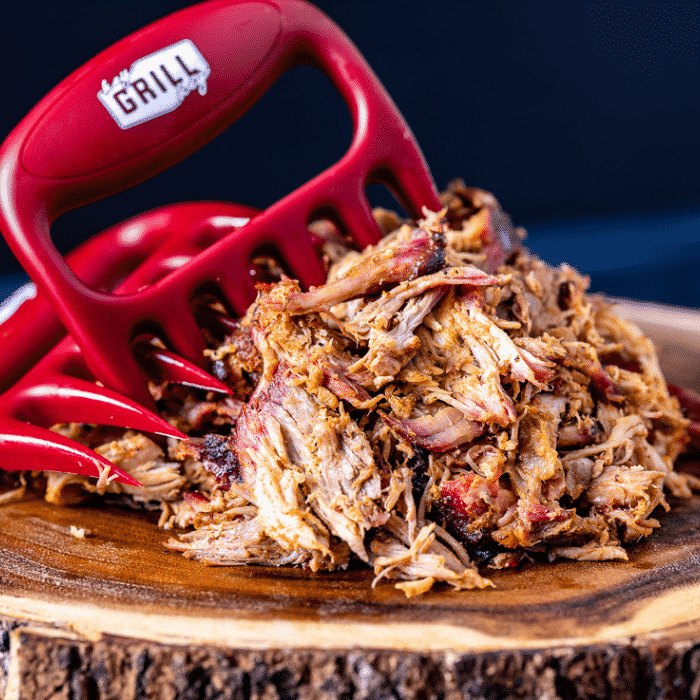
By applying the same low-and-slow smoking and cubing process to a chuck roast, Bulloch provided a gateway for consumers to enjoy a luxury barbecue experience at a fraction of the cost and time. A standard brisket can weigh 12 to 15 pounds and require nearly a full day of labor; a chuck roast is typically 3 to 5 pounds and can be completed in half the time. This adaptation illustrates a broader trend in the culinary world where "peasant food" techniques are applied to modern barbecue to maintain accessibility during periods of inflation.
Diversification into Poultry and Side Dishes
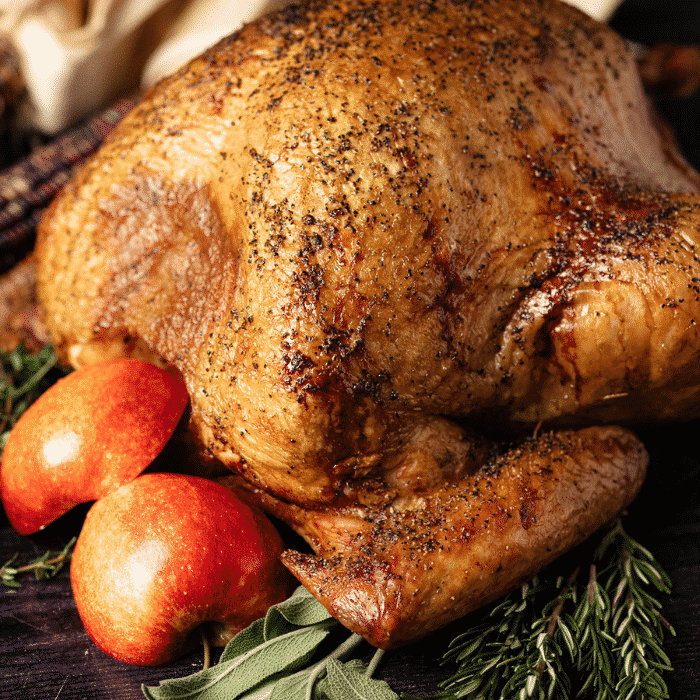
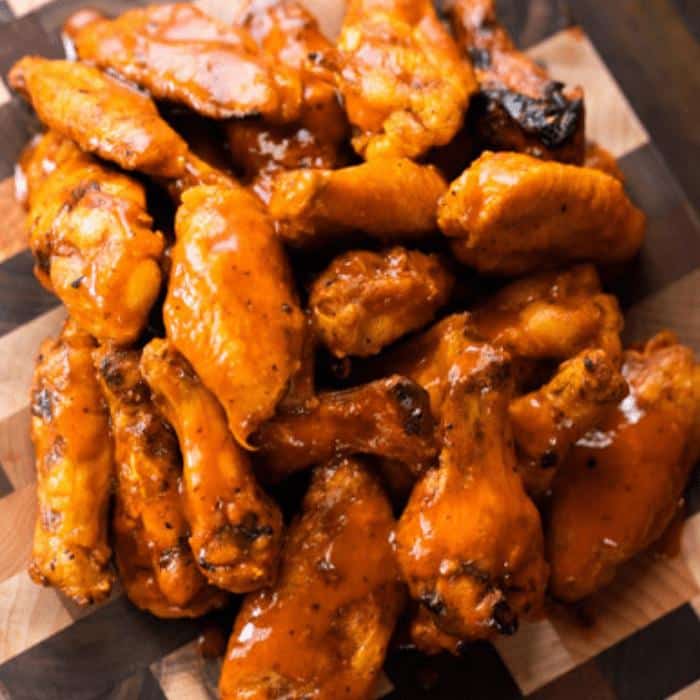
The Hey Grill Hey data reveals that barbecue is no longer confined to the "Big Three" (brisket, pork, and ribs). The "Best Smoked Turkey" and "Crispy Smoked Chicken Wings" represent a significant portion of annual traffic, particularly during the holiday seasons and major sporting events.
The technical challenge with poultry in a smoker is the skin. Unlike red meats, poultry skin can become rubbery if smoked at too low a temperature. Bulloch’s recipes address this by balancing smoke infusion with high-heat finishing techniques. For chicken wings, this involves a combination of dry-rubbing and specific temperature management to achieve "bite-through" skin.
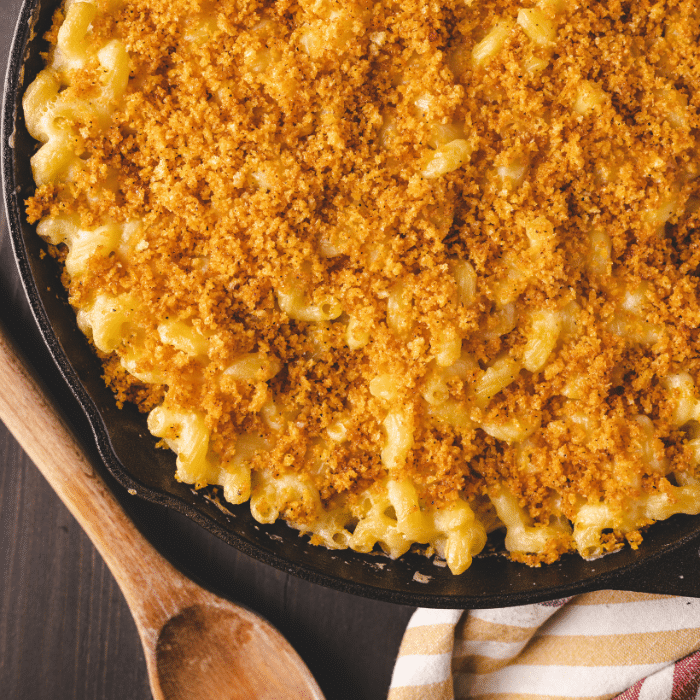
Furthermore, the "Smoked Mac and Cheese" recipe serves as a bridge between traditional outdoor cooking and comfort food. By utilizing a cast-iron skillet and a three-cheese blend topped with a panko crumble, this dish has become a primary side for backyard gatherings. The feedback from community members like Meredith G. suggests that these side dishes often rival the main proteins in popularity, indicating that the "barbecue experience" is increasingly viewed as a holistic meal rather than just a meat-centric endeavor.
The Role of the "Grill Squad" and Digital Education
The success of these 11 recipes is intrinsically linked to the educational infrastructure Bulloch has built, specifically "The Grill Squad." This platform offers in-depth pitmaster classes, reflecting a growing consumer demand for specialized knowledge. The transition from static recipes to video-based, interactive learning has allowed the brand to scale its impact.
Industry analysts suggest that the "Backyard BBQ Hero" movement has a significant secondary impact on the economy, driving sales in the hardwood pellet, charcoal, and high-end meat sectors. The "50 million" uses of these recipes imply a massive consumption of raw materials, suggesting that digital creators like Bulloch are now primary drivers of retail trends in the outdoor living category.
Conclusion and Broader Implications
As Susie Bulloch enters her second decade of professional barbecue, the "Top 11" list serves as a historical record of the tastes that defined a generation of home cooks. The data confirms a few key realities of the modern palate: a preference for sweet-and-savory flavor profiles, a desire for foolproof technical methods like the 3-2-1 ribs, and an increasing interest in "luxury" backyard roasts such as Smoked Prime Rib and Tri-Tip.
The broader implication of this 11-year retrospective is the permanent shift in how culinary skills are transmitted. Barbecue was once a craft passed down through physical apprenticeships and family lineages. Today, it is a global, digital conversation where a pitmaster in Utah can influence the dinner tables of millions of people across the country. The "Backyard BBQ Hero" is no longer an amateur experimenting in isolation, but part of a massive, data-backed community that values transparency, consistency, and the communal joy of "feeding the people you love." With professional accolades ranging from Guinness World Records to appearances with major celebrities, Bulloch’s trajectory suggests that the influence of digital-first culinary experts will only continue to grow as they refine the science and soul of American barbecue.