
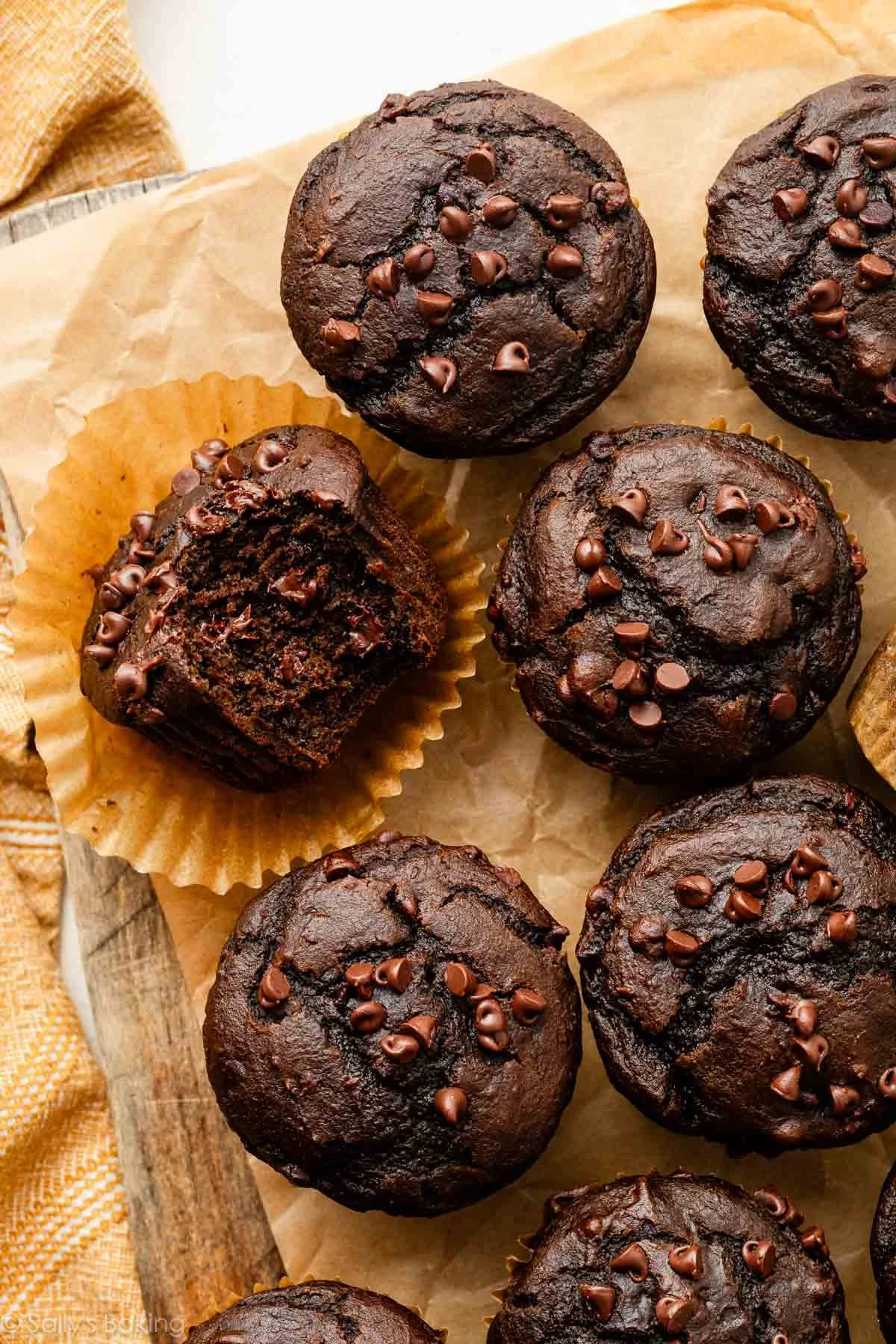
The Evolution of a Seasonal Classic
The culinary intersection of chocolate and pumpkin is not a modern invention, but its popularity in the domestic sphere saw a significant surge in the mid-2010s. Food historians note that the 2014 introduction of this specific muffin recipe marked a pivot in home baking toward recipes that favored "healthy" fats—such as coconut oil—and natural sweeteners like maple syrup, replacing traditional refined sugars and butter.
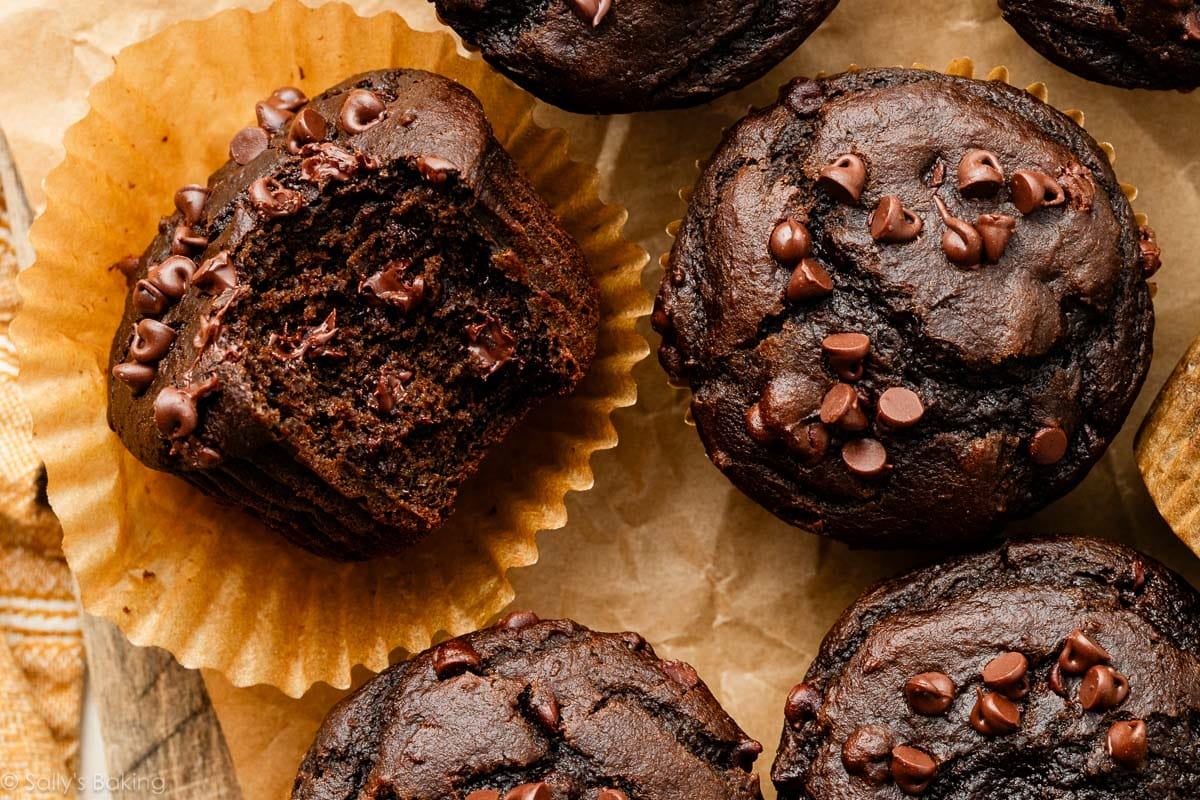
The 2024 iteration of this recipe reflects a decade of refinements in baking science. Culinary experts have shifted focus toward "blooming" cocoa powder—a process of hydrating the powder in warm fat to release volatile flavor compounds. This chemical reaction allows the cocoa to achieve a deeper, more complex profile, which is necessary to stand up to the strong, competing flavors of pumpkin puree and traditional warming spices like cinnamon, nutmeg, and cloves.
Technical Breakdown: The Science of the Bake
The preparation of these muffins is governed by specific chemical principles designed to achieve a bakery-quality result. The process begins with the integration of pumpkin puree, which acts as both a flavor agent and a moisture-retaining starch. Unlike standard flour-heavy muffins, the inclusion of Greek yogurt introduces acidity. This acidity reacts with baking soda to create carbon dioxide, which provides the necessary lift to compensate for the weight of the cocoa powder.
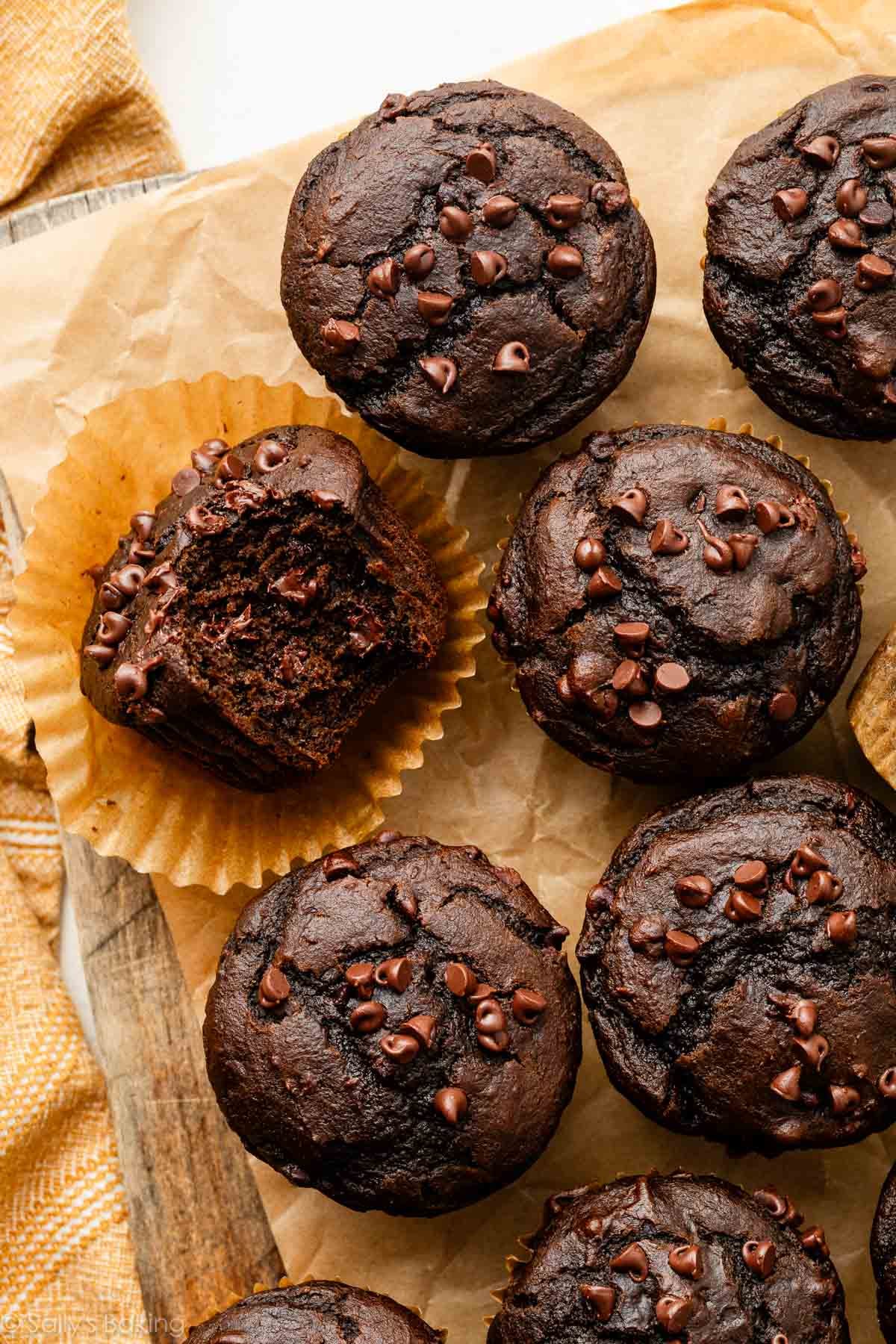
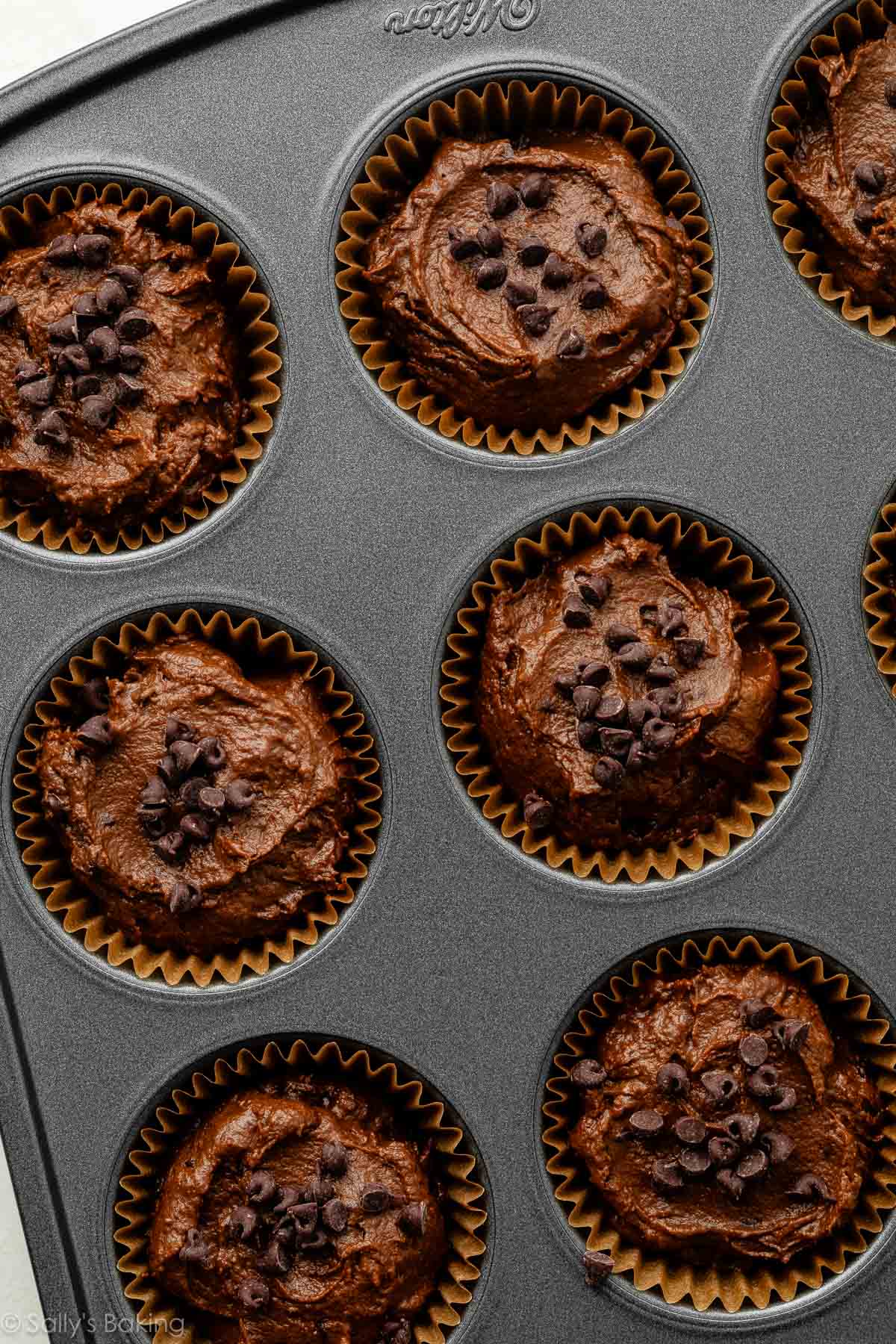
One of the most critical aspects of this recipe is the dual-temperature baking technique. By initiating the bake at 425°F (218°C) for the first five minutes, the baker triggers a rapid expansion of the leavening agents. This quick rise sets the structure of the muffin tops before the center has fully solidified, resulting in the high, rounded "bakery-style" crowns that are highly prized in professional pastry arts. Reducing the oven temperature to 350°F (177°C) for the remainder of the cycle prevents the exterior from burning while ensuring that the moisture-heavy interior is cooked through without becoming gummy.
Ingredient Profiles and Nutritional Considerations
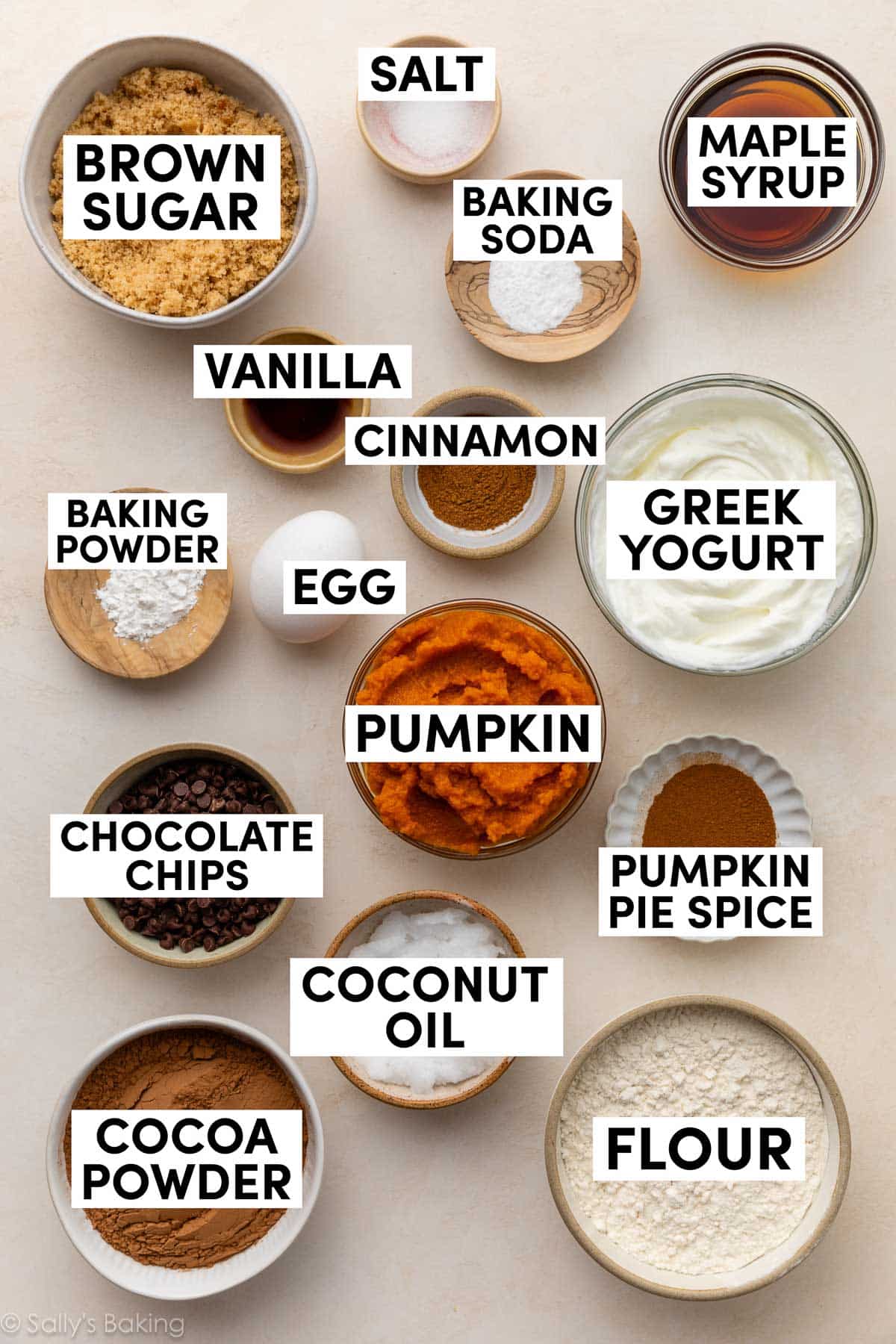
Modern adaptations of this recipe have moved toward ingredient transparency. The standard formulation includes:
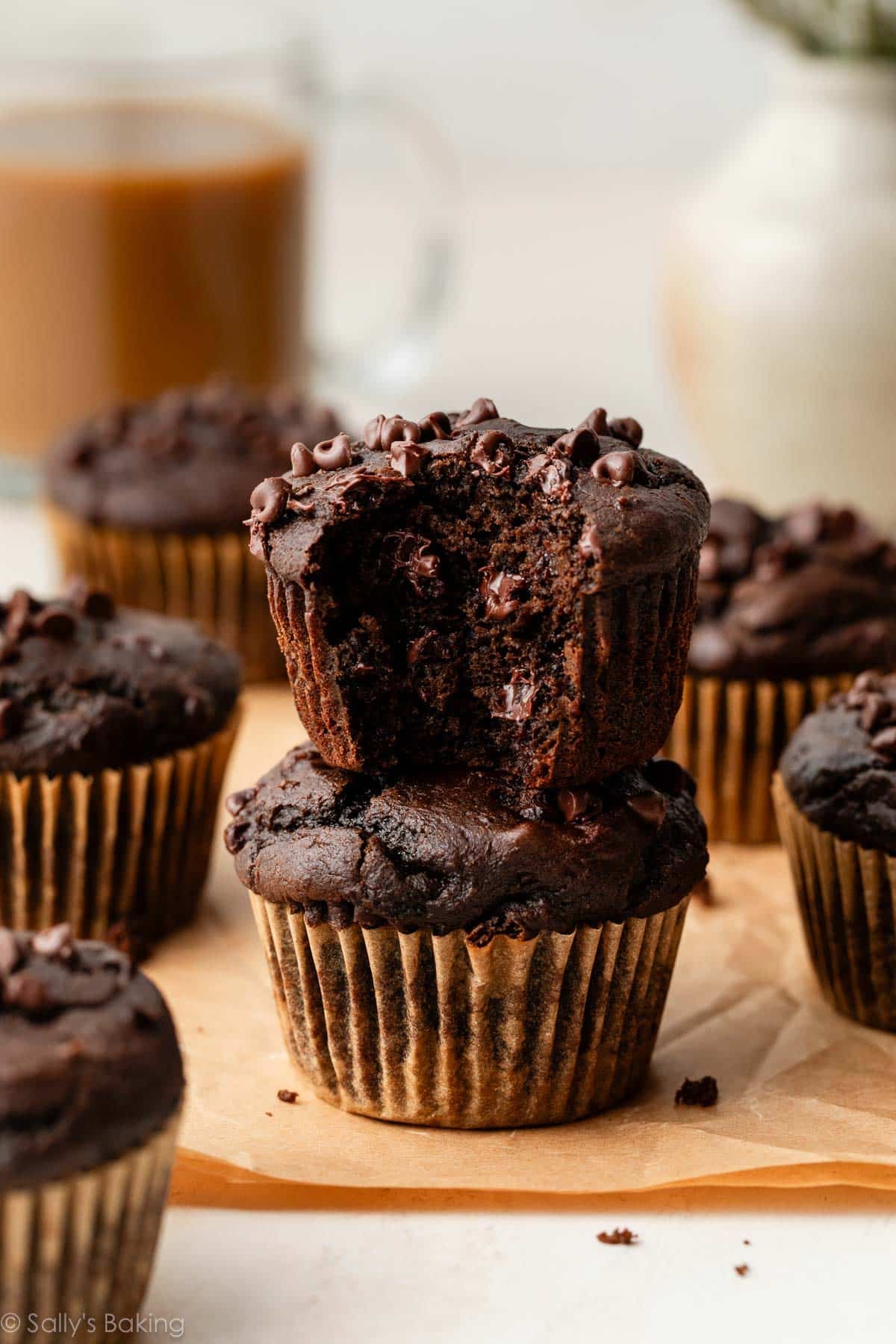
- Pumpkin Puree: Provides Vitamin A and fiber, contributing to the soft, moist crumb.
- Cocoa Powder: The source of the primary flavor; requires high-quality, unsweetened Dutch-processed or natural cocoa for maximum impact.
- Greek Yogurt: Used to provide a creamy texture and act as a tenderizer for the gluten strands.
- Maple Syrup: Serves as a humectant, drawing moisture from the air to keep the muffins fresh for several days.
- Coconut Oil: Preferred for its high saturated fat content, which creates a stable, solid structure at room temperature.
Data suggests that as consumer preferences shift, home bakers are increasingly opting for "cleaner" ingredient lists. The shift from butter to coconut oil and from granulated sugar to maple syrup addresses a segment of the market that prioritizes caloric density alongside nutritional density.
Historical Context and Consumer Trends
The rise of the "Pumpkin Spice" phenomenon—a billion-dollar industry according to recent market analysis—has fundamentally changed how seasonal baking is perceived. While early recipes were dominated by sugar-heavy loaves, the current trend favors smaller, portion-controlled items like muffins.
In 2014, when this recipe first appeared, it was part of a wave of internet-based baking tutorials that prioritized ease of use. By eliminating the need for an electric mixer, the recipe catered to a demographic of home cooks who valued efficiency. Over the last decade, this approach has become the industry standard for high-traffic food blogs and professional recipe databases. The longevity of this specific recipe in the public consciousness—continuing to be updated and utilized ten years after its inception—speaks to the enduring appeal of the chocolate-pumpkin flavor profile.
Culinary Implications and Future Outlook
The practice of "blooming" cocoa has significant implications for home baking. As more consumers gain access to professional techniques through digital media, the bar for home-cooked goods has risen. This recipe serves as a case study in how simple technical tweaks can elevate a standard muffin from a simple snack to a sophisticated dessert.
Furthermore, the integration of these muffins into the fall, post-school snack routine highlights the psychological connection between food and seasonality. The "cozy" factor, often attributed to the combination of warm spices and chocolate, is a major driver of consumer behavior in the third and fourth quarters of the fiscal year.
Best Practices for Optimal Results
To replicate these results in a home kitchen, adherence to thermal guidelines is essential. Because coconut oil solidifies at room temperature, all wet ingredients must be at an ambient temperature to prevent the batter from seizing. Failure to properly emulsify the wet ingredients can lead to an uneven distribution of moisture, resulting in a dense, inconsistent crumb.
Experts suggest the following protocols for home bakers:
- Preparation: Ensure that the pumpkin puree and Greek yogurt are at room temperature.
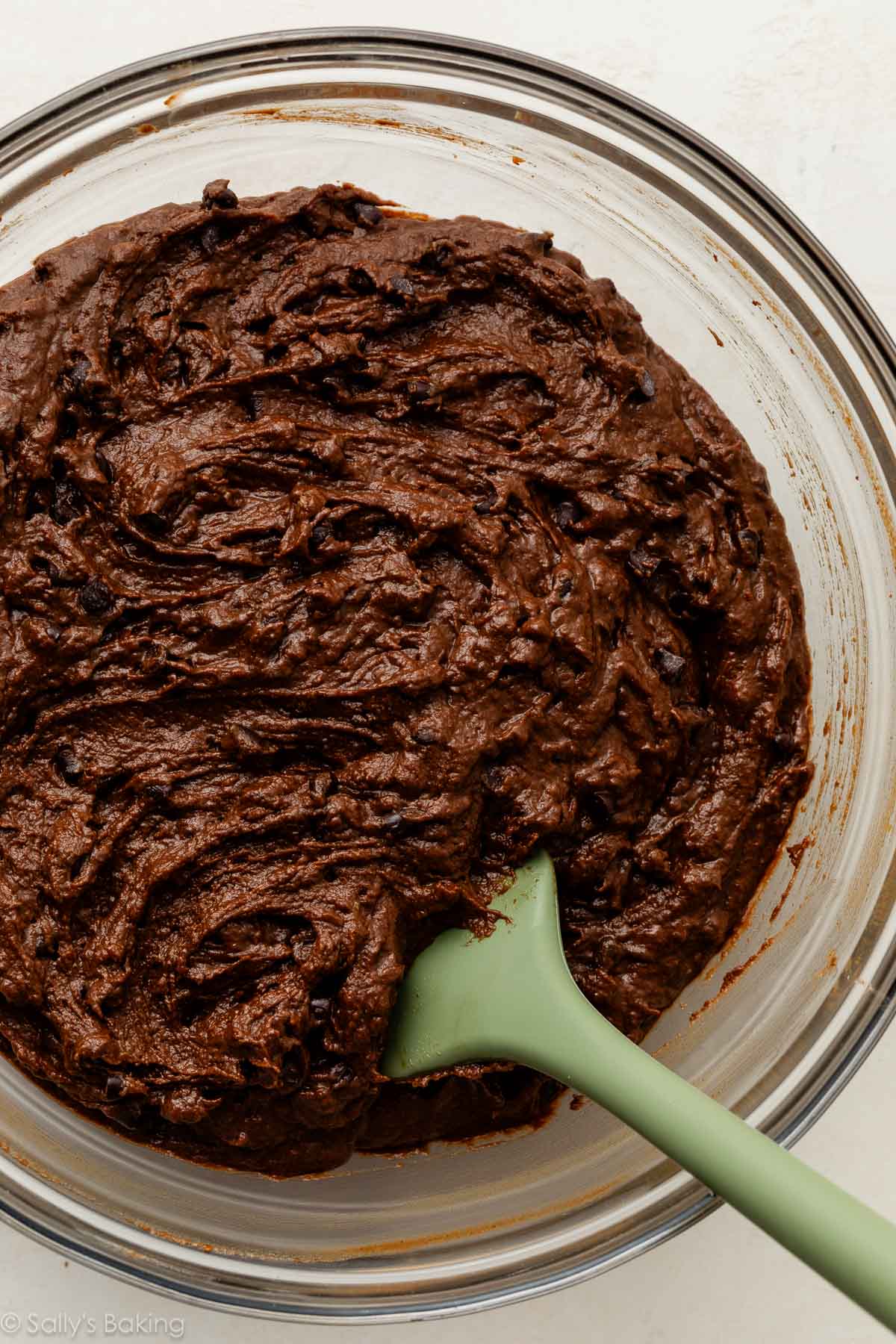
- Blooming: The cocoa powder must be whisked into the warm oil-maple syrup mixture thoroughly. Any remaining clumps will result in bitter spots in the finished muffin.
- Handling: The batter should not be over-mixed. Once the dry ingredients meet the wet, the formation of gluten begins; excessive agitation will lead to a tough, bread-like texture rather than a light, tender muffin.
- Cooling: Allowing the muffins to rest in the tin for five to ten minutes post-bake is critical. This period allows the steam to redistribute throughout the muffin, ensuring the interior does not collapse when removed.
Conclusion
The enduring popularity of the chocolate pumpkin muffin is a testament to the success of flavor-pairing innovation. By utilizing science-backed techniques like the dual-temperature bake and cocoa blooming, home bakers can achieve professional results that are consistent, reliable, and seasonally relevant. As the industry continues to evolve, it is likely that these foundational techniques will continue to be integrated into broader baking practices, further bridging the gap between home kitchens and professional bakeries. The recipe remains a staple for those looking to balance the nutritional benefits of pumpkin with the indulgence of high-quality cocoa, marking its place as a classic in the modern culinary canon.
