
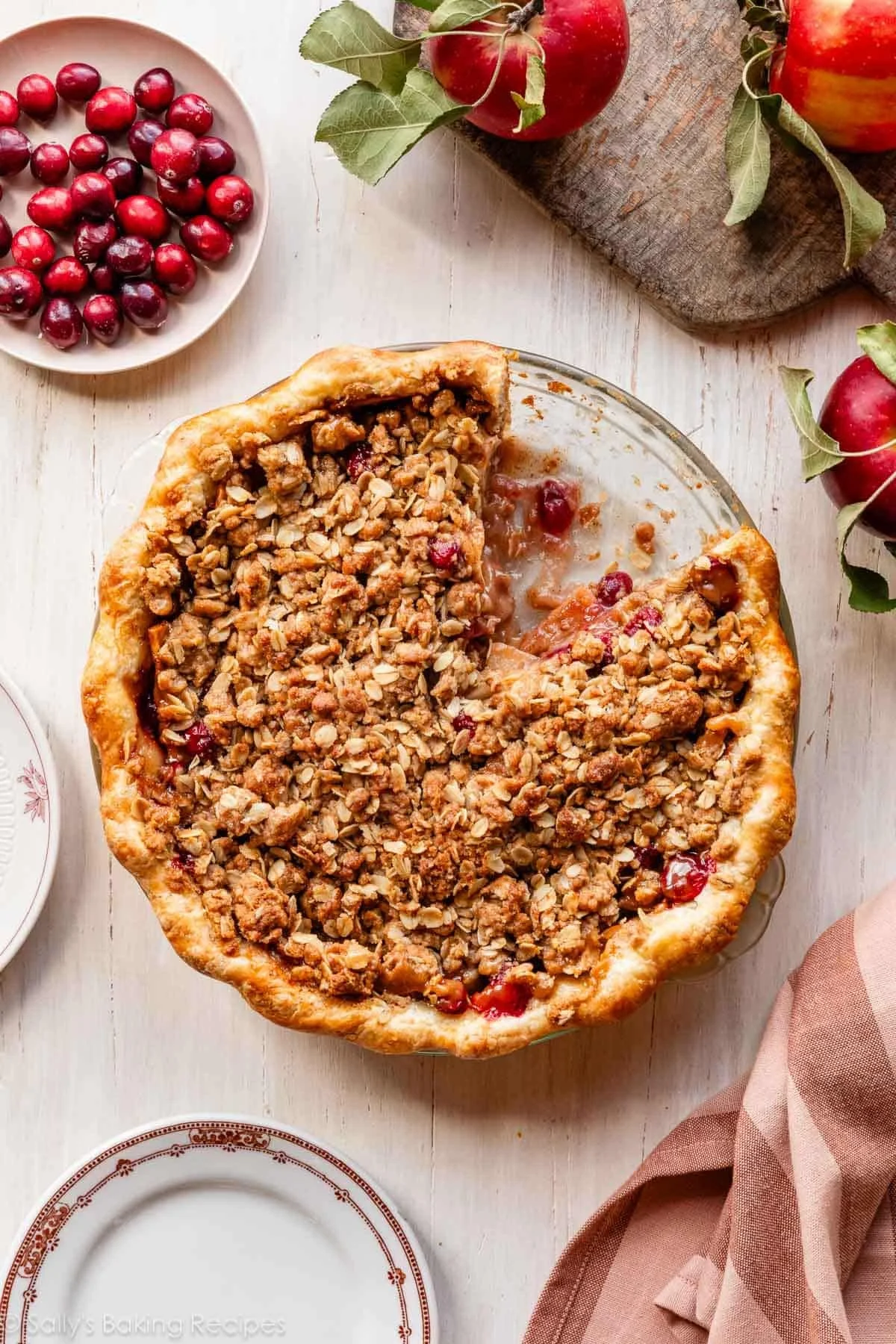
The selection of apple varieties remains a foundational element in professional and home baking, significantly influencing the structural integrity, flavor profile, and moisture content of the final product. While apples are a staple ingredient available throughout the year, their chemical composition—specifically sugar content, acidity, and cellular density—dictates their performance when subjected to the high temperatures of an oven. Culinary experts and food scientists have long established that the distinction between a “snacking” apple and a “baking” apple is not merely a matter of preference but a requirement for consistent results.

The Science of Apple Texture and Heat Resistance
When apples are baked, the heat triggers a breakdown of pectin, the structural polysaccharide found in the fruit’s cell walls. Varieties with low pectin density or those that are biologically predisposed to rapid cellular breakdown, such as Red Delicious or Gala, are ill-suited for high-heat applications like pies or tarts. These varieties often lose their shape entirely, resulting in a “mushy” texture that lacks the bite required for traditional desserts.
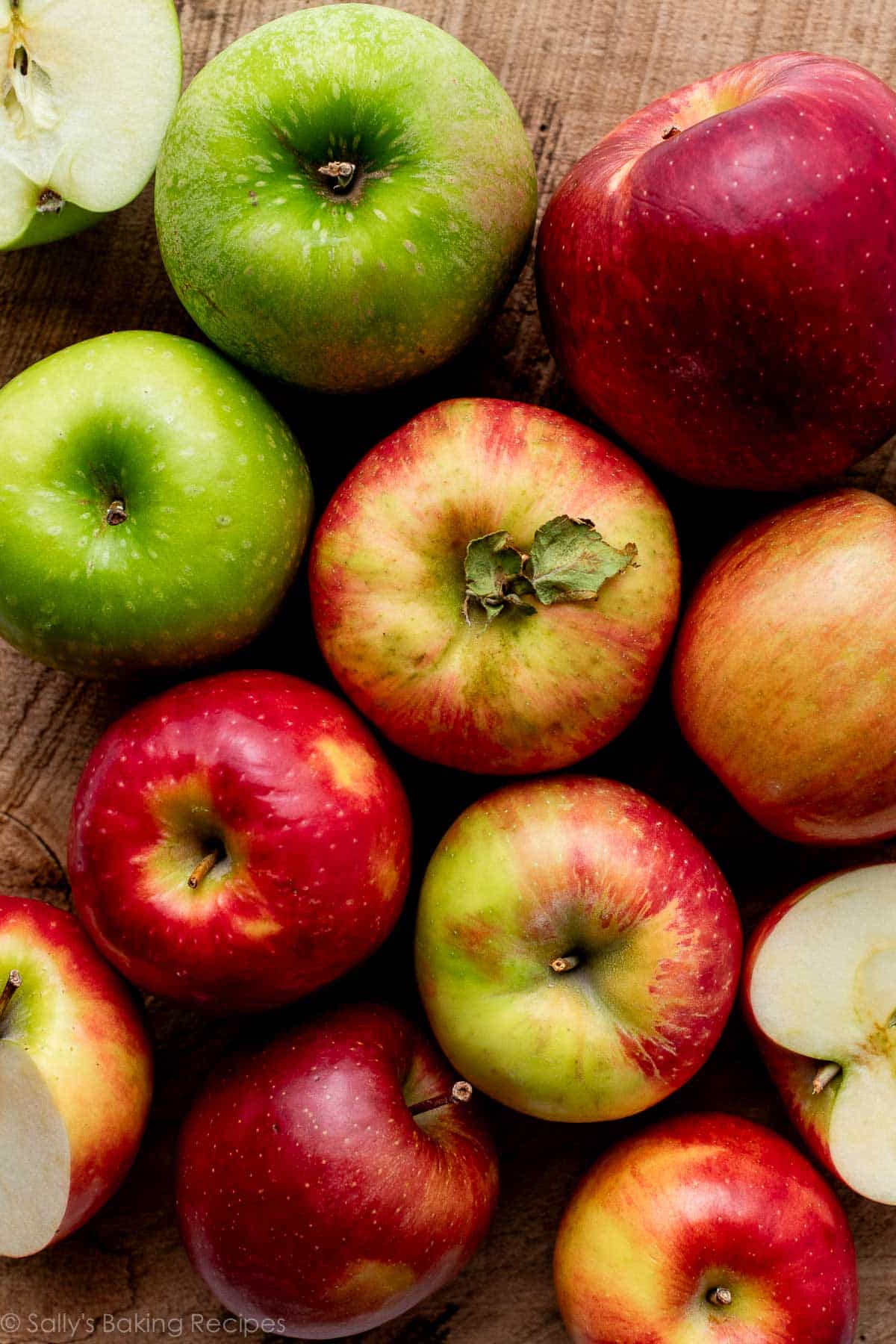
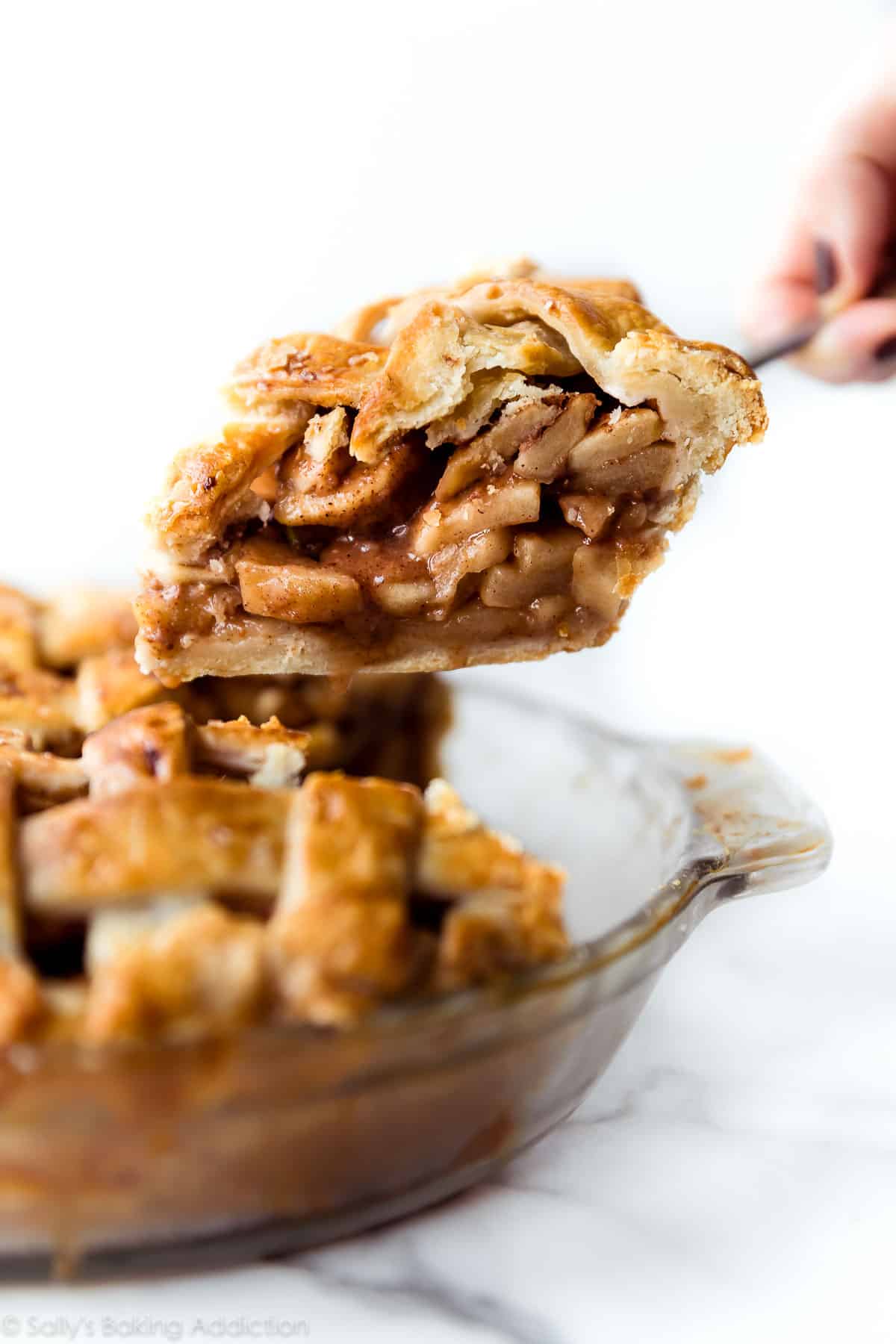
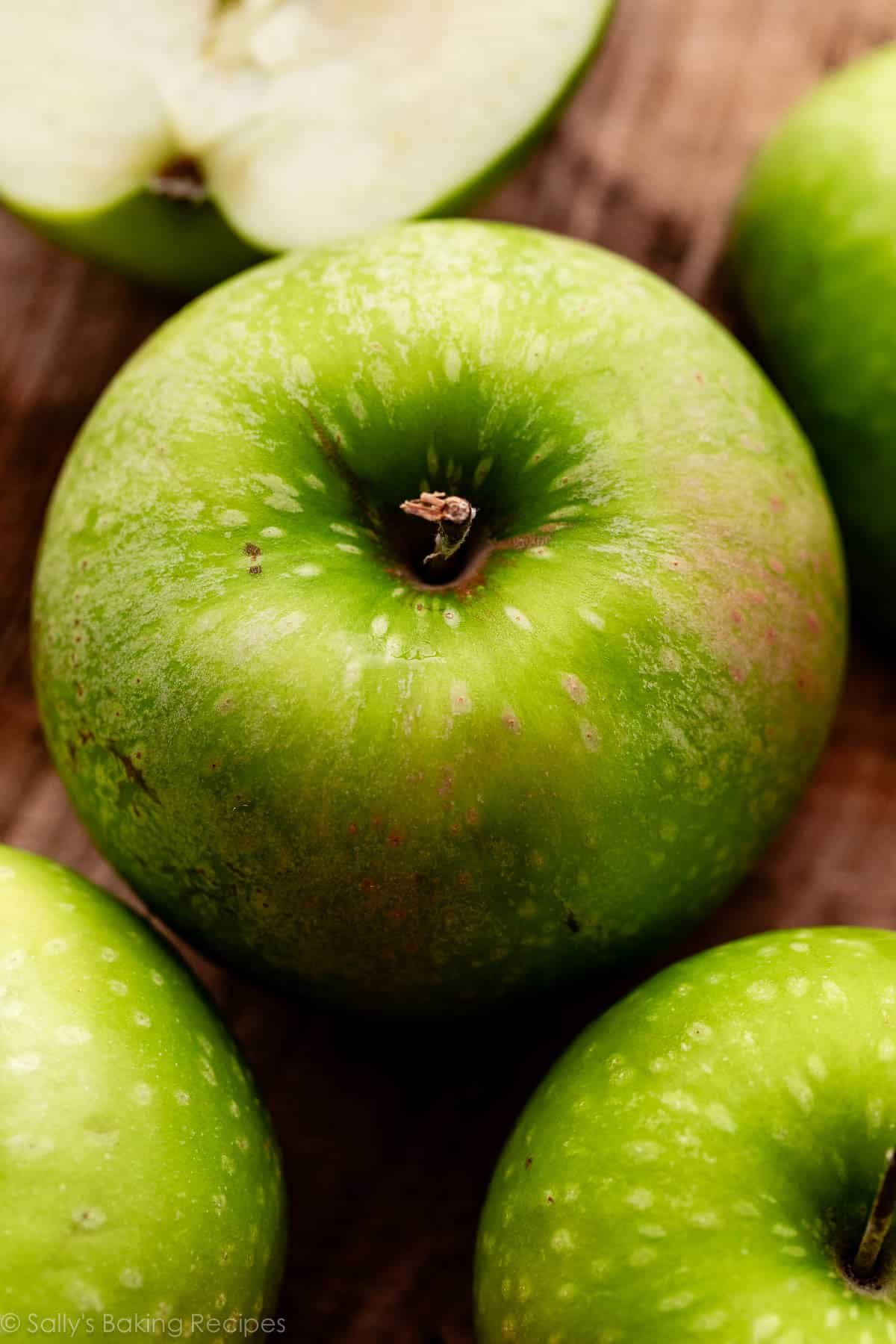
Conversely, firm-fleshed varieties, such as Granny Smith or Braeburn, possess higher pectin levels and a denser cellular structure. These apples retain their form even after extended periods in the oven, providing the necessary structural resistance for deep-dish pies or cobblers. Food technologists often categorize these as “high-integrity” apples, noting that their ability to hold shape is directly correlated to the variety’s harvest time and storage maturity.
Historical Context and Modern Cultivation
The classification of apples for culinary use has evolved alongside modern agricultural practices. In the mid-20th century, the proliferation of varieties like the Red Delicious focused heavily on shelf life and cosmetic appearance for grocery retail, often at the expense of culinary utility. However, the subsequent rise in consumer demand for high-quality, artisanal baked goods has shifted market trends back toward varieties that offer complex flavor profiles and reliable baking performance.
Today, the industry recognizes a specific hierarchy of utility. For instance, the Granny Smith, a cultivar that originated in Australia in the 1860s, remains the gold standard for many pastry chefs due to its high acidity and reliable firmness. However, the introduction of newer, hybrid varieties like the Honeycrisp—developed by the University of Minnesota—has provided bakers with a unique combination of high sugar content and a persistent crunch that survives the baking process, marking a significant milestone in fruit cultivation history.
Strategic Selection: The Tart and Sweet Equilibrium
A common practice among professional pastry chefs involves the "blending" technique. Relying on a single variety of apple can lead to a one-dimensional flavor profile. To achieve a balanced palate, chefs frequently combine tart, acidic apples with sweeter, more aromatic varieties.
The following categories outline the current industry consensus on ideal candidates for high-heat applications:
Primary Tart Varieties:

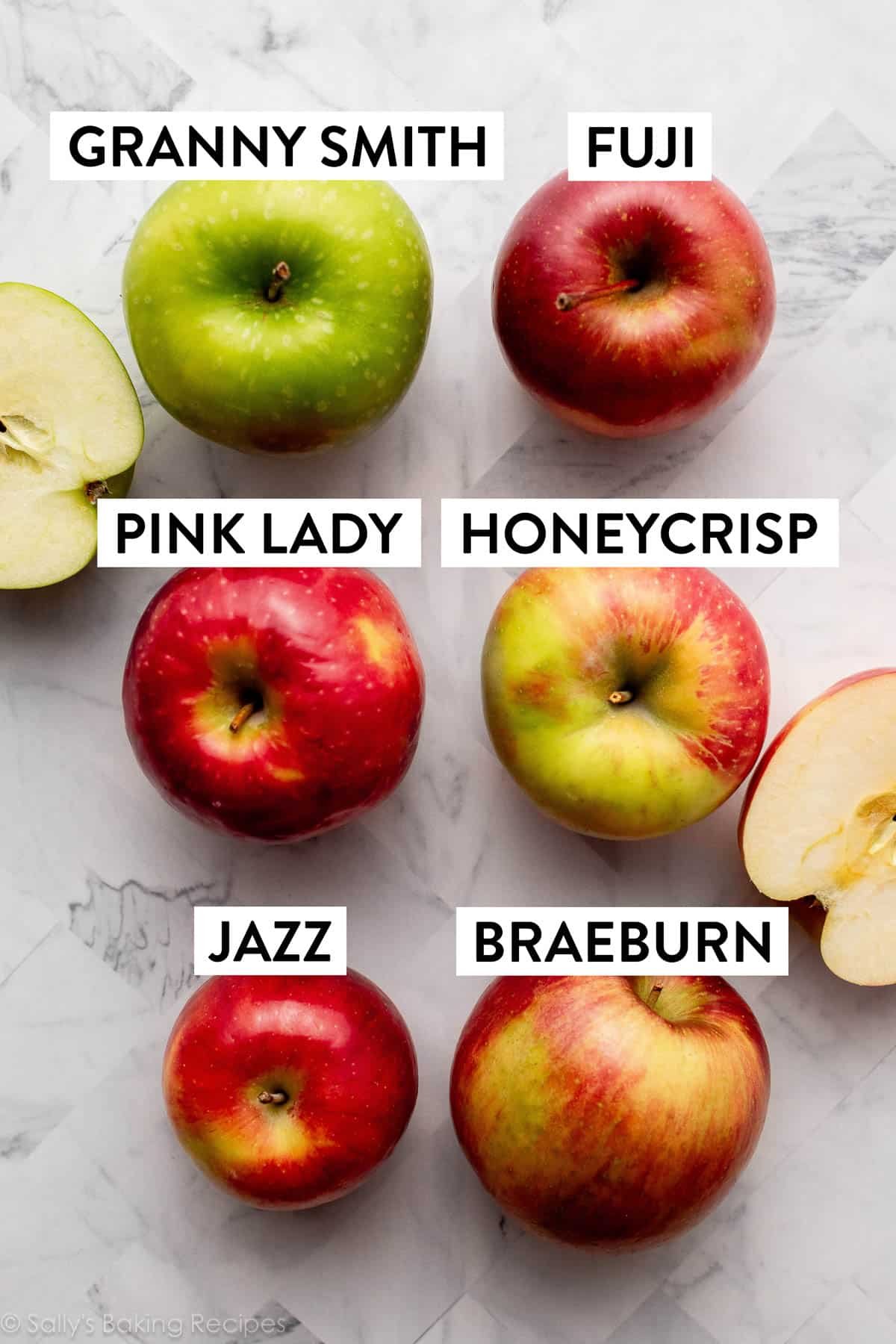
- Granny Smith: Renowned for its crispness and high acid content, which cuts through the density of butter-heavy crusts.
- Braeburn: Offers a sharp, complex flavor and maintains structural integrity exceptionally well.
Primary Sweet Varieties:

- Honeycrisp: Valued for its juiciness and sweet, honey-like notes that remain vibrant post-baking.
- Pink Lady (Cripps Pink): Noted for its high sugar-to-acid ratio and firm texture, making it an ideal choice for high-temperature roasting.
- Jazz: A modern favorite that offers a firm bite and a subtle tang, frequently used in high-end pastry production to enhance depth.
Impact of Preparation Methods on Culinary Outcomes
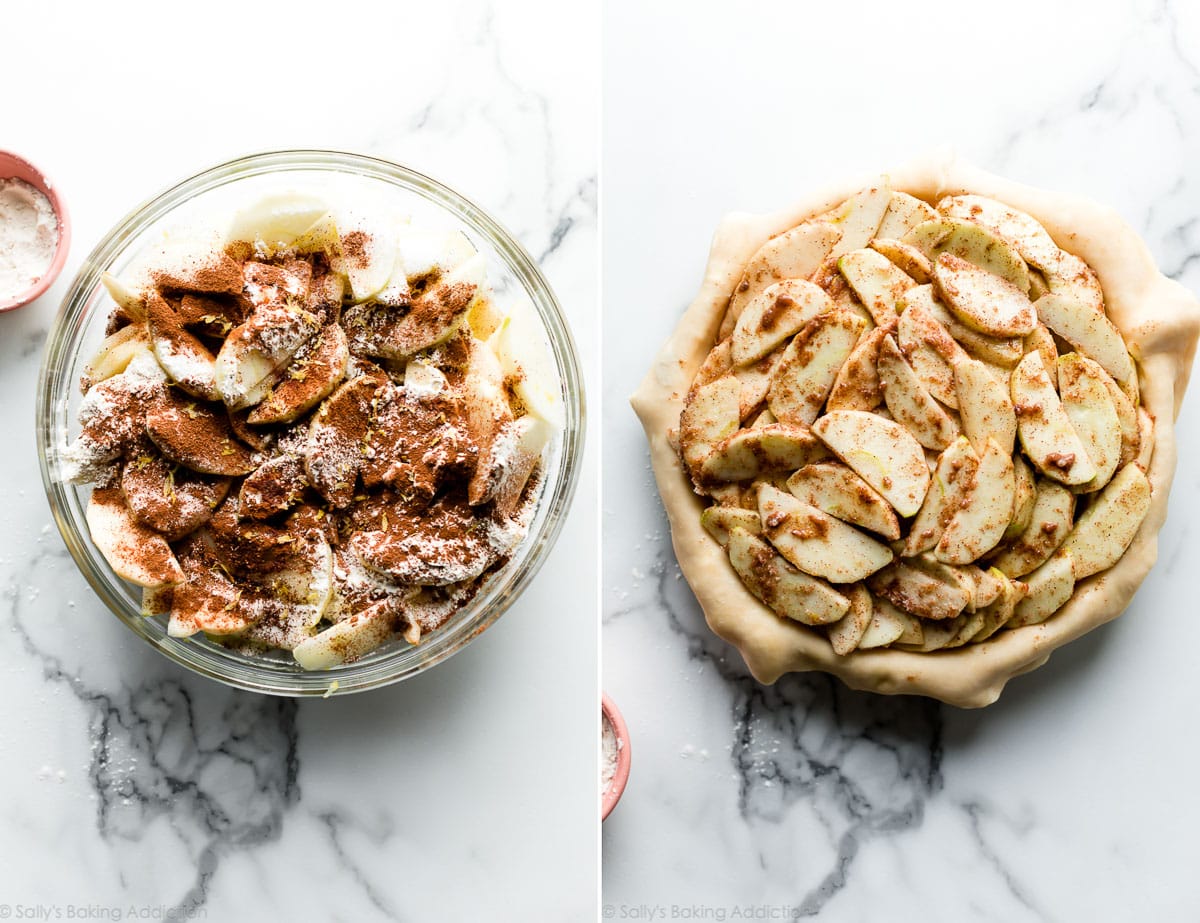
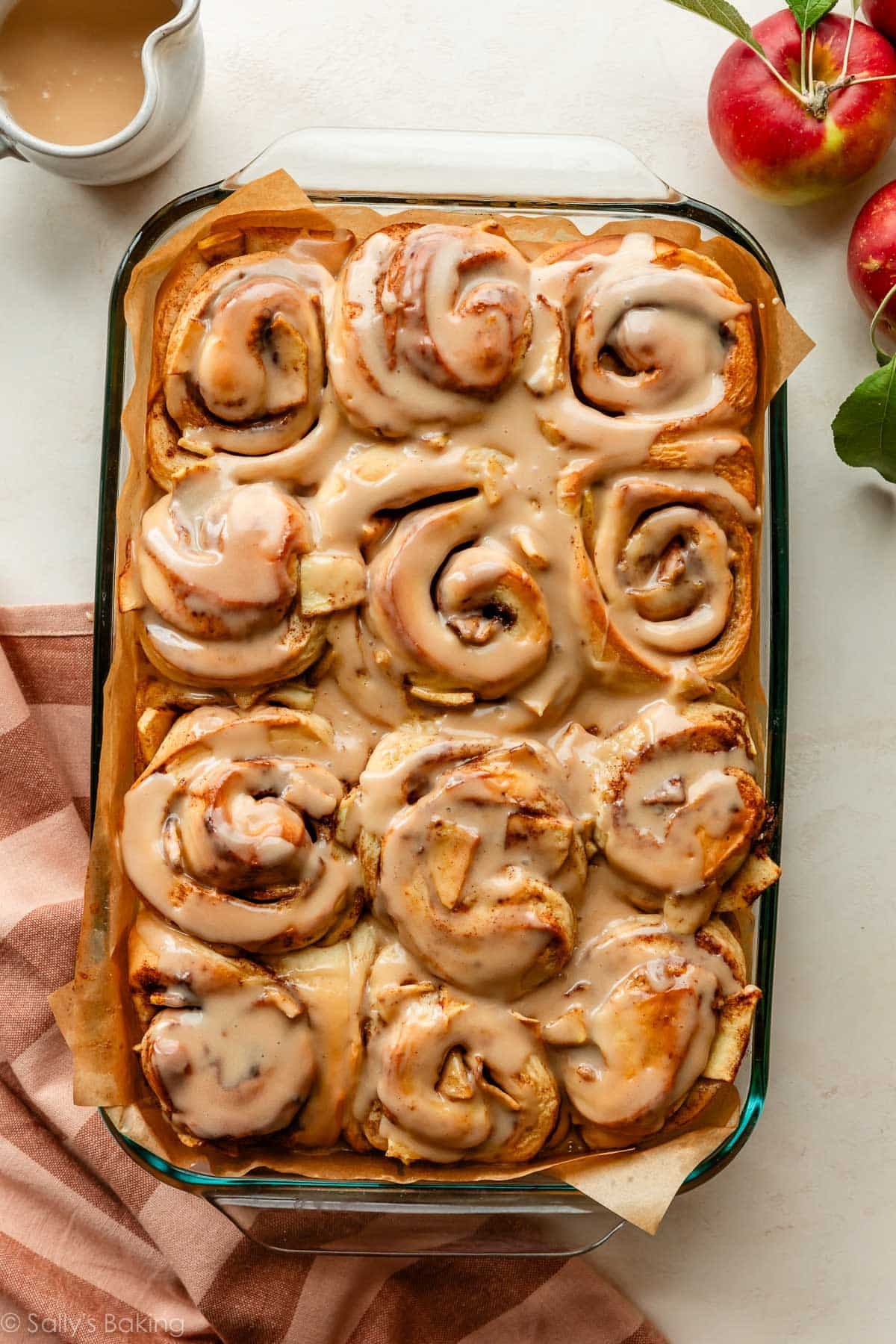
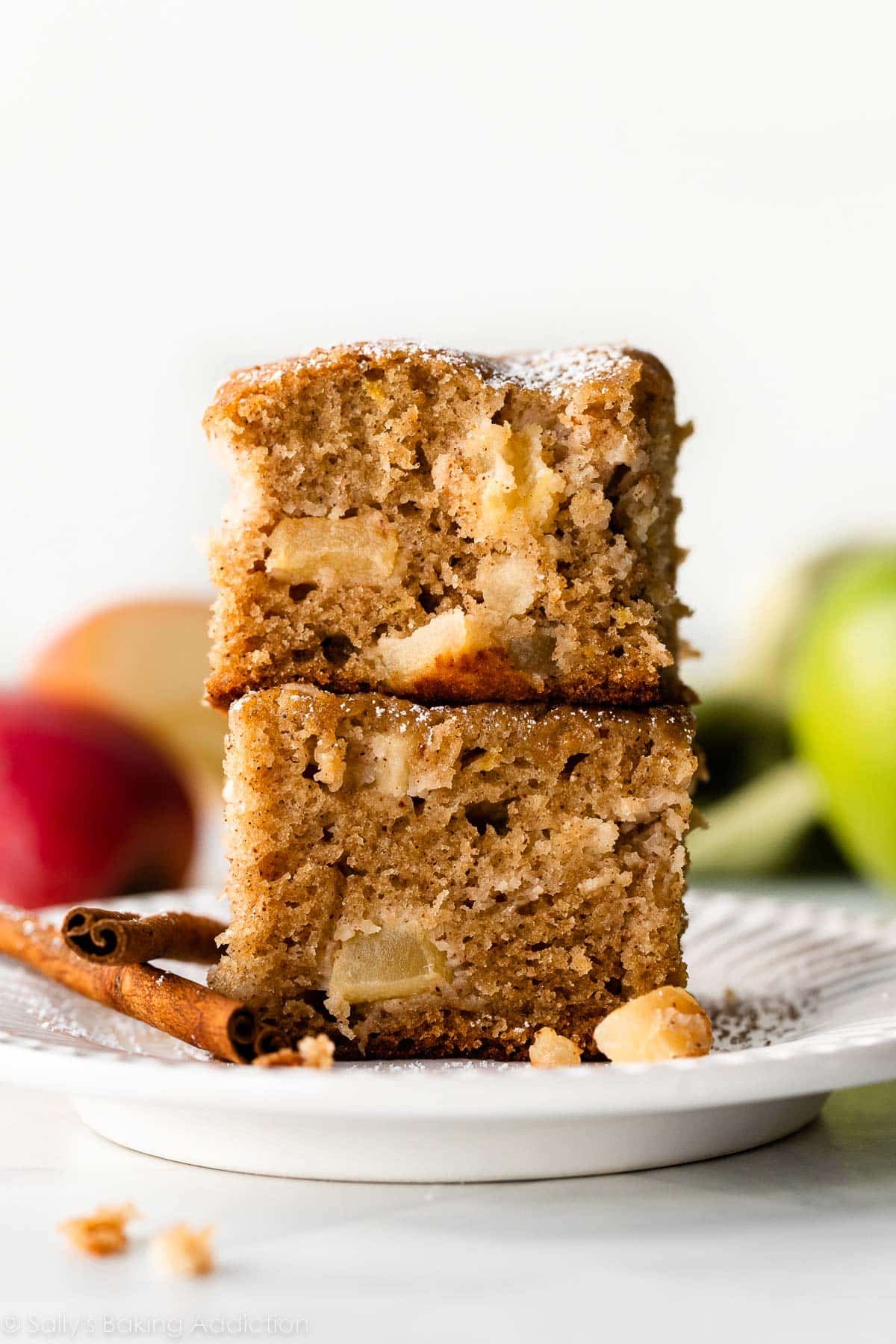
The preparation of the fruit is as significant as the variety selected. The choice between slicing, dicing, or shredding determines how the fruit interacts with the surrounding ingredients. Slices (ideally 1/4 inch thick) are standard for pies and cobblers, as they allow for uniform heat penetration and ensure the fruit softens while retaining its shape. Dicing, on the other hand, is generally reserved for muffins or breads where smaller, integrated pockets of fruit are desired to keep the crumb moist.
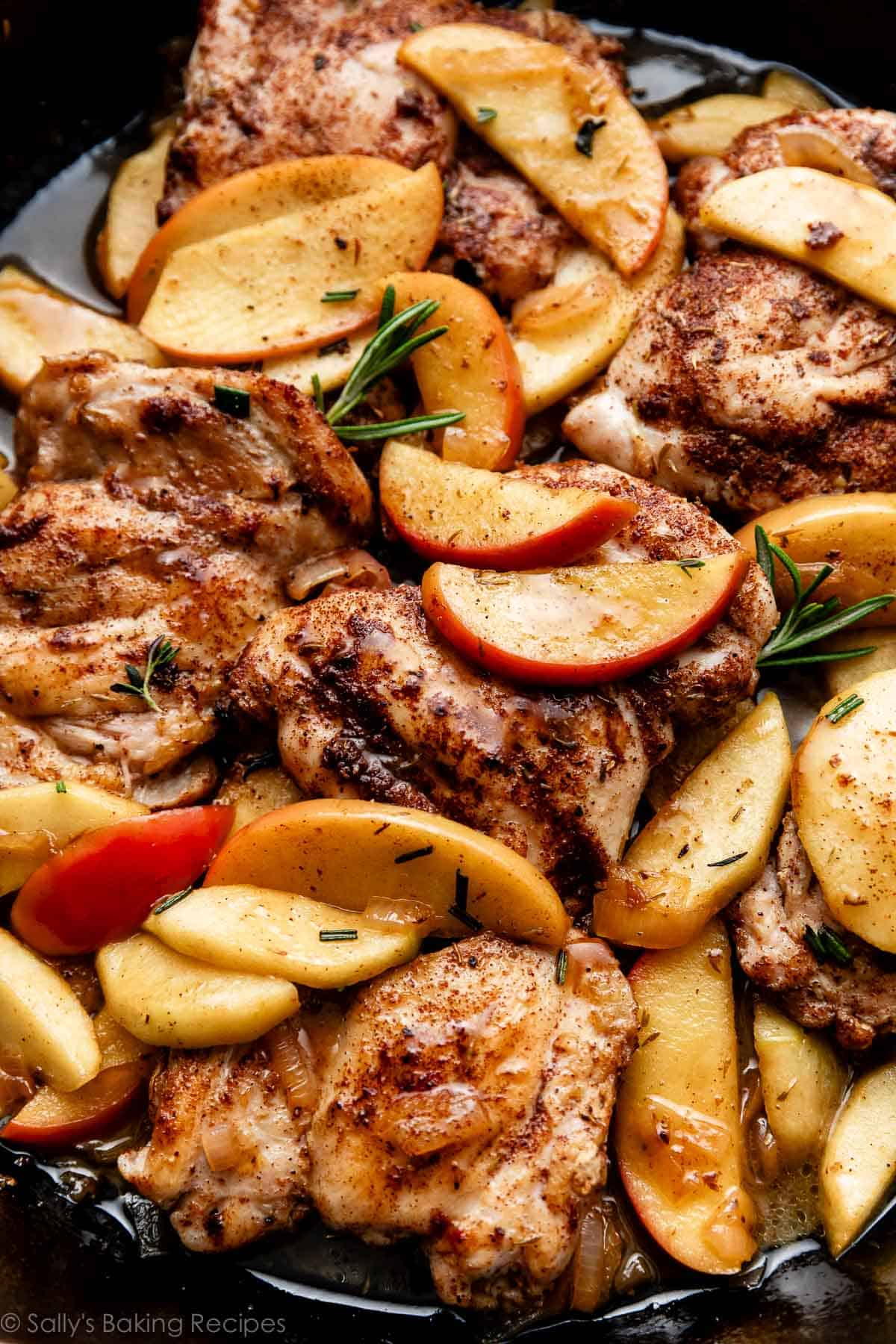
Shredding, typically performed using a box grater, is a technique utilized to incorporate apple flavor throughout a batter without the structural bulk of chunks. This method is particularly effective in muffins and quick breads, where the moisture released from the shredded fruit acts as a functional ingredient, improving the final texture of the cake.
Economic and Logistical Implications for Bakers
The supply chain for baking apples is subject to seasonal fluctuations. Autumn, the peak harvest period in temperate climates, provides the widest access to fresh, high-quality, and firm varieties. Out-of-season, however, the availability of these specific cultivars can be inconsistent, leading to price volatility.

For commercial bakeries, the cost-benefit analysis of sourcing premium varieties versus mass-market alternatives is a constant factor in pricing their products. A bakery that relies on high-quality Honeycrisp or Jazz apples may incur higher operational costs but often commands a premium price due to the superior sensory experience provided by these varieties. Furthermore, improper storage of these apples—such as exposure to ethylene-producing fruits like bananas—can accelerate the degradation of the fruit’s cell walls, rendering them unsuitable for high-quality baking before they even reach the oven.
Future Trends in Fruit Innovation
Looking forward, researchers are continuing to explore the intersection of pomology and gastronomy. There is an ongoing effort to develop apple varieties that are naturally resistant to browning (enzymatic browning) after being sliced. Such advancements would have a profound impact on the efficiency of industrial kitchens, reducing the reliance on additives like lemon juice or salt water to prevent discoloration during the prep stage.
Additionally, as climate change impacts traditional apple-growing regions, the industry is seeing a shift in which varieties are successfully cultivated. Regions that were previously too warm for certain crisp, firm apples are now experimenting with heat-tolerant cultivars that retain the necessary characteristics for baking. This shift is expected to alter the geographic distribution of high-quality baking apples over the next decade.
Conclusion: Best Practices for Consistent Results
To achieve consistent results in the kitchen, practitioners must prioritize variety over convenience. While it may be tempting to utilize whatever fruit is available in the pantry, the difference between a high-quality, professional-grade apple dessert and one that lacks definition is rooted entirely in the science of the ingredient. By selecting a combination of firm, high-acidity, and sweet-profile apples, and applying the correct preparation technique for the intended dish, bakers can ensure that their results meet the highest standards of taste and texture.
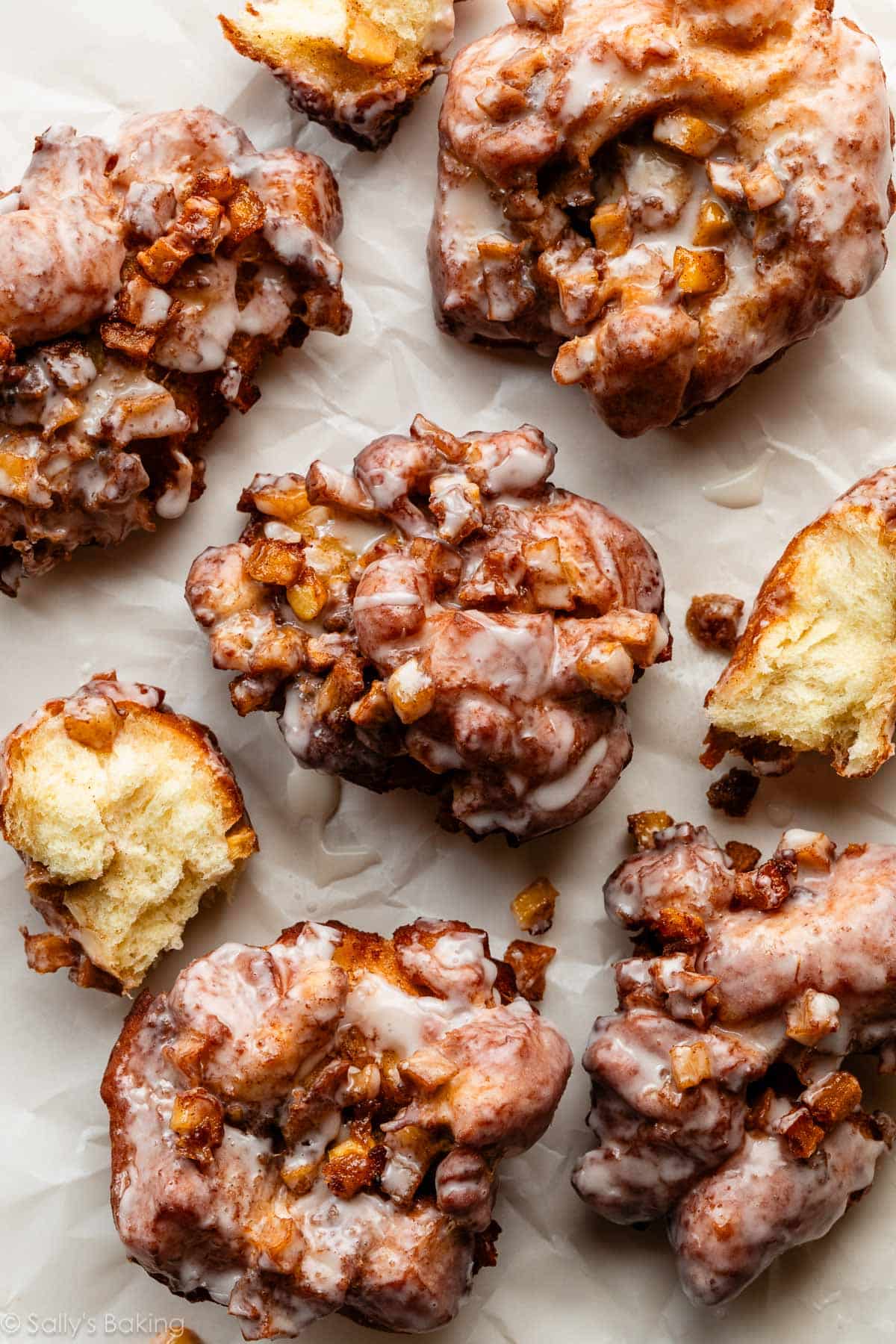
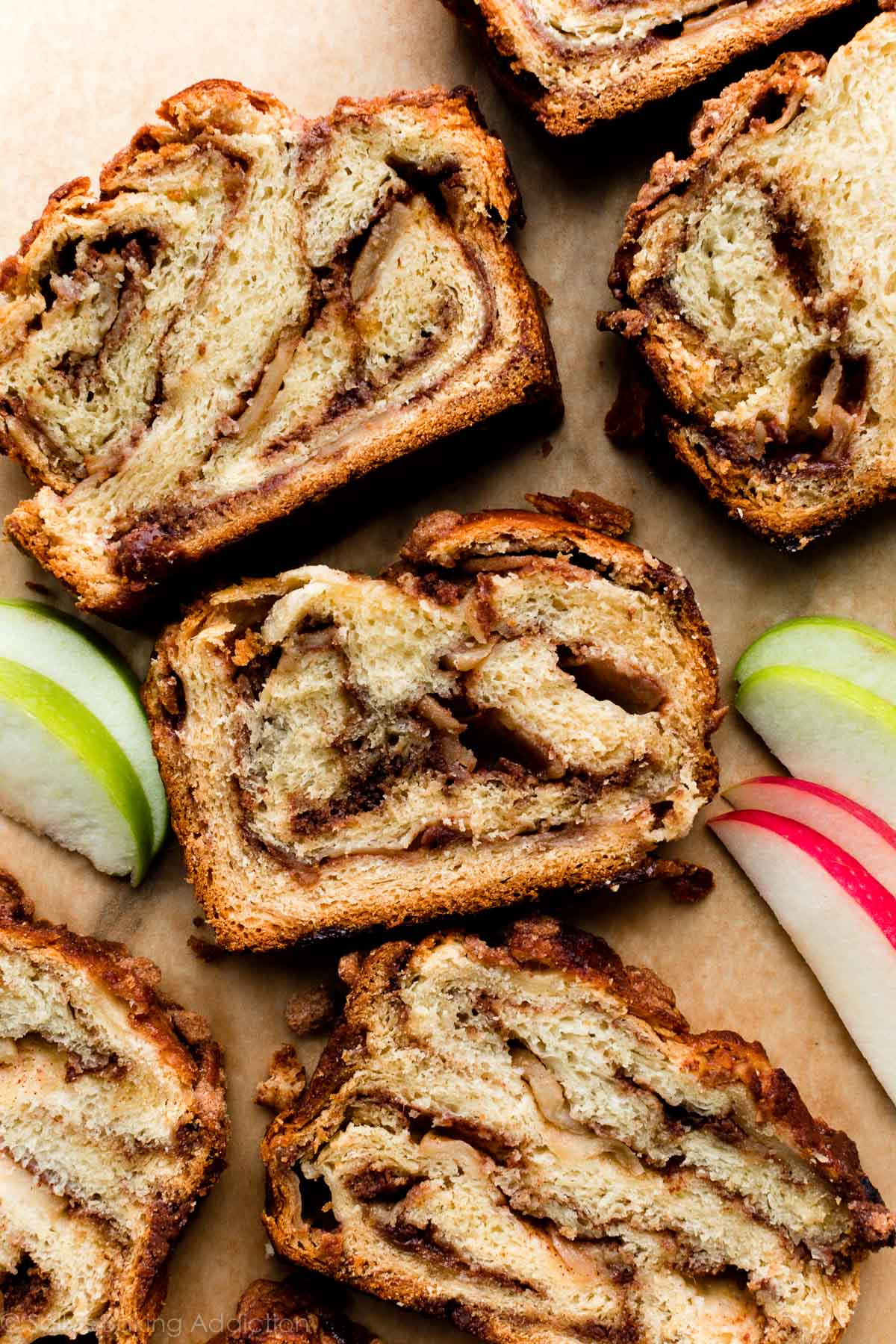
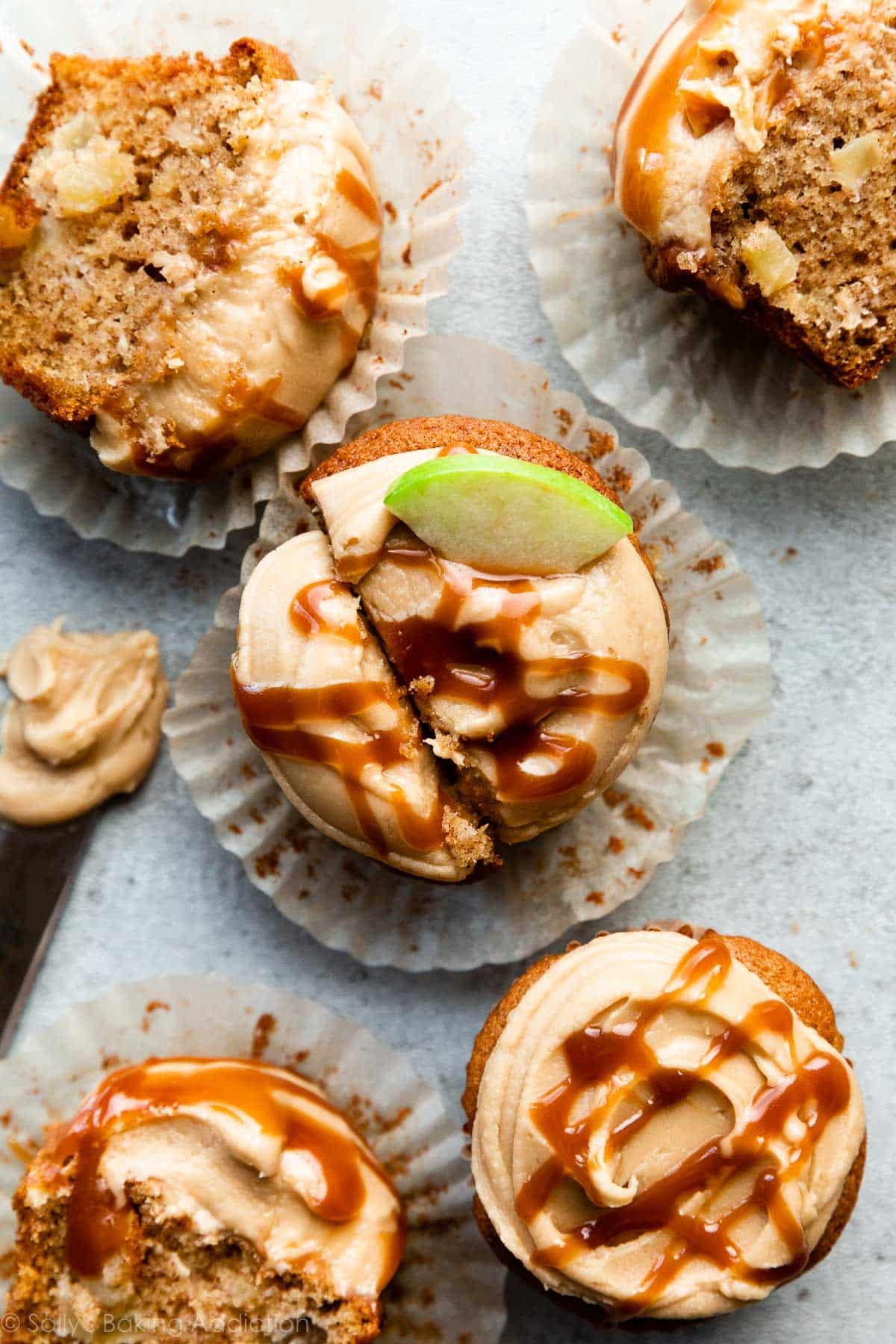
Whether producing classic apple pies, intricate babkas, or simple muffins, the fundamental rule remains: the apple is the foundation of the dish. Understanding its properties is the first step toward mastery in the art of baking.
