
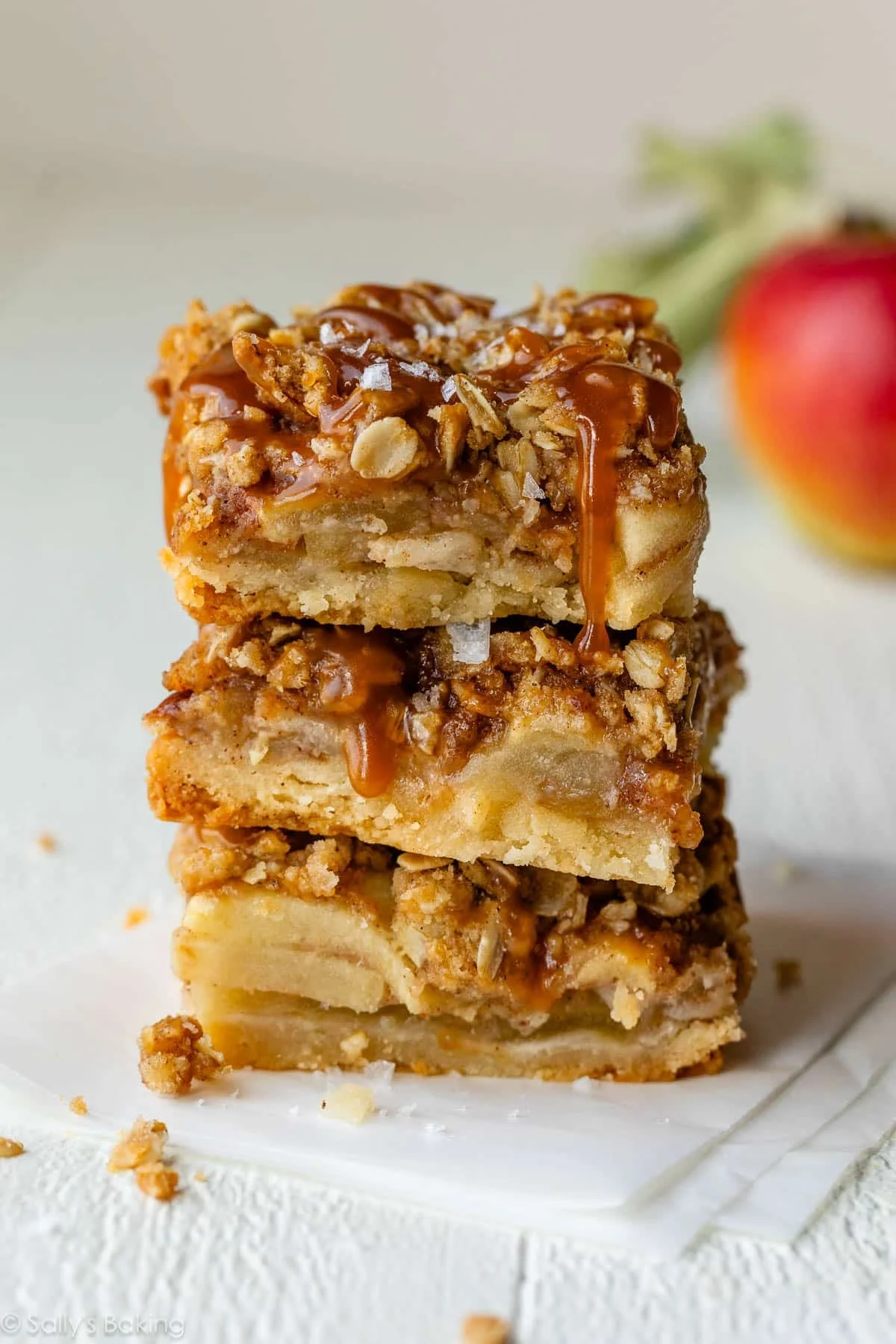
The evolution of traditional American pastry has shifted toward more accessible, format-flexible desserts, exemplified by the enduring popularity of salted caramel apple pie bars. Originally introduced to culinary audiences in 2014, this specific iteration of the classic apple pie has undergone significant technical refinement to meet modern standards of structural integrity and consumer convenience. By deconstructing the traditional double-crust pie into a layered bar format, bakers have effectively reduced preparation time while maintaining the flavor profile characterized by sweet-tart apple filling and a buttery, crisp finish.
Technical Evolution and Recipe Refinement
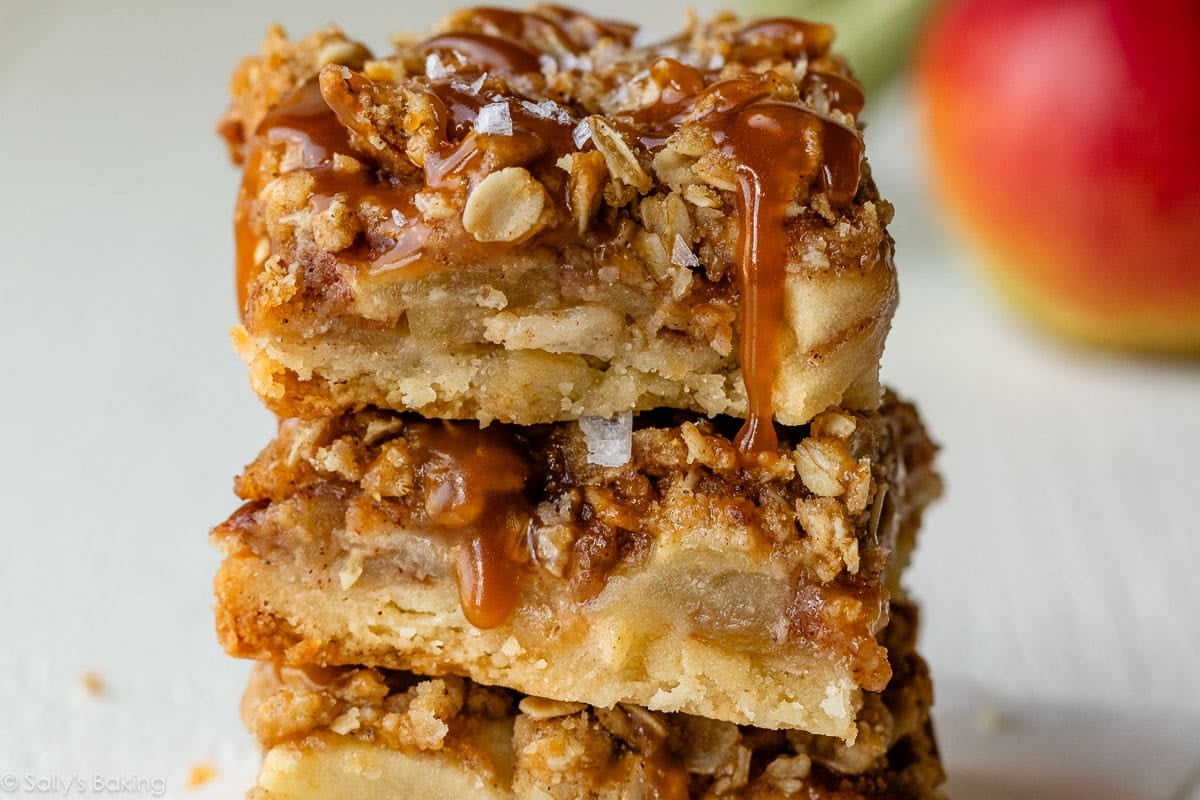
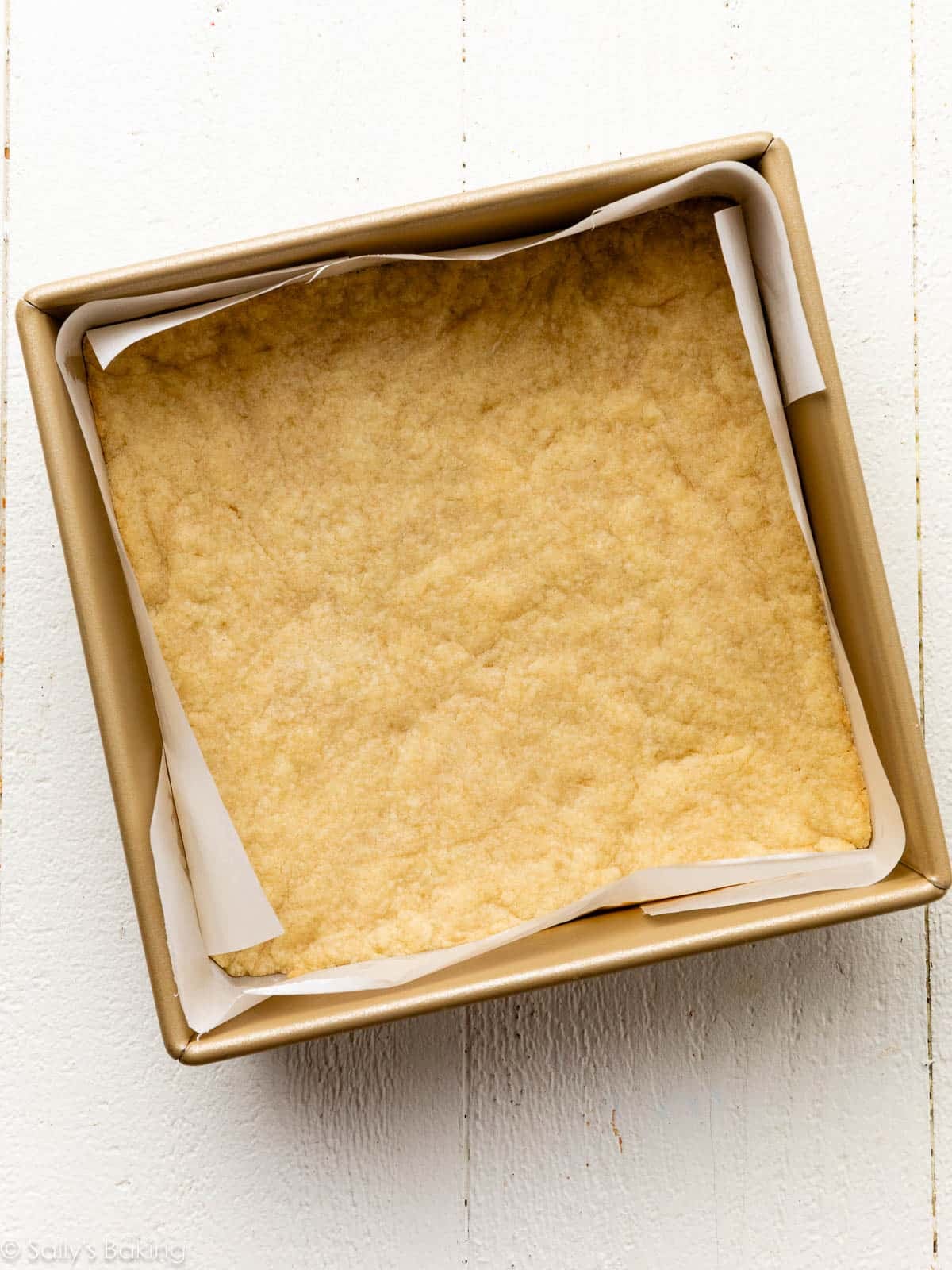
The transition from a full-sized pie to a bar format necessitates specific structural adjustments. According to industry baking standards, a standard pie crust often struggles to maintain rigidity when reduced to a hand-held bar. Recent updates to the formula—which originally debuted nearly a decade ago—include a calculated increase in the flour content of the shortbread base. This modification provides the necessary foundation to support the weight of the apple filling and the subsequent streusel topping.
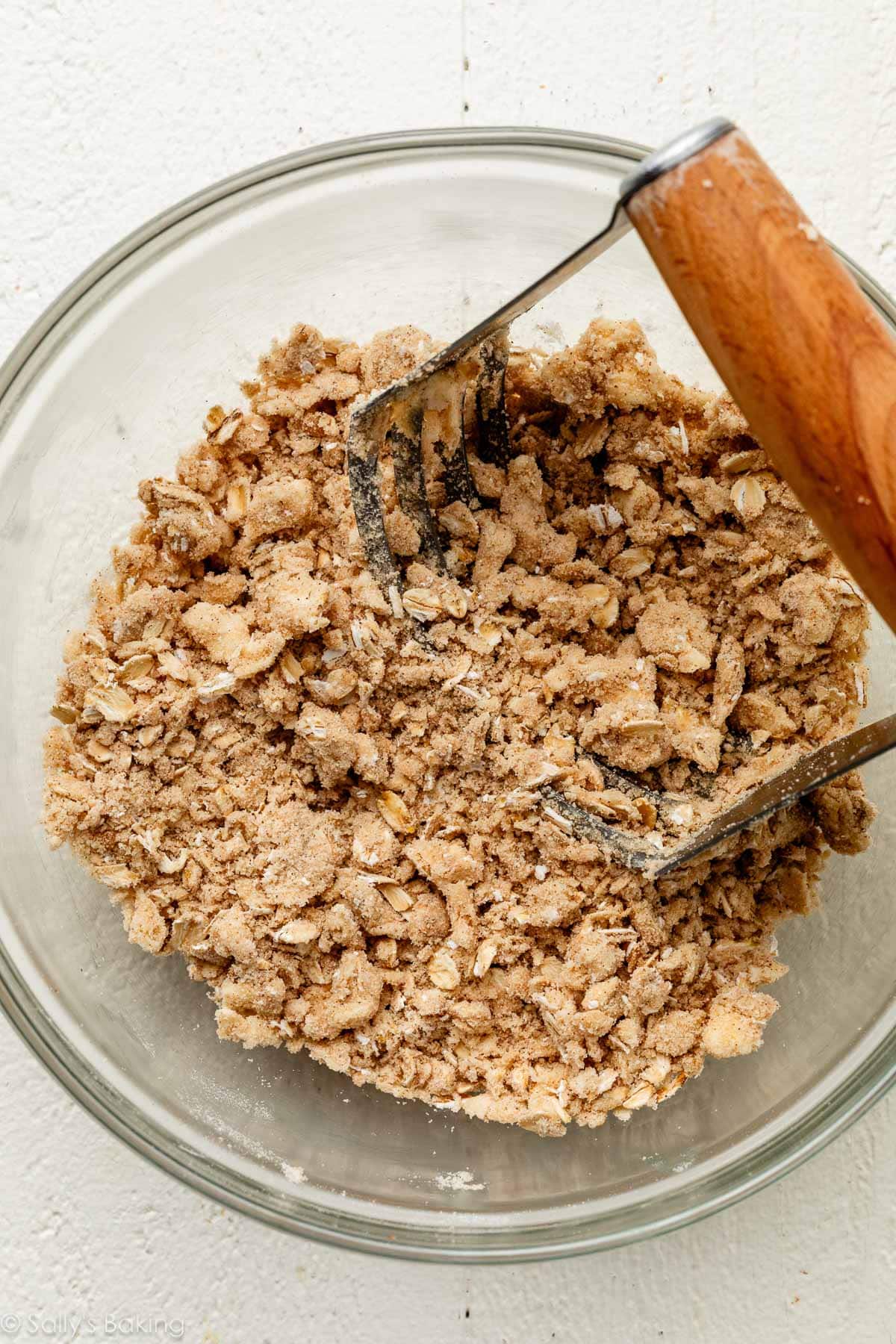
Further technical enhancements include the implementation of a chilled streusel technique. By mandating that the brown sugar and oat-based topping be refrigerated prior to application, the recipe prevents premature butter melting. This ensures that the streusel maintains a distinct, coarse texture rather than absorbing into the fruit layer during the baking process. These adjustments reflect a broader trend in home baking toward precision and consistency, as hobbyists seek professional-grade results in domestic kitchens.
The Anatomy of the Dessert
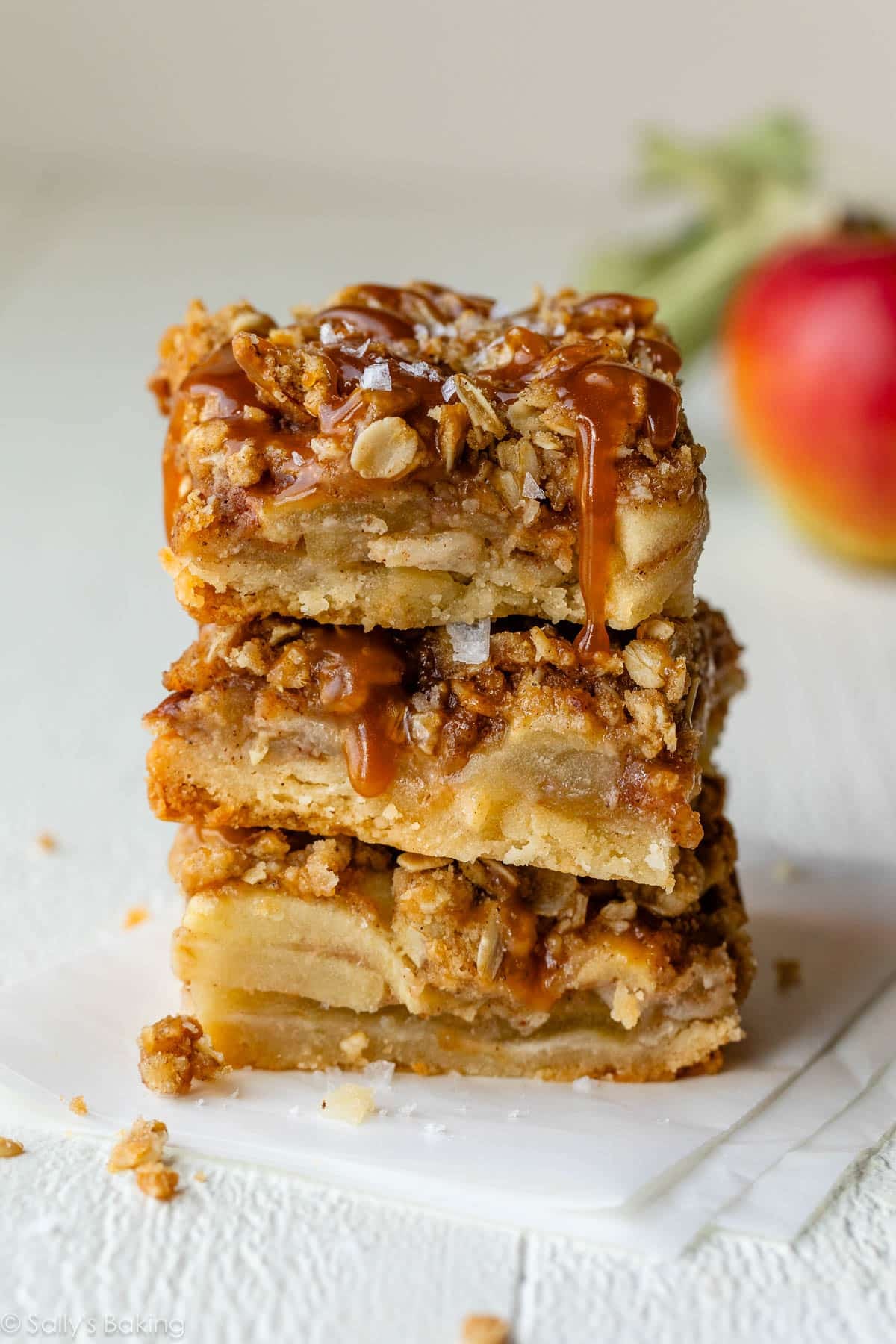
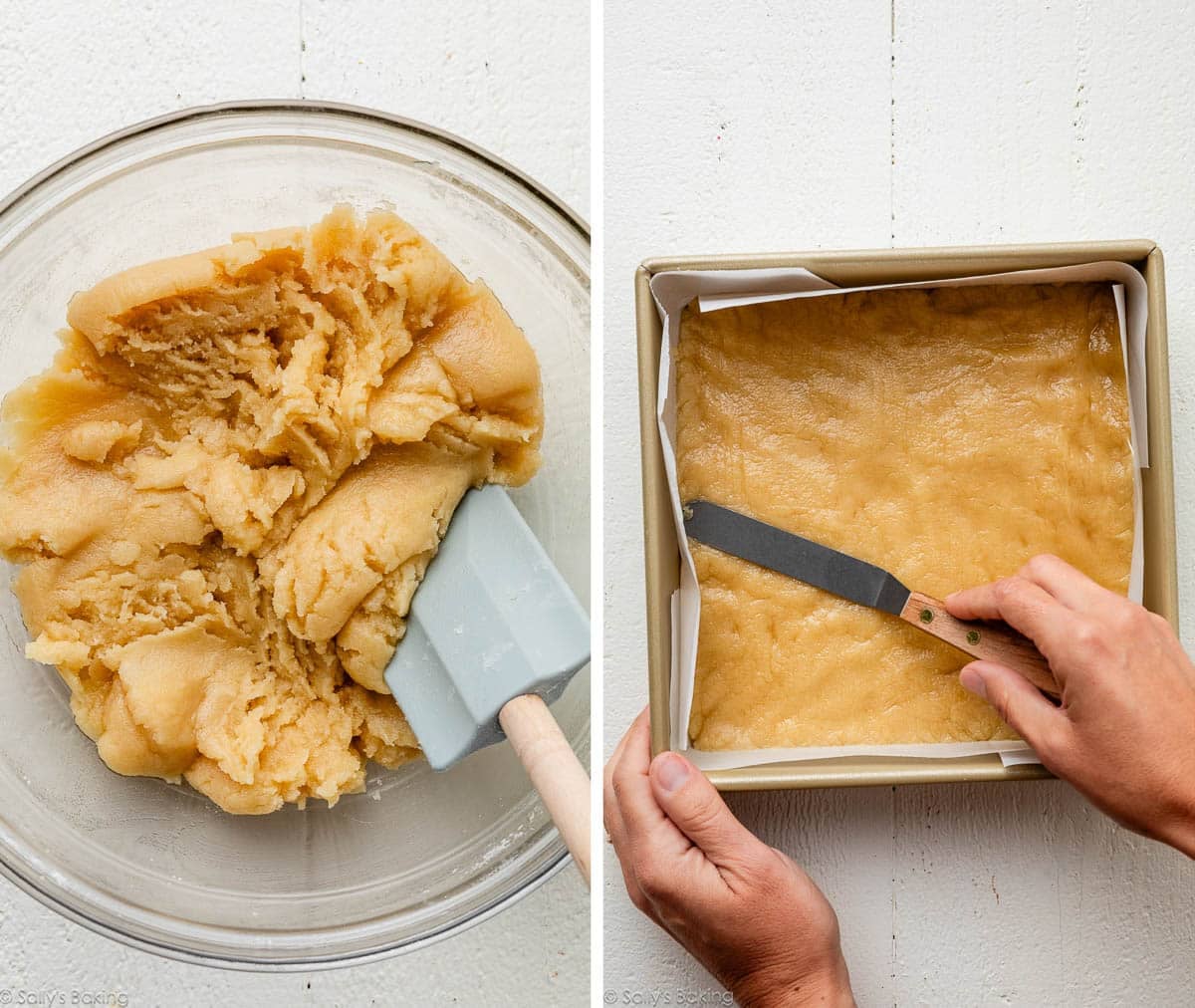
The composition of these bars relies on three distinct layers, each serving a specific textural and chemical purpose. The foundation is a shortbread crust, which, unlike traditional pastry, utilizes melted butter to achieve a denser, more cookie-like crumb. The middle layer consists of sliced, spiced apples. While many traditional recipes call for pre-cooking or blanching the fruit to prevent excess moisture, the current methodology relies on a precise ratio of flour and spices tossed directly with the fruit. This allows the apples to caramelize in their own juices within the oven, resulting in a tender, concentrated filling.
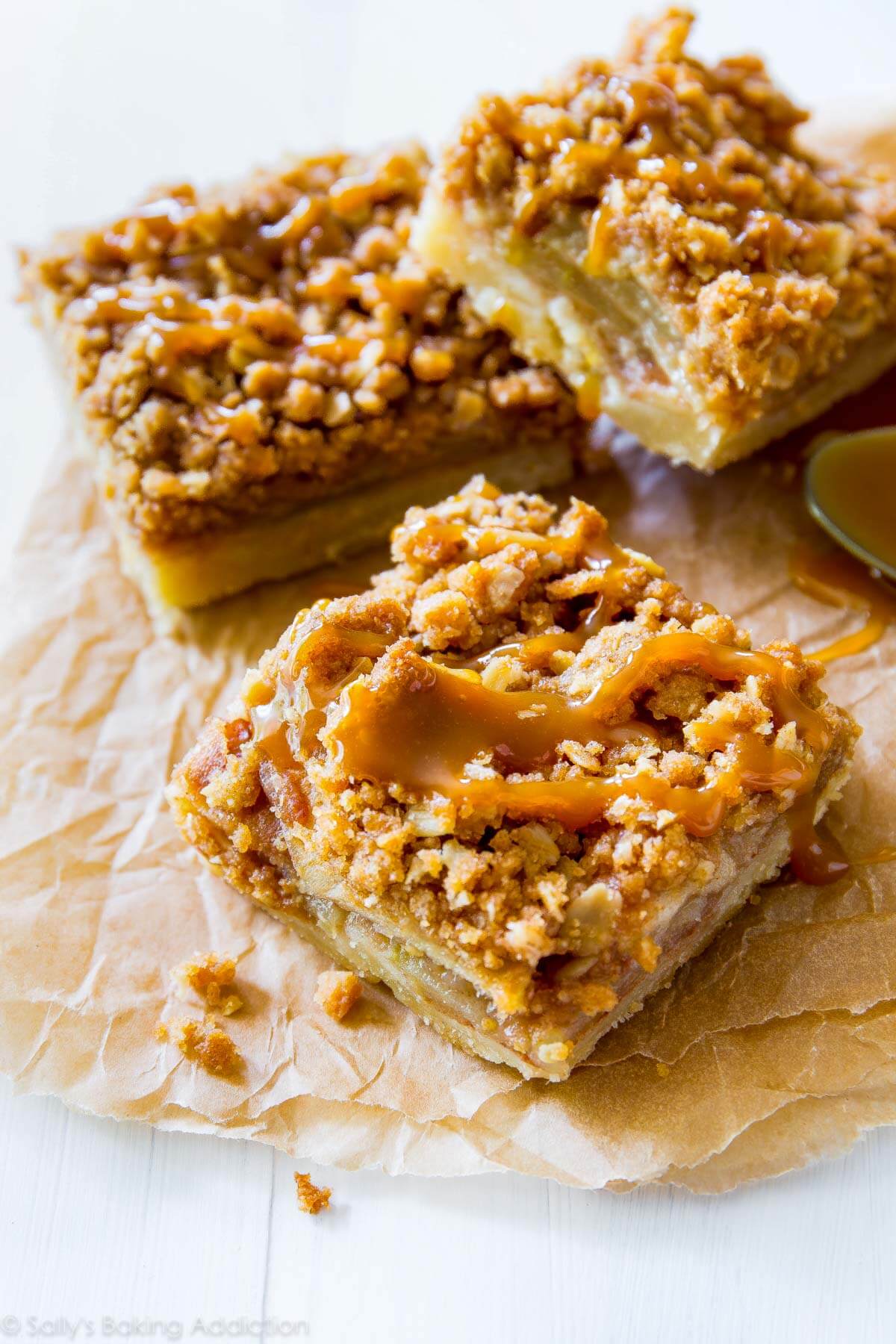
The final layer, a brown sugar and oat streusel, provides the requisite contrast in texture. When combined with a secondary application of salted caramel—typically applied post-baking—the salt serves to counteract the high sugar content of the apples and the caramel itself, balancing the palate in accordance with contemporary flavor preferences that favor sweet-and-savory profiles.
Chronology of Popularity
The rise of "bar-style" pies gained significant momentum between 2010 and 2015 as home bakers sought ways to serve classic flavors at large gatherings without the technical complexity of rolling out delicate dough. The success of this specific recipe led to the development of a broader series of bar-style desserts, including pumpkin, cherry, and blueberry iterations. Analysts of culinary trends note that this shift is largely driven by the "easy-to-serve" requirement of modern event hosting, where portability and standardized portion sizes are prioritized over traditional presentation.
Comparative Data on Apple Varieties
The success of the apple pie bar is heavily dependent on the choice of fruit. The following varieties are consistently identified by culinary experts as the most suitable for high-heat baking:
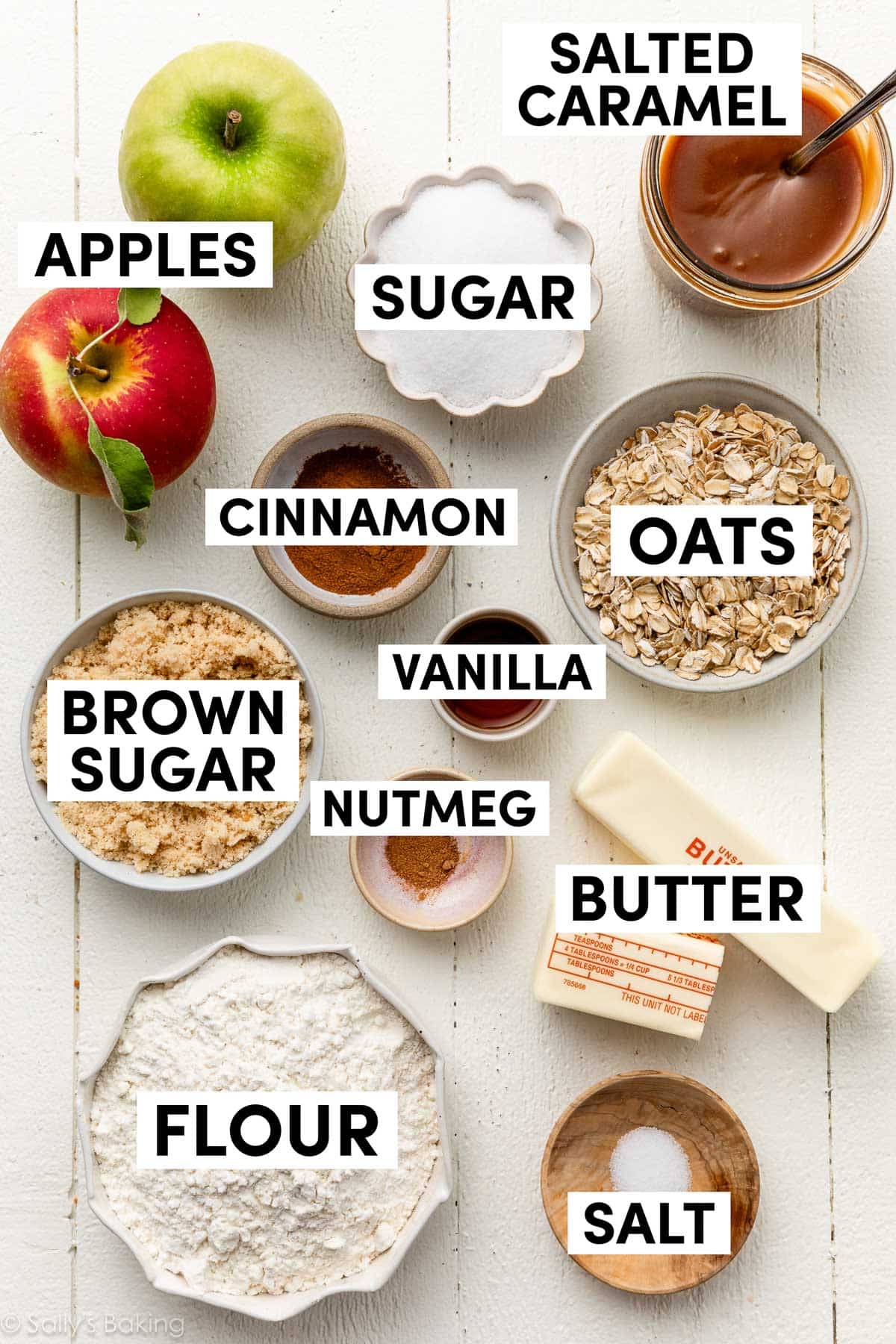
- Granny Smith: Favored for its high acidity and firm flesh, which prevents the fruit from breaking down into an unappealing sauce.
- Honeycrisp: Valued for its structural integrity and balanced sweetness, making it a reliable choice for long-duration baking.
- Pink Lady: Highly recommended for its ability to hold a distinct shape and its vibrant flavor profile that complements warm spices like cinnamon and nutmeg.
Using a mixture of these varieties is standard practice among professional bakers to ensure a balanced acidity and a complex flavor profile that withstands the addition of sugar and fats.
Operational Logistics and Best Practices
For the home baker, the preparation of these bars requires adherence to strict cooling protocols. The necessity of a two-hour refrigeration period post-baking is a critical step that is often overlooked. During this time, the pectin in the apples and the fats in the shortbread stabilize. Failure to allow for this cooling period often results in structural collapse, leading to "soggy" bars that are difficult to serve.
Regarding the incorporation of salted caramel, the distinction between a homemade sauce and a commercial alternative remains a point of debate. While homemade caramel offers superior control over the viscosity and salt-to-sugar ratio, the use of a high-quality commercial sauce is noted as an acceptable time-saving measure, provided the product is added after the bars have cooled to prevent the sauce from thinning too rapidly.
Broader Culinary Implications
The persistence of the salted caramel apple pie bar highlights a shift in consumer demand toward "approachable luxury." By maintaining the high-quality ingredients of a traditional apple pie—fresh fruit, real butter, and house-made caramel—while simplifying the execution, this dessert occupies a middle ground between scratch-baking and convenience.
Furthermore, the scalability of the recipe, which allows for the transition from an 8-inch square pan to a 9×13-inch commercial size, demonstrates the versatility of the format. This scalability is a key factor in why these bars remain a staple for seasonal events, particularly during the autumn months when apple production peaks.
Industry Feedback and Future Outlook
Community feedback remains the primary driver for ongoing adjustments to this recipe. Reports from home bakers suggest that the "bar" format has become a preferred alternative to the traditional pie, particularly for those concerned with the aesthetic failures often associated with pie crusts. As kitchen technology improves—such as the widespread availability of high-precision convection ovens—the ability to achieve a perfectly crisp bottom crust and a golden-brown streusel has become increasingly attainable for the amateur baker.
Looking ahead, the trend toward "deconstructed" classics is expected to continue. The success of the apple pie bar has provided a template for other fruit-based desserts, suggesting that the industry will continue to favor formats that prioritize ease of consumption without compromising the integrity of the base ingredients. The continued popularity of this recipe serves as a case study in how a legacy dessert can be effectively modernized to remain relevant in a changing culinary landscape.
