
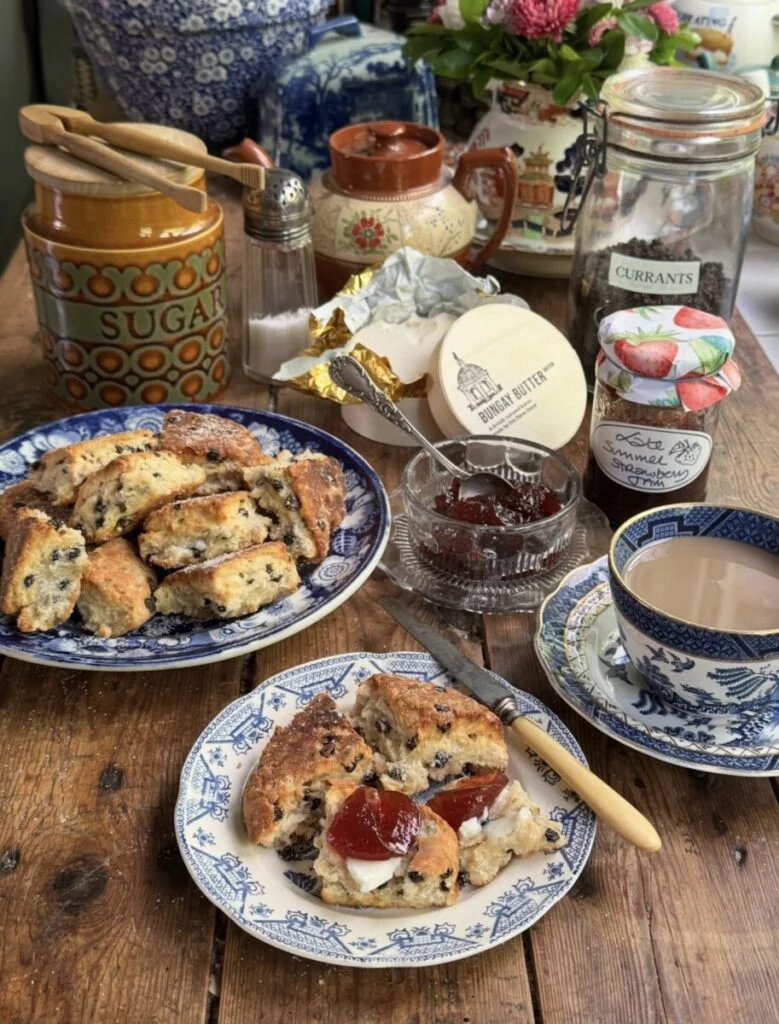
The Origins and Cultural Significance of the Singin’ Hinny
The term "Singin’ Hinny" is deeply embedded in the North East dialect. In the local vernacular, "hinny" is an affectionate term of endearment, historically used to denote a loved one, much like "honey" or "dear." When combined with the descriptive "singin’," the name refers to the audible chemical reaction that occurs during the cooking process. As the dough—which contains a specific ratio of butter and lard—hits the hot surface of a cast-iron griddle, the fat renders and sizzles, producing a rhythmic, hissing sound.

Folklore surrounding the dish suggests that the name originated from the impatience of hungry children awaiting their meal. According to local anecdotes, mothers or grandmothers would placate them by explaining that the cakes were not yet ready, as they were "still singin’, hinny." This narrative highlights the importance of these cakes as a staple of working-class domestic life, where high-calorie, quick-to-prepare griddle items were essential for fueling the labor-intensive lifestyles of the region’s coal mining and industrial communities.

Culinary Composition: A Study in Fat Ratios and Technique
While frequently compared to Welsh cakes, the Singin’ Hinny is distinct in its composition and preparation. Traditional recipes prioritize a specific balance of fats, usually necessitating equal parts butter and lard. The inclusion of lard is a hallmark of 19th and early 20th-century British baking, providing a characteristic flakiness and richness that butter alone struggles to achieve in a griddle-based application.

Technically, the preparation is closer to a drop scone or a soda bread variant than a traditional oven-baked scone. The dough is rolled into large, plate-sized rounds and scored into quarters, rather than being stamped out into small, individual circles. This method of cooking—directly on a preheated griddle—requires a delicate touch and the use of specialized implements. Historically, this included wooden "Singin’ Hinny hands," which acted as tongs to facilitate the turning of the cakes without damaging their soft, crumbly structure.

Historical Timeline and Evolution of the Recipe
The history of the Singin’ Hinny is inextricably linked to the availability of coal-fired griddles, which were once the centerpiece of the North East hearth. Throughout the 1800s and early 1900s, the "girdle" or "griddle" was the primary cooking surface for households that lacked access to a full range oven.

- Pre-1900s: Griddle baking dominates the North East, providing a reliable method for preparing tea-time sustenance using basic pantry staples: flour, lard, butter, currants, and milk.
- 1920s–1950s: As domestic technology advances and standardized ovens become more common, the frequency of griddle baking begins a slow decline. However, the Singin’ Hinny remains a staple for high tea and celebratory events, such as birthdays, in rural Northumberland and County Durham.
- 2000s–Present: A resurgence in interest regarding regional food heritage leads to the inclusion of the Singin’ Hinny in heritage baking collections, such as those maintained by the National Trust at historic sites like Cragside. This transition from a survival-based necessity to a cultural artifact ensures the recipe’s longevity in the modern culinary canon.
Comparative Analysis: Regional Variations
The distinction between the Singin’ Hinny and its contemporaries is a subject of ongoing discussion among food historians. While the Scottish scone and the Welsh cake share similar ingredient profiles, the regional identity of the Singin’ Hinny is defined by the "large round" format. Modern bakers often deviate from this, choosing to stamp out individual rounds to mirror the convenience of modern scone preparation. However, traditionalists argue that this shift alters the internal texture of the cake, as the larger round allows for a more controlled, steam-heavy environment during the griddle-cooking phase, resulting in a moister crumb.

Furthermore, the inclusion of sugar is a point of divergence. Older, more austere recipes frequently omitted sugar, relying on the natural sweetness of the dried currants to provide flavor. This aligns with the historical usage of these cakes as a savory-leaning accompaniment to butter or cheese, rather than solely a sweet treat.

Socio-Economic Implications of Traditional Food Preservation
The preservation of recipes like the Singin’ Hinny serves a dual purpose: it maintains regional identity in an era of globalized culinary standards and provides a tangible link to the domestic labor of past generations. Culinary researchers note that the act of "griddle baking" requires a level of sensory feedback—listening for the "singing" of the fats—that is absent in modern, automated baking.

From an economic perspective, the rise of "heritage tourism" has seen traditional foods gain new life. Establishments in Northumberland that serve authentic, historically accurate versions of these cakes report high levels of engagement from both locals and tourists seeking an authentic taste of North East culture. This demand has incentivized local bakeries to maintain traditional production methods, even when those methods are more labor-intensive than modern alternatives.

Current Perspectives and Future Outlook
The persistence of the Singin’ Hinny in the 21st century is supported by institutional efforts to document and preserve regional recipes. Organizations such as the National Trust have taken an active role in keeping these traditions alive, often featuring the recipe in their visitor centers and public education programs. This institutional support transforms the humble cake into a vehicle for historical education.

While the ingredients remain simple, the value placed on the Singin’ Hinny has increased as public interest in "slow food" and ancestral diet movements grows. Nutrition data indicates that while these cakes are calorie-dense, their role in a balanced, traditional diet was to provide sustained energy for manual labor. Today, they are viewed primarily as a luxury or a commemorative item, enjoyed during afternoon tea or as part of a curated regional spread.

Ultimately, the Singin’ Hinny remains more than a simple griddle cake. It is a testament to the ingenuity of North East English households that transformed modest, accessible ingredients into a cultural staple. Whether it is the specific fat ratios, the auditory cue of the "singing" fats, or the linguistic charm of the name, the dish continues to occupy a vital space in the landscape of British culinary history, ensuring that the legacy of the region’s hearth remains both heard and tasted by future generations.
