
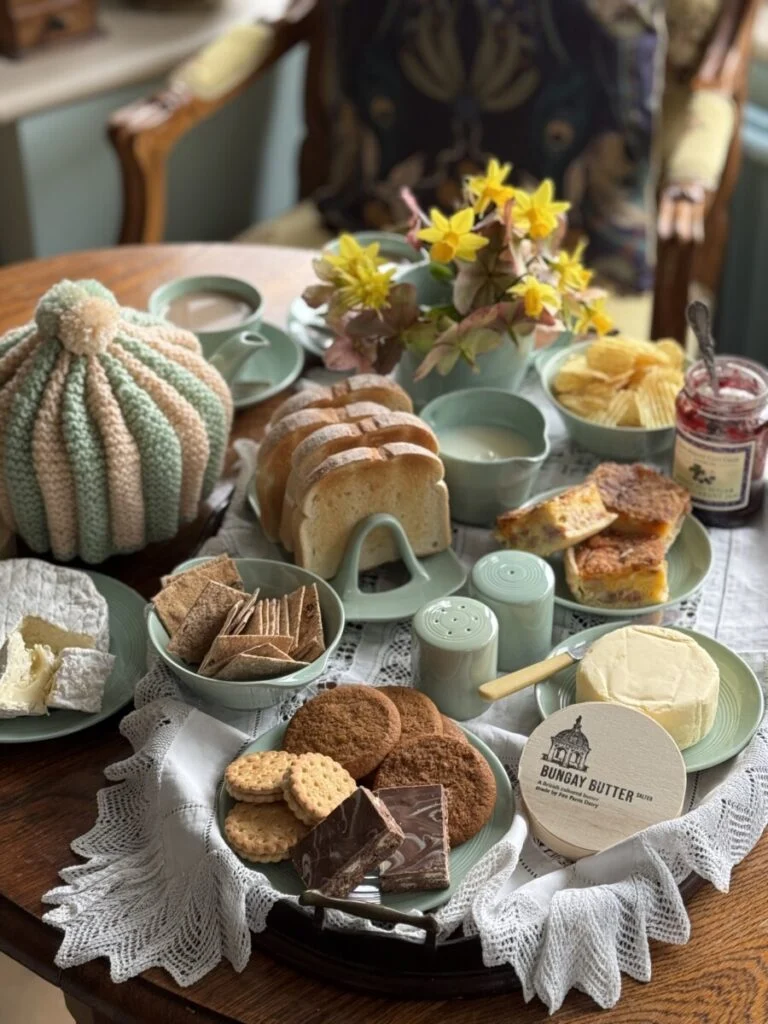
The distinction between Afternoon Tea and High Tea is frequently misunderstood, particularly in regions outside of the United Kingdom, such as North America and Australia. While the terms are often used interchangeably in colloquial settings to describe an elegant late-afternoon meal, they possess distinct historical origins, social connotations, and structural compositions. Misinterpretation of these traditions often stems from the evolution of language and the international adoption of these practices, leading to frequent public discourse regarding the authenticity of service.

Historical Origins and Socioeconomic Context

The practice of "Afternoon Tea," historically referred to as "Low Tea," emerged in the mid-19th century as a social ritual for the upper classes. Credit for the formalization of the custom is widely attributed to Anna Maria Russell, the 7th Duchess of Bedford. Around 1840, the Duchess reportedly experienced a "sinking feeling" during the long gap between a light luncheon and a late dinner. To remedy this, she requested a service of tea, bread, and butter in her private quarters.

The ritual quickly transitioned from a private necessity to a social event. By the mid-1800s, it had become a fixture in high society, served in drawing rooms or parlors. The term "Low Tea" is derived from the physical height of the furniture; it was served on low coffee tables or side tables, necessitating that guests sit in comfortable, low-slung armchairs. The menu was designed to be delicate and manageable, consisting of thin, crustless finger sandwiches, scones served with clotted cream and jam, and an assortment of small, decorative pastries.

Conversely, "High Tea" is rooted in the working-class culture of the Industrial Revolution. Rather than a leisurely social diversion, High Tea was a functional, hearty evening meal served to laborers after a long day of work. The term "High" refers to the height of the dining table, as it was served at the standard-height kitchen or dining room table where the family would sit on upright chairs. Unlike the dainty offerings of Afternoon Tea, a traditional High Tea was intended to provide substantial sustenance.

Chronology of Development

The evolution of these meals can be viewed as a reflection of 19th-century British class structures:

- Late 1700s–Early 1800s: The emergence of afternoon tea service in spa towns like Bath and Harrogate, providing refreshments for those seeking health treatments.
- 1840: The Duchess of Bedford formalizes the ritual of Afternoon Tea within the aristocracy.
- Mid-to-Late 1800s: The rapid industrialization of Britain leads to the establishment of "High Tea" as a staple for the working class, serving as the main evening meal.
- Late 19th Century: Afternoon Tea becomes a public phenomenon, with hotels and tearooms incorporating the practice into their services, further cementing its image as a luxury experience.
- 20th Century–Present: The globalization of British food culture leads to the conflation of the two terms, particularly in the United States, where "High Tea" is frequently used as a synonym for "Afternoon Tea."
Comparative Structural Analysis

The structural differences between the two remain a point of contention for culinary historians. An authentic Afternoon Tea is a light, three-tiered affair. The bottom tier typically holds savory items, such as finger sandwiches filled with cucumber, smoked salmon, or egg mayonnaise. The middle tier features scones—the cornerstone of the "Cream Tea" variation—served with clotted cream and preserves. The top tier is reserved for petit fours, éclairs, or small cakes.

High Tea, by contrast, is a savory, protein-heavy repast. Common items include meat dishes such as cold cuts, pork pies, or sausages, along with baked goods like vegetable stews, Welsh rarebit, or thick, crusty bread. While it includes tea, the focus is on the meal itself rather than the accompaniment. This clear divide highlights the difference between a mid-afternoon snack meant to tide one over until dinner and a late-day meal designed to replace dinner entirely.

Data and Cultural Implications

The confusion surrounding these terms is more than a semantic disagreement; it represents a shift in global cultural consumption. Surveys from hospitality industry analysts suggest that over 60% of hotels in the United States that advertise "High Tea" are, in fact, providing a service that aligns with the definition of "Afternoon Tea."

From a linguistic perspective, this phenomenon is an example of semantic drift. In the American context, the word "High" is often perceived as an indicator of luxury, leading to the assumption that "High Tea" is the more sophisticated or formal version of the two. This perception is essentially the inverse of the historical reality, where "Low Tea" (Afternoon Tea) was the exclusive domain of the landed gentry, and "High Tea" was the sustenance of the working class.

Sociological Perspectives on Culinary Traditions

The reactions to the conflation of these terms are often sharp. Culinary historians and traditionalists frequently point out that calling a light snack "High Tea" strips the meal of its historical context. When social media platforms or hospitality venues mislabel these events, it often triggers public debate, as seen in the recent discourse among food historians who advocate for the preservation of these specific British traditions.

The broader implication of this trend is the gradual erasure of the historical nuance that defined 19th-century British domestic life. As culinary traditions become globalized, they are often reshaped by the values and perceptions of the host country. For those who prioritize historical accuracy, the preservation of these distinctions is vital. It serves as a reminder that food is inextricably linked to the social and economic conditions of its time.

Current Trends in the Hospitality Sector

Despite the debate, the hospitality industry continues to cater to the modern consumer’s desire for the "Afternoon Tea" experience. Modern variations now include seasonal adaptations, such as festive Christmas teas or spring-themed events featuring local produce like rhubarb or gooseberries.

While the debate over terminology is unlikely to be fully resolved in the public sphere, the fundamental difference remains clear to those who study the evolution of domestic customs. Whether one is enjoying the delicate finger sandwiches of a traditional Afternoon Tea or the robust, savory dishes of a proper High Tea, the experience is best understood through the lens of its origins.

The persistence of these discussions on digital platforms suggests that there is a growing interest in the authentic history behind food. As individuals continue to seek out "traditional" experiences, the demand for accurate information regarding the difference between these two tea services will likely increase, encouraging more establishments to provide education alongside their menus.

In conclusion, the confusion between Afternoon Tea and High Tea is a byproduct of cultural evolution and marketing language. However, the historical reality remains consistent: one is an upper-class leisure activity defined by its low tables and light refreshments, while the other is a working-class culinary staple defined by its substantial fare and high tables. Understanding this distinction provides a deeper appreciation for the social history of the United Kingdom and the development of one of the world’s most enduring culinary traditions.
