
The Evolution of the Bolognese Tradition
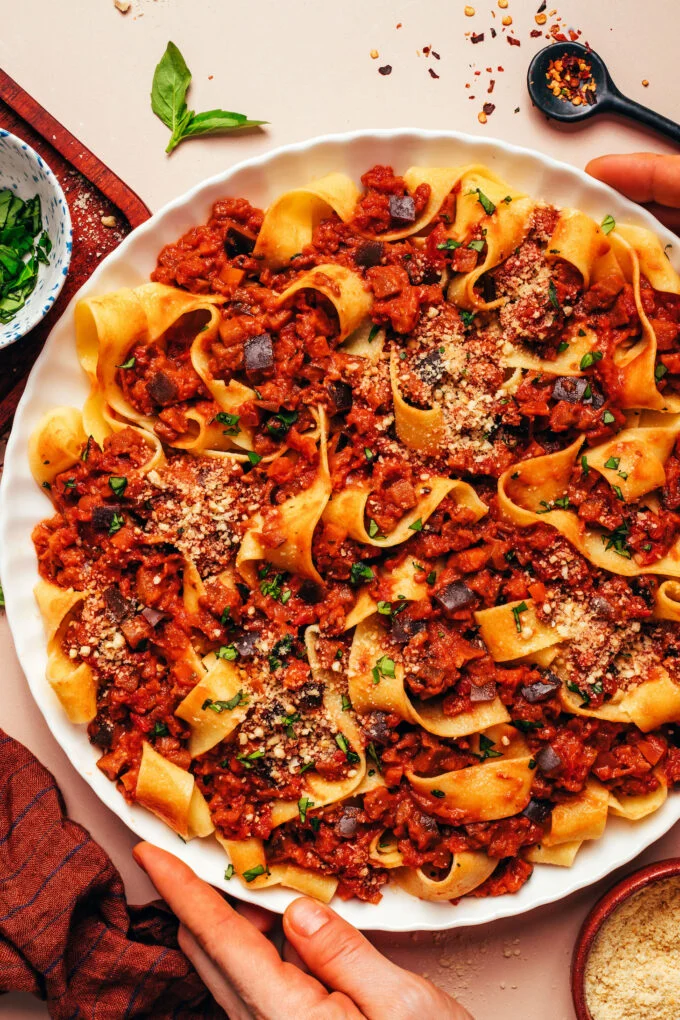
The classic Bolognese, or ragù alla bolognese, traces its origins to the city of Bologna in the Emilia-Romagna region of Italy. Historically, the dish is characterized by a slow-cooked meat base—typically a combination of beef and pork—combined with a soffritto of finely diced onions, celery, and carrots. The sauce is traditionally enriched with wine and a small amount of dairy, such as milk or cream, which serves to tenderize the meat and balance the acidity of the tomato base.
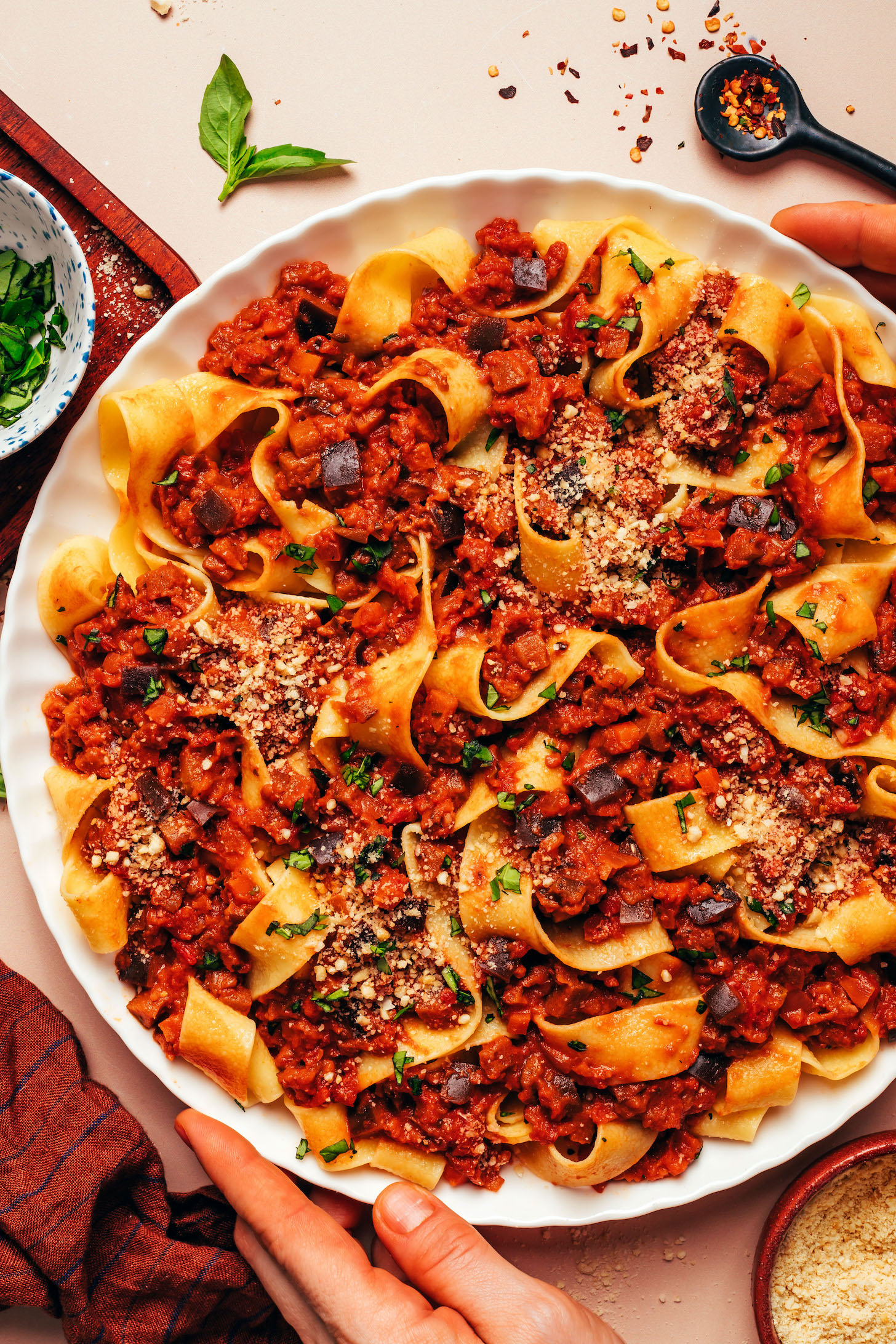
The adaptation of this dish into a plant-based format represents a significant shift in culinary methodology. Modern iterations, such as the one-pot eggplant model, rely on the umami-rich properties of vegetables to replicate the mouthfeel and depth traditionally provided by animal proteins. Eggplant, when diced and sautéed until caramelized, provides a structural density that mimics ground meat, while the inclusion of cashew milk serves as a functional substitute for the traditional dairy component, providing a creamy finish without relying on animal products.
Chronology and Development of the Recipe
The development of this specific recipe follows a series of successful plant-based iterations published by the Minimalist Baker platform. Over the past several years, the site has released multiple variations, including versions utilizing mushrooms, red lentils, tempeh, and chickpeas. The introduction of an eggplant-based version marks a strategic pivot toward late-summer produce, utilizing seasonal availability to enhance flavor profiles.
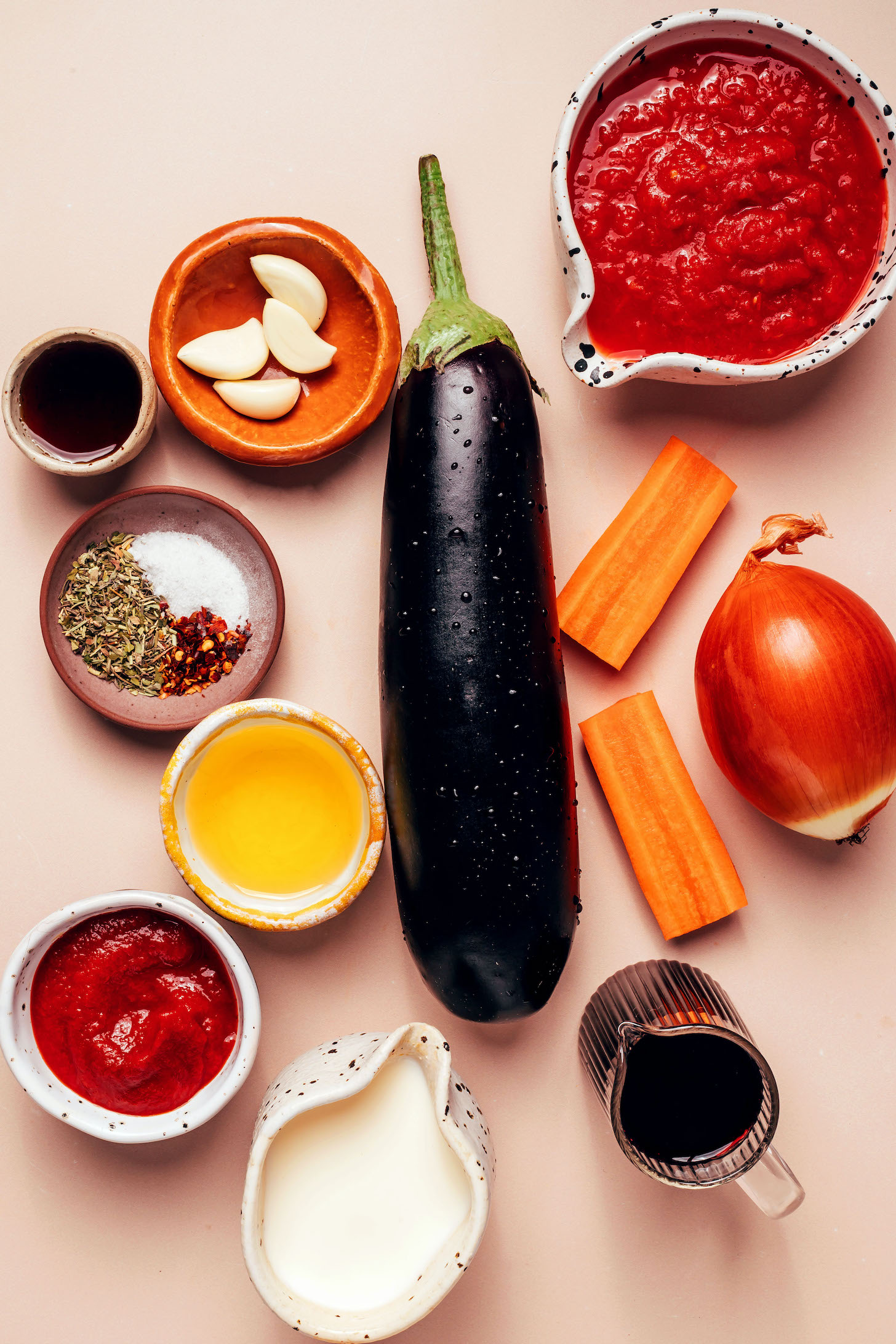
The production cycle for this dish follows a streamlined, professional kitchen workflow:
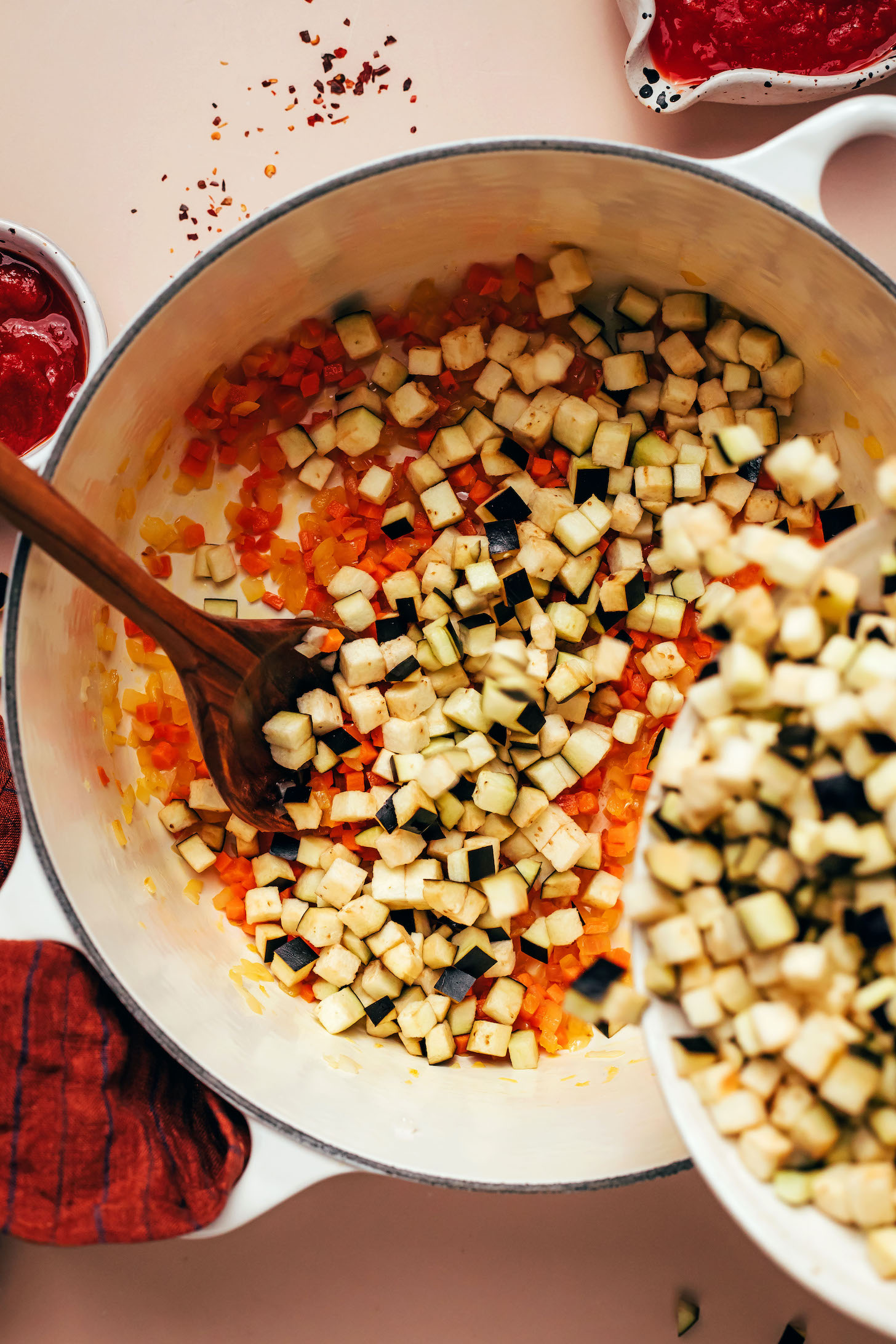
- Preparation (0–15 minutes): The process begins with the preparation of the soffritto base. Onion and carrots are sautéed until translucent, creating a savory-sweet foundation.
- The Maillard Reaction (15–25 minutes): Finely cubed eggplant is introduced to the pan. This step is critical, as the eggplant must be browned thoroughly to achieve the desired texture and to ensure the vegetable releases its moisture properly, preventing a watery final sauce.
- Deglazing and Flavor Integration (25–35 minutes): Garlic and red pepper flakes are added, followed by a deglazing process using red wine. This step releases the fond—the caramelized bits at the bottom of the pot—effectively layering flavor into the sauce.
- Simmering (35–45+ minutes): The addition of crushed tomatoes, tomato paste, dried herbs (basil and oregano), and a splash of cashew milk facilitates the emulsification process. A minimum simmer of 30 minutes is recommended to allow the sauce to thicken and the flavors to concentrate through the evaporation of excess water.
Nutritional Analysis and Dietary Implications
From a nutritional standpoint, the shift from a traditional meat-based Bolognese to an eggplant-based version offers significant changes in macronutrient profiles. Traditional meat-based sauces are often high in saturated fats and cholesterol. In contrast, the eggplant-based version, as prepared in this one-pot method, contains zero cholesterol and significantly lower saturated fat levels.
Data indicates that a single serving of this dish provides approximately 284 calories, with 31.9 grams of carbohydrates and 8.3 grams of dietary fiber. The high fiber content is largely attributed to the inclusion of eggplant, which aids in digestion and contributes to satiety. Furthermore, the sauce provides 6.6 grams of protein per serving, which can be further augmented by incorporating legumes such as lentils or serving the sauce alongside high-protein pasta alternatives. The high potassium content, measured at 1,040 mg per serving, underscores the mineral density provided by the vegetable-forward ingredient list.
Culinary Techniques for Success
Professional culinary standards for this dish emphasize the importance of the "one-pot" approach. The technique relies on the Dutch oven or heavy-bottomed pot to maintain consistent thermal mass, which is essential for uniform cooking. Chefs note that the size of the eggplant cubes is of particular importance; if cut too large, they may fail to break down sufficiently; if cut too small, they may lose their texture entirely. The "sweet spot" is typically a 1/2-inch cube.
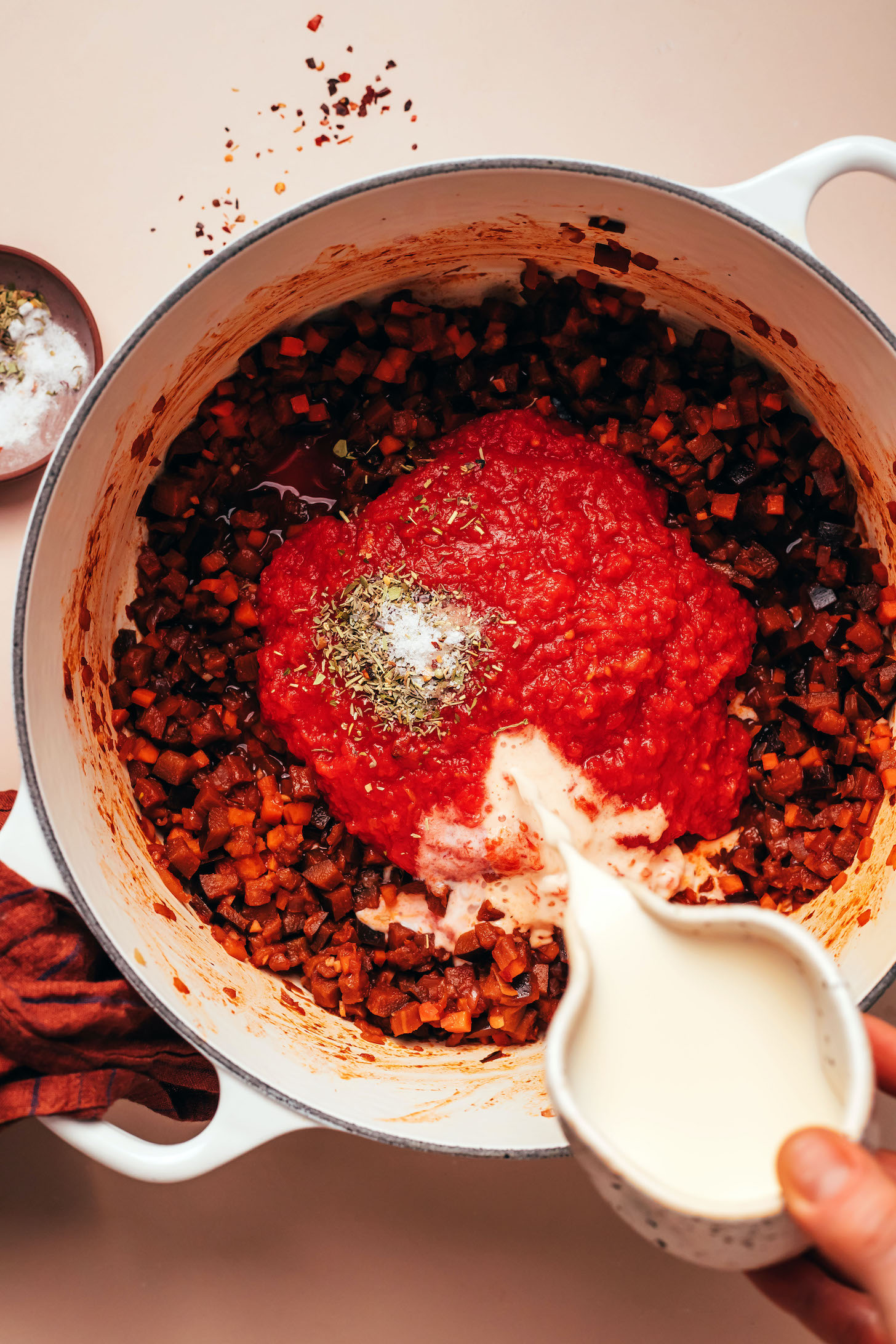
The use of cashew milk as a dairy alternative is a technical decision based on the high fat content of cashews, which helps to bind the sauce and create a "silky" mouthfeel similar to traditional dairy-enriched ragù. The final addition of maple syrup is a common culinary tactic used to counteract the natural acidity of canned tomatoes, ensuring the sauce is balanced rather than overly tart.
Broader Impact on Home Cooking Trends
The rise of such recipes reflects broader societal trends toward "conscious consumption." According to recent consumer surveys, there has been a 15–20% increase in the number of households attempting to incorporate at least two plant-based dinners into their weekly routine. This "flexitarian" movement has forced a modernization of classic recipes, as home cooks seek to maintain the traditions of Italian cuisine while adhering to health-conscious or environmental goals.
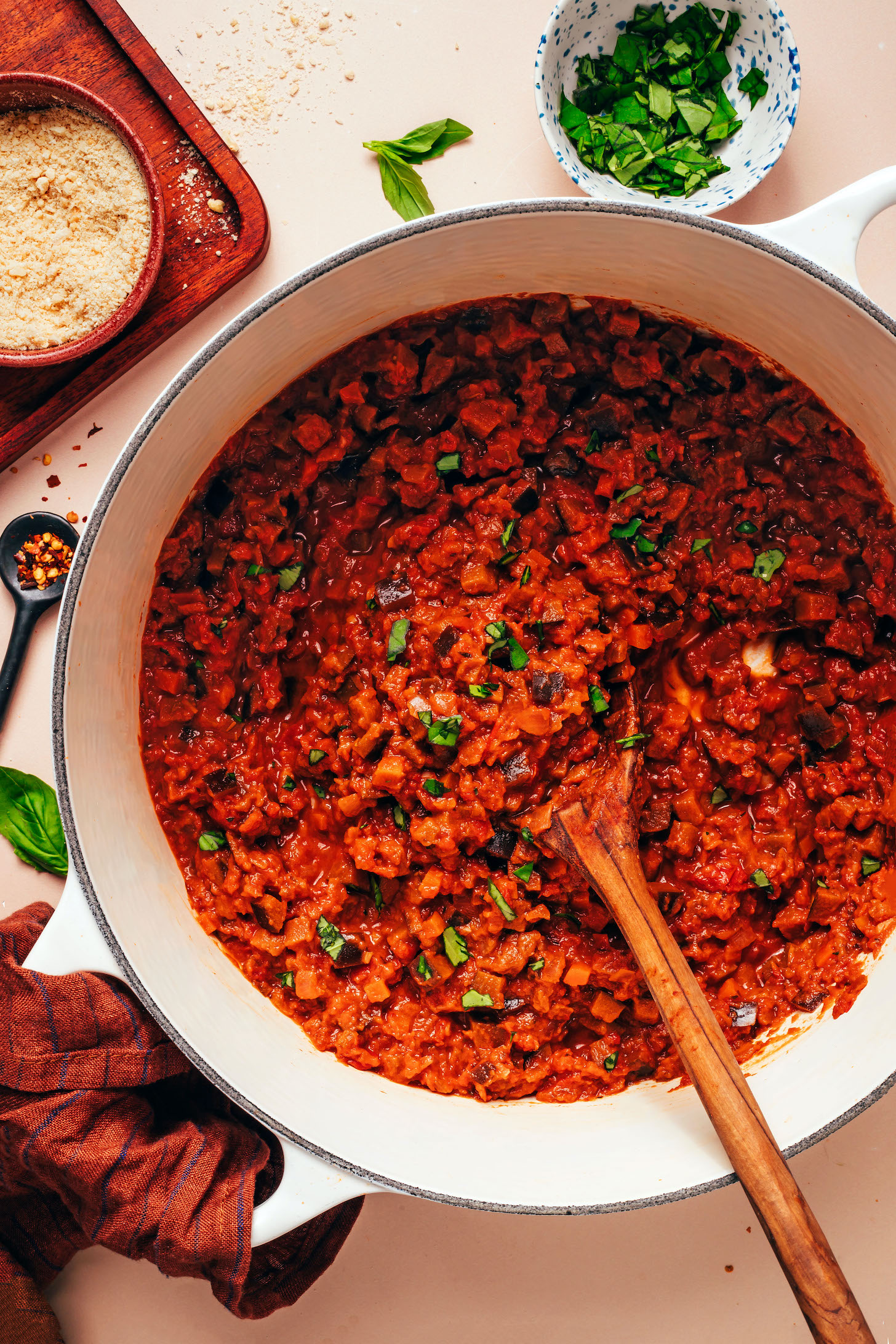
Industry analysts suggest that the "one-pot" format is a direct response to the "time-poverty" reported by urban professionals. By reducing the number of pots and pans used during the cooking process, the recipe removes a significant psychological barrier to home cooking. The efficiency of the 45-minute total preparation time, including prep and cook, makes this dish competitive with processed, pre-packaged convenience meals, yet it offers significantly higher nutritional value and lack of preservatives.
Expert Perspectives and Future Outlook
Culinary experts observe that the adoption of eggplant as a meat substitute in Italian cooking is gaining traction in both home kitchens and professional establishments. While eggplant has long been a staple in Mediterranean dishes like pasta alla norma, its application in a Bolognese-style ragù represents a more robust utilization of the vegetable’s unique texture.
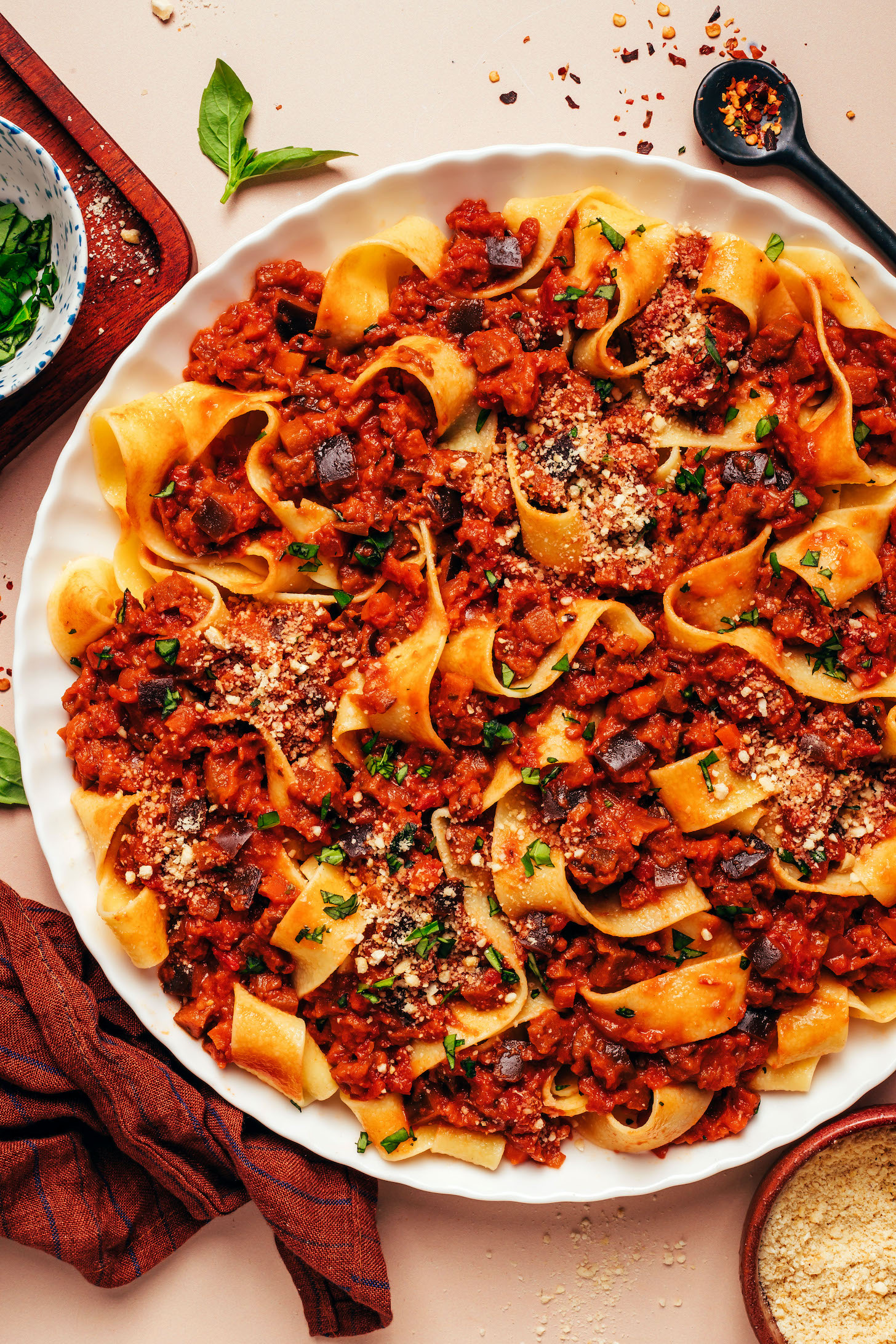
Looking forward, the trend toward high-efficiency, plant-based cooking is expected to continue. As more households transition to induction cooktops or smaller living spaces, the demand for equipment-minimalist recipes will likely drive further innovation in the "one-pot" category. The success of this specific recipe, characterized by its reliance on pantry staples like canned tomatoes, dried herbs, and aromatics, suggests that the future of home cooking lies in the intersection of traditional flavor profiles and modern, streamlined preparation techniques.
In conclusion, the Minimalist Baker’s Eggplant Bolognese serves as a case study for modern culinary adaptation. By distilling a complex, time-intensive traditional dish into a 45-minute, one-pot process, the recipe provides a viable, healthy, and accessible alternative to conventional meat-based sauces. Whether for the purpose of health, sustainability, or simple kitchen efficiency, the dish represents the contemporary evolution of the classic Italian culinary tradition.
