
The contemporary social landscape has seen a marked shift in celebratory dining, with the "brunch" phenomenon evolving from a casual weekend indulgence into a structured, high-demand hospitality category. Whether marking a milestone anniversary, a birthday, or a corporate networking event, the brunch format—typically occurring between 10:00 AM and 2:00 PM—offers a logistical flexibility that traditional dinner parties often lack. Data from recent hospitality industry surveys suggests that consumers are increasingly favoring hybrid dining experiences that prioritize extended interaction time over formal, high-pressure evening service.

The Evolution of the Brunch Phenomenon
Brunch, a portmanteau of breakfast and lunch, traces its origins to late 19th-century England, though it gained significant cultural traction in the United States during the 1930s. Initially a social ritual for the affluent, it has since permeated all socio-economic strata. Market analysts observe that the popularity of brunch is rooted in its psychological benefit: it facilitates a "low-stakes" environment where the focus remains on interpersonal connection rather than the rigid etiquette of formal evening banquets.
The current trend toward "celebratory brunching" is further evidenced by the rise of the "bottomless" service model. Hospitality experts note that this format removes the transactional friction of bill-splitting and beverage management, allowing hosts and guests to focus entirely on the occasion.

Strategic Planning: Domestic vs. Commercial Venues
The primary decision facing any organizer is the selection of a venue. Choosing to host at home or in a commercial space involves distinct logistical considerations.
Hosting at home offers total control over the environment, from the curation of a bespoke menu to the specific auditory backdrop. For events requiring a high degree of intimacy, such as a family birthday or an engagement celebration, the home setting allows for prolonged interaction without the constraints of restaurant turnover times. However, this requires significant labor—specifically in food preparation, beverage service, and post-event cleanup.

Conversely, professional hospitality venues—ranging from bistros to high-end hotels—have adapted their operations to accommodate large brunch parties. Booking a commercial venue mitigates the "hosting fatigue" often associated with domestic events. Industry feedback from professional event planners suggests that for groups exceeding eight people, a restaurant setting is statistically more likely to result in a successful outcome, as professional staff manage the complexities of service flow, temperature control, and supply chain logistics.
Menu Engineering for the Optimal Brunch
Regardless of the venue, the menu serves as the anchor of the event. A balanced brunch menu must account for diverse dietary requirements and the intersection of savory and sweet flavor profiles. Culinary experts recommend a "ratio-based" approach: approximately 60% savory items to 40% sweet items.

A successful menu often includes:
- Protein-heavy mains: Frittatas, quiches, or smoked salmon platters provide a substantial base.
- The "Carbohydrate Anchor": Sourdough breads, artisan pastries, or pancake/waffle stations.
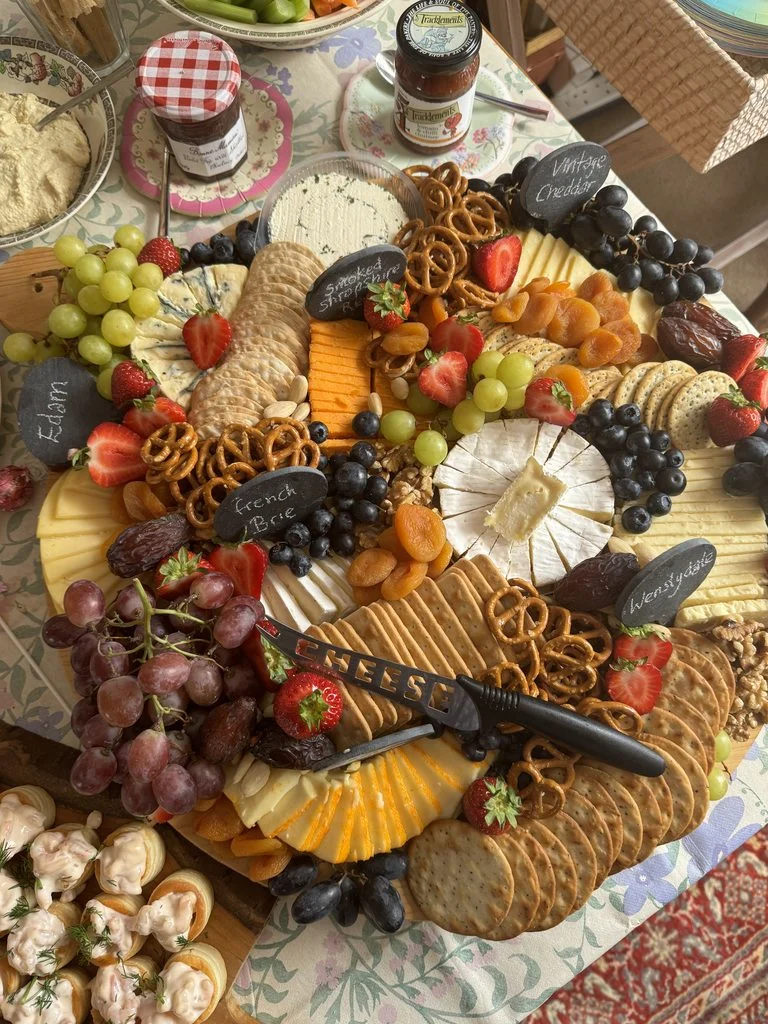
- Fresh Accoutrements: Seasonal fruit salads, Greek yogurt, and artisanal cheese boards provide necessary acidity and texture.
From a nutrition standpoint, the integration of fresh produce is vital. Recent shifts in consumer demand emphasize locally sourced, seasonal ingredients. Incorporating these elements not only enhances the flavor profile but also aligns with current sustainability trends in the catering industry.

Chronological Execution: A Timeline for Success
To achieve a seamless experience, professional event organizers utilize a rigorous timeline. For a home-hosted event, this schedule is paramount to reducing stress and ensuring the host remains present for the celebration:
- 72 Hours Prior: Finalize the guest list and dietary restrictions. Purchase non-perishable goods and beverages.
- 48 Hours Prior: Prep the venue space. Begin cleaning and staging decor, such as fresh floral arrangements or table settings.
- 24 Hours Prior: Execute "mise en place"—chopping vegetables, preparing sauces, and marinating proteins. Bake any items that benefit from a day of settling.
- Morning of the Event: Final assembly of fresh dishes, such as fruit platters or cold salads. Arrange the beverage station.
- 30 Minutes Before Arrival: Light candles, adjust lighting, and initiate the audio playlist.
The Critical Role of Beverage Service
A sophisticated beverage program is the hallmark of a high-quality brunch. The emergence of the "build-your-own" drink station has become an industry standard. By providing base spirits—such as chilled sparkling wine or high-quality gin—alongside a variety of juices (peach, mango, cranberry) and fresh garnishes (berries, mint, cucumber), the host provides an interactive experience that doubles as entertainment.

For non-alcoholic options, the market has expanded significantly. Infused waters, cold-brew coffees, and artisanal teas are now expected staples. Providing a robust selection of non-alcoholic beverages is not merely a gesture of inclusivity; it is a fundamental aspect of modern event planning that ensures all guests are accommodated.
Environmental Atmosphere and Behavioral Impact
The physical environment—often overlooked—plays a significant role in the success of an event. Studies in sensory marketing indicate that lighting and ambient sound have a direct correlation to guest satisfaction.

- Acoustics: A carefully curated playlist should occupy the background, operating at a volume that encourages conversation rather than competing with it.
- Visuals: Table aesthetics do not require excessive expenditure. Simple, clean linens, place cards, and minimal centerpieces serve to delineate the space and signal to guests that the event is intentional and organized.
Socio-Economic Implications of the Brunch Culture
The rise of the "brunch economy" has had tangible impacts on the hospitality and retail sectors. Small businesses have pivoted to capitalize on the weekend brunch rush, with many establishments noting that brunch-related revenue now accounts for a significant percentage of their total weekly intake. This shift has necessitated changes in labor laws, staffing schedules, and supply chain management for small to mid-sized cafes.
Furthermore, the social pressure to curate "perfect" events—often amplified by digital platforms—has led to an increase in demand for professional event services. Whether it is an individual hiring a private chef for a brunch at home or a group booking a venue, the industry has responded by offering "all-inclusive" packages that cater to the desire for a high-end experience without the logistical burden.

Final Considerations for the Host
Ultimately, the success of a brunch is measured by the quality of the interactions it fosters. While a Strawberries and Cream Pancake Party Platter or a perfectly balanced bellini bar contributes to the aesthetic, the objective remains the creation of a communal space.
As noted by hospitality researchers, the "perfect" event is one where the mechanics of the gathering are sufficiently managed that the host feels free to engage. The transition from a series of tasks to a cohesive celebration is the ultimate goal of event planning. By focusing on preparation, diverse menu options, and an inviting atmosphere, the host can ensure that the brunch becomes a reliable, memorable, and enjoyable ritual for all involved parties. Whether celebrating a major life event or simply reclaiming time with friends, the brunch remains one of the most effective and elegant ways to gather in the modern age.
