
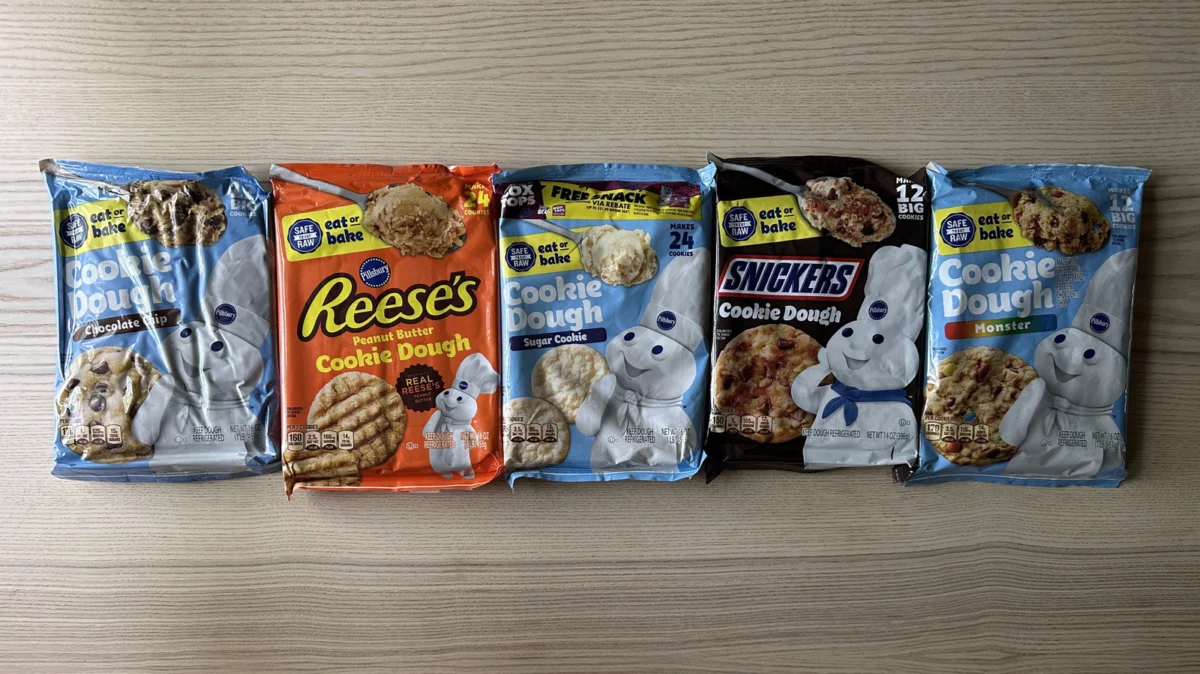
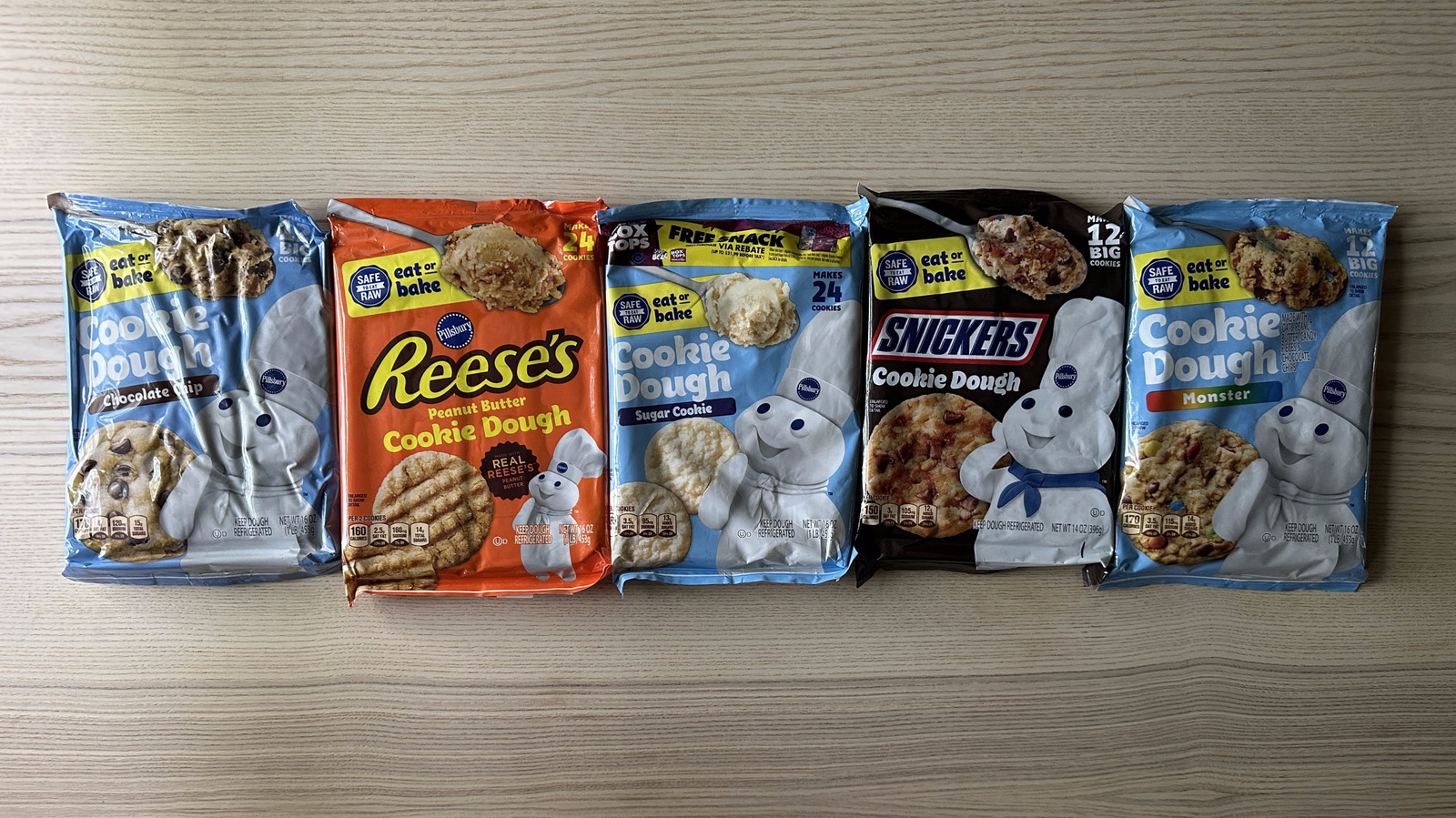
The convenience food market has seen a significant evolution over the past decade, driven largely by consumer demand for high-quality, time-saving solutions in the home kitchen. Among the stalwarts of this industry is General Mills’ Pillsbury brand, which has long dominated the refrigerated dough category. By eliminating the necessity for measuring raw ingredients, chilling dough, and managing complex baking logistics, ready-to-bake products have become a staple for time-constrained households. A recent performance analysis of five distinct Pillsbury cookie dough varieties reveals that while the convenience factor remains a primary driver for purchase, the sensory experience—specifically texture and flavor balance—remains the key differentiator between market leaders and underperforming SKUs.
Market Context and the Evolution of Refrigerated Dough
The rise of the refrigerated dough market is intrinsically linked to the "baking at home" movement, which saw a massive surge during the global health crisis of 2020. According to data from industry analysts at Mintel, the shelf-stable and refrigerated baking category experienced a 20% year-over-year growth rate during the pandemic, a trend that has since stabilized but not fully receded. Consumers, now accustomed to the ease of "pre-portioned" baking, continue to seek out products that mimic the sensory profile of scratch-made goods without the associated labor.
Pillsbury’s strategy has centered on aggressive co-branding, leveraging partnerships with established confectionery giants like The Hershey Company to drive interest in its seasonal and permanent lines. By integrating recognizable brand names like Reese’s and Snickers, the company targets the "impulse buy" demographic within the grocery store’s refrigerated aisle.
Comparative Performance Ranking
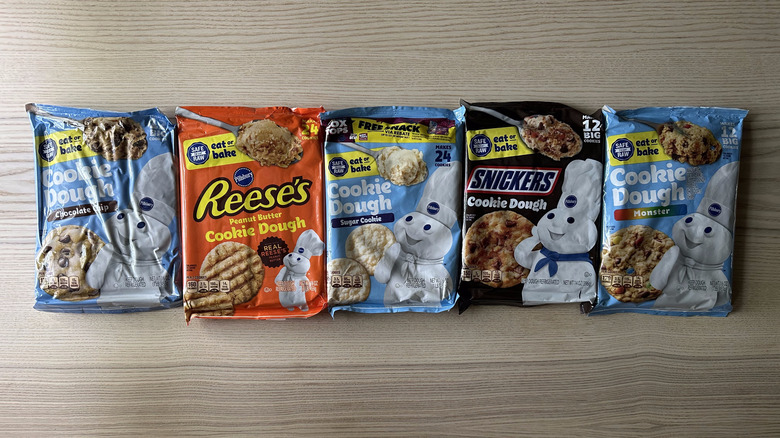
To determine the efficacy of these products, a controlled evaluation was conducted, adhering to standard domestic oven specifications. The variables prioritized were ingredient integration, structural integrity (spread and rise), and flavor profile complexity.
1. The Chocolate Chip Benchmark
The classic Chocolate Chip variety remains the industry gold standard. Analysis indicates that this SKU offers the most consistent structural performance, achieving a characteristic crisp edge and a supple, moist center. From a chemical perspective, the leavening agents in the dough are calibrated to ensure a reliable "spread" that mimics artisanal cookies. The inclusion of semi-sweet morsels provides a necessary contrast to the sugar-rich base, and the subtle addition of salt—a common trend in modern baking known as "swalty" (sweet and salty)—enhances the overall palatability. It outperforms other variants due to its lack of over-complication, relying on foundational baking chemistry rather than supplemental candy additives.
2. The Complexity of Monster Cookie Dough
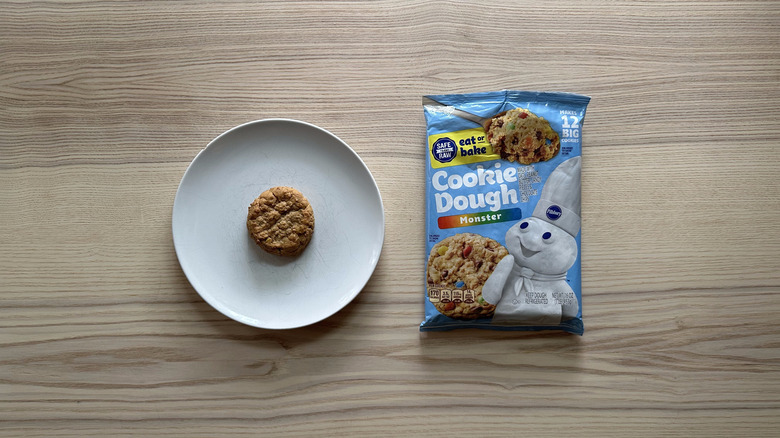
Ranking second is the Monster Cookie variety, which offers a departure from traditional profiles. This dough is distinct for its inclusion of oats, which fundamentally alters the crumb structure. The nutritional and textural implications of oats are significant; they add a fiber-dense, slightly rustic mouthfeel that differentiates this product from the refined flour bases of the other options. While the visual aesthetic is less uniform than the chocolate chip variety, the diversity of ingredients—peanut butter, chocolate chips, and candy pieces—creates a complex flavor profile that appeals to consumers looking for variety in a single bite.
3. Snickers-Infused Dough
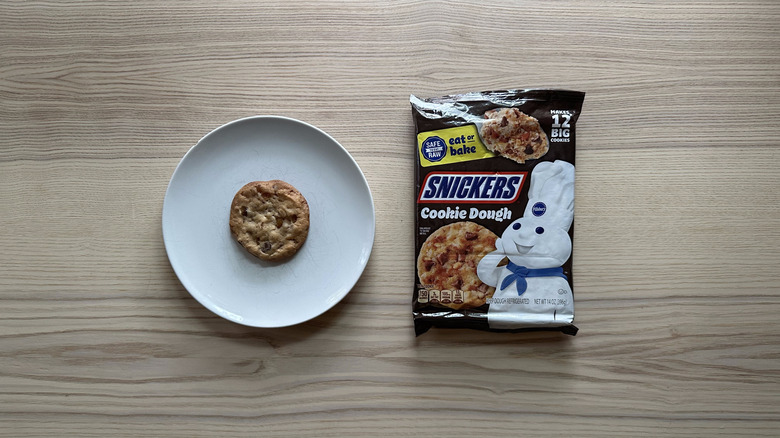
The Snickers-branded dough occupies the middle ground. While the collaboration is conceptually sound, the execution faces technical challenges regarding sugar saturation. When caramel, peanuts, and chocolate are introduced into a standard cookie base, the resulting product can cross the threshold into cloying sweetness. Analysis suggests that the dough’s base struggles to balance the high sugar content of the inclusions, leading to a flavor experience that some consumers find overwhelming after the first serving. However, the textural inclusion of peanuts provides a necessary crunch that elevates it above the standard sugar cookie.
4. The Limitations of the Sugar Cookie
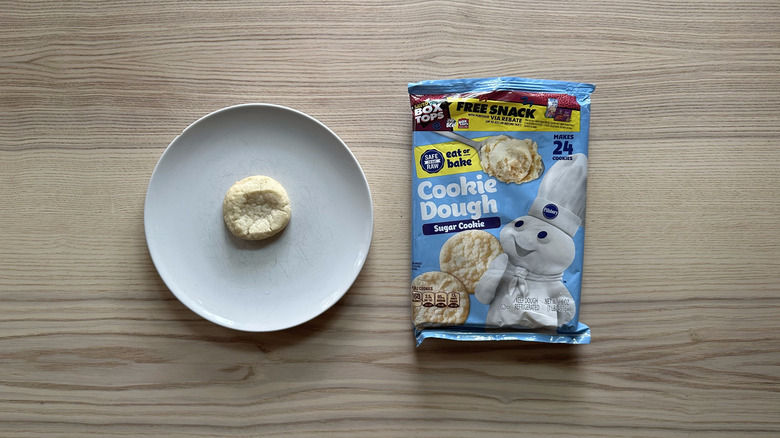
The plain Sugar Cookie variety, while a traditional favorite, ranks fourth due to its lack of flavor depth. In the competitive landscape of ready-to-bake goods, the sugar cookie acts as a "blank canvas," but in a pre-mixed format, it often lacks the complexity of butter-forward, scratch-made alternatives. The structural performance is satisfactory, with a reliable rise and even browning, but the profile remains one-dimensional. Market analysts suggest that this product is increasingly viewed as a base for secondary culinary activities, such as decorating or sandwiching with frostings, rather than as a standalone gourmet product.
5. Reese’s Peanut Butter Cookie Dough
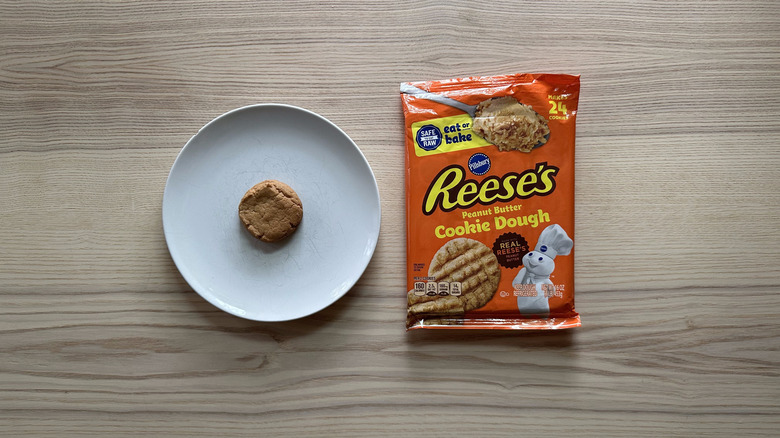
The Reese’s Peanut Butter iteration ranks last in this assessment. Despite the high brand recognition, the product fails to deliver the expected harmony between chocolate and peanut butter. The formulation leans heavily into a singular peanut butter flavor profile that lacks the contrast of real chocolate inclusions. Furthermore, the dough’s texture—which leans toward a crumbly, rather than a chewy or crisp consistency—is inconsistent with current consumer preferences for soft-baked goods. The lack of chocolate coating or chips means that the product does not truly replicate the experience of the confectionery it represents.
Supporting Data and Industry Implications
The divergence in performance between these five products highlights a broader trend: consumer preference is shifting away from "novelty" and toward "quality." While brand collaborations are effective at securing initial trials, repeat purchases are driven by texture and flavor balance.
According to retail data from 2023, sales of "premium" refrigerated dough options have outpaced basic varieties by 12%. This suggests that as the consumer base becomes more sophisticated, there is an increased expectation for the "home-baked" experience to be indistinguishable from professional bakery standards. The success of the Chocolate Chip variety serves as a case study for this, as it adheres to traditional ratios of fat, sugar, and flour that have defined the American cookie experience for decades.
Broader Impact on the Refrigerated Category
The implications of these findings for General Mills and its competitors are significant. To maintain market share, the industry must move beyond simply licensing logos and focus on:
- Ingredient Integrity: Reducing the reliance on artificial flavorings in favor of natural inclusions (e.g., real chocolate, sea salt).
- Texture Calibration: Optimizing the ratio of fats to ensure a "chewy" vs. "crisp" outcome, which is a major pain point for consumers using variable home oven temperatures.
- Sizing Standardization: Larger, bakery-style cookies are seeing higher engagement than the smaller, traditional "mini" dough portions.
Conclusion
The Pillsbury ready-to-bake line continues to be a vital component of the convenience food sector, providing a bridge between the need for speed and the desire for freshly prepared snacks. While the Chocolate Chip variant proves that simplicity and foundational baking principles remain the most effective path to consumer satisfaction, the varied performance of the other flavors serves as a reminder of the challenges inherent in scaling complex, ingredient-heavy recipes. As the market matures, the brands that prioritize flavor balance and high-quality, recognizable ingredients will likely see the most sustained growth.
