
The Quest for Balanced Sweetness in Modern Baking

For decades, American-style buttercream has been a ubiquitous choice for cakes and cupcakes, cherished for its rich, buttery texture and ease of preparation. However, its often intensely sweet nature, primarily derived from a high proportion of powdered sugar, has increasingly led to a segment of consumers seeking alternatives. This growing preference aligns with broader dietary trends emphasizing reduced sugar intake and a desire for more nuanced flavor experiences. Food scientists and pastry chefs alike have noted a consumer palate evolving towards desserts where the inherent flavors of the cake, fruit, or chocolate can shine through, rather than being overshadowed by frosting.
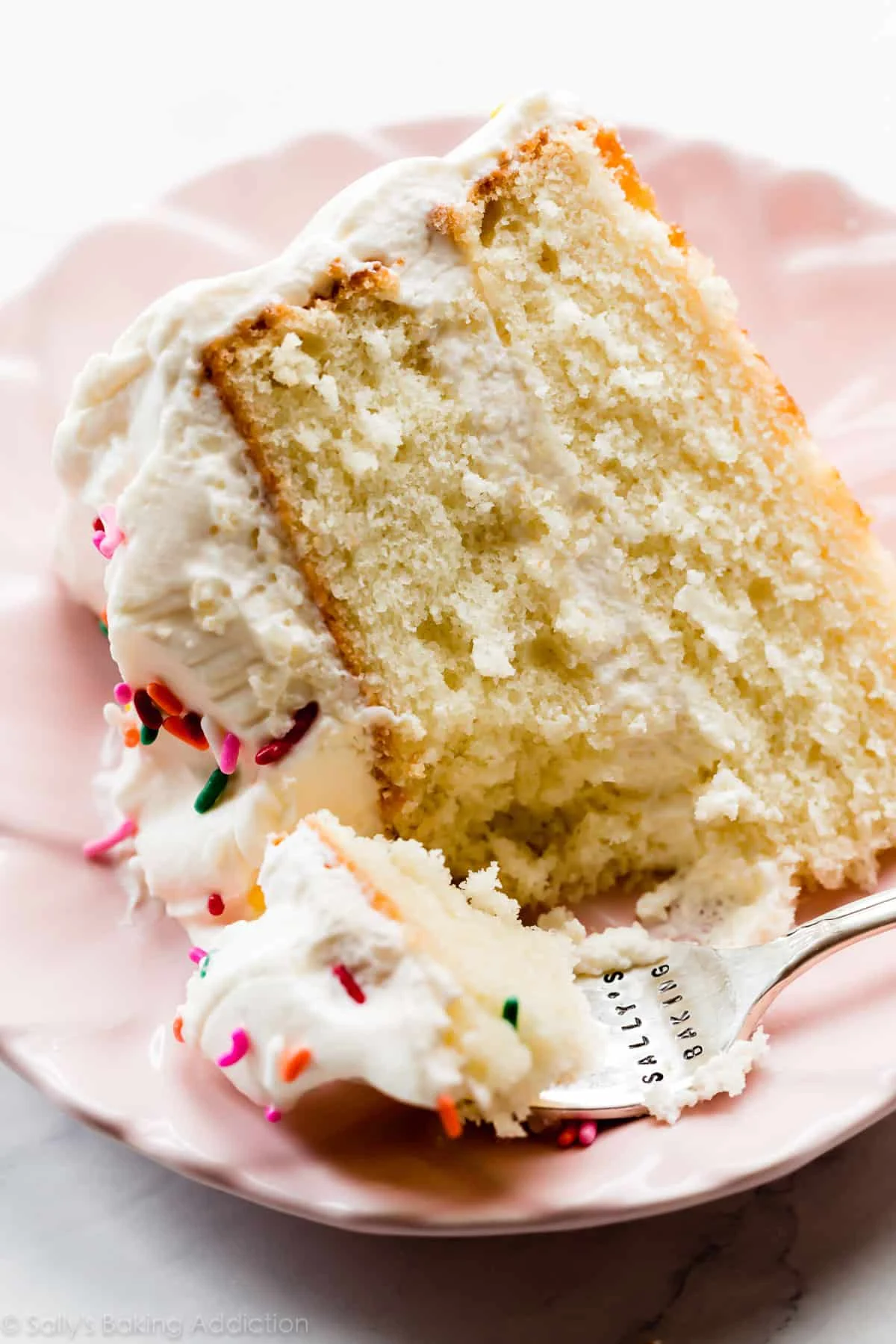
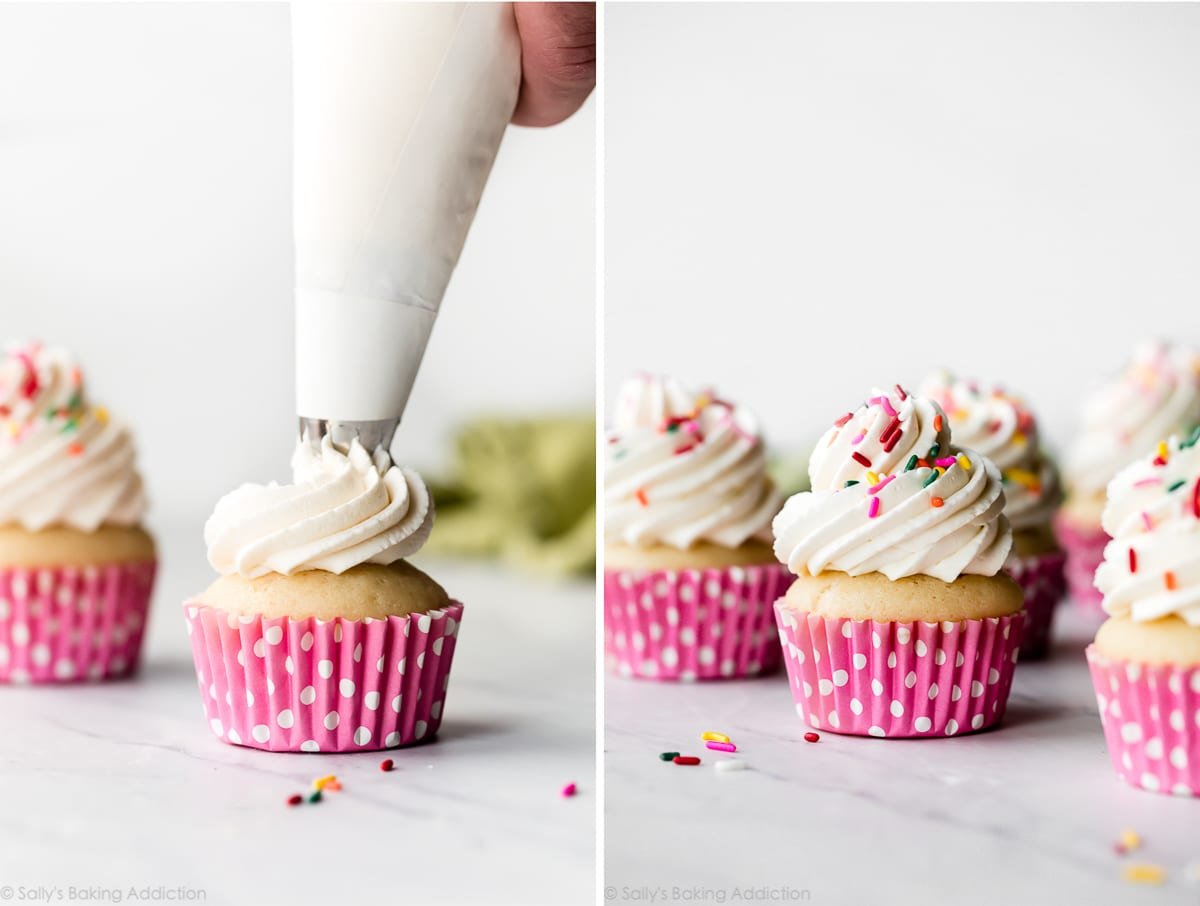
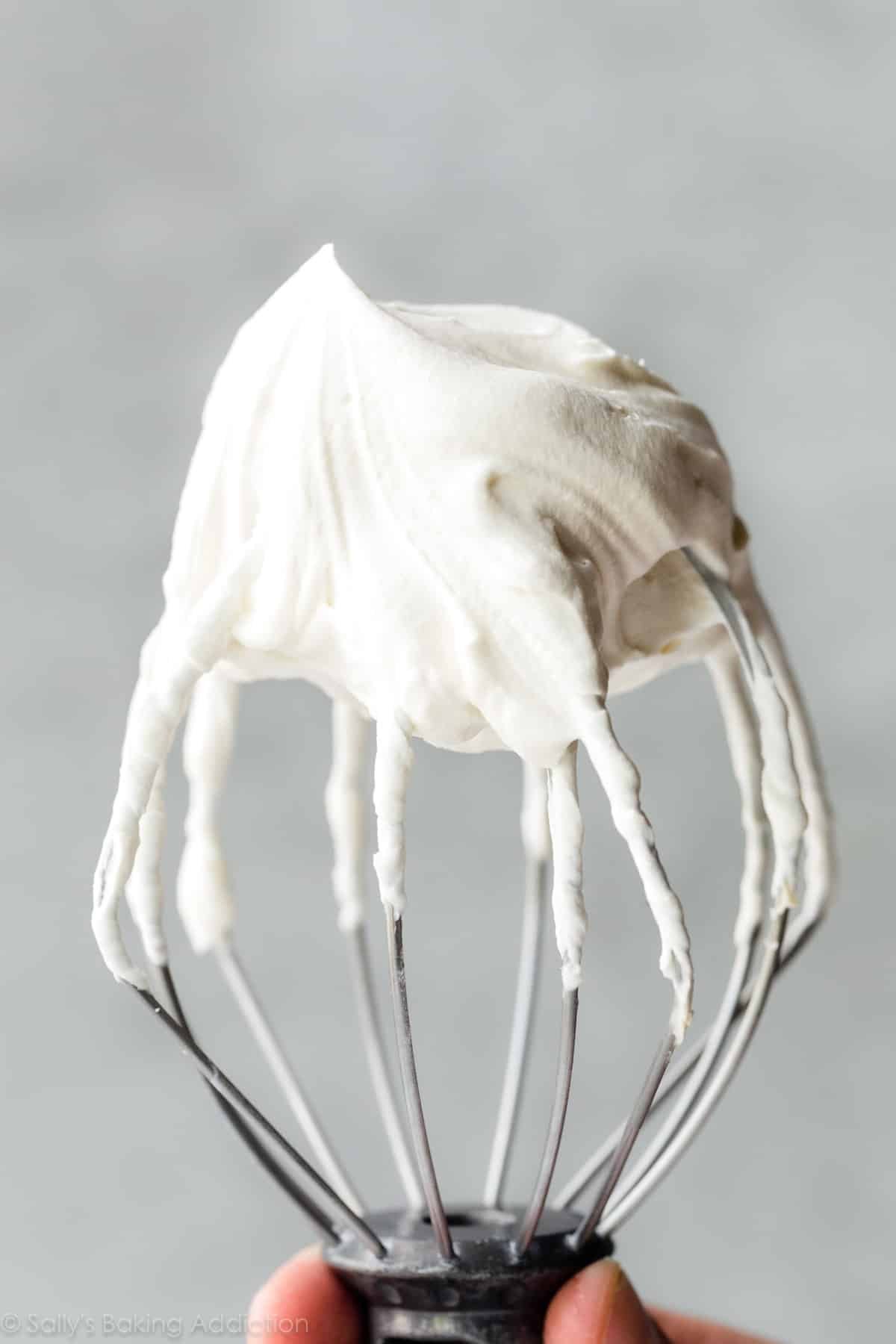
The "Not-So-Sweet Whipped Frosting" directly addresses this market demand. When first introduced in February 2022, it immediately positioned itself as a solution for those who found conventional frostings "cloyingly sweet." Its creator highlighted its "fabulously creamy and fluffy" texture, coupled with its surprising ability to "hold its shape when piped with a piping tip," a critical feature often lacking in less structured whipped toppings. The recipe’s subsequent update with "additional success tips" underscores a commitment to refinement and user success, reflecting the iterative nature of popular online culinary content.

Understanding the Innovation: A Deep Dive into Ingredients and Technique
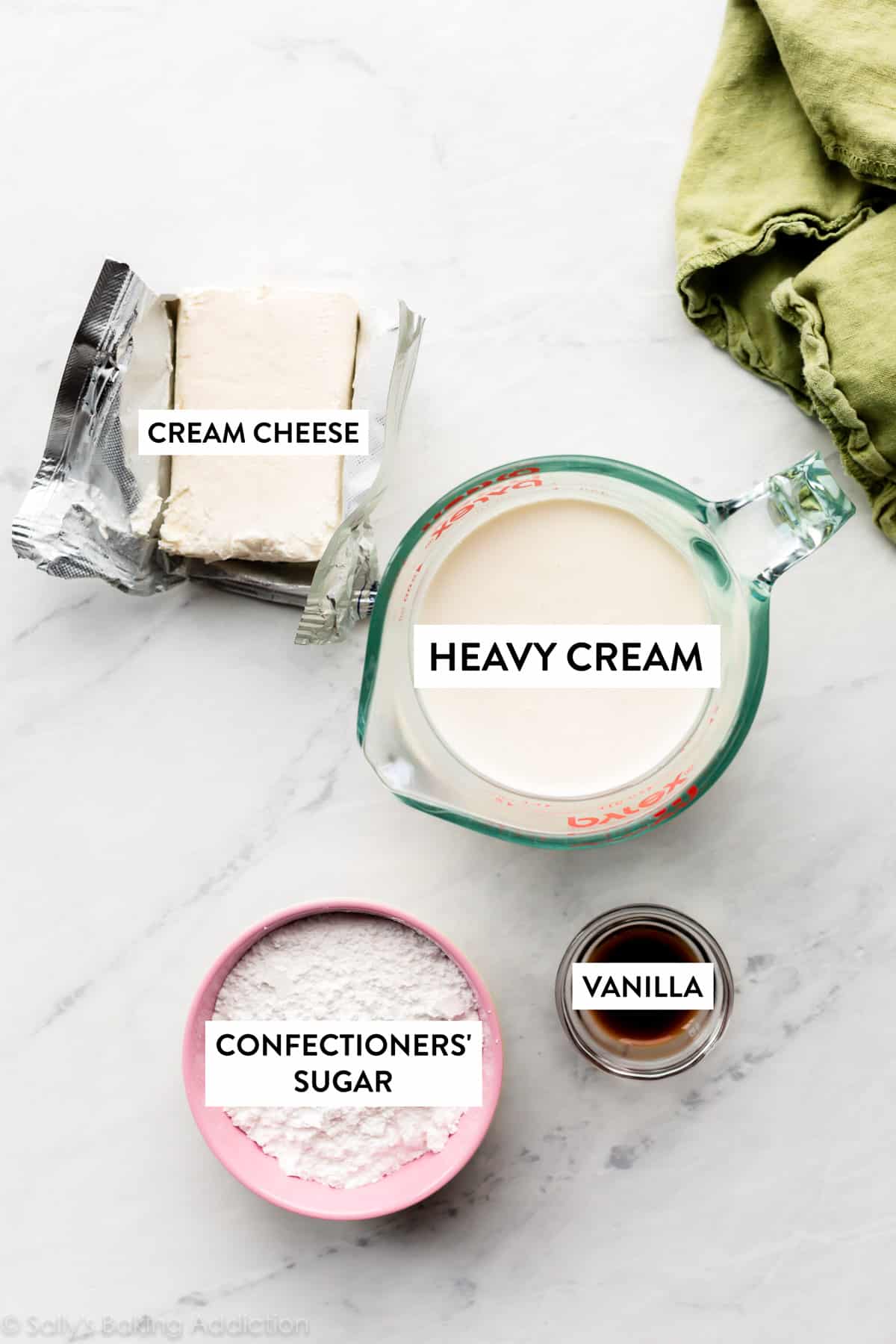
At its core, this whipped frosting is a clever adaptation of stabilized whipped cream, elevated by the inclusion of cream cheese. Unlike a simple whipped cream, which can be prone to weeping and losing its volume quickly, this recipe leverages the inherent stability and tangy complexity that cream cheese provides. The four core ingredients are:
- Full-Fat Cream Cheese: This is the cornerstone of the frosting’s structure and distinctive, subtle tang. The fat content is crucial for emulsification and stability, distinguishing it from a standard whipped cream.
- Confectioners’ Sugar: Also known as powdered sugar, it provides sweetness and, importantly, a fine, smooth texture. The amount used is intentionally lower than in many buttercreams, contributing to the "not-so-sweet" characteristic. Its cornstarch content also aids in stabilization.
- Heavy Cream (at least 36% milkfat): The primary component for volume and airiness. The high milkfat content is essential for achieving stiff peaks and a stable emulsion. The emphasis on cold heavy cream is a critical success factor, as cold fat molecules whip more efficiently and hold air better.
- Vanilla Extract: A flavor enhancer that complements the other ingredients, adding depth and warmth.
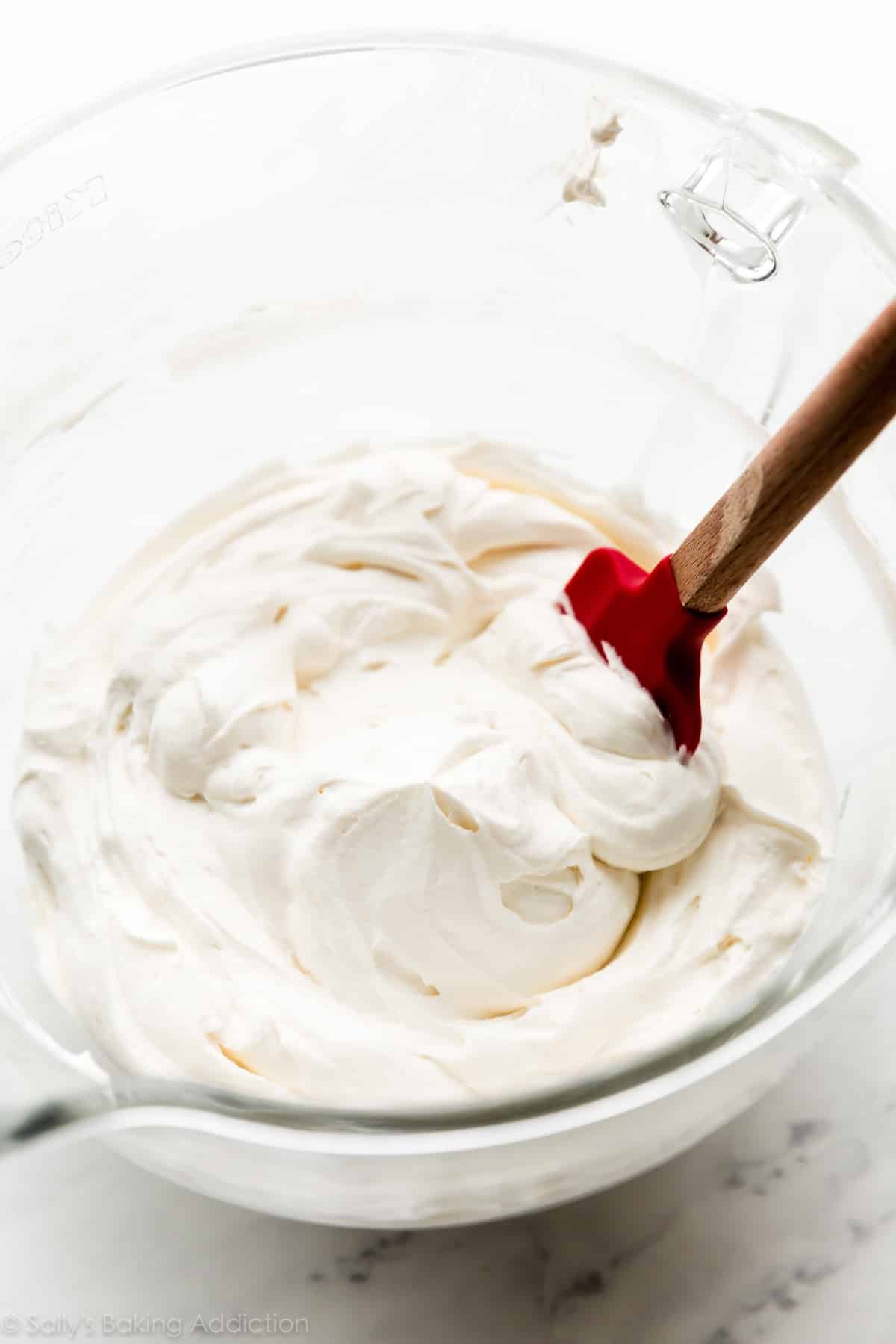
The preparation method is key to its success and draws parallels with other no-bake desserts. Initially, the cream cheese is beaten to a smooth consistency, eliminating lumps. Confectioners’ sugar and vanilla are then incorporated, creating a sweetened cream cheese base. The "magic" happens during the gradual addition of cold heavy cream. Introducing a few tablespoons at low speed allows for initial incorporation, followed by a steady stream of the remaining cream. The mixture is then whipped at high speed until it transforms into a thick, airy frosting with stiff peaks. This phased incorporation ensures proper emulsification and aeration, preventing a soupy or curdled outcome.
Applications and Versatility: Beyond the Basic Bake

The versatility of the "Not-So-Sweet Whipped Frosting" is one of its most compelling attributes. It has proven to be an ideal companion for a diverse range of desserts, offering a lighter counterpoint to rich cakes and cupcakes. Its recommended pairings include:
- Vanilla cupcakes
- White cake
- Chocolate cake
- Lemon blueberry cupcakes
- Lemon blueberry layer cake
- Pumpkin cake
- Citrus cake
- Ice cream cake
- Mille-feuille (between pastry layers)
- Cookies and Cream Cake (a similar version of this frosting is used here)
This wide applicability underscores its appeal as a go-to frosting. Its ability to pipe intricate designs makes it suitable for celebratory bakes, while its spreadable quality works for simpler applications. The subtle cream cheese flavor, often undetectable by many tasters, allows the frosting to enhance rather than dominate the flavor profile of the dessert it adorns.
Consumer Endorsement and Culinary Impact
The recipe’s impact is perhaps best illustrated by the enthusiastic feedback from home bakers. Testimonials from readers like Erika, who sought "an alternative to buttercream, which always seems overly sweet and heavy," underscore the recipe’s success in meeting a specific consumer need. Erika’s experience of achieving a "silky smooth and light" result highlights the recipe’s reliability when instructions are followed.
Another reader, John, provided a powerful endorsement, stating it was "the best ‘whipped’ frosting recipe I have ever made." His initial caution, followed by repeated success for his daughter’s birthday cakes and subsequent requests for the recipe from others, paints a clear picture of its widespread acceptance and appeal. The fact that he has "not bought store-made frosting since" speaks volumes about the quality and satisfaction derived from this homemade alternative. Such anecdotal evidence, while not scientific, reflects a significant trend in consumer behavior where homemade quality and customized sweetness levels are increasingly prioritized over convenience.
Mastering the Technique: Success Tips and Troubleshooting
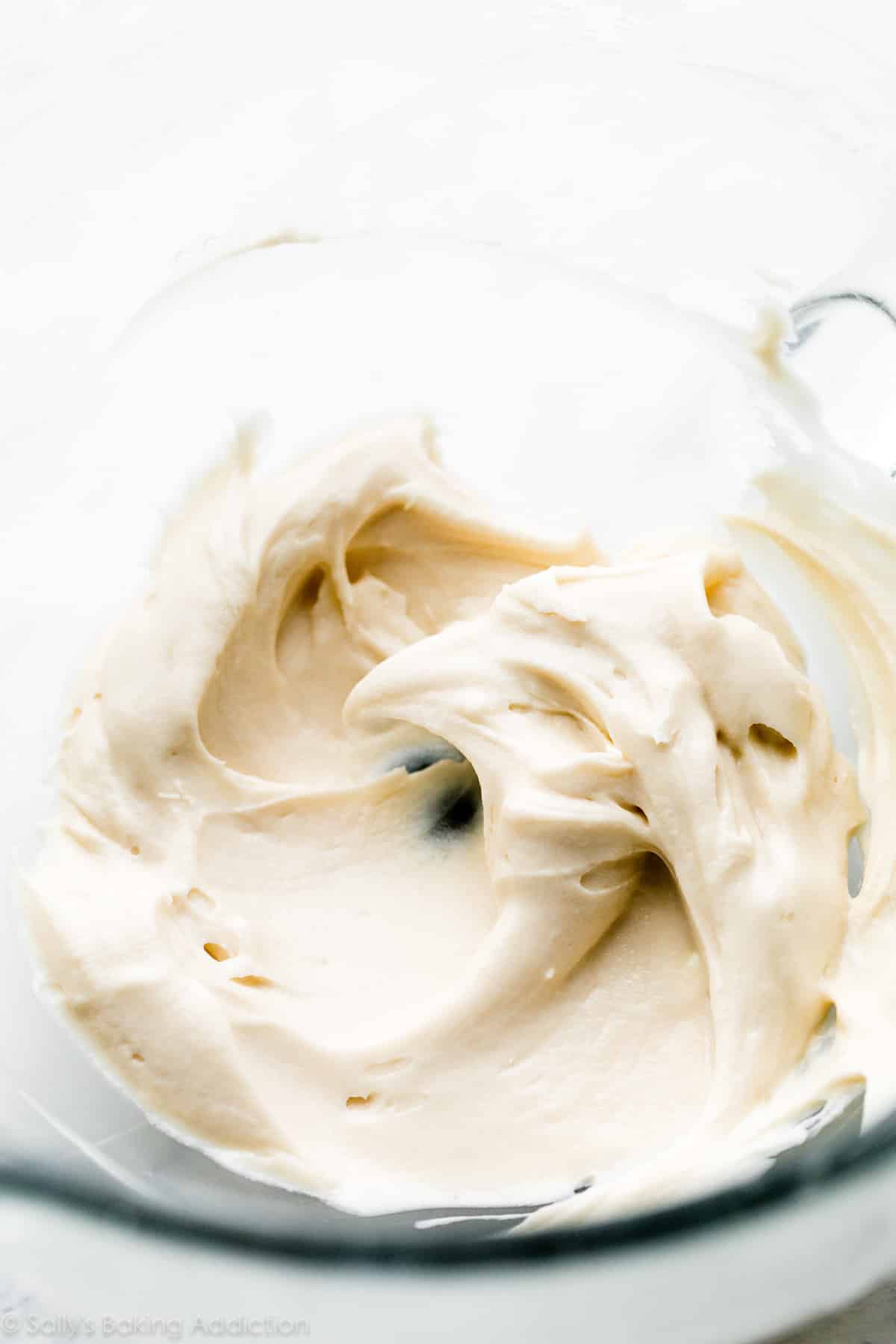
The recipe’s ease of preparation is frequently cited, yet like all baking endeavors, attention to detail is paramount. The updated recipe includes critical "success tips" designed to ensure consistent results:
- Temperature of Ingredients: Cream cheese must be softened to room temperature for smooth whipping, while heavy cream must be very cold to whip effectively.
- Quality of Ingredients: Using full-fat cream cheese and heavy cream with at least 36% milkfat is non-negotiable for achieving the desired thickness and stability.
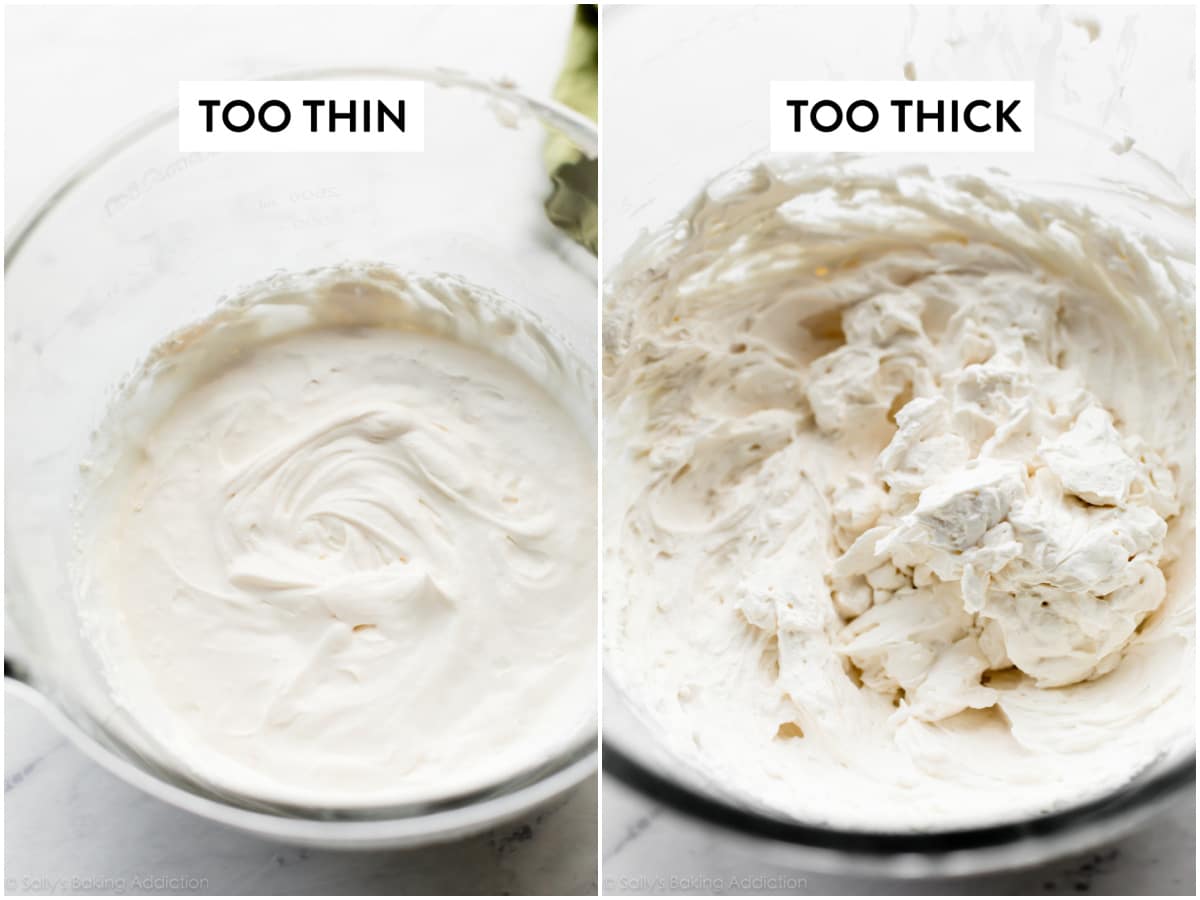
- Mixing Speed and Duration: The gradual addition of heavy cream at low speed, followed by high-speed whipping, is crucial for proper aeration and emulsification. Over-whipping can lead to a chunky, curdled texture, while under-whipping results in a thin, soupy consistency.
- Troubleshooting: The article provides practical solutions for common issues. An under-whipped frosting simply needs more time on high speed. An over-whipped frosting can often be salvaged by stirring in a splash of cold heavy cream by hand until smooth, though this is not a perfect fix.
These tips emphasize that while the recipe is forgiving, understanding the science behind the ingredients and technique significantly boosts success rates, making it accessible even for novice bakers.
Broader Implications for the Baking Industry
The popularity of recipes like the "Not-So-Sweet Whipped Frosting" holds broader implications for the baking industry. It signals a continued diversification of consumer tastes, moving away from monolithic dessert standards towards a more varied and health-conscious palette. This trend encourages:
- Ingredient Innovation: Demand for higher quality, specialized dairy products and natural sweeteners may increase.
- Bakery Offerings: Commercial bakeries may need to expand their frosting options to include less sweet and lighter alternatives, catering to a wider customer base.
- Recipe Development: Food bloggers and culinary publications will continue to innovate, seeking new ways to balance flavor, texture, and sweetness.
- Education for Home Bakers: Emphasis on technique and ingredient understanding becomes even more important as home bakers tackle more sophisticated, yet approachable, recipes.
Furthermore, the recipe’s robust nature, allowing for piping and relative stability (though refrigeration is recommended), positions it as a practical choice for various events and presentations, expanding the creative possibilities for home bakers. While less stable than traditional buttercreams and requiring refrigeration, its unique attributes offer a valuable trade-off for those seeking a lighter indulgence.
Conclusion: A Sweet Future for Not-So-Sweet Desserts
The "Not-So-Sweet Whipped Frosting" represents more than just a recipe; it embodies a culinary movement towards balanced flavors and mindful indulgence. Its simplicity, combined with its impressive versatility and delightful texture, makes it a significant addition to the modern baker’s repertoire. As consumer preferences continue to evolve, seeking out sophisticated yet approachable desserts, this whipped frosting stands as a testament to the power of thoughtful recipe development in meeting changing tastes, promising a future where less sweet can indeed be profoundly satisfying.
