
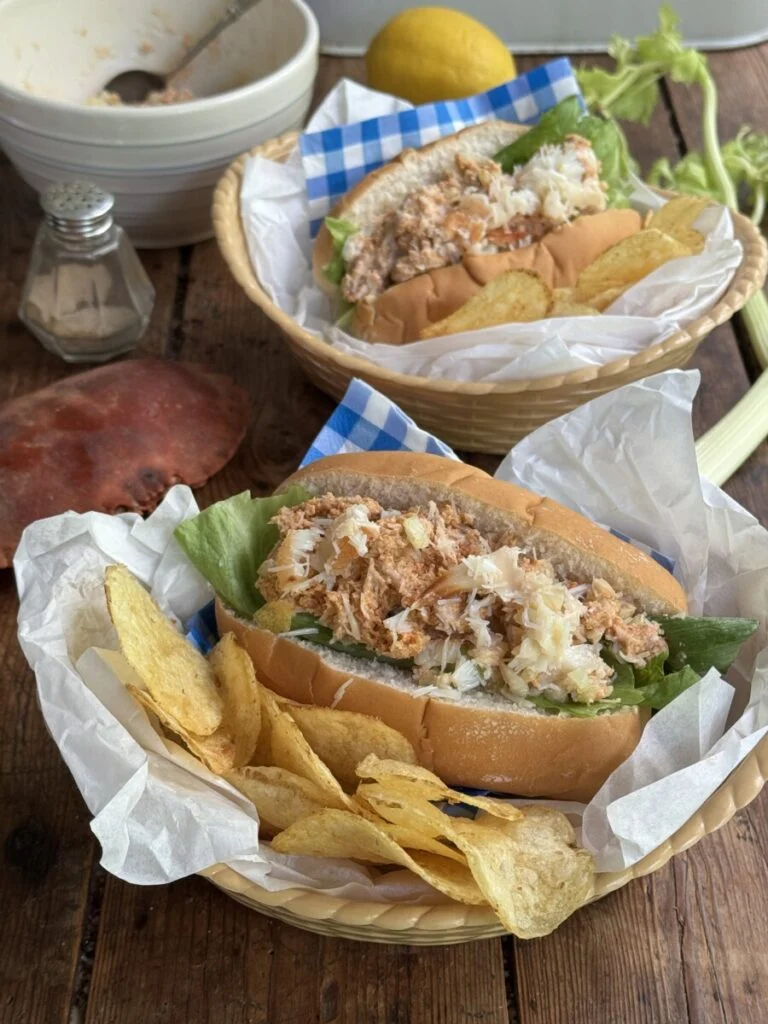
The acclaimed food writer Karen Burns-Booth, known for her popular blog Lavender and Lovage, has unveiled a new recipe celebrating a quintessential element of British culinary heritage: the Fresh Crab Salad Roll. Published on May 30, 2026, the recipe aims to evoke the nostalgic charm of family days spent at the British seaside, presenting a simple yet elegant dish that champions fresh, local ingredients and a classic retro serving style. This culinary creation is more than just a recipe; it serves as a delicious homage to a bygone era of British leisure and dining, offering a tangible link to treasured cultural memories.
The Culinary Inspiration: A Taste of British Nostalgia

The British Seaside Fresh Crab Salad Roll is presented as a straightforward recipe where fresh dressed crab remains the undisputed hero ingredient. The preparation involves a minimal yet impactful combination of celery for crunch, lemon for brightness, a hint of malt vinegar for a distinctive tang, a touch of mayonnaise for creaminess, and a seasoning of white pepper. This approach underscores a philosophy of allowing the quality of the primary ingredient to shine, a hallmark of traditional British seafood dishes. The serving suggestion further reinforces the nostalgic theme: presented in a rustic basket alongside a packet of ready-salted crisps, echoing the "pub grub in a basket" trend that gained popularity in the 1970s. This presentation transforms a simple meal into an experience, reminiscent of casual, enjoyable dining during seaside holidays.
Karen Burns-Booth’s inspiration for this particular dish stems directly from her own cherished childhood memories of coastal excursions to iconic British destinations such as Scarborough and Bridlington. These recollections paint a vivid picture of typical family seaside days: the ubiquitous "Kiss me Quick" hats, the gentle rhythm of donkey rides along the beach, the sweet indulgence of a 99 ice cream, the simple joy of buckets and spades, and the inevitable, charming inconvenience of sand in sandwiches. Crucially, she recalls the post-beach ritual of enjoying fish and chips, wrapped in newspaper, savoured in the car on the journey home, the malt vinegar seeping through the paper onto sun-kissed legs. These sensory details – the taste, the sounds, the atmosphere – are integral to the recipe’s conception, aiming to recreate not just a dish, but an entire sensory memory. The appreciation for fresh dressed crab, specifically enjoyed by her grandmothers and father during these trips, further solidified the crab roll’s place as a central culinary icon in her personal history and, by extension, in the broader tapestry of British seaside dining.

A Deep Dive into British Seaside Culinary Traditions
The British seaside experience is a rich tapestry woven with distinctive culinary traditions that have evolved over centuries, yet retain a timeless appeal. From the bustling piers to the tranquil stretches of sand, food has always played a central role in defining these holidays. Beyond the ubiquitous fish and chips – a dish so ingrained in the national consciousness that it’s considered an unofficial national dish – other seafood preparations like fresh crab have long been a staple of coastal menus.

Historically, coastal communities relied heavily on the day’s catch, making fresh seafood a readily available and economical option. Dressed crab, in particular, was a delicacy often enjoyed by locals and holidaymakers alike, valued for its sweet, tender meat and the simple elegance of its preparation. The process of dressing a crab, carefully extracting the white and brown meat and presenting it back in the shell, speaks to a respect for the ingredient and a tradition of careful craftsmanship. This contrasts with the more casual, often fried, offerings, showcasing the diversity of seaside fare.
The "pub grub in a basket" phenomenon, which the recipe consciously references, emerged as a popular dining trend in British pubs during the 1970s and 80s. This style of serving offered a relaxed, informal eating experience, often featuring deep-fried items like scampi, chicken in a basket, or sausages, accompanied by chips and served in a wicker basket lined with paper. This casual dining appealed to families and groups, providing hearty, no-fuss meals that complemented the convivial atmosphere of a pub. By incorporating this serving style, Burns-Booth not only pays tribute to a specific era but also acknowledges the evolution of British casual dining, making the crab roll accessible and fun.

The Economic and Cultural Significance of Coastal Cuisine
The culinary offerings of British seaside towns are not merely food; they are powerful drivers of local economies and significant contributors to cultural identity. The demand for fresh seafood, including crab, supports local fishing industries, providing livelihoods for countless fishermen and their families. Towns like Scarborough and Bridlington, mentioned in Burns-Booth’s reflections, have long-standing fishing heritages that continue to thrive, in part due to the enduring popularity of their catch among tourists and residents.

Tourism, a cornerstone of many coastal economies, is heavily influenced by culinary appeal. Iconic dishes and unique dining experiences attract visitors, extending their stays and encouraging spending. A well-crafted crab roll, made with local crab, becomes a symbol of the region’s produce and a reason to visit. This intertwines with the broader trend of food tourism, where travellers seek out authentic local flavours and culinary traditions as part of their cultural exploration.
Moreover, the food of the British seaside plays a vital role in preserving and transmitting cultural narratives across generations. The shared experience of enjoying a particular dish, like fish and chips or a crab sandwich, becomes a familial ritual, passed down through stories and repeated visits. These culinary memories foster a sense of belonging and nostalgia, strengthening communal bonds and reinforcing a distinct British identity. Karen Burns-Booth’s recipe taps into this collective memory, offering a way for individuals to reconnect with their past and share these traditions with new generations.

Nutritional Profile and Recipe Versatility
The British Seaside Fresh Crab Salad Roll offers a balanced nutritional profile, making it an appealing option for a light lunch or snack. According to the provided nutrition information, one serving (yielding three rolls in total) contains approximately 279 calories, 13g of total fat (2g saturated, 11g unsaturated), 44mg of cholesterol, 524mg of sodium, 28g of carbohydrates (1g fibre, 4g sugar), and 12g of protein. This indicates a relatively lean and protein-rich meal, particularly when considering the fresh crab content. The moderate fat content is largely due to the mayonnaise, while the carbohydrates come from the bread roll.

Beyond its core ingredients, the recipe offers considerable versatility, allowing for customisation to suit individual preferences or dietary needs. Burns-Booth suggests several optional additions:
- Fresh Parsley: Chopped fresh parsley can enhance the flavour profile with a touch of herbaceous freshness.
- Spicy Kick: For those who prefer a bit of heat, a dash of Tabasco sauce is recommended, in which case the malt vinegar should be omitted to maintain flavour balance.
- Luxurious Additions: Diced cooked prawns or shrimp can be incorporated to create a more indulgent version, adding another layer of seafood flavour and texture.
- Aromatic Inclusion: Finely diced spring onions can provide a mild oniony zest and a pleasant crunch.
- Alternative Serving: While traditionally served in a bread roll, the crab salad can also be presented as a standalone salad or served between slices of white or wholemeal bread, mimicking the classic British seaside café sandwich style. This flexibility ensures the recipe can adapt to various occasions and preferences, from a casual picnic to a more formal lunch.
The Evolution of British Food Identity

The British food landscape has undergone a significant transformation over the past few decades, moving from a reputation for blandness to a vibrant scene celebrated for its diversity, quality, and embrace of local produce. Yet, throughout this evolution, certain traditional dishes and culinary experiences have retained their enduring appeal. The British Seaside Fresh Crab Salad Roll exemplifies this phenomenon: it is a dish rooted in tradition but presented with a modern appreciation for fresh ingredients and nostalgic charm.
This recipe contributes to a broader movement among food writers and chefs to re-evaluate and celebrate classic British fare. There is a growing recognition that British cuisine, far from being monolithic, is rich in regional specialities and historical depth. By highlighting the simple elegance of a fresh crab roll, Burns-Booth not only offers a delicious meal but also reinforces the value of preserving these culinary traditions. This trend extends to other iconic British dishes, as seen in the renewed interest in traditional pub meals, often reimagined with higher-quality ingredients and contemporary twists.

The emphasis on fresh, local crab also aligns with contemporary food trends focusing on sustainability and provenance. Consumers are increasingly interested in knowing the origin of their food and supporting local producers. By championing fresh dressed crab, the recipe implicitly encourages this connection to local ecosystems and responsible sourcing, further elevating its appeal beyond mere taste.
Broader Implications and Future Outlook

The launch of recipes like the British Seaside Fresh Crab Salad Roll has several broader implications for the culinary world, tourism, and cultural discourse.
Firstly, it underscores the powerful role of food in cultural memory and identity. Food is often a primary conduit for nostalgia, evoking powerful emotions and transporting individuals back to specific times and places. By intentionally crafting a dish around these memories, Burns-Booth demonstrates how food can serve as a bridge between past and present, offering comfort and continuity in a rapidly changing world.

Secondly, such recipes contribute significantly to culinary tourism. When renowned food writers celebrate regional specialities, it draws attention to the source locations. This can lead to increased visitor numbers for places like Scarborough and Bridlington, as enthusiasts seek to experience the authentic seaside atmosphere and taste the fresh seafood that inspired the dish. Local businesses, from fishmongers to cafes, stand to benefit from this renewed interest.
Thirdly, it highlights the cyclical nature of food trends. While innovative and exotic cuisines often dominate headlines, there is a constant return to comforting, familiar, and traditional dishes. This recipe’s retro serving style and focus on simplicity tap into a desire for authenticity and unpretentious dining, a counterpoint to more elaborate culinary trends. This suggests a continued appreciation for straightforward, quality ingredients and methods.

Finally, the dissemination of such recipes through platforms like food blogs and online publications plays a crucial role in the democratisation and preservation of culinary heritage. By making these recipes accessible to home cooks, Karen Burns-Booth helps ensure that these traditions continue to be practiced and enjoyed, safeguarding them for future generations. Her work encourages individuals to engage with their culinary past, fostering a deeper understanding and appreciation for the rich tapestry of British food.
In conclusion, Karen Burns-Booth’s British Seaside Fresh Crab Salad Roll is more than just a recipe; it is a meticulously crafted culinary narrative that encapsulates the enduring appeal of British seaside culture. Through its simple yet profound evocation of cherished memories, its celebration of fresh, local ingredients, and its nod to classic serving traditions, the dish stands as a testament to the power of food to connect us to our past, invigorate local economies, and enrich our collective cultural identity. It offers a delicious invitation to revisit the nostalgic charm of the British coast, one delightful bite at a time.
