
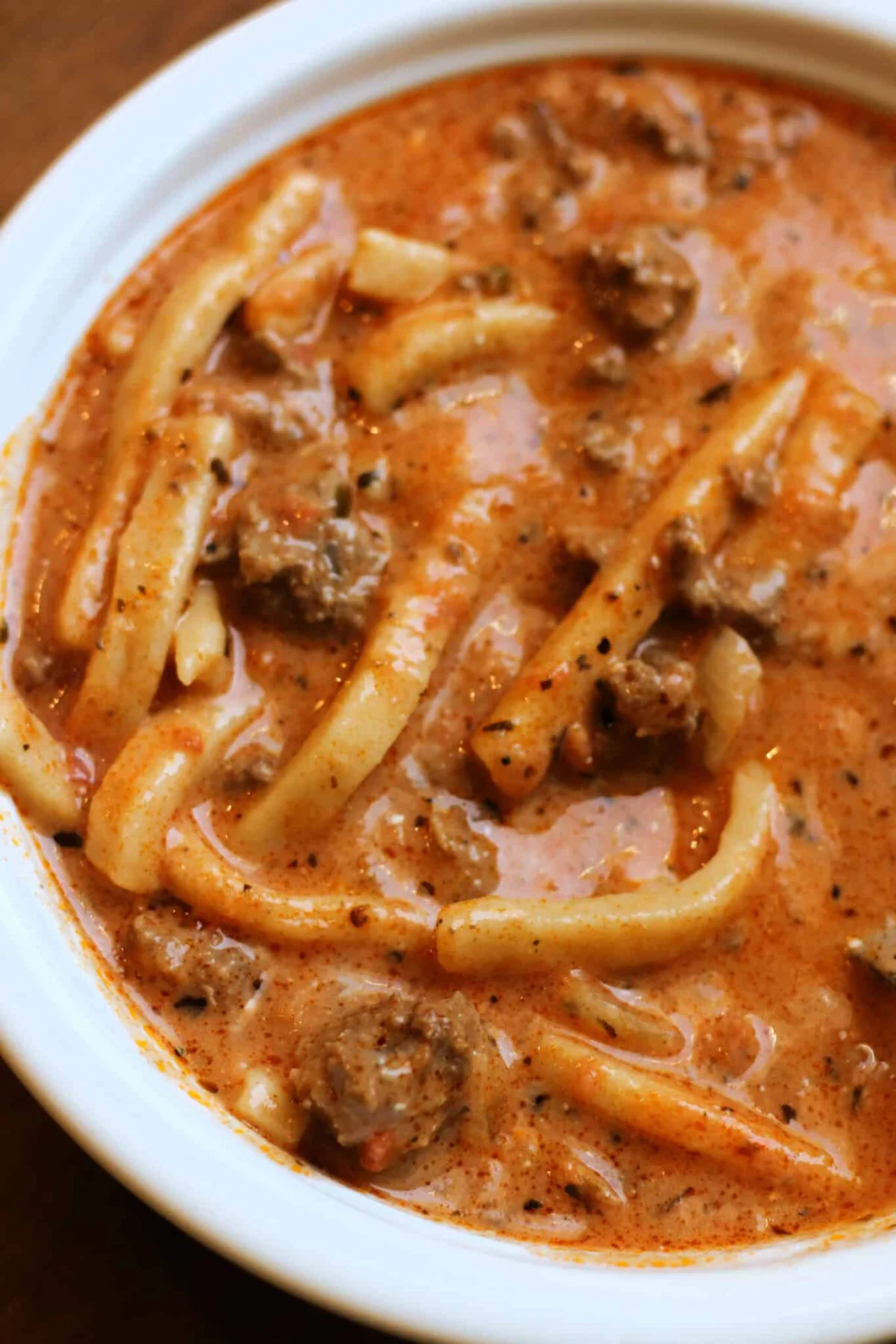
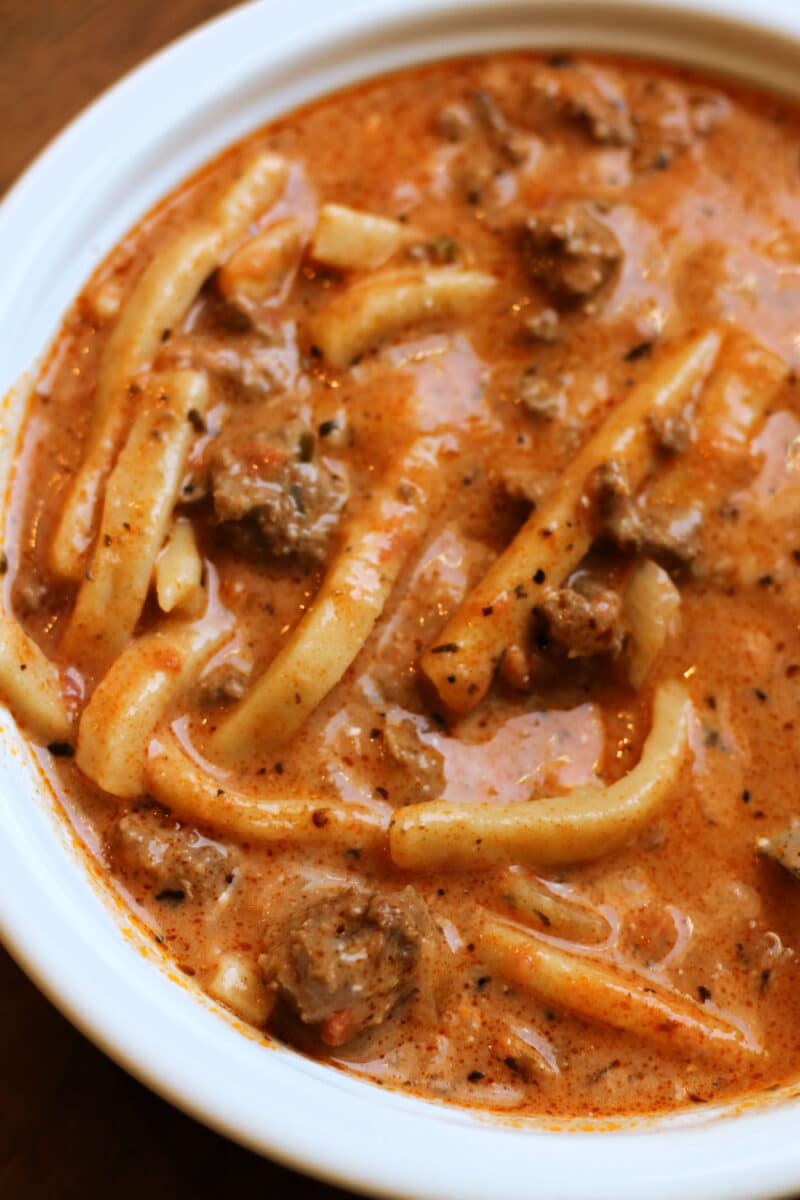
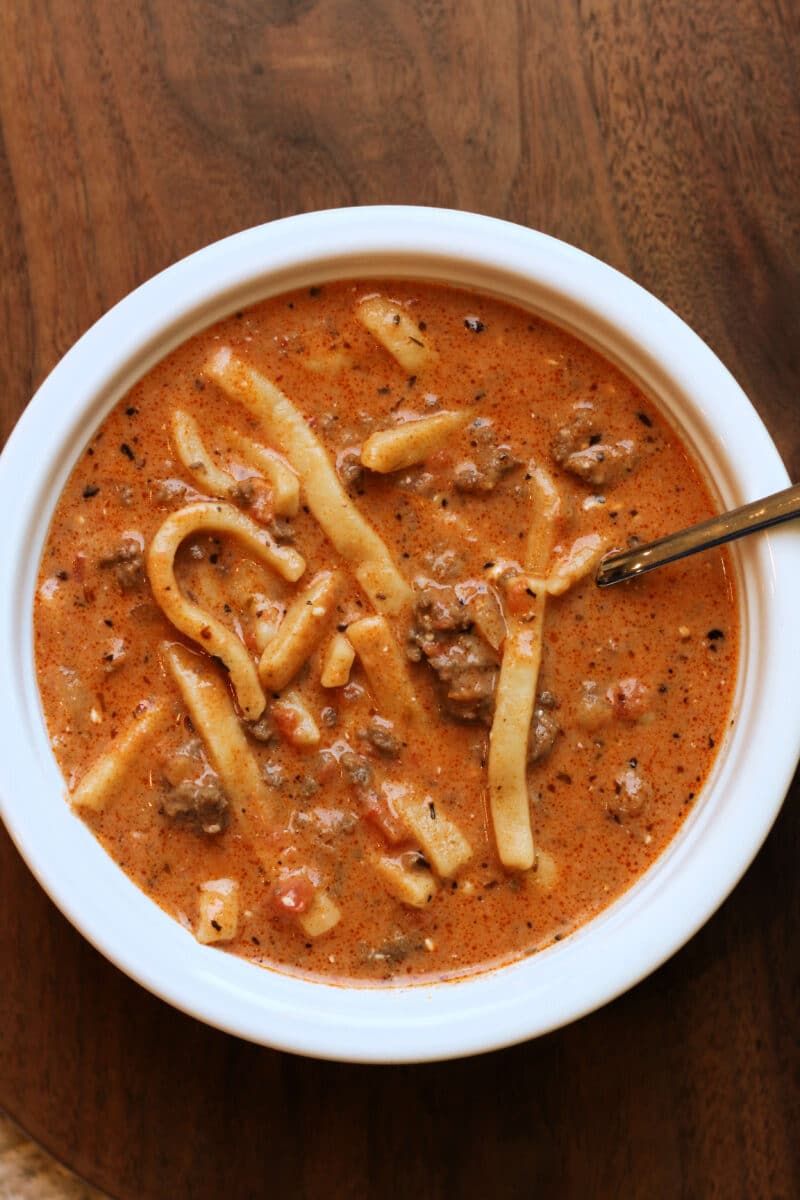
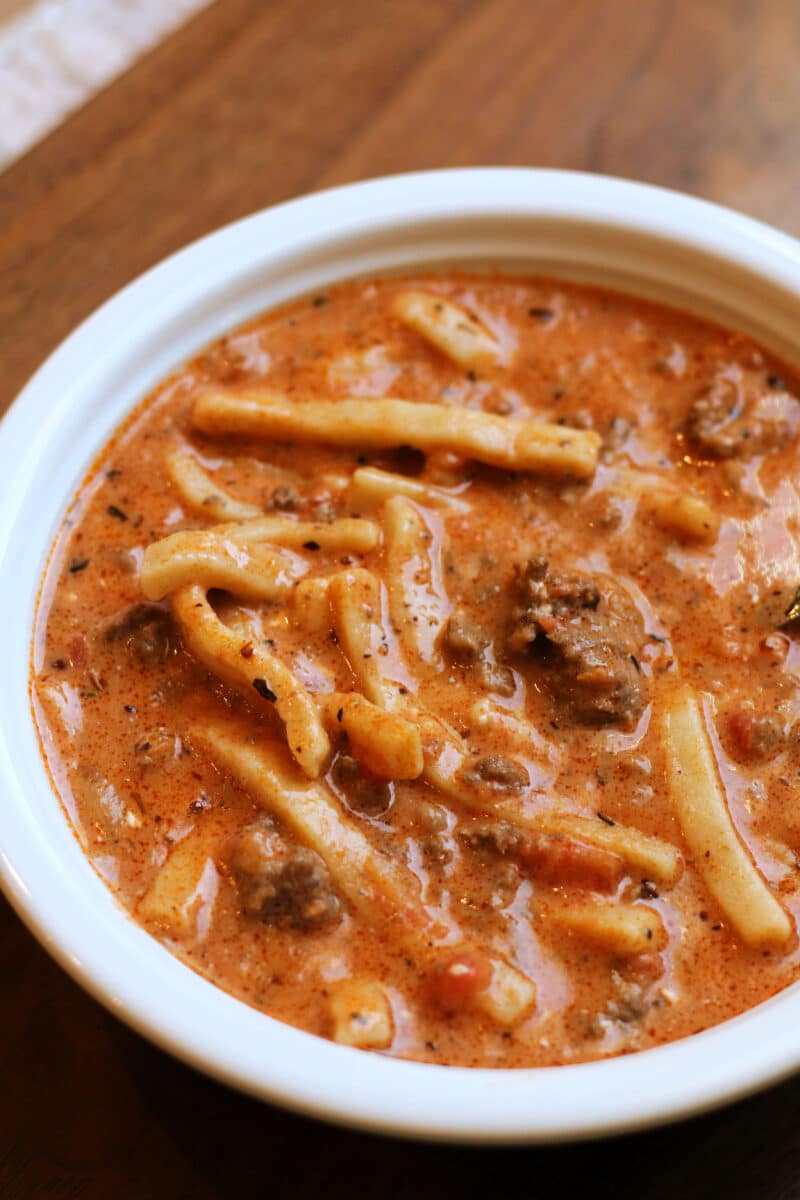
The rise of high-efficiency kitchen appliances has fundamentally altered the landscape of contemporary home cooking, leading to a resurgence of "one-pot" recipes that prioritize both luxury and economy. Among these, the "Million Dollar" culinary category has emerged as a dominant trend, characterized by the use of accessible, cost-effective ingredients transformed into a rich, decadent final product. The Million Dollar Beef and Noodles recipe represents a strategic convergence of mid-century comfort food aesthetics and modern pressure-cooking technology. By utilizing ground beef, frozen egg noodles, and a triple-cheese blend of cream cheese, mozzarella, and Parmesan, this dish addresses the increasing consumer demand for "restaurant-quality" meals produced within the constraints of a busy household schedule and a tightening grocery budget.
The Evolution of the "Million Dollar" Recipe Concept
The nomenclature "Million Dollar" in American home cooking traces its roots back to the mid-20th century, most notably with the "Million Dollar Spaghetti" casserole. The primary philosophy behind these recipes is the introduction of a creamy, high-fat layer—usually involving cream cheese, sour cream, or cottage cheese—into a traditional pasta and red sauce framework. This addition provides a velvety mouthfeel that mimics more expensive gourmet preparations.
In the current economic climate, where the Bureau of Labor Statistics has noted significant fluctuations in the Consumer Price Index for food at home, these recipes have seen a localized boom. Home cooks are increasingly seeking ways to elevate staple proteins, such as ground beef, into meals that feel celebratory rather than utilitarian. The Million Dollar Beef and Noodles dish utilizes this historical context, replacing traditional dried pasta with thick, frozen egg noodles to provide a more substantial, "homemade" texture that withstands the high-pressure environment of an Instant Pot or the long, slow heat of a Crockpot.
Nutritional and Market Context of Household Staples
The ingredients within this dish reflect broader shifts in the American agricultural and retail sectors. Ground beef remains one of the most versatile and frequently purchased proteins in the United States. According to market research, ground beef accounts for nearly 50% of the total beef volume sold at retail. Its inclusion in this recipe highlights its role as a foundational element of domestic food security and culinary flexibility.
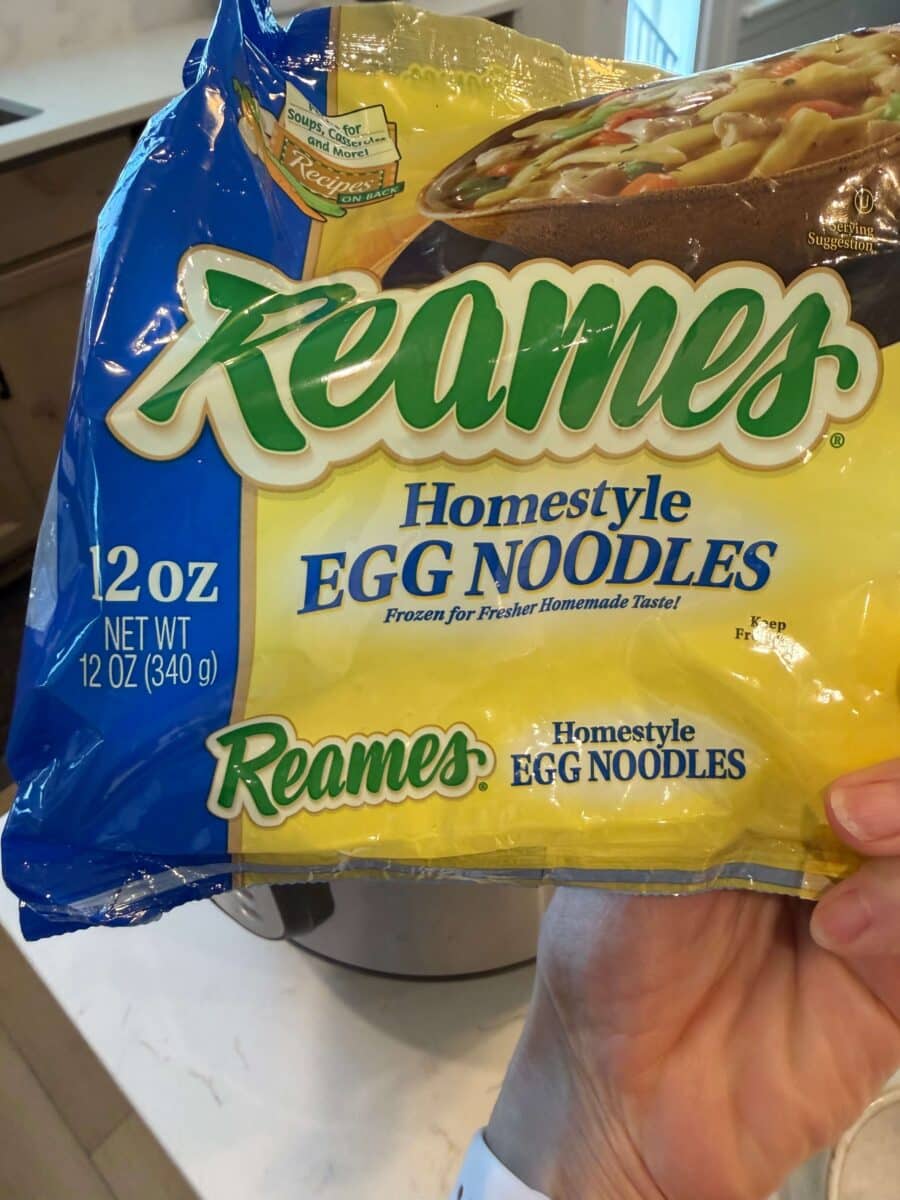
Furthermore, the choice of frozen egg noodles over dry alternatives is a tactical decision based on structural integrity. Frozen noodles are typically flash-frozen after being cut from fresh dough, containing a higher egg-to-flour ratio than shelf-stable pasta. This composition allows them to absorb savory broths and sauces without losing their "al dente" bite, a common failure point in slow-cooked pasta dishes. From a market perspective, the frozen pasta category has seen steady growth as consumers look for "shortcut" ingredients that do not compromise on the textural qualities of fresh-made food.
Chronological Preparation and Technical Execution
The successful execution of Million Dollar Beef and Noodles requires a specific sequence of operations to ensure proper fat emulsification and starch hydration. The process differs slightly depending on the chosen appliance, but the chemical objectives remain the same: browning the protein, deglazing the cooking vessel, and layering the starches and dairy.
The Instant Pot Methodology
For the Instant Pot method, the timeline is compressed, relying on high-pressure steam to tenderize the noodles and meld the flavors in under thirty minutes.
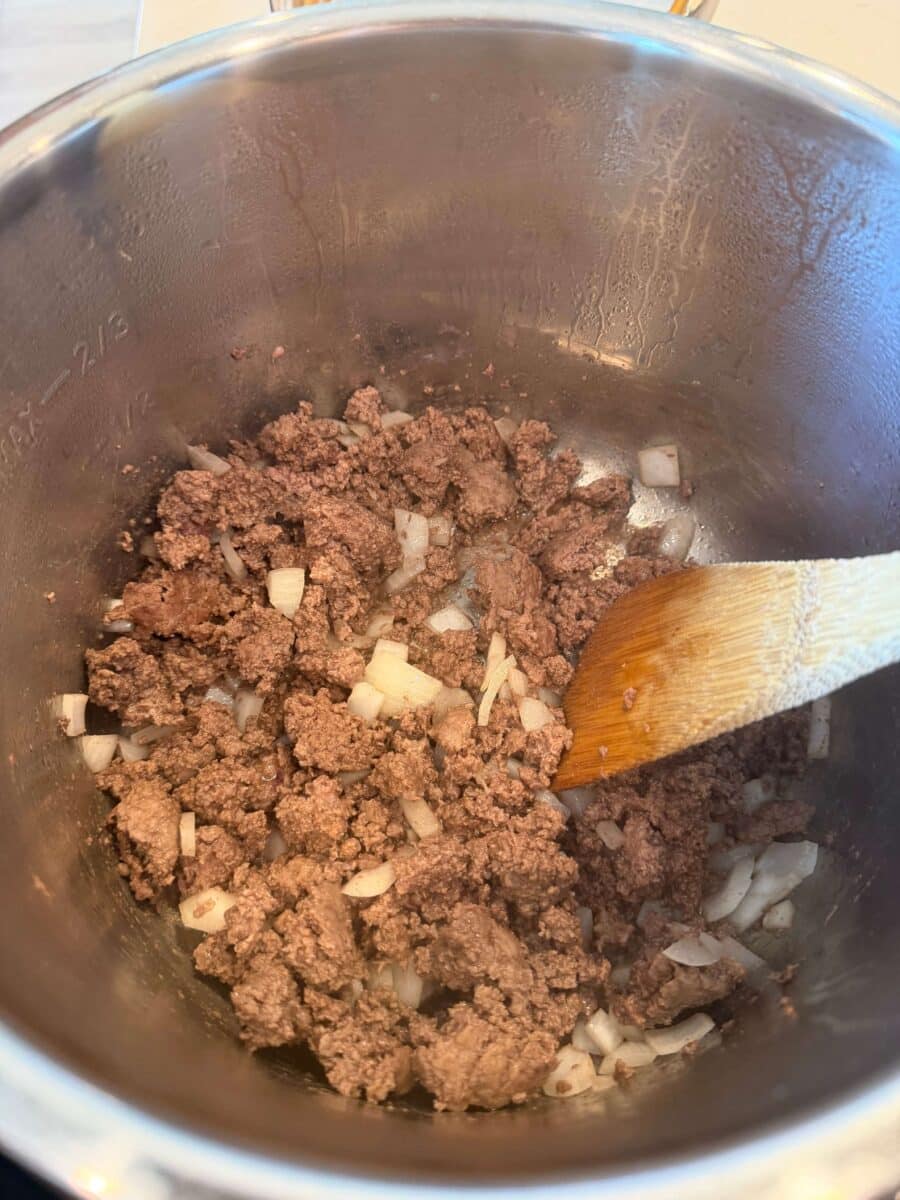
- Searing and Aromatics (0–7 minutes): The process begins with the "Sauté" function. Ground beef is browned alongside diced onions. This stage is critical for the Maillard reaction, the chemical process that creates the complex, savory flavors necessary to balance the richness of the dairy added later.
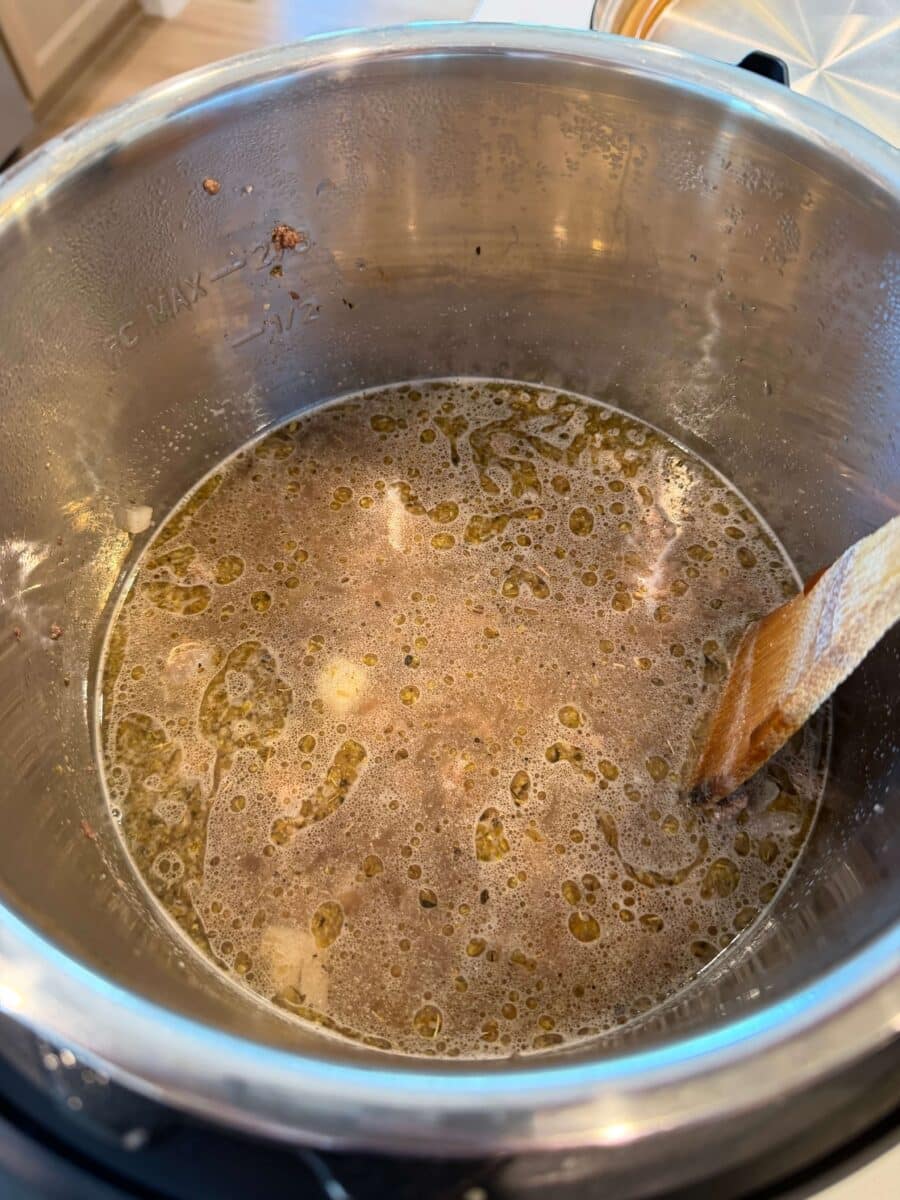
- Deglazing and Seasoning (7–9 minutes): Once the beef is fully cooked and excess grease is removed, the pot must be deglazed with beef broth. Scraping the bottom of the pot is a technical requirement to prevent the "Burn" error, a safety feature of modern pressure cookers triggered by caramelized sugars sticking to the heating element.
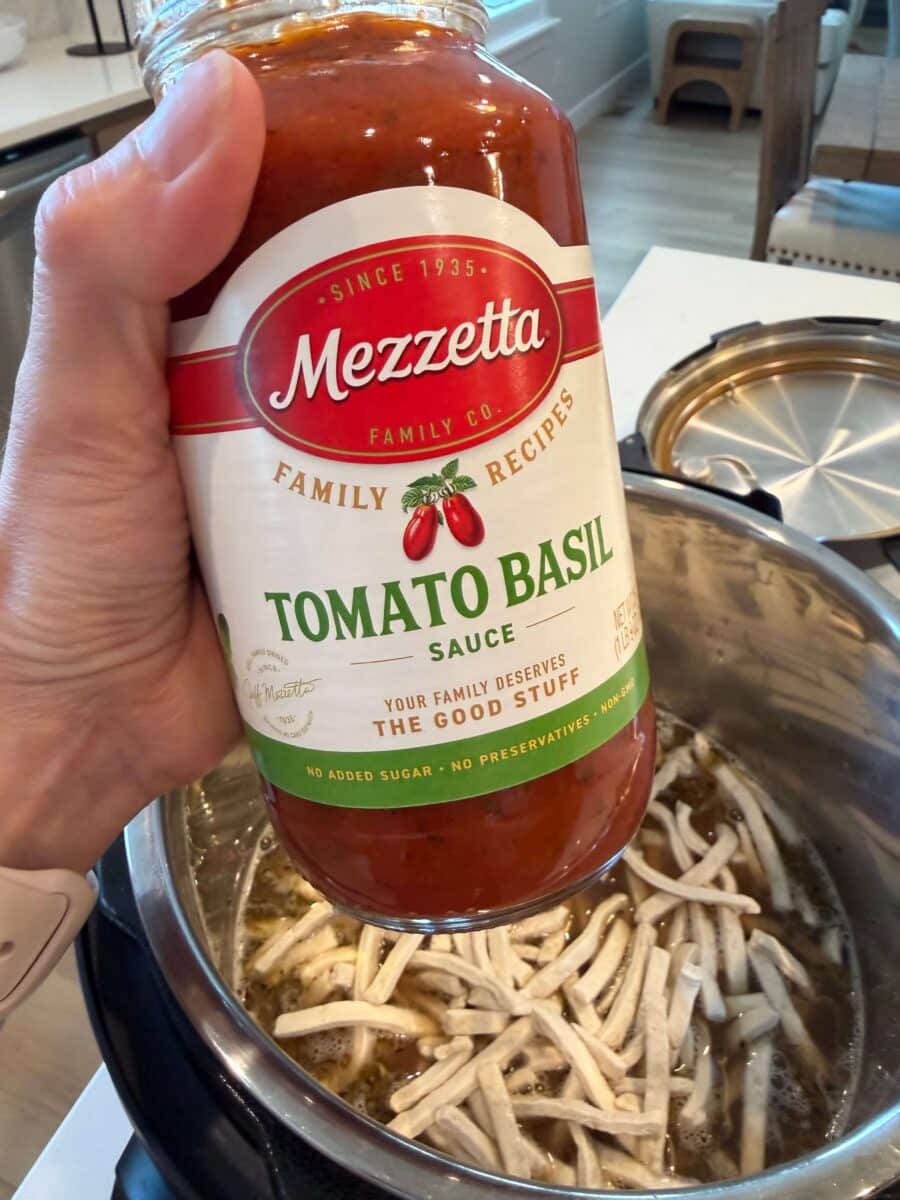
- Layering (9–10 minutes): The frozen egg noodles are added but not stirred into the meat. The pasta sauce is then layered on top. This "no-stir" technique prevents the sauce from scorching at the bottom while allowing the noodles to steam in the surrounding liquid.
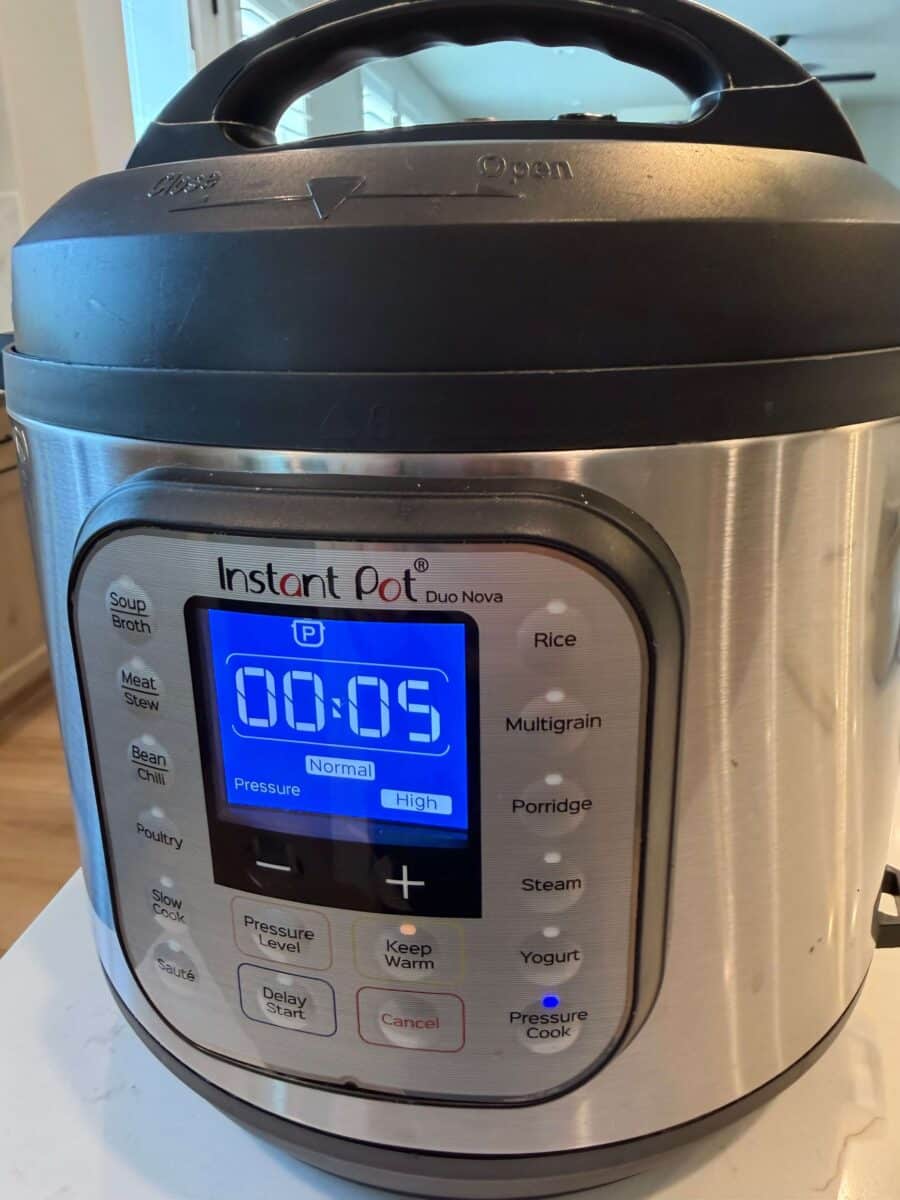
- Pressure Cycle (10–25 minutes): The device is sealed and set to high pressure for five minutes. However, the total time includes the period required for the pot to reach pressure and a subsequent ten-minute "natural release" period. This resting phase allows the starches in the noodles to stabilize.
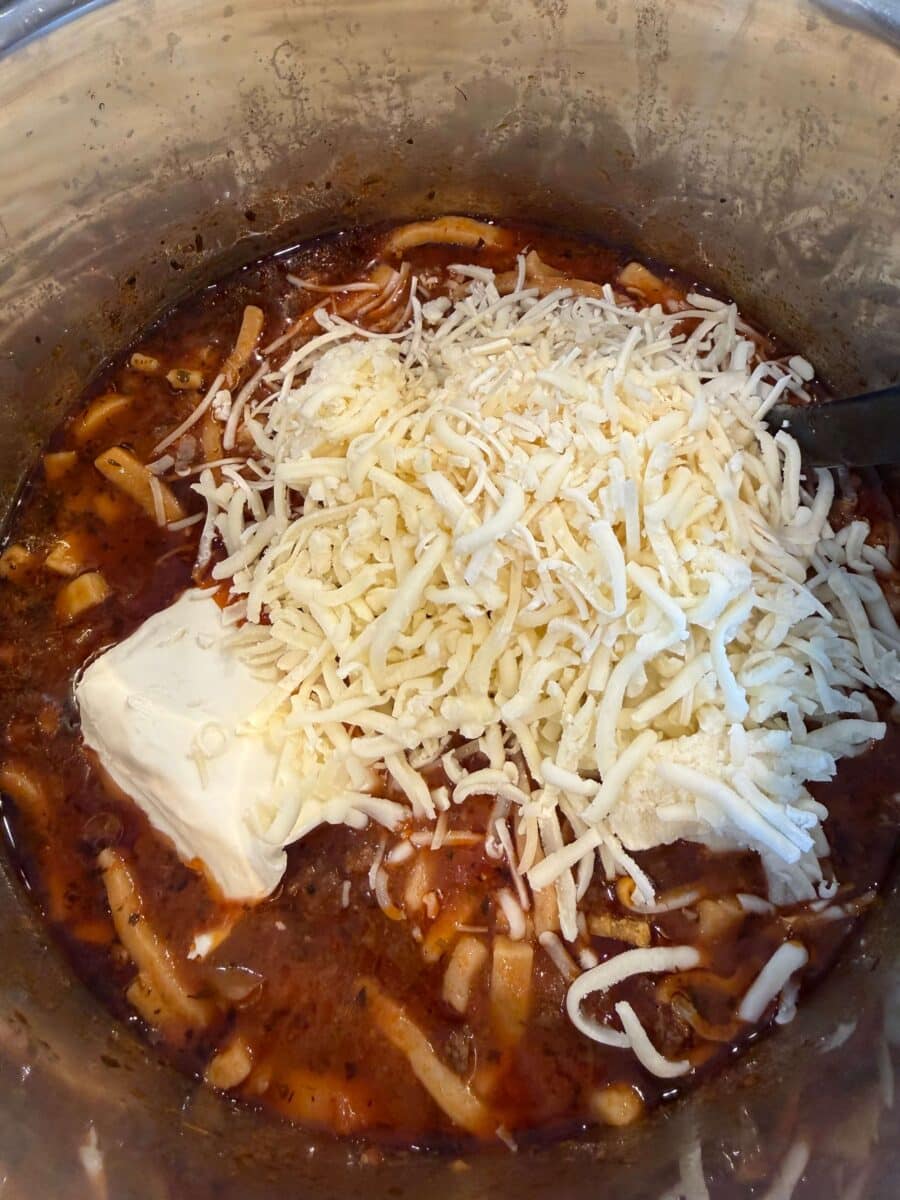
- Emulsification (25–30 minutes): Upon opening the lid, the cream cheese, mozzarella, and Parmesan are folded in. The residual heat from the pressure cycle is sufficient to melt these cheeses into a cohesive, "million-dollar" sauce.
The Slow Cooker Alternative
The slow cooker method follows a different chronological arc, prioritizing the slow breakdown of connective tissues and the deep infusion of spices into the beef.
- Stovetop Prep: Unlike the Instant Pot, the beef and onions must be browned in a separate skillet before being transferred to the slow cooker.
- Long-Duration Cooking: The beef, seasonings, broth, and sauce are combined and cooked on "Low" for 6 to 8 hours.
- Late-Stage Noodle Addition: Frozen egg noodles are typically added during the final 60 to 90 minutes of cooking. Adding them too early in a slow cooker would result in a loss of structural integrity, leading to a mushy consistency.
- Finishing: The dairy components are stirred in during the final fifteen minutes, ensuring the sauce reaches the desired viscosity.
Supporting Data: The Rise of Appliance-Centric Cooking
The popularity of Million Dollar Beef and Noodles is supported by data regarding kitchen appliance saturation. Estimates suggest that over 20% of American households owned a multi-cooker (like the Instant Pot) by 2020, with that number continuing to rise. The appeal lies in "active time" reduction. While a traditional beef ragu might require hours of stovetop monitoring, the automated nature of these devices allows for a "set-and-forget" workflow.
Furthermore, the "dump-and-go" nature of this recipe—specifically the layering of sauce over noodles—addresses the common consumer pain point of "dinner fatigue." Food industry analysts suggest that the average home cook has a rotation of only 7 to 10 recipes. Dishes that offer a high "perceived value" (the "million-dollar" taste) with low technical difficulty are the most likely to enter this permanent rotation.

Broader Implications and Culinary Analysis
The move toward recipes like Million Dollar Beef and Noodles reflects a broader cultural shift in how families approach the evening meal. In previous decades, gourmet cooking often implied expensive cuts of meat and intricate French techniques. Today, "gourmet" is increasingly defined by texture and flavor intensity achieved through smart ingredient substitutions.
The inclusion of cream cheese in a beef-and-red-sauce dish is a prime example of "fat-flavor bridging." The lactic acid in the cream cheese cuts through the acidity of the tomato sauce, while the high fat content carries the garlic and Italian herb notes more effectively to the palate. From a culinary standpoint, this creates a balanced profile that appeals to a wide demographic, from young children to adults seeking nostalgic comfort food.
Conclusion and Future Outlook
Million Dollar Beef and Noodles is more than a simple family dinner; it is a manifestation of modern domestic efficiency. By leveraging the mechanical advantages of pressure cooking and the cost-effectiveness of frozen staples, it provides a solution to the perennial challenge of providing high-quality nutrition on a budget.
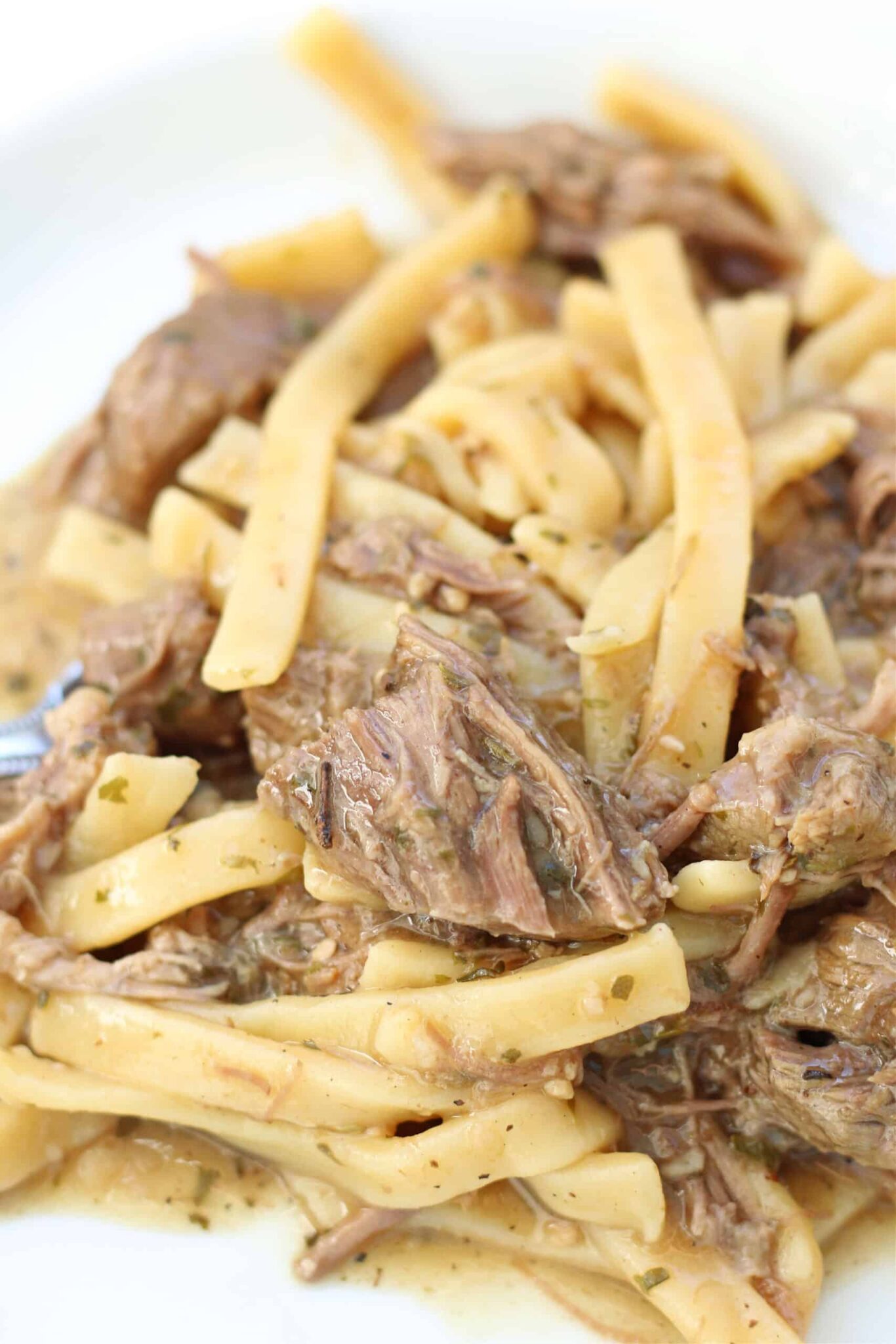
As grocery prices remain a point of concern for many households, the "Million Dollar" category of cooking is expected to expand. Future iterations may see the inclusion of more plant-based "stretcher" ingredients, such as lentils or mushrooms, to further reduce the cost of the protein component while maintaining the signature richness of the dish. For now, the combination of beef, noodles, and a decadent cheese blend remains a gold standard for the modern, time-pressed home chef. This dish exemplifies the fact that in the world of contemporary home cooking, "richness" is no longer a matter of the price of the ingredients, but the intelligence of their application.
