
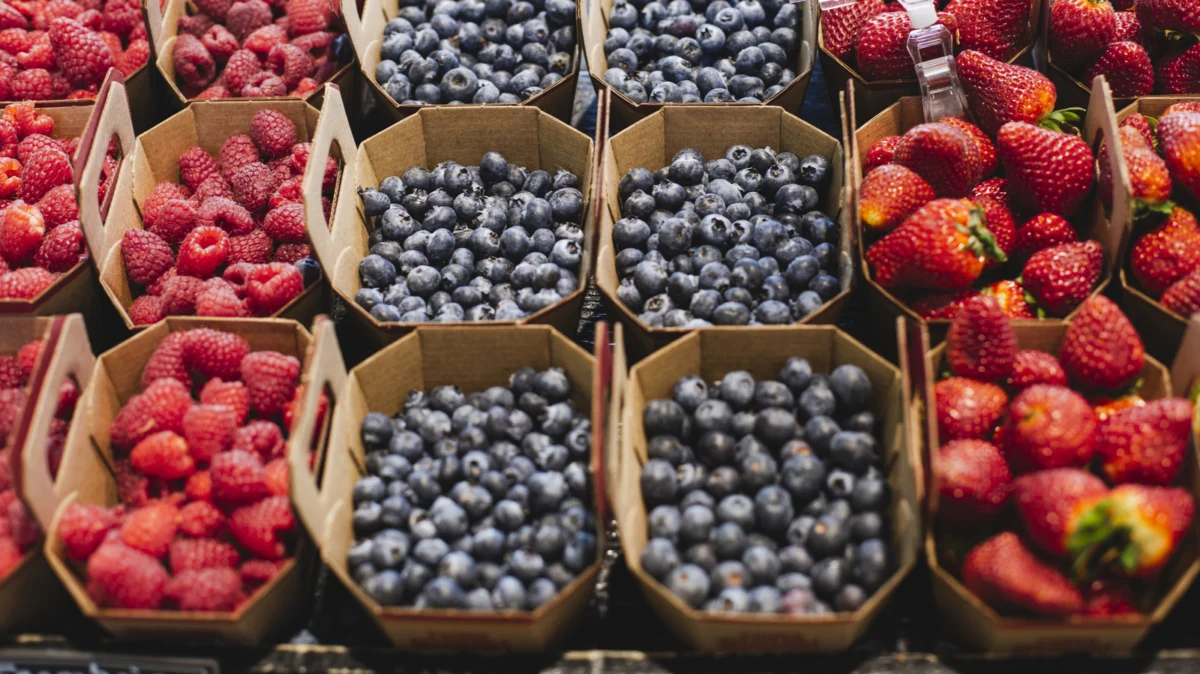
Fresh berries, with their vibrant colors and delightful sweet-tart flavor profiles, are a cornerstone of healthy eating for many. From breakfast bowls to smoothies and desserts, these nutrient-dense fruits are a regular fixture on grocery lists, with blueberries, strawberries, and raspberries being perennial favorites. Shoppers often develop a set of beliefs about how to select the best berries, store them, and prepare them, assuming these practices maximize flavor, nutrition, and shelf life. However, many of these deeply ingrained notions are, in fact, common misconceptions that can lead to less than optimal results. This article aims to debunk ten prevalent myths surrounding berries, equipping consumers with the knowledge to make more informed choices and better enjoy these beloved fruits.
Unpacking Berry Beliefs: Separating Fact from Fiction
The appeal of berries extends beyond their delicious taste; they are nutritional powerhouses, packed with vitamins, antioxidants, and fiber. Yet, the journey from the grocery aisle to the kitchen table is often paved with assumptions that don’t always hold true. Understanding the science and realities behind berry selection, preservation, and consumption can significantly enhance their enjoyment and health benefits.
Myth 1: Bigger is Always Better
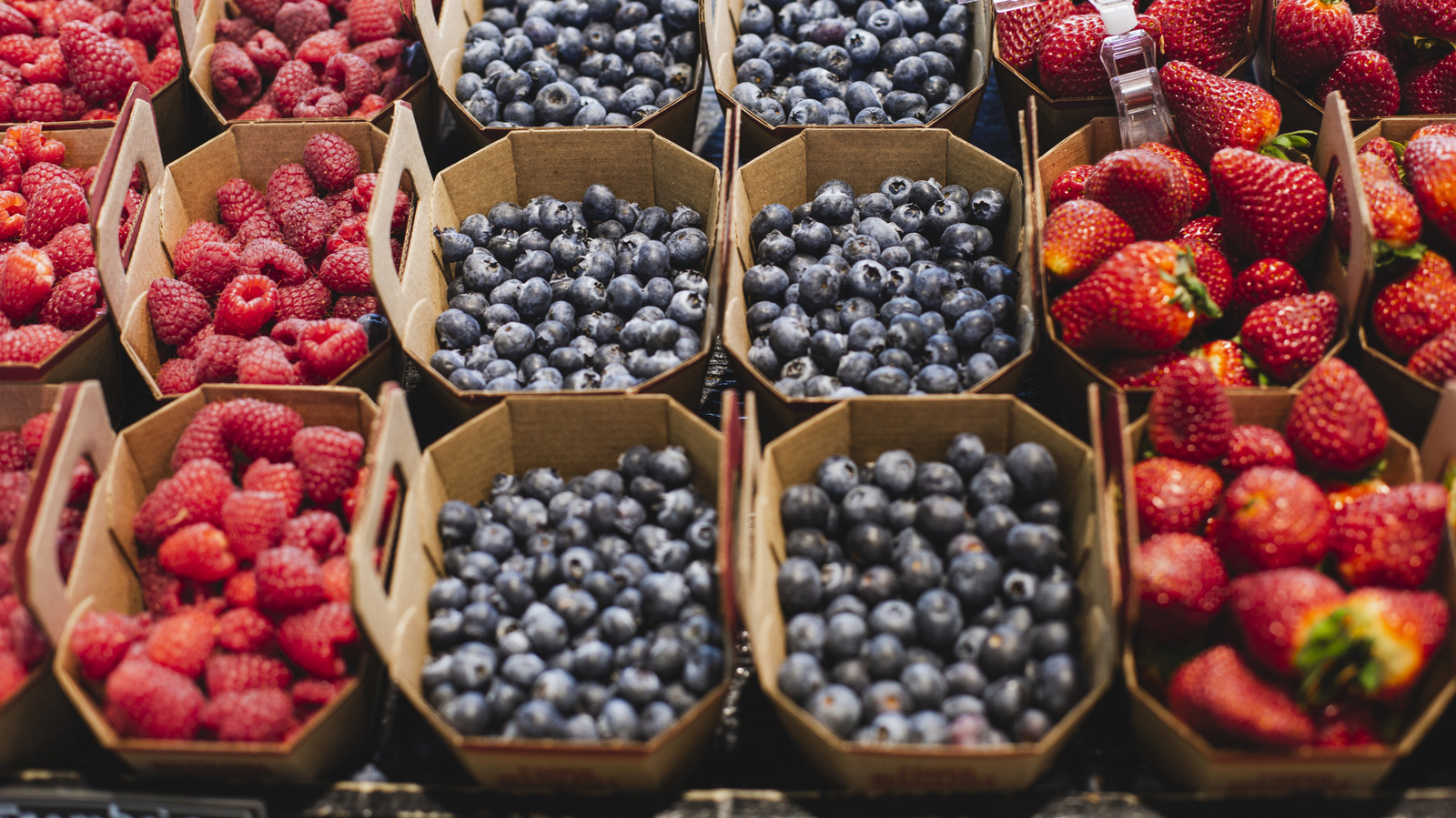
The allure of an extra-large, plump berry is undeniable. However, contrary to popular belief, size is not always an indicator of superior quality in fruits like blueberries and strawberries. While larger berries might be visually appealing, this impressive size can sometimes come at the expense of concentrated flavor and optimal nutritional value.
Supporting Data and Analysis:
In the case of cultivated blueberries, an emphasis on large size can be a result of breeding programs that prioritize aesthetics over taste. Wild blueberries, which are significantly smaller, often boast a more intense sweetness and tang. This difference in flavor can be attributed to a higher skin-to-pulp ratio in smaller berries. Blueberry skin is particularly rich in antioxidants, and a greater proportion of skin means a more concentrated dose of these beneficial compounds per berry.
Similarly, with strawberries, an oversized fruit doesn’t automatically guarantee superior flavor. Smaller strawberries are frequently found to be more intensely flavored than their larger counterparts. When assessing berry quality, factors such as texture, aroma, and overall color saturation are often more reliable indicators than sheer size.
Myth 2: Fresh Berries Reign Supreme Over Frozen
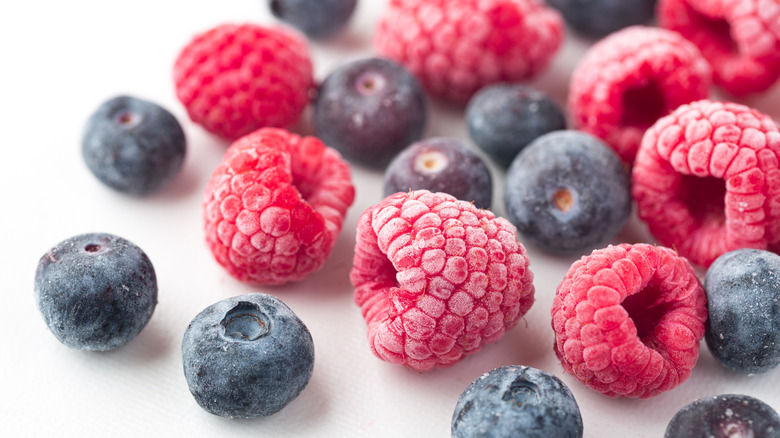
Frozen berries are a convenient and accessible option, offering a long shelf life and ease of use. Despite their practicality, some consumers hesitate, believing that the freezing process inevitably diminishes their nutritional content. However, the reality is often quite the opposite.
Supporting Data and Analysis:
In many instances, frozen berries can be nutritionally superior to their fresh counterparts. This is primarily because fruits destined for freezing are typically picked at their peak ripeness, a moment when their nutrient levels are at their highest. They are then rapidly frozen, a process that effectively locks in these vital nutrients. Fresh berries, on the other hand, often undergo a longer period of chilled storage before reaching consumers, during which some nutrient degradation can occur.
Beyond nutritional advantages, frozen berries offer other benefits. Their frozen state provides a desirable thickness when incorporated into smoothies, and they eliminate the need for pre-washing. From an economic perspective, frozen berries can also be more cost-effective due to their reduced likelihood of spoilage and waste.
Myth 3: Berries are Loaded with Sugar
Individuals aiming to reduce their sugar intake might be inclined to exclude all fruits, including berries, from their diet, assuming they are high in natural sugars. While fruits do contain sugars, berries are generally among the lower-sugar options available.
Supporting Data and Analysis:
Blackberries, raspberries, and strawberries typically contain between 4 to 5 grams of sugar per 100-gram serving. This is approximately half the sugar content found in an equivalent weight of grapes and significantly less than fruits like mangoes, bananas, or peaches. Blueberries, while slightly sweeter, contain around 10 grams of sugar per 100 grams, which is still considered moderate when compared to many other fruits.
Crucially, berries deliver natural sweetness alongside a valuable array of fiber, vitamins, minerals, and antioxidants. The fiber content plays a vital role in moderating sugar absorption into the bloodstream, leading to a more sustained release of energy rather than the sharp spikes associated with highly processed sugars. This makes enjoying the natural sweetness of berries a far healthier choice.
Myth 4: All Berries Must Be Washed Immediately Upon Returning Home
Washing berries is a crucial step to remove any residual dirt, pesticides, or other contaminants. However, the timing of this washing process is often misunderstood, and washing berries too early can inadvertently shorten their lifespan.
Supporting Data and Analysis:
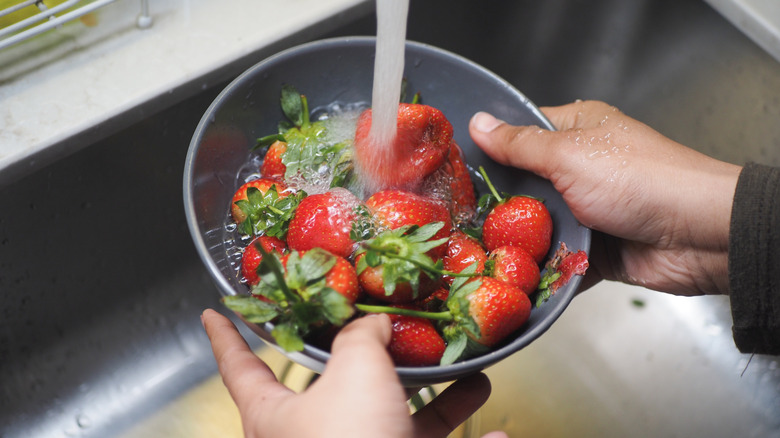
Washing berries immediately after purchase and before storing them can introduce excess moisture to their delicate surfaces. This lingering moisture can create an environment conducive to mold growth, accelerating spoilage. For most types of berries, it is advisable to wash them just before consumption. A thorough rinse under cool, running water will effectively remove any debris and prepare them for immediate use.
Some individuals opt for a diluted vinegar rinse as a pre-storage cleaning method. While not always necessary, this can be beneficial for extending the freshness of berries that may already appear slightly soft. It is paramount, however, to ensure the berries are completely dried after any washing process. Storing them in a well-ventilated container, perhaps with a layer of paper towel at the bottom, can further help to mitigate excess moisture and prolong their freshness.
Myth 5: A White Coating on Blueberries Signals Spoilage
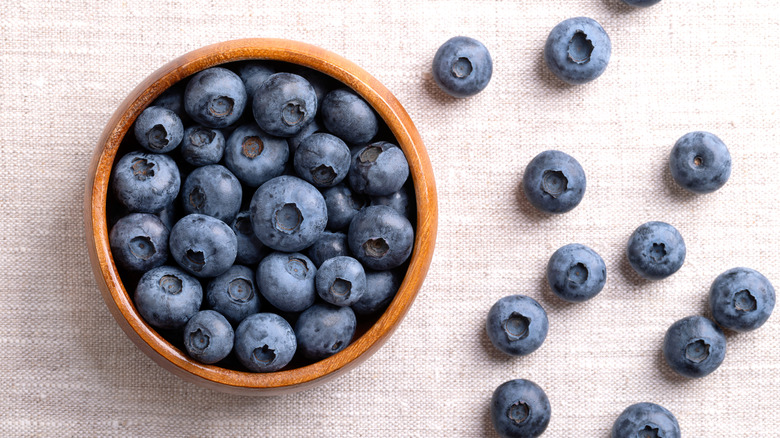
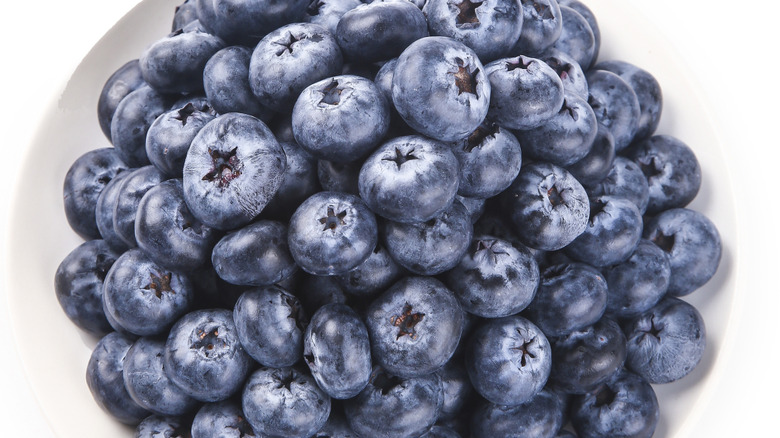
The appearance of a powdery, white film on blueberries can be disconcerting for some consumers, leading them to believe the berries have gone bad. This white coating, known as "bloom," is actually a natural and beneficial protective layer.
Supporting Data and Analysis:
The bloom on blueberries is a naturally occurring wax layer that serves multiple protective functions. It helps to retain moisture within the berry, preventing dehydration, and acts as a barrier against external pathogens and spoilage. Furthermore, the bloom contributes to preserving the fruit’s natural flavor. In fact, a more prominent bloom can often be an indicator of higher quality and fresher fruit, as it suggests less handling and transit time, which can naturally rub off the bloom.
As berries move through the supply chain, the bloom can be diminished through handling. Therefore, its absence does not necessarily indicate a lack of freshness. Washing blueberries will also remove this protective layer, reinforcing the recommendation to wash them only when ready for consumption.
Myth 6: Strawberries Ripen Further After Picking
Unlike certain other fruits that continue to ripen and sweeten after being harvested, strawberries are a notable exception to this rule. Once picked, strawberries have reached their peak ripeness and will not undergo further significant ripening.
Background Context and Botanical Classification:
Strawberries belong to a category of fruits known as non-climacteric fruits. These fruits produce minimal ethylene gas after harvest, which is the primary hormone responsible for the ripening process in climacteric fruits like bananas, apples, and pears. Consequently, the quality and ripeness of strawberries are largely determined at the time of harvest.
Implications:
This characteristic means that the sweetness and flavor of strawberries are best when they are picked at their optimal stage of maturity. Since they do not ripen further, they also tend to spoil more rapidly, especially when stored at room temperature. Prompt refrigeration upon purchase is essential to maximize their shelf life and prevent premature spoilage. For longer-term storage, washing, hulling, and freezing strawberries can effectively preserve their flavor and nutritional value.
Myth 7: Strawberries and Raspberries are True Berries
While commonly referred to as berries in culinary contexts, strawberries and raspberries do not meet the strict botanical definition of a "true berry." This distinction lies in the scientific classification of fruits based on their development from a flower’s ovary.
Botanical Analysis:
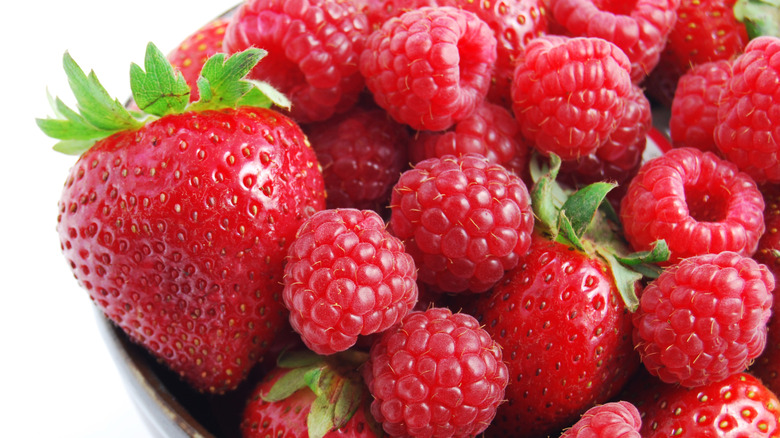
According to botanical definitions, a true berry develops from a single ovary within a flower. In contrast, strawberries and raspberries are classified as aggregate fruits. This means they develop from flowers that possess multiple ovaries. Each small drupelet on the surface of a raspberry or strawberry originates from a separate ovary.
Interestingly, other fruits that are not typically considered berries in everyday language, such as avocados, bananas, and even pumpkins, technically fit the botanical definition of a true berry. Conversely, blueberries and cranberries are indeed true berries, both botanically and culinarily.
Myth 8: Black Currants Lack Versatility and Nutritional Value
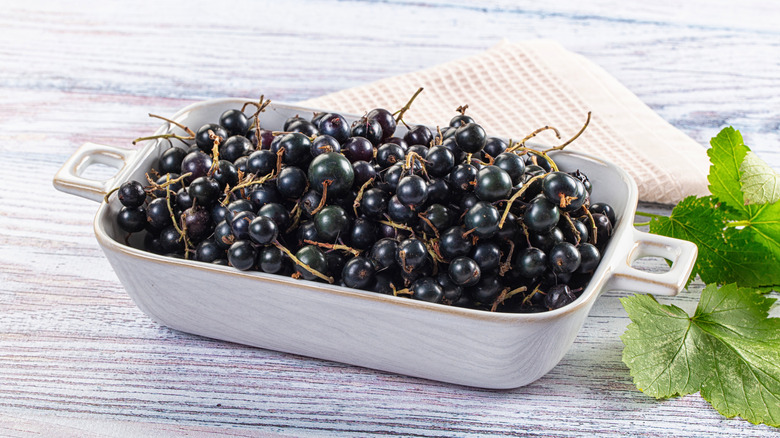
For a significant period, black currants faced restrictions on cultivation and distribution in the United States, from 1911 to 1966, due to concerns about a fungus that threatened pine forests. This historical ban meant that Americans missed out on these potent berries for decades. While restrictions have since been eased due to advancements in disease-resistant varieties, black currants remain less popular than more familiar berry types.
Supporting Data and Analysis:
This relative obscurity has led to a misconception that black currants are less versatile or nutritious than other berries. However, these tart and flavorful fruits are nutritional powerhouses. They are exceptionally high in Vitamin C, often exceeding the content found in many other fruits, and are an excellent source of anthocyanins, which are potent antioxidants linked to cardiovascular health benefits, including potential reductions in blood pressure.
Black currants also offer a unique and complex tartness that complements a wide range of culinary applications. They can be simmered into jams and jellies, incorporated into baked goods, or used to create rich ice creams and sorbets. Their natural acidity provides a delightful counterpoint to sweetness, making them a versatile ingredient for both sweet and savory dishes.
Myth 9: Juicing Berries Offers the Same Health Benefits as Eating Them Whole
The popularity of juicing surged in the late 20th and early 21st centuries, with many juice cleanses and detox programs touting rapid health improvements. While juicing can be a way to consume fruit, it often strips away essential components, altering its health impact.
Analysis of Nutritional Differences:
The primary nutritional difference between whole berries and berry juice lies in their fiber content. When berries are juiced, the solid pulp, which contains the majority of the dietary fiber, is typically discarded. Fiber plays a crucial role in slowing down the absorption of sugars into the bloodstream, promoting a more gradual and sustained energy release. Without fiber, the natural sugars in fruit juice are absorbed much more rapidly, leading to potential blood sugar spikes.
Furthermore, the process of juicing often requires a significantly larger quantity of fruit to produce a single serving of juice compared to what one might consume when eating whole berries. This can lead to a higher intake of sugar and calories without the accompanying benefits of fiber. To retain the beneficial fiber and enjoy berries in a drinkable format, smoothies are a preferable alternative, as they blend the entire fruit, including its pulp.
Myth 10: The Redder the Strawberry, the Sweeter the Taste
The visual cue of a deep, ruby-red strawberry often leads consumers to assume it will be the sweetest and most flavorful. While a vibrant red hue can indicate ripeness in many strawberry varieties, ripeness does not always directly correlate with sweetness.
Factors Influencing Strawberry Sweetness:
The development of sweetness in strawberries is influenced by a complex interplay of genetic factors, growing conditions, and environmental influences, in addition to the ripening process. While a bright red color is generally a positive sign of ripeness, other sensory cues are more reliable indicators of flavor.
Assessing Strawberry Quality:
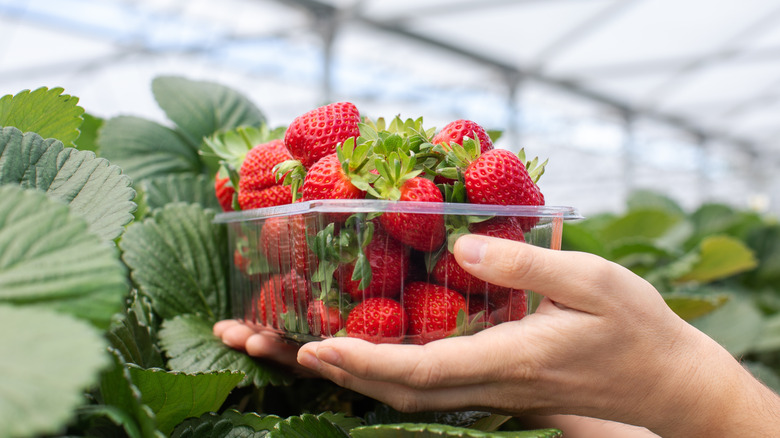
To select the sweetest and most flavorful strawberries, consumers should look for fruits that are firm to the touch, possess a bright, glossy appearance, and exhibit no signs of browning or wrinkling. An intensely sweet, floral aroma is another strong indicator of ripeness and flavor. Conversely, any funky or fermented smells suggest that the berries are past their prime. It is also important to remember that certain strawberry varieties, such as white strawberries, achieve peak ripeness without developing a red color, underscoring the need to rely on multiple indicators rather than color alone.
By dispelling these common myths, consumers can approach berry selection, storage, and consumption with greater confidence, ensuring they are maximizing the taste, nutritional benefits, and overall enjoyment of these remarkable fruits.
