
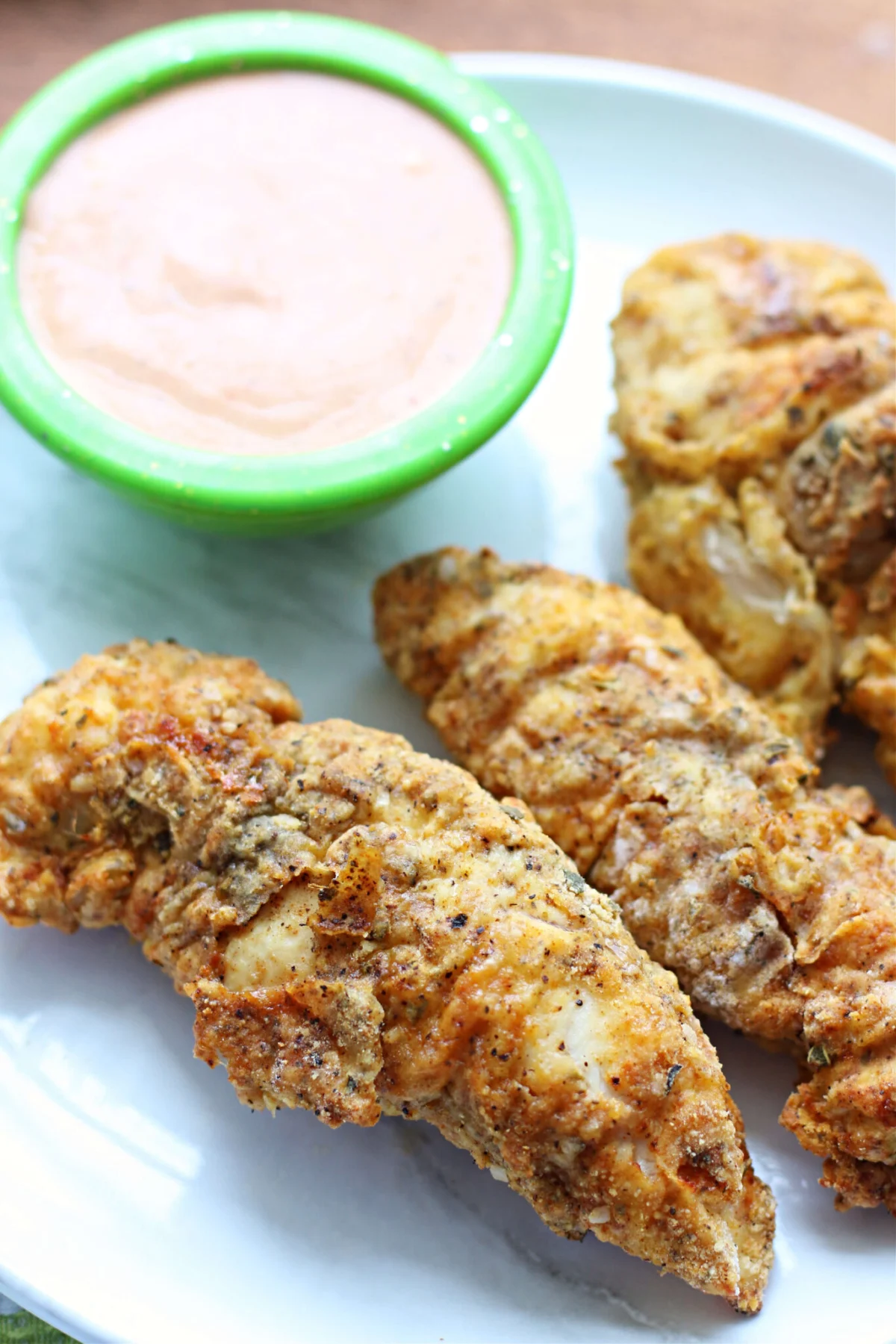
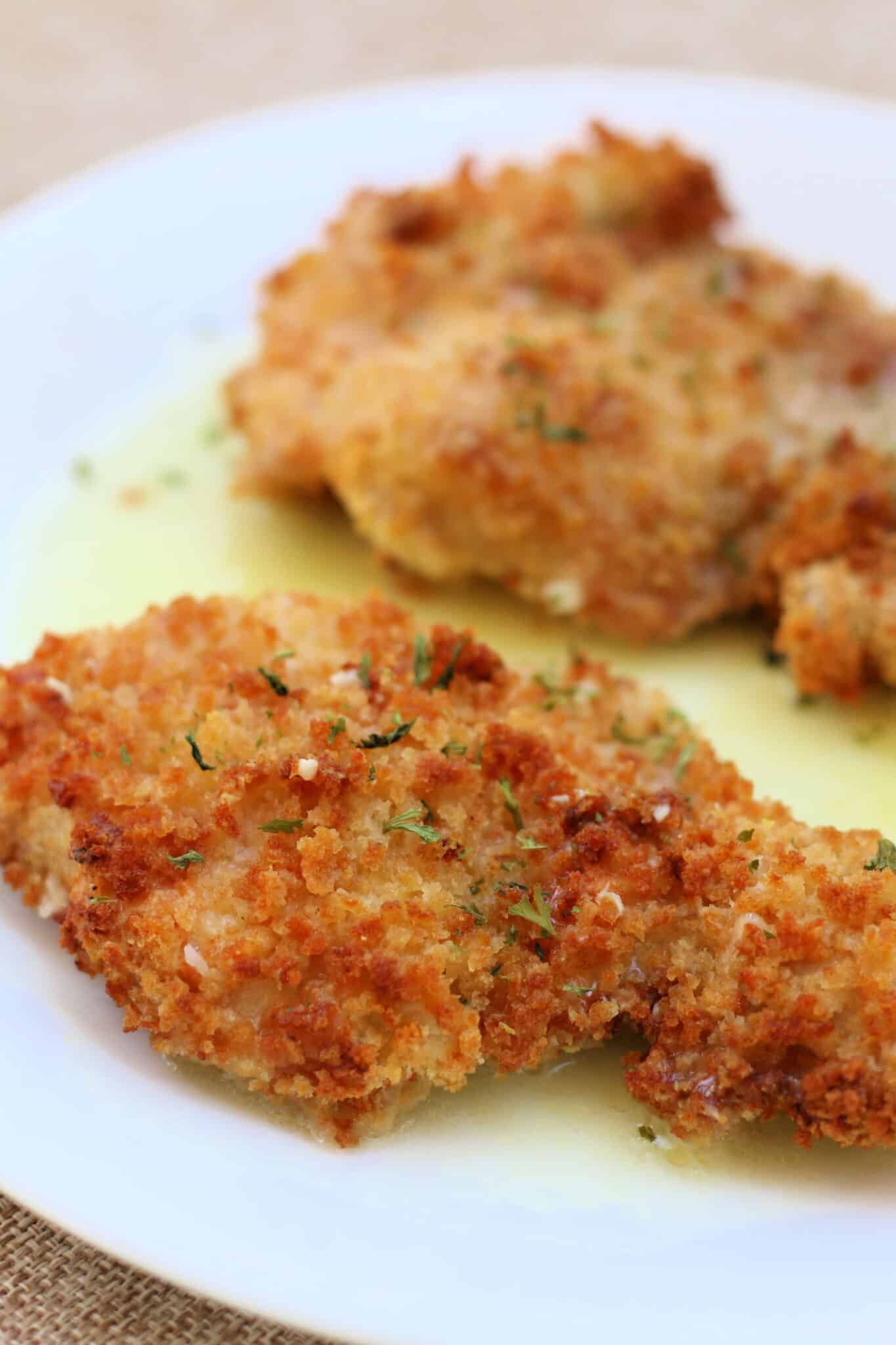
The culinary world has witnessed a significant shift in how high-end restaurant staples are translated for the domestic kitchen, with the adaptation of Morton’s Steakhouse Chicken Christopher serving as a primary example of this evolution. Traditionally recognized as a cornerstone of the Morton’s The Steakhouse menu, this dish represents a sophisticated balance of textures and flavors, characterized by its crisp exterior and a rich, citrus-infused garlic butter sauce. In recent years, the rise of specialized kitchen appliances, particularly the air fryer, has allowed home cooks to replicate these professional-grade results with a focus on efficiency and health-conscious modifications. This report examines the technical preparation, historical context, and broader culinary implications of the Chicken Christopher preparation within the modern home-cooking landscape.
Historical Context and Culinary Heritage
Morton’s The Steakhouse, founded in 1978 in Chicago by Arnie Morton and Klaus Fritsch, established itself as a premier destination for USDA Prime-aged beef. However, the inclusion of dishes like Chicken Christopher was a strategic move to diversify the menu and provide lighter, yet equally decadent, alternatives to heavy steaks. The "Christopher" style—typically referring to a breaded protein finished with a garlic-heavy beurre blanc or cream sauce—became a signature offering that appealed to diners seeking the comfort of a classic poultry dish elevated by French-inspired saucing techniques.
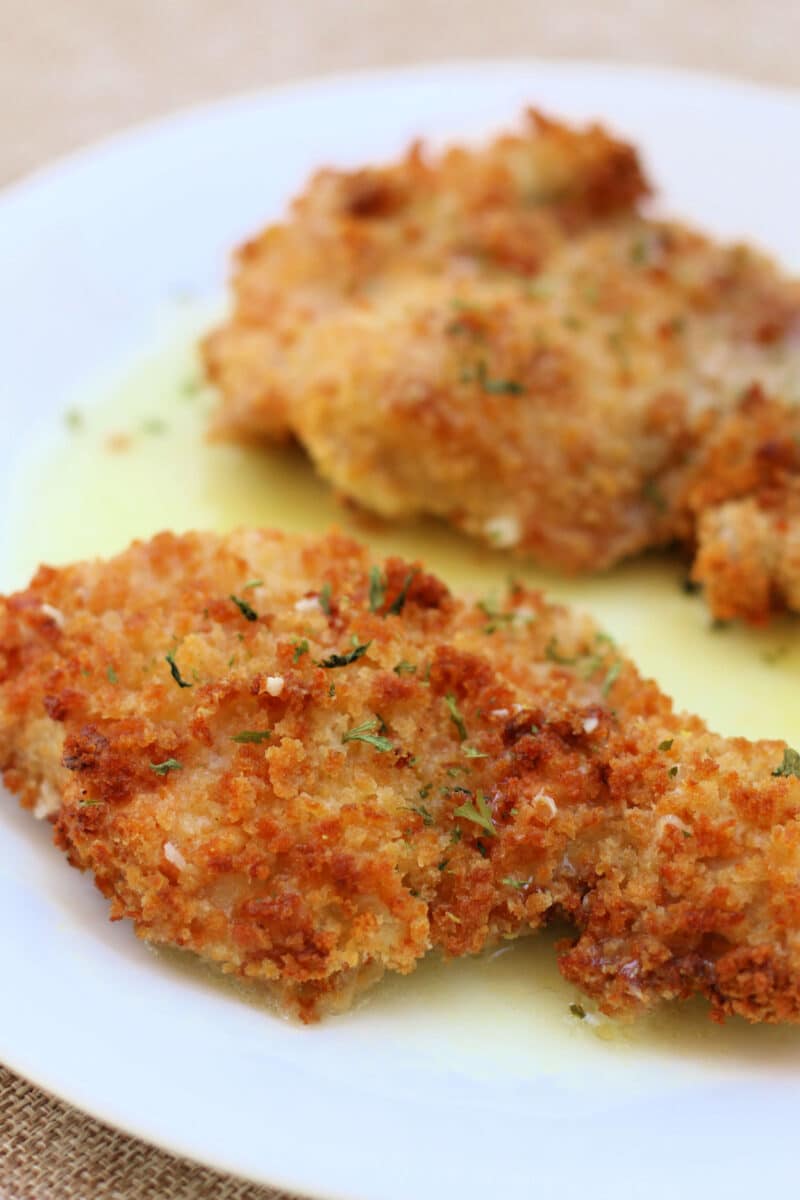
The transition of this dish from a commercial kitchen, where industrial-grade broilers and deep fryers are standard, to the domestic air fryer represents a democratization of "steakhouse quality" meals. By utilizing panko breadcrumbs—a Japanese-style crumb that is larger and airier than traditional breadcrumbs—home cooks are able to achieve the signature crunch of the Morton’s original without the necessity of submersing the protein in large quantities of oil.
Technical Chronology of Preparation
The process of recreating Morton’s Steakhouse Chicken Christopher involves a systematic approach to breading and temperature management. To ensure the integrity of the dish, the preparation is divided into distinct phases: the dredging sequence, the air frying cycle, and the sauce reduction.
The Dredging and Seasoning Phase
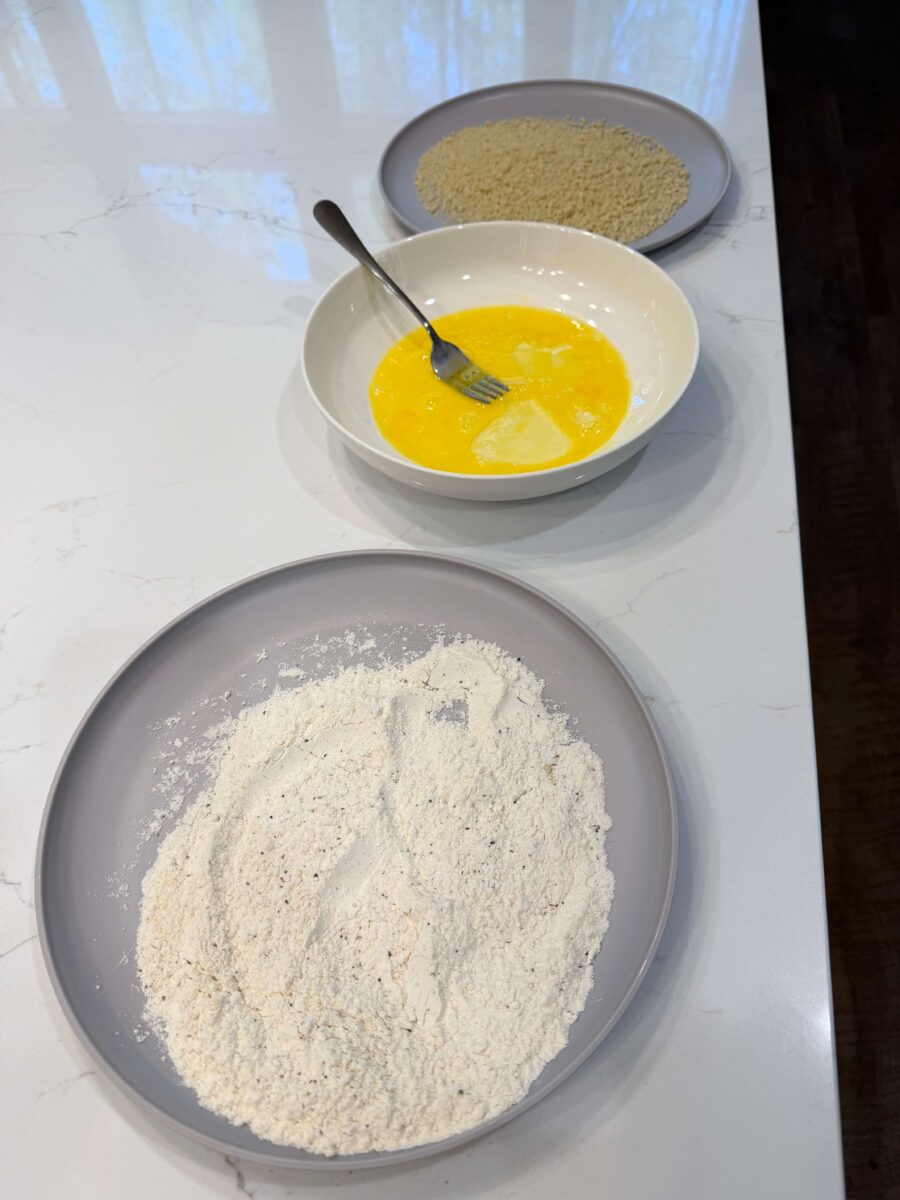
The foundation of the dish lies in the structural integrity of the crust. A standard three-stage dredging station is required to ensure the panko breadcrumbs adhere correctly to the chicken thighs. Thighs are preferred in many modern adaptations due to their higher fat content compared to breasts, which ensures the meat remains succulent during the high-velocity air circulation of the air fryer.
- Initial Seasoning: The chicken is treated with a dry rub consisting of garlic powder, onion powder, salt, and black pepper. This ensures that flavor is built directly onto the protein rather than relying solely on the exterior coating.
- The Flour Barrier: The chicken is first dusted in all-purpose flour, which serves to dry the surface of the meat and provide a "glue" for the liquid component.
- The Binding Agent: A wash of beaten eggs provides the necessary moisture to trap the breadcrumbs.
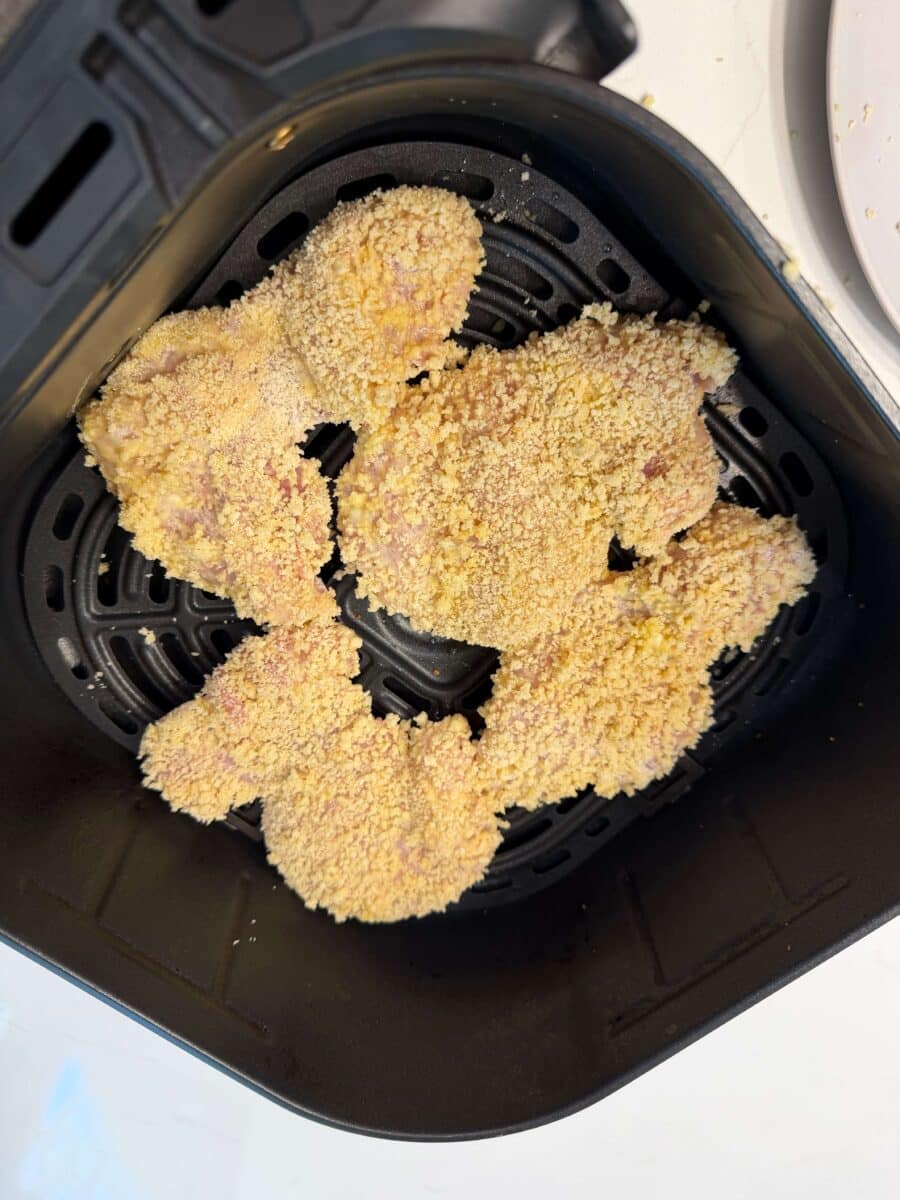
- The Panko Coating: Finally, the chicken is pressed into panko breadcrumbs. Unlike traditional crumbs, panko’s jagged surface area maximizes the crisping potential when exposed to the air fryer’s heating elements.
The Air Frying Cycle
The move from pan-frying to air frying is a technical shift that alters the heat transfer method from conduction (contact with hot oil) to convection (circulation of hot air). To replicate the buttery finish of a steakhouse meal, a small amount of melted butter—approximately two tablespoons—is drizzled over the chicken pieces once they are placed in the air fryer basket.
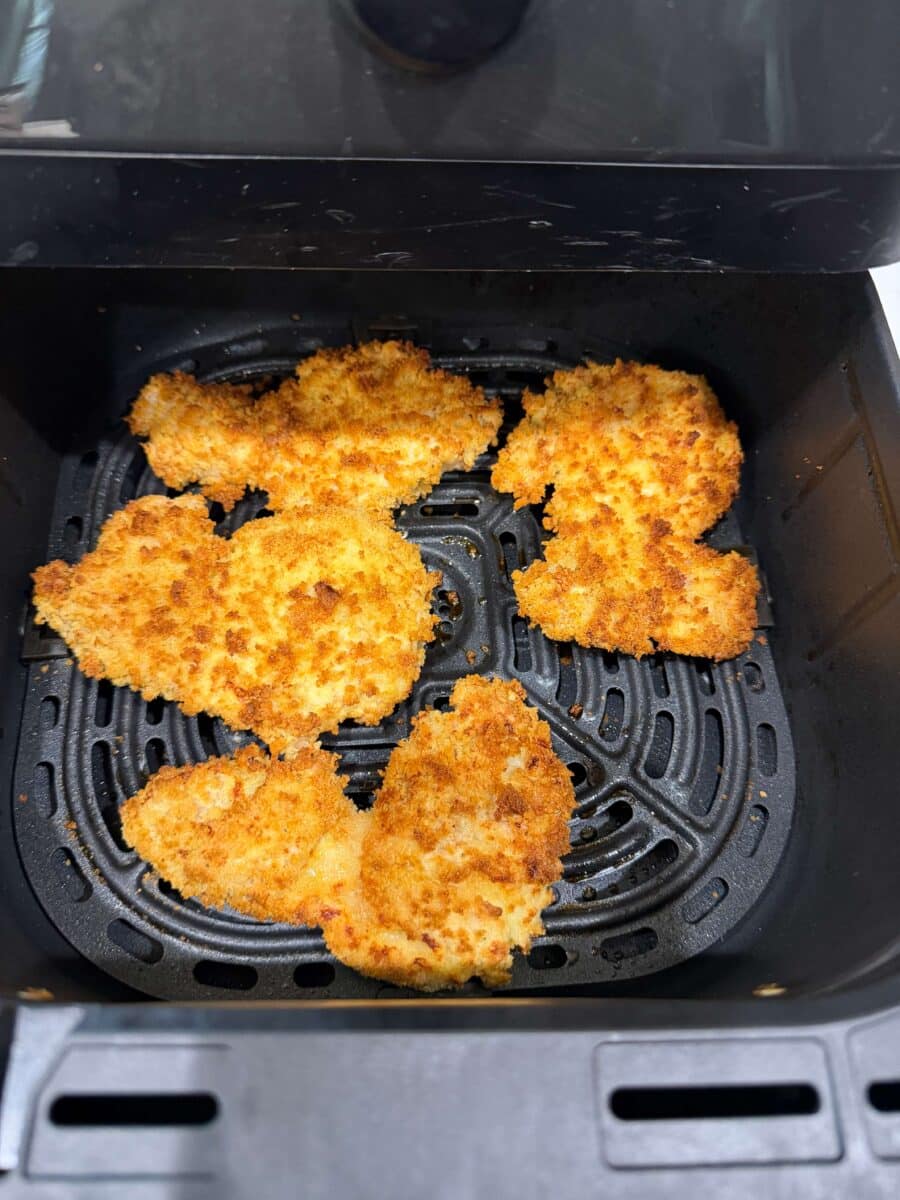
The appliance is preheated to 380°F (193°C), a temperature sufficient to trigger the Maillard reaction—the chemical reaction between amino acids and reducing sugars that gives browned food its distinctive flavor. The cooking duration is approximately 16 minutes, providing enough time for the internal temperature of the chicken thighs to reach the safety standard of 165°F while ensuring the panko exterior reaches a golden-brown hue.
Sauce Development and Reduction
While the chicken undergoes the convection process, the "Christopher" sauce is prepared on a stovetop. This sauce is a derivative of a classic garlic butter sauce, enriched with heavy cream and brightened with lemon juice. The chronology of the sauce is vital to prevent the cream from curdling and to ensure the garlic flavor is mellowed through sautéing.
The process begins by melting butter and sautéing minced garlic for one to two minutes until fragrant. Chicken broth and fresh lemon juice are then introduced, and the mixture is allowed to simmer, reducing the liquid and concentrating the flavors. The final addition of heavy cream provides the emulsification necessary to create a velvety texture that adheres to the crispy chicken without making the breading excessively soggy.

Supporting Data: Health and Economic Implications
The adaptation of restaurant recipes for the air fryer is supported by significant consumer data and nutritional analysis. According to market research, the global air fryer market has seen a compound annual growth rate (CAGR) of over 7% as consumers increasingly prioritize health without sacrificing the sensory experience of fried foods.
Nutritional Comparison
In a traditional steakhouse setting, a breaded chicken dish may be pan-seared in several ounces of clarified butter or oil, significantly increasing the caloric density and saturated fat content. By utilizing an air fryer, the fat required for the "frying" stage is reduced by an estimated 70-80%. While the Chicken Christopher sauce remains a rich component, the overall reduction in cooking oil makes the dish more accessible for those monitoring cardiovascular health or caloric intake.
The Rise of "Copycat" Culture
The economic impact of "copycat" recipes—domestic versions of famous restaurant dishes—has transformed the digital food landscape. Platforms such as 365 Days of Crockpot and various culinary blogs have seen a surge in traffic for recipes that promise "restaurant quality at home." This trend is driven by the rising cost of dining out, with steakhouse prices seeing a notable increase due to supply chain fluctuations in the poultry and beef markets. By preparing a dish like Chicken Christopher at home, consumers can achieve a luxury dining experience at approximately 25-30% of the cost of a restaurant visit.
Inferred Industry Reactions and Consumer Feedback
While Morton’s The Steakhouse has not issued a formal statement regarding specific home-use air fryer adaptations of their menu, the broader restaurant industry has acknowledged the trend of domestic culinary replication. Industry analysts suggest that rather than detracting from restaurant sales, the popularity of these recipes often serves as a form of brand reinforcement. When consumers successfully recreate a signature dish at home, it often increases their affinity for the brand, leading to future visits for the "authentic" experience.
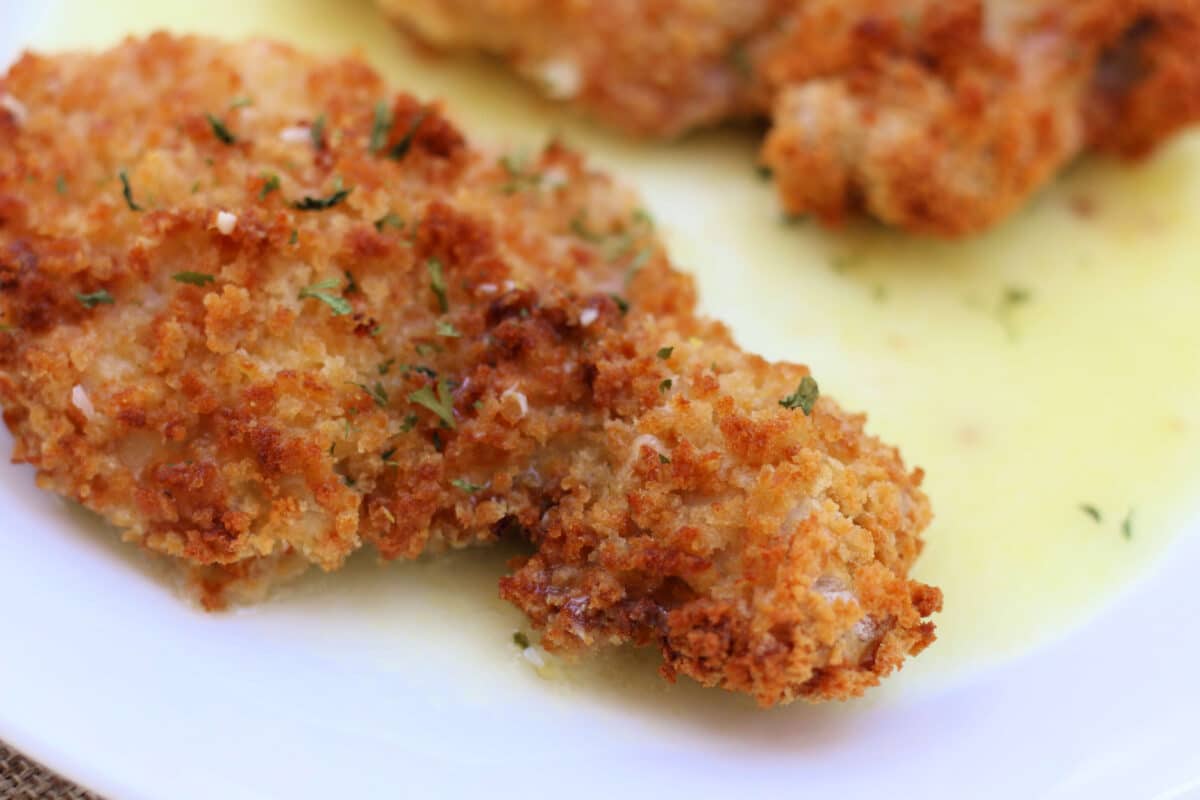
Home cooks who have tested the air fryer version of Chicken Christopher frequently cite the "juiciness" of the chicken thighs as a primary success factor. In culinary forums, users have noted that the air fryer’s ability to cook meat quickly prevents the moisture loss often associated with traditional oven baking. The addition of the lemon-garlic sauce is consistently identified as the defining element that elevates the dish from standard breaded chicken to a gourmet entree.
Broader Impact and Future Trends
The success of the Morton’s Steakhouse Chicken Christopher adaptation reflects a larger movement toward "functional gourmet" cooking. This movement emphasizes the use of modern technology to simplify complex, multi-step restaurant processes. As air fryer technology continues to advance—incorporating features like steam infusion and dual-zone cooking—the gap between professional kitchen results and domestic outputs is expected to narrow further.
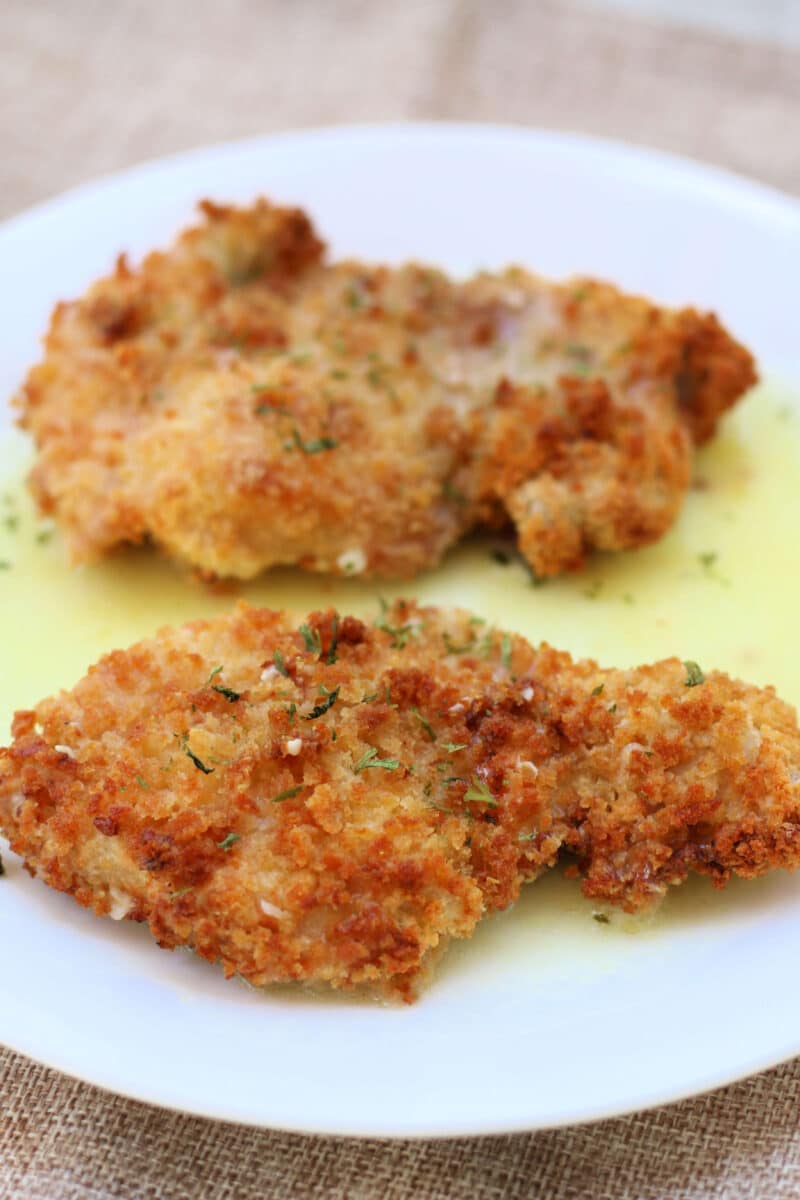
Furthermore, the focus on chicken thighs over breasts in this recipe aligns with a growing culinary preference for dark meat, which is more forgiving and flavorful. This shift is also reflected in wholesale poultry trends, where the demand for thighs has seen a steady increase in both the retail and food service sectors.
In conclusion, the Morton’s Steakhouse Chicken Christopher air fryer adaptation is more than a simple recipe; it is a manifestation of current culinary trends that prioritize health, economic value, and the utilization of kitchen technology. By deconstructing the elements of a high-end steakhouse classic and rebuilding them for the modern home, cooks are able to maintain the legacy of Arnie Morton’s vision while adapting it for the 21st-century lifestyle. The result is a dish that remains a "big hit" in households, offering a sophisticated flavor profile that bridges the gap between everyday dining and celebratory meals.
