
The intricate dance between our bodies and stress is largely orchestrated by a key hormone: cortisol. Often dubbed the "stress hormone," cortisol plays a vital role in regulating various bodily functions, including metabolism, immune response, and inflammation. However, when faced with chronic stress, cortisol levels can become persistently elevated, leading to a cascade of negative health consequences. While no single food possesses the magical ability to instantly banish high cortisol, the strategic integration of specific nutrient-rich foods into our daily diets can significantly support the body’s natural stress response and contribute to a healthier equilibrium.
Registered dietitian Angel Luk emphasizes that adopting dietary patterns akin to the Mediterranean diet can be a powerful ally in managing cortisol. This well-researched dietary approach, consistently lauded for its health benefits, focuses on reducing inflammation, a known contributor to elevated cortisol levels. "Foods that are part of the Mediterranean diet help reduce inflammation, which may reduce cortisol as a result," Luk explains. This principle translates into prioritizing certain food groups that are rich in anti-inflammatory compounds and essential nutrients.
Embracing the Power of Omega-3 Fatty Acids
A cornerstone of the cortisol-conscious diet, according to Luk, lies in the consumption of fatty fish. Varieties such as salmon and sardines are exceptionally rich in omega-3 fatty acids. These essential fats are crucial for maintaining a healthy balance of omega-3s, omega-6s, and omega-9s in the body. This balance is vital because an imbalance, often skewed towards higher omega-6 consumption, can promote inflammation. By increasing omega-3 intake, we can help shift this ratio, thereby supporting the body’s natural ability to combat inflammation and, consequently, mitigate the rise of cortisol.
Beyond fatty fish, other foods that contribute valuable omega-3s include chia seeds, flaxseeds, and walnuts. These plant-based sources offer a convenient way to incorporate these beneficial fats into various meals and snacks. The synergistic effect of these fatty acids on inflammation reduction is a well-documented area of nutritional science, with numerous studies highlighting their role in mitigating chronic inflammatory conditions.
The Calming Influence of Magnesium-Rich Foods
Another critical nutrient for stress management is magnesium. This mineral plays a pivotal role in numerous biochemical reactions within the body, including those that regulate the nervous system and promote relaxation. Luk points out that magnesium-rich foods can foster a sense of calm, leading to improved sleep quality and, by extension, lower levels of stress and cortisol.
Oats and bananas are prime examples of readily available, magnesium-rich foods. Incorporating oatmeal into breakfast routines or enjoying a banana as a snack can provide a steady supply of this vital mineral. Other excellent sources of magnesium include leafy green vegetables like spinach and kale, as well as legumes such as black beans and lentils, and nuts and seeds like almonds and pumpkin seeds. The widespread deficiency in magnesium in modern diets underscores the importance of consciously including these foods to support overall well-being and stress resilience.
The Mediterranean Diet: A Holistic Approach to Stress Reduction
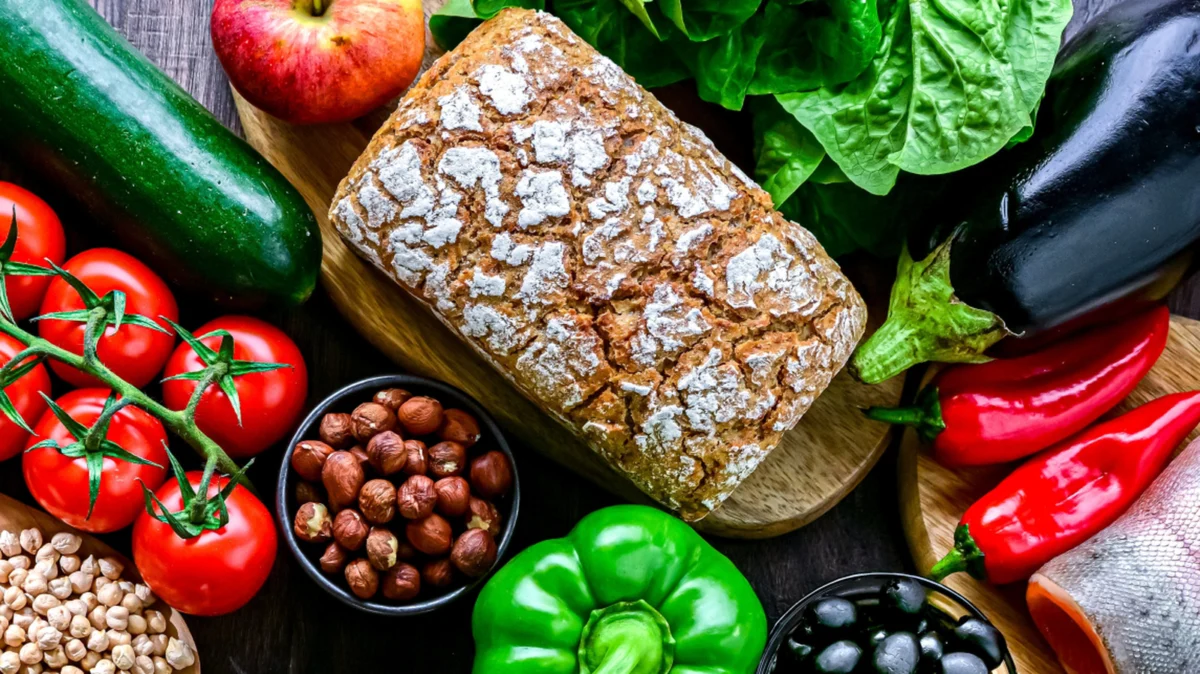
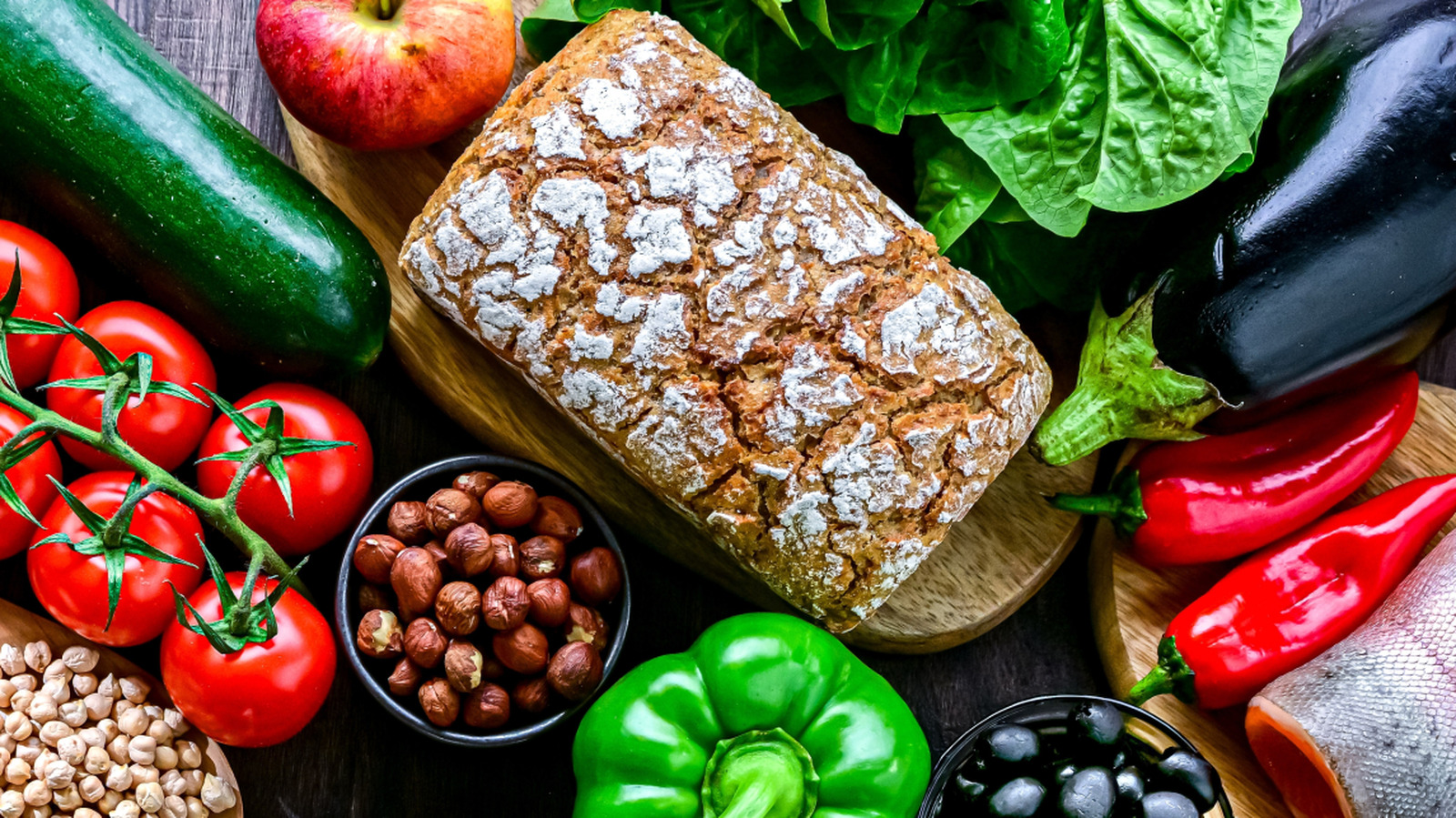
The Mediterranean diet, with its emphasis on whole, unprocessed foods, provides a comprehensive framework for building a stress-busting eating plan. Its principles naturally align with the goal of lowering cortisol by promoting overall health and reducing inflammation. Beyond fatty fish and magnesium-rich sources, the diet encourages the consumption of:
- Abundant Fruits and Vegetables: These are packed with antioxidants, vitamins, and fiber, all of which contribute to a robust immune system and reduced inflammation.
- Legumes: Beans, lentils, and chickpeas are excellent sources of fiber, protein, and various micronutrients, contributing to satiety and stable blood sugar levels, which can indirectly impact stress hormones.
- Whole Grains: Unlike refined grains, whole grains retain their bran and germ, offering more fiber, B vitamins, and minerals.
- Healthy Fats: Olive oil, nuts, and seeds provide monounsaturated and polyunsaturated fats that are anti-inflammatory and support cardiovascular health.
- Lower-Fat Dairy: While full-fat dairy can be part of a balanced diet, opting for lower-fat options can contribute to a diet lower in saturated fat, which is often recommended for overall health and inflammation management.
By focusing on these food groups, individuals can create a dietary pattern that is not only delicious but also actively supports their body’s ability to manage stress effectively.
A Simple and Effective Cortisol-Conscious Meal: Overnight Oats
For those seeking a practical and easy way to integrate cortisol-conscious eating into their daily lives, Luk offers a simple yet powerful suggestion: overnight oats. This make-ahead breakfast is a nutritional powerhouse, combining several beneficial ingredients. "Overnight oatmeal made with chia seeds, frozen fruit, and lower-fat milk," she recommends.
The genius of this meal lies in its synergy. "Chia seeds are rich in omega-3s and magnesium," Luk explains, hitting on two key nutrients for stress management. "The oats, fruit, and lower-fat milk provide additional components of the Mediterranean diet including dietary fiber, potassium, calcium, and antioxidants." This single meal, prepared the night before, offers a convenient and nutrient-dense start to the day, setting a positive tone for managing stress levels. The inclusion of frozen fruit adds a boost of antioxidants and natural sweetness without the need for added sugars, further enhancing its health profile.
The Case Against Alcohol for Stress Management
While the focus is on what to include in the diet, Luk also highlights the importance of identifying and reducing or eliminating foods that can exacerbate stress responses. In her view, alcohol stands out as a primary offender when stress hormones are elevated. "It does not contribute any essential nutrition to the body and can be avoided completely without compromising our health," she states.
The impact of alcohol on cortisol levels is multifaceted. While moderate consumption might be perceived as a stress reliever in the short term, it can actually disrupt the body’s natural hormonal balance. Alcohol consumption can lead to a temporary surge in cortisol, and chronic heavy drinking can lead to dysregulation of the hypothalamic-pituitary-adrenal (HPA) axis, the body’s central stress response system, resulting in persistently elevated cortisol levels. Furthermore, alcohol can interfere with sleep quality, a crucial factor in stress management, and can also contribute to anxiety and mood disturbances. Therefore, reducing or eliminating alcohol intake is a significant step toward supporting a healthier stress response.
A Philosophy of Nourishment Over Restriction
Luk’s approach to dietary changes for stress management is rooted in a philosophy of nourishment rather than strict elimination or restriction. This nuanced perspective acknowledges that a balanced and sustainable approach is more effective in the long run. Instead of focusing on rigid rules and deprivation, the emphasis is on "crowding out less beneficial choices with more nourishing ones." This means consciously prioritizing nutrient-dense foods that actively support the body’s resilience.
This strategy aims to build a strong nutritional foundation that encourages the body to become more adept at handling stressors, rather than obsessively tracking biomarkers. The implication is that by consistently providing the body with the building blocks it needs to function optimally, we enhance its innate capacity to manage stress. Cortisol, being a hormone that responds to prolonged patterns, benefits from this long-term, consistent approach. An occasional indulgence will not derail progress, but rather, regular, mindful dietary choices will contribute to sustained well-being.
Consistency: The Key to Long-Term Cortisol Balance
The adage "consistency is key" holds particularly true when it comes to managing cortisol levels through diet. The body’s stress response system, governed by the HPA axis, operates on a long-term basis. Occasional dietary missteps are less impactful than sustained dietary habits. Therefore, focusing on building consistent patterns of healthy eating is paramount.
A few servings of fatty fish each week, for instance, contribute to a steady intake of omega-3 fatty acids, which can help regulate inflammation over time. Similarly, incorporating a regular magnesium-rich snack, such as a handful of almonds or a banana, ensures a consistent supply of this calming mineral. These seemingly small, consistent efforts accumulate, gradually shifting the body’s hormonal balance towards a more regulated state. The power lies not in drastic, short-lived changes, but in the persistent integration of nutrient-rich foods that support the body’s inherent ability to adapt and thrive amidst life’s challenges.
Looking Ahead: Proactive Dietary Strategies
By understanding the profound connection between diet and cortisol levels, individuals can proactively take charge of their stress management. The journey begins with simple, actionable steps, such as planning nutrient-dense meals and snacks that align with the principles of the Mediterranean diet. Embracing a mindset that prioritizes nourishment and consistency over restriction offers a sustainable path to a more resilient and balanced well-being. Starting tomorrow morning with a cortisol-conscious breakfast like overnight oats is an accessible and effective way to embark on this journey towards a healthier relationship with stress.
