
The Evolution of a Classic: From Milan to the Modern Slow Cooker
The term "Osso Bucco" translates literally from Italian as "bone with a hole," referring to the marrow-filled center of a cross-cut veal shank. Historically, ossobuco alla milanese emerged in the 19th century as a centerpiece of Northern Italian cuisine, typically braised with vegetables, white wine, and broth. While the traditional version is often finished with a bright gremolata of lemon zest, garlic, and parsley, the modern slow-cooker iteration focuses on a "dump and go" philosophy designed for the time-constrained household.
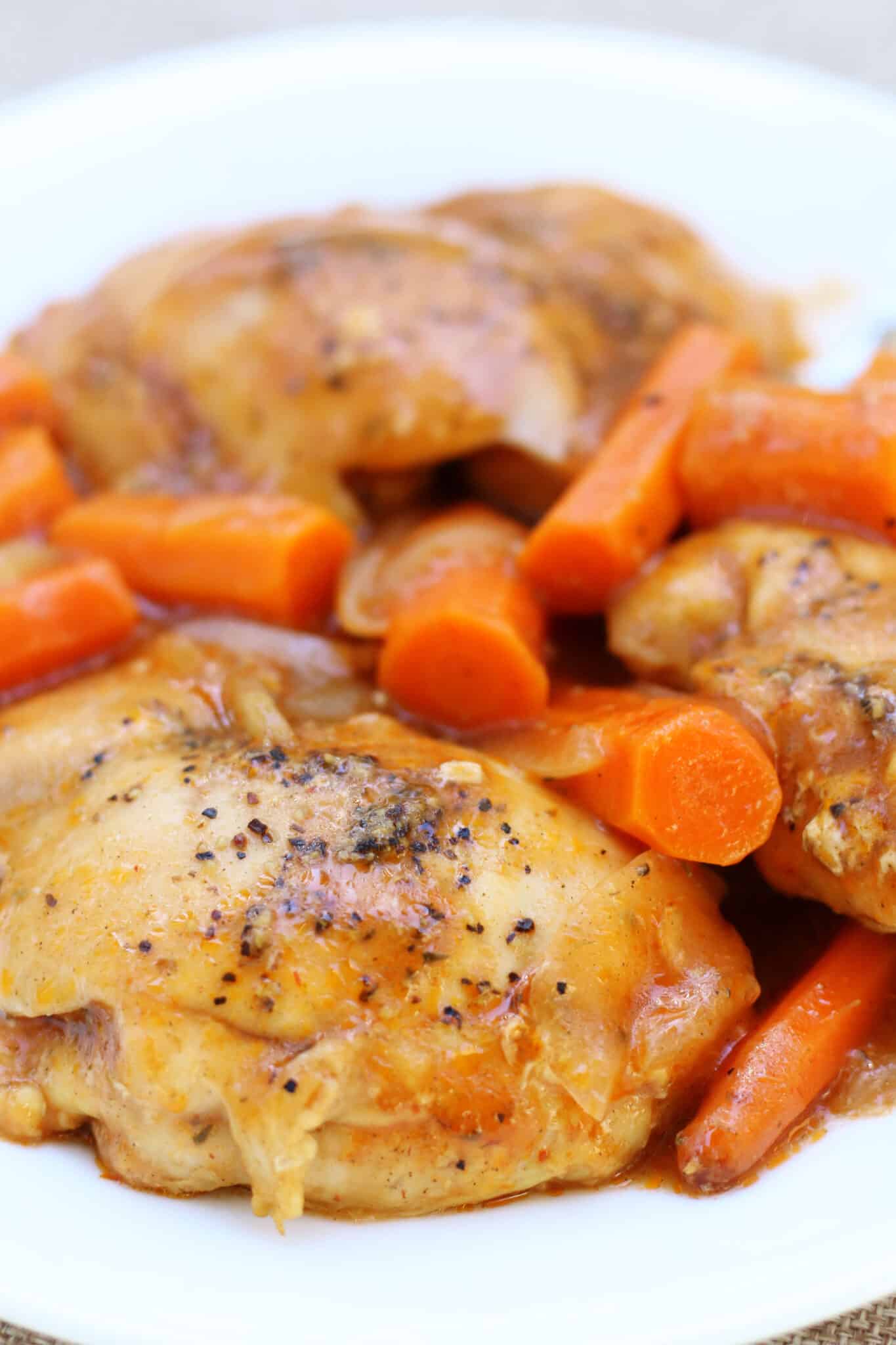
The adaptation featured in this report, popularized by culinary developer Karen Petersen of "365 Days of Crockpot" and inspired by techniques from Clinton Kelly and the "Dinner Then Dessert" platform, signifies a shift in home economics. The use of the slow cooker—an appliance that has seen a resurgence in popularity since the early 2000s—allows for the breakdown of connective tissues in the meat over several hours, mimicking the low-and-slow Dutch oven braising of professional kitchens.
Procedural Chronology and Technical Execution
The preparation of Chicken Osso Bucco follows a specific sequence of operations designed to maximize flavor extraction while minimizing active labor. The process is categorized as a "dump and go" recipe, a term used in the culinary industry to describe meals where ingredients are added to a single vessel without the need for preliminary searing or separate deglazing steps.
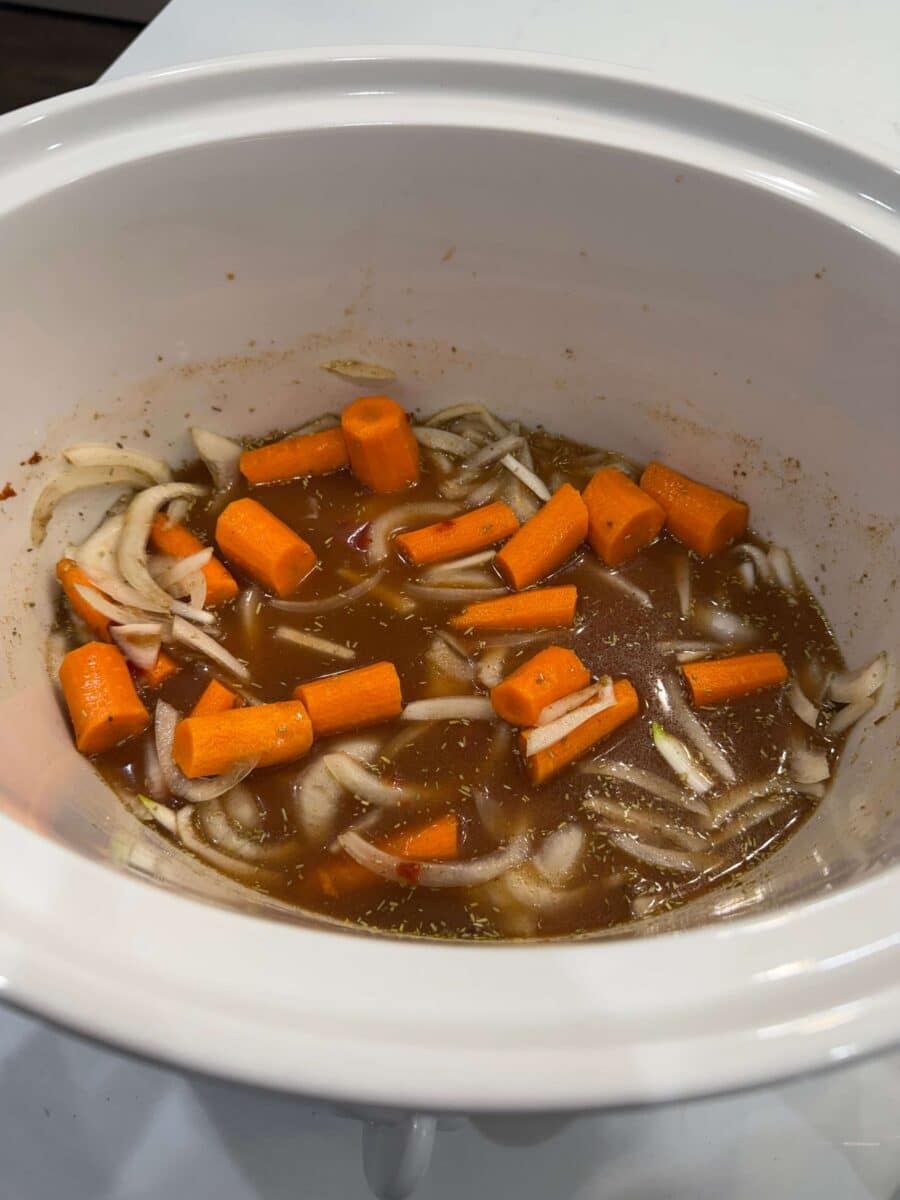
- Aromatic Base Integration: The process begins by combining the liquid and aromatic components in the slow cooker basin. This includes chicken broth, vinegar (providing necessary acidity to balance the fats), rosemary, thyme, tomato paste, minced garlic, diced onions, and sliced carrots. The stirring of these ingredients ensures a homogenous braising liquid that will envelop the protein.
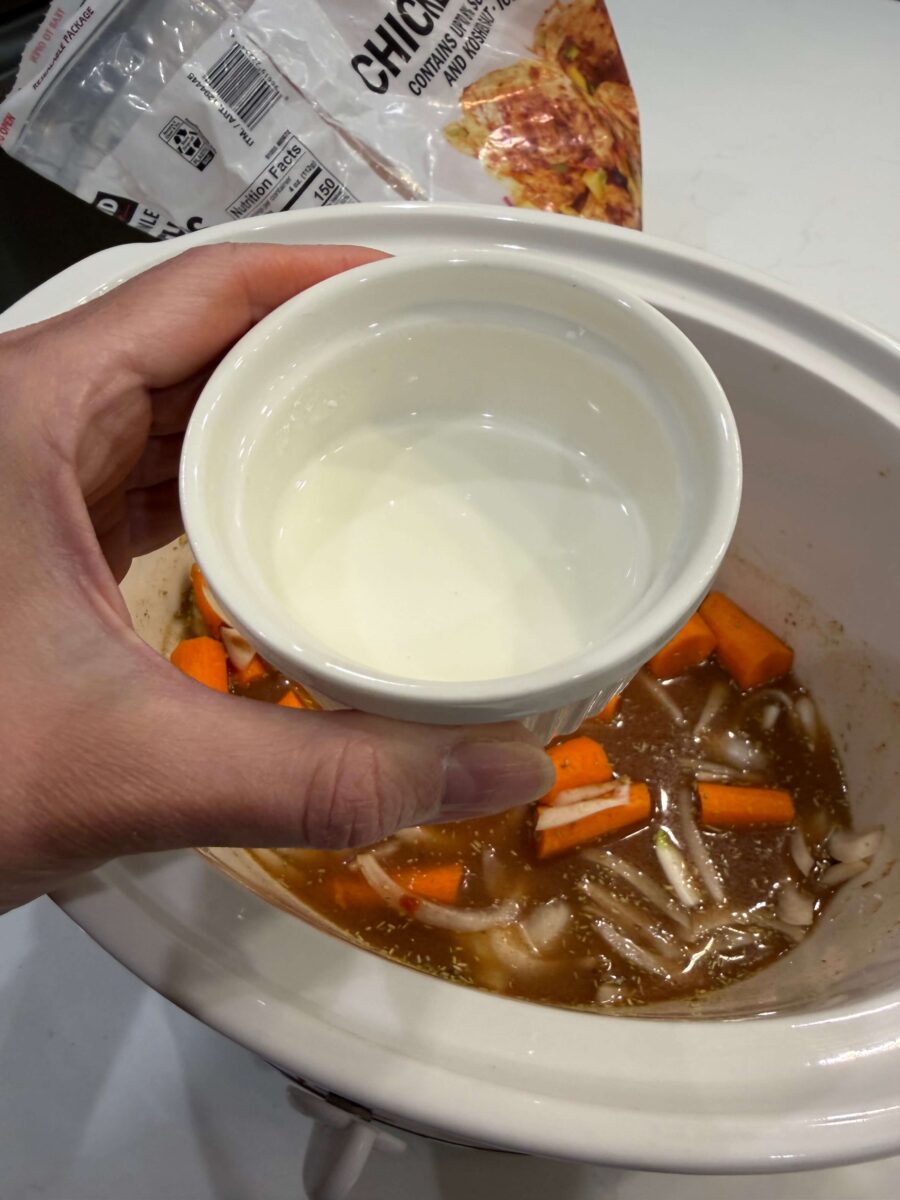
- The Slurry Application: To achieve a viscous, restaurant-quality sauce, a cornstarch slurry—a mixture of cornstarch and cold water—is whisked until smooth and incorporated into the base liquid. This technical step is crucial; in a slow cooker, evaporation is minimal, meaning sauces do not "reduce" in the traditional sense. The starch acts as a thickening agent that activates as the temperature rises.
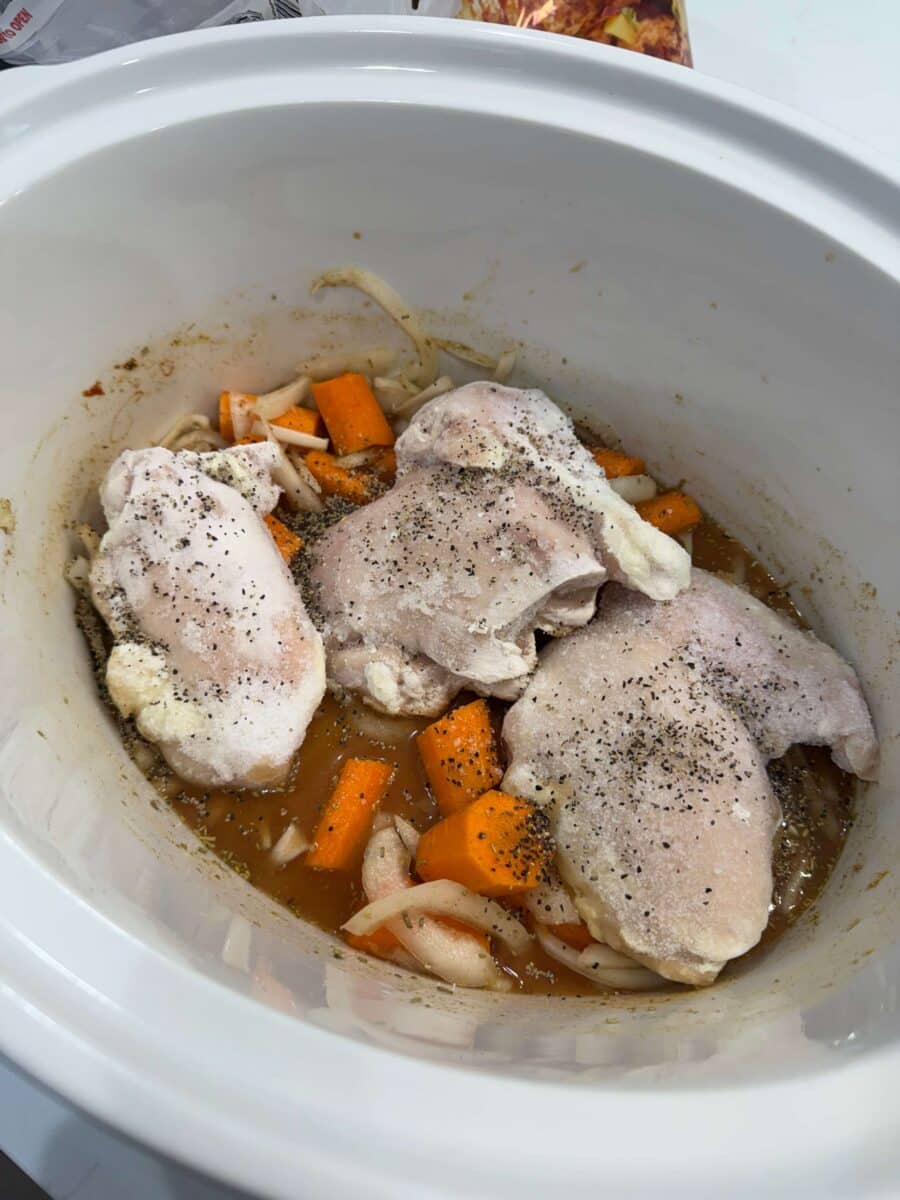
- Protein Positioning: Chicken thighs are "nestled" into the vegetable and herb mixture. Nestling the meat ensures that it remains partially submerged, allowing the braising liquid to penetrate the fibers while the exposed tops receive gentle, moist heat.
- Thermal Processing: The recipe allows for two distinct thermal tracks. The "Low" setting requires a duration of four to six hours, which is ideal for breaking down the collagen in the chicken thighs, resulting in a "fall-off-the-bone" texture. Alternatively, the "High" setting completes the process in two to three hours, utilizing more aggressive heat for faster protein coagulation.
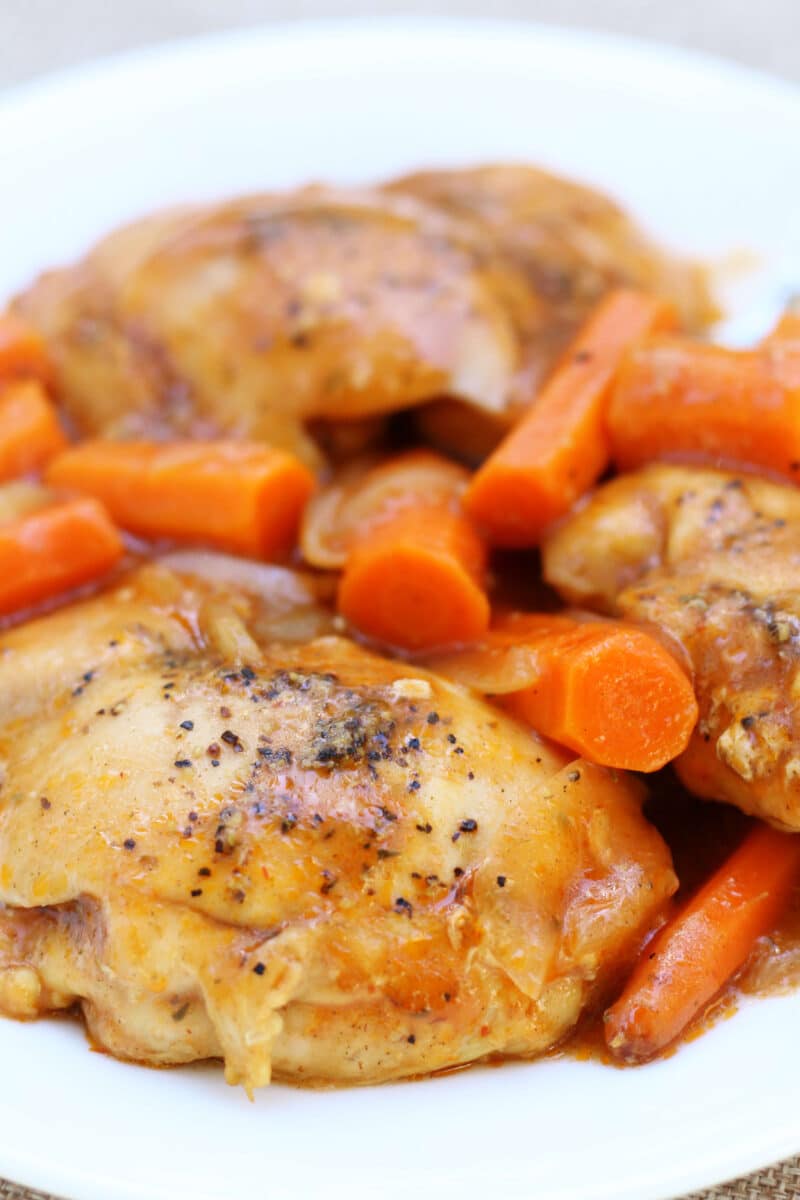
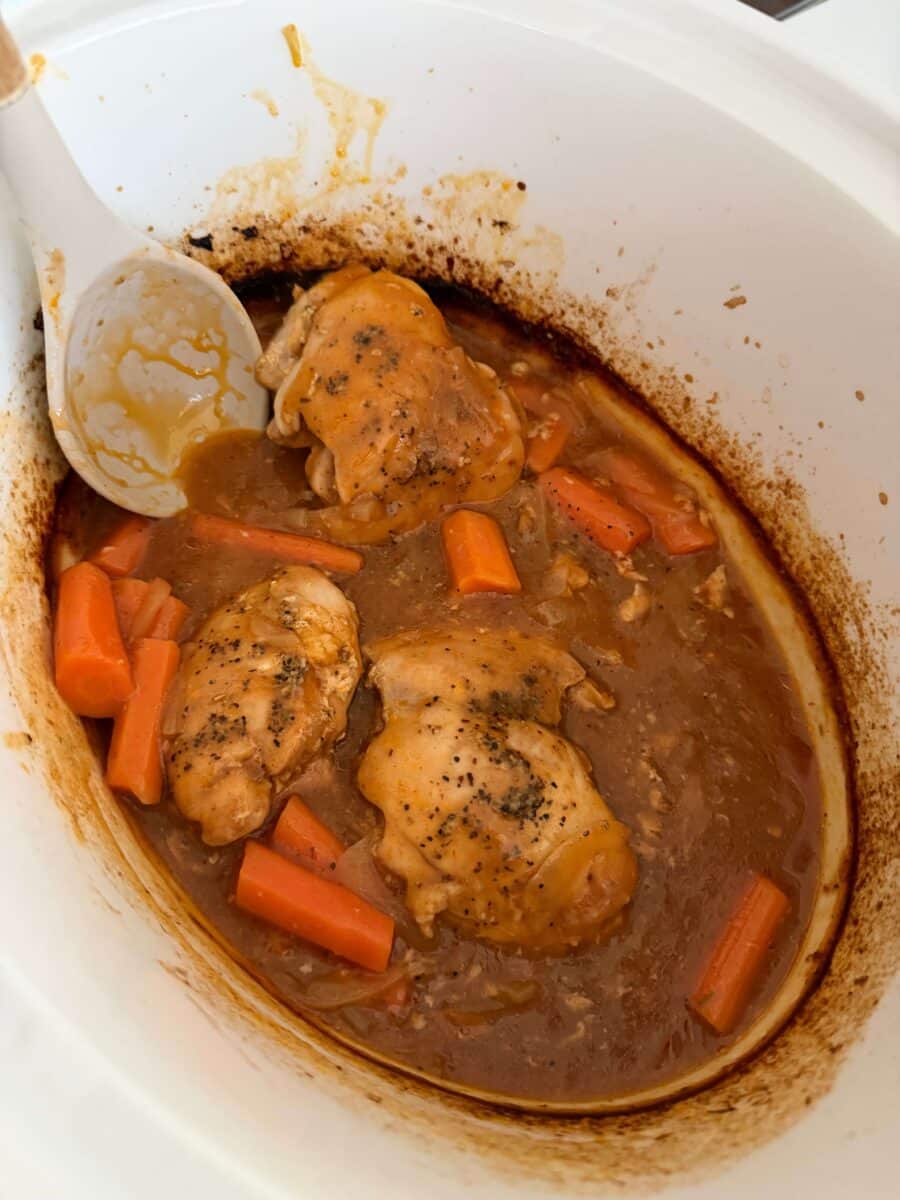
- Final Service: Upon completion, the chicken is served alongside the softened carrots, with the thickened tomato-herb sauce ladled over the top. Culinary experts often recommend serving the dish over a bed of mashed potatoes or polenta to capture the excess sauce.
Ingredient Analysis and Nutritional Profile
The selection of chicken thighs over breast meat is a deliberate culinary choice based on fat content and structural integrity. Chicken thighs contain a higher concentration of myoglobin and connective tissue, which prevents the meat from drying out during the extended cooking cycles of a slow cooker.
Supporting data from nutritional databases suggests that while chicken thighs are slightly higher in calories than breasts, they provide essential minerals such as iron and zinc, which are more bioavailable in dark meat. The inclusion of carrots and onions adds fiber and beta-carotene, while the tomato paste serves as a concentrated source of lycopene, a powerful antioxidant.
The use of herbs like rosemary and thyme is not merely for aroma; these woody herbs are particularly well-suited for slow cooking. Unlike delicate herbs like cilantro or parsley, which lose their flavor under prolonged heat, rosemary and thyme release their essential oils gradually, infusing the sauce with a consistent earthy profile.
Market Trends and the Rise of the "Dump and Go" Philosophy
The popularity of recipes like Chicken Osso Bucco is reflective of broader trends in the global kitchen appliance market. According to market research reports, the global slow cooker market was valued at approximately $4.5 billion in recent years, with a projected compound annual growth rate (CAGR) of 7% through the end of the decade. This growth is driven by the "set-it-and-forget-it" appeal to working professionals and the increasing interest in home-cooked meals as a response to rising restaurant costs.
Furthermore, the digital landscape has transformed how these recipes are disseminated. Platforms like Pinterest and specialized cooking blogs have created a "filter-based" culinary culture. As noted by Karen Petersen, modern home cooks now search for recipes based on specific dietary constraints—such as low-carb, gluten-free, or specific protein types—rather than browsing through traditional cookbooks. This democratization of culinary knowledge allows complex flavor profiles like those of Osso Bucco to become accessible to novice cooks.
Comparative Analysis: Chicken vs. Traditional Veal
From a journalistic and economic perspective, the shift from veal to chicken in Osso Bucco recipes carries significant implications:
- Cost Efficiency: Veal shanks are often considered a luxury item, retailing at significantly higher price points per pound compared to chicken thighs. In an era of fluctuating food inflation, chicken provides a high-protein alternative that remains accessible to middle-income households.
- Preparation Time: Traditional Osso Bucco often requires dredging the meat in flour and searing it in hot oil to develop a Maillard reaction before braising. The slow cooker chicken version bypasses these steps, reducing active preparation time from 45 minutes to less than 10 minutes.
- Palatability: Chicken is a "neutral" protein that appeals to a wider demographic, including children and those who may have ethical or taste-based reservations regarding veal.
Expert Insights and Culinary Reactions
While purists may argue that a dish without the "hole in the bone" (the marrow) cannot truly be called Osso Bucco, culinary educators suggest that the "spirit" of the dish lies in the braising technique and the flavor harmony of the tomato-herb base.
"The goal of modern home cooking is to bridge the gap between gourmet flavor and practical execution," states a thematic analysis of contemporary slow-cooker blogs. The adaptation of Osso Bucco is seen as a success because it retains the "umami" depth provided by the tomato paste and garlic while utilizing an appliance that manages heat more consistently than many entry-level stovetops.

Broader Impact and Future Outlook
The Chicken Osso Bucco recipe is more than just a meal; it is a symptom of a larger shift toward "functional gourmet." As domestic roles continue to evolve and the "time-poverty" of the modern workforce intensifies, the reliance on slow cookers and Instant Pots is expected to increase.
Data indicates that households using slow cookers at least twice a week report lower levels of stress related to meal planning and a higher intake of whole vegetables compared to those relying on ultra-processed convenience foods. Recipes like this provide a blueprint for healthy, high-quality eating that fits within the constraints of a 21st-century schedule.
In conclusion, the Slow Cooker Chicken Osso Bucco serves as a primary example of culinary evolution. By taking a centuries-old Italian masterpiece and stripping away the barriers to entry—cost, technical difficulty, and time—developers have ensured that the rich heritage of Mediterranean braising continues to thrive in kitchens around the world. Whether served over potatoes, rice, or enjoyed on its own, it remains a testament to the power of the slow cooker to transform simple ingredients into a sophisticated dining experience.
