
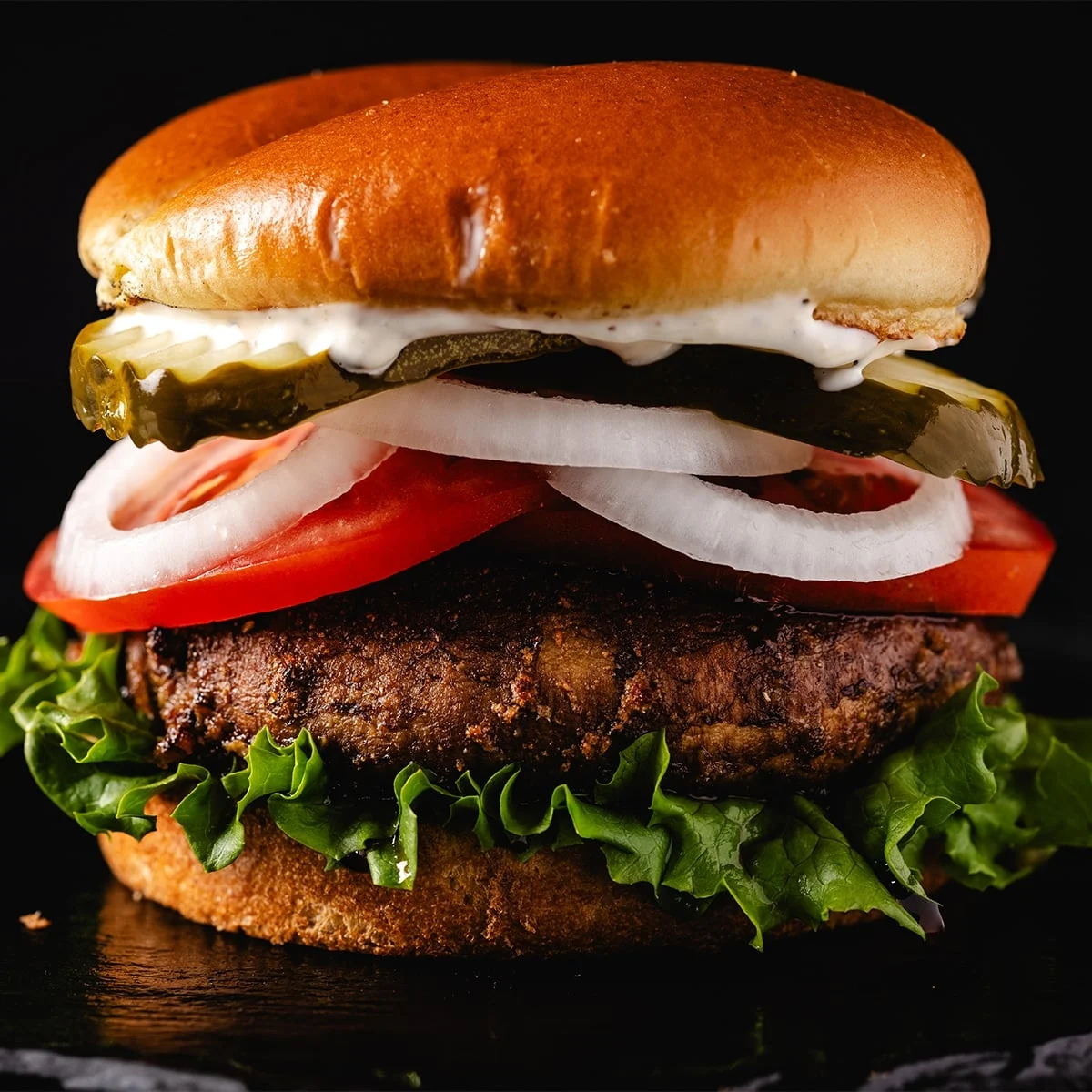
The evolution of the American barbecue landscape has seen a significant shift in recent years, moving beyond a strictly carnivorous focus to embrace sophisticated plant-based alternatives that satisfy the palate of "flexitarians" and traditional meat lovers alike. Central to this culinary transition is the Grilled Portobello Mushroom Burger, a dish that leverages the dense, fibrous texture of the Agaricus bisporus species to mimic the mouthfeel of a traditional beef patty. This preparation method, popularized by culinary experts such as Susie Bulloch of Hey Grill Hey, utilizes a strategic combination of high-heat searing, umami-rich marinades, and acidic garnishes to elevate the humble fungus into a centerpiece of outdoor dining. As consumer preferences continue to lean toward diverse dietary options, the Portobello mushroom has emerged not merely as a substitute, but as a preferred gourmet selection in the high-end grilling circuit.
The Rise of the Portobello in Modern BBQ Culture
Historically, the Portobello mushroom was often overlooked in Western cuisine until the 1980s, when marketers and chefs began rebranding these mature cremini mushrooms as a "steak-like" vegetable option. Their large size—often reaching four to six inches in diameter—makes them the ideal dimensions for a standard burger bun. Beyond their physical structure, Portobellos are prized for their high concentration of glutamate, the amino acid responsible for the savory "umami" flavor profile found in aged meats and cheeses.
In the contemporary barbecue scene, the inclusion of Portobello burgers reflects a broader industry trend. According to market research data, the global mushroom market is projected to expand at a compound annual growth rate (CAGR) of approximately 9.7% through 2030. This growth is driven by a rising awareness of the health benefits of fungi, which are low in calories but high in essential nutrients such as selenium, potassium, and B vitamins. For the backyard pitmaster, the Portobello burger represents a technical challenge: how to impart the smoky, charred characteristics of a traditional BBQ to a water-dense vegetable.

Technical Composition and Preparation Chronology
The success of a Grilled Portobello Mushroom Burger depends on a precise chronological workflow that begins with moisture management and ends with high-temperature caramelization. Unlike animal proteins, mushrooms are approximately 80% to 90% water. If not handled correctly, they can become rubbery or soggy on the grill.
Phase I: Selection and Pre-Processing
The process begins with the selection of firm, unblemished caps. Culinary professionals recommend removing the stems, which can be woody, and gently scraping out the dark gills on the underside of the cap. While the gills are edible, removing them prevents the burger from releasing a dark, unappealing liquid during the cooking process and creates more space for the marinade to penetrate the flesh.
Phase II: The Infusion of Umami
The marinade serves as the primary vehicle for flavor. A sophisticated blend typically includes a balsamic vinegar base, which provides both acidity and natural sugars for caramelization. This is often supplemented with oil for heat conduction and a complex spice rub. In the Hey Grill Hey methodology, a signature "Beef Rub" is utilized—a strategic choice that bridges the sensory gap between plant and meat by introducing salt, pepper, garlic, and smoke-compatible spices. The mushrooms are typically marinated for 30 to 60 minutes; exceeding this timeframe can lead to a breakdown of the mushroom’s cellular structure, resulting in a loss of structural integrity.
Phase III: The Thermal Application
The grilling phase is where the "burger" transformation occurs. Utilizing charcoal is the preferred method for many pitmasters because the radiant heat and smoke from the coals provide a depth of flavor that gas or pellet grills struggle to replicate. The mushrooms are placed over direct high heat (approximately 400°F to 450°F).

- Initial Sear: The caps are placed gill-side up first to allow the heat to penetrate the thickest part of the mushroom.
- The Flip: Once charred, the caps are flipped. This stage often involves a final baste of marinade to ensure the exterior remains moist while the interior reaches a tender consistency.
- Toasting: Simultaneously, brioche buns are toasted on the cooler side of the grill. The high fat content of brioche provides a rich contrast to the earthy mushroom.
Supporting Data: Nutritional and Chemical Analysis
When analyzing the Grilled Portobello Mushroom Burger from a nutritional standpoint, it offers a distinct profile compared to traditional ground chuck. A single serving of this prepared burger, including the bun and aioli, contains approximately 634 calories. While the mushroom itself is low-calorie, the "burger" experience is bolstered by 55 grams of fat and 30 grams of carbohydrates.
From a chemical perspective, the grilling process triggers the Maillard reaction—a chemical reaction between amino acids and reducing sugars that gives browned food its distinctive flavor. Because mushrooms contain both proteins and carbohydrates, high-heat grilling creates a complex exterior crust that mimics the "bark" found on smoked meats. Furthermore, the use of a lemon garlic aioli as a condiment is not merely a flavor choice but a functional one. The citric acid in the lemon juice cuts through the richness of the fats and enhances the perception of salt, making the earthy notes of the Portobello more vibrant.
Industry Reactions and Culinary Implications
The shift toward high-quality vegetable mains has drawn reactions from various sectors of the food industry. Professional pitmasters, once known for a "meat-only" ethos, are increasingly incorporating these recipes into their repertoires to accommodate a more diverse clientele.
"The goal isn’t to trick someone into thinking they are eating beef," says one industry analyst. "The goal is to provide a culinary experience that is equally satisfying. A well-grilled Portobello has a ‘bite’ and a juice-release that is very similar to a medium-rare burger. When you add a high-quality fat like a garlic-infused mayonnaise and a soft, buttery bun, the brain registers it as a high-value meal."

This trend also has implications for the restaurant industry. "Burger" sections of menus are being redesigned to include "Grilled Portobello" as a permanent fixture rather than a hidden "off-menu" request. This reflects a broader acceptance of mushrooms as a primary protein source in the "New American" BBQ style.
Environmental and Sustainability Considerations
Beyond flavor and health, the transition toward Portobello-based entrees carries significant environmental implications. The production of mushrooms requires a fraction of the water and land used in cattle ranching. According to data from the Mushroom Council, producing one pound of mushrooms requires only 1.8 gallons of water and 1.0 kilowatt-hour of energy, and generates only 0.7 pounds of CO2 equivalent emissions. In contrast, beef production is significantly more resource-intensive.
As climate consciousness becomes a factor in consumer dining habits, the Grilled Portobello Mushroom Burger stands as a symbol of sustainable indulgence. It allows for the continuation of the social tradition of the backyard barbecue while reducing the ecological footprint of the meal.
Conclusion: The Future of the Backyard Grill
The Grilled Portobello Mushroom Burger is more than a recipe; it is a testament to the versatility of modern grilling techniques and the changing definitions of "barbecue." By applying the same rigorous standards to vegetables that were once reserved for brisket and ribs—precise marinating, temperature control, and flavor layering—cooks can create dishes that appeal to all demographics.

As we look toward the future of outdoor cooking, the integration of gourmet plant-based options like the Portobello burger is expected to increase. With its deep umami profile, satisfying texture, and compatibility with traditional BBQ flavors, the Portobello mushroom has secured its place as a staple of the American grill. Whether served at a casual family gathering or a high-stakes BBQ competition, this dish proves that in the hands of a skilled griller, the humble mushroom can indeed become a "hero" of the backyard.
