
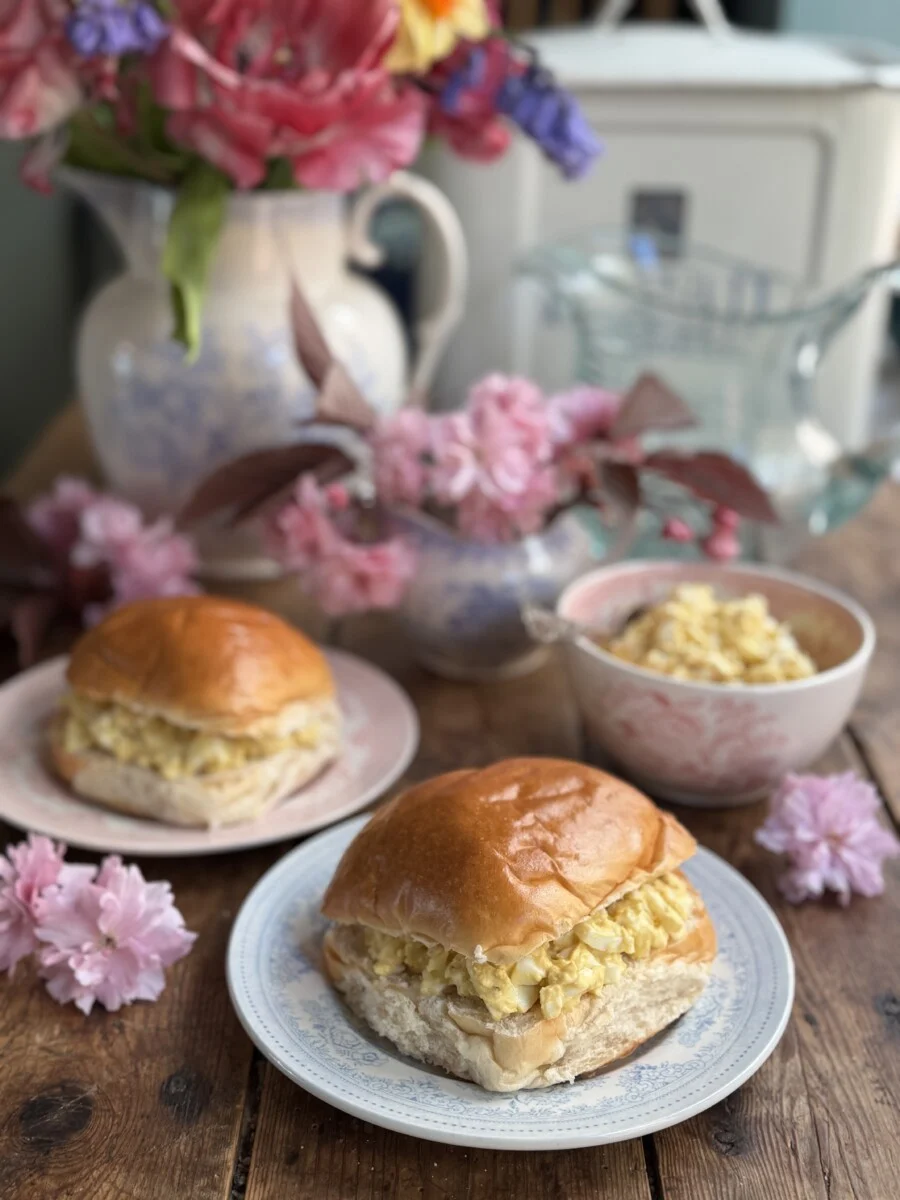
In a timely culinary release, acclaimed food writer Karen Burns-Booth has introduced a classic Japanese Egg Salad Sandwich, known as Tamago Sando, to home cooks, coinciding with the recent conclusion of Japan’s Golden Week celebrations. Published on May 10, 2026, the recipe, featured on her popular food blog "Lavender and Lovage," aims to bring the iconic Japanese comfort food to a global audience, emphasizing authenticity and accessible preparation. This initiative highlights the growing international fascination with Japanese cuisine and its cultural nuances, particularly during significant national festivities.

The Significance of Golden Week and Culinary Traditions

Golden Week, a unique period in Japan, spans from late April to May 6th, encompassing a series of national holidays including Showa Day, Constitution Memorial Day, Greenery Day, and Children’s Day. It is one of the longest holiday periods for many Japanese workers, often used for travel, family gatherings, and cultural celebrations. During this time, food plays a central role in family traditions and leisure activities, with many Japanese embracing both traditional and modern culinary delights. Karen Burns-Booth’s decision to launch the Tamago Sando recipe shortly after the official end of Golden Week extends the festive spirit, offering enthusiasts a chance to recreate a taste of Japan’s vibrant food culture at home. The timing also allows for reflection on the holiday’s culinary landscape, providing a practical guide for those inspired by the period’s diverse offerings.

Tamago Sando: A Global Phenomenon from Convenience Store to Gourmet Plate

The Tamago Sando, or Japanese Egg Salad Sandwich, has transcended its origins as a humble convenience store staple to become a globally recognized culinary icon. Its appeal lies in its deceptively simple yet exquisitely balanced components: a rich, creamy egg salad nestled between slices of impossibly soft, fluffy Japanese milk bread. Unlike its Western counterparts, the Japanese version typically features finely chopped hard-boiled eggs, often with yolks and whites prepared separately to achieve a specific texture, and a generous amount of Kewpie mayonnaise, renowned for its distinct umami flavor. The sandwich’s rise to international fame has been fueled by food bloggers, travel enthusiasts, and celebrity chefs, who have lauded its unique texture and profound deliciousness. It has become a must-try item for tourists in Japan and a coveted recipe for home cooks worldwide seeking to replicate its magic.

The Art of the Japanese Egg Salad

Karen Burns-Booth’s recipe meticulously details the preparation of the egg salad, emphasizing the traditional method of separating egg yolks from whites. This technique is crucial for achieving the desired creamy consistency of the yolk mixture while retaining a pleasant textural contrast from the chopped whites. The yolks are first mashed and combined with a precise blend of sugar, salt, and black pepper. The addition of sugar is a subtle but significant element, contributing to the overall sweetness and balance characteristic of Japanese cuisine. Following this, Japanese mayonnaise, specifically Kewpie, is incorporated, forming the creamy base. Kewpie mayonnaise stands apart from typical Western mayonnaise due to its exclusive use of egg yolks (rather than whole eggs), a higher vinegar content (often rice vinegar), and the inclusion of MSG, which contributes to its signature rich, savory, and slightly tangy flavor profile. This unique composition provides a depth of flavor that is paramount to an authentic Tamago Sando. The chopped egg whites are then gently folded into the smooth yolk mixture, ensuring a delicate balance between creaminess and texture.

The Unparalleled Japanese Milk Bread: Shokupan

Central to the Tamago Sando experience is the use of Japanese milk bread, or Shokupan. This bread is celebrated for its extraordinary softness, pillowy texture, and subtle sweetness. Its unique characteristics are achieved through traditional Japanese baking techniques such as tangzhong (a cooked flour paste) or yudane (a hot water roux). These methods involve pre-cooking a portion of the flour with liquid, creating a gelatinized starch paste that significantly increases the dough’s hydration capacity. This results in a bread that is incredibly moist, elastic, and remains fresh for longer, providing the perfect tender embrace for the creamy egg salad. Karen Burns-Booth notes that for those unable to bake Shokupan from scratch, high-quality Japanese-style milk buns or bread can be sourced from retailers like Marks & Spencer and Waitrose in the UK, ensuring accessibility without compromising the essential textural experience. Recipes for homemade Hokkaido milk bread and milk buns are also linked for adventurous bakers.

Kewpie Mayonnaise: The Umami Secret

The role of Kewpie mayonnaise cannot be overstated in the creation of an authentic Tamago Sando. Its distinctive taste, richer and yellower due to the use of only egg yolks, coupled with its umami notes, sets it apart. While some may debate the inclusion of MSG, it is a key component contributing to the deeply savory flavor that characterizes Kewpie. For home cooks who may find Japanese mayonnaise difficult to source, Karen Burns-Booth provides a practical substitution: regular mayonnaise enhanced with a splash of rice wine vinegar and an extra teaspoon of sugar. This adjustment aims to mimic the tangy sweetness and slight umami depth of Kewpie, offering a commendable alternative for those seeking to replicate the flavor profile. The availability of such high-quality, specialized ingredients, or viable substitutions, plays a critical role in the global spread of ethnic cuisines.

Culinary Presentation and Broader Impact

Beyond the recipe itself, Karen Burns-Booth underscores the aesthetic appeal of food presentation. Her Tamago Sandos are artfully served on Burleigh Pink and Blue Asiatic Pheasants crockery, adorned with fresh flowers and blossom from her cottage garden. This attention to detail elevates the humble sandwich into an experience suitable for high tea, picnics, or a sophisticated lunchtime snack. This collaboration with Burleigh, a renowned pottery brand, demonstrates how culinary creations can be beautifully integrated with artisanal craftsmanship, enhancing the overall dining pleasure. The author has a documented history of creating recipes for the Burleigh Blog, reinforcing her commitment to showcasing food in an elegant context.

The release of this recipe has broader implications for culinary trends and cultural exchange. As Japanese culture continues to gain traction globally, from anime to fashion, its culinary contributions are also experiencing unprecedented popularity. Dishes like Tamago Sando represent a gateway for many to explore the nuances of Japanese comfort food, which is often characterized by meticulous preparation, high-quality ingredients, and a balance of flavors. The accessibility of such recipes encourages home cooks to experiment with international flavors, fostering a deeper appreciation for global food traditions. This trend also drives demand for specific ingredients like Shokupan and Kewpie mayonnaise, influencing international food markets and supply chains.

Nutritional Information and Accessibility

For those mindful of dietary details, the recipe provides nutritional information per serving. Each serving of Tamago Sando (yielding 4 from the recipe) contains approximately 325 calories, 24g of total fat (6g saturated, 18g unsaturated), 484mg of cholesterol, 290mg of sodium, 8g of carbohydrates (0g fiber, 3g sugar), and 17g of protein. This factual data offers transparency for consumers, allowing them to make informed choices about their dietary intake. The emphasis on clear, step-by-step instructions and readily available substitutions further underscores the recipe’s commitment to accessibility, ensuring that a wide range of culinary enthusiasts can successfully recreate this Japanese classic.

A Continued Celebration of Sandwiches and Eggs

Karen Burns-Booth’s contribution to the world of sandwiches extends beyond Tamago Sando. Her blog features a diverse collection of related recipes, including "Old-Fashioned Tinned Salmon Sandwiches," "Victorian Watercress Tea Sandwiches," "Three Classic British Sandwiches," "Cheese Savoury Sandwich Filling," and "Royal Jam Pennies." This array demonstrates her versatile approach to sandwich crafting, appealing to various tastes and occasions. Furthermore, her expertise with egg-centric dishes is evident in recipes such as "Healthy Air-Fryer Scotch Eggs," "Egg and Bacon Flan," and "Egg in a Hole," showcasing her comprehensive understanding of this staple ingredient. These additional resources provide a rich tapestry for readers to explore, encouraging further culinary adventures.

In conclusion, Karen Burns-Booth’s timely release of the Japanese Egg Salad Sandwich (Tamago Sando) recipe serves as more than just a culinary guide. It is a testament to the enduring appeal of Japanese comfort food, a celebration of cultural exchange through cuisine, and a practical resource for home cooks seeking to expand their gastronomic horizons. By breaking down the components of this beloved dish and offering insights into its cultural context, Burns-Booth successfully bridges the gap between traditional Japanese culinary art and everyday home cooking, extending the festive spirit of Golden Week well beyond its official dates.
