
Bourbon, America’s native spirit, is steeped in tradition and a rich tapestry of history. For enthusiasts, the allure of bourbon extends beyond its complex flavor profiles to the compelling narratives of the brands that have shaped its legacy. Some of these stories stretch back centuries, weaving through periods of innovation, hardship, and resurgence. This exploration delves into the enduring spirit of bourbon, highlighting 14 of the oldest brands that continue to grace shelves and palates in 2026, examining their journeys through time, ownership changes, and the enduring spirit of American distilling.
The history of bourbon is rarely a straight line. Many brands have experienced periods of dormancy, only to be revived by new generations of distillers, while others have navigated multiple ownership transitions, each leaving an indelible mark. The crucible of Prohibition, in particular, tested the resilience of virtually every distillery, forcing closures and sparking ingenuity for survival. This chronicle celebrates not only brands that have maintained continuous production but also those carefully resurrected, offering a fascinating glimpse into the evolution of bourbon and the broader American distilling landscape.
A Legacy Forged Through Time: The Pioneers of Bourbon
The following brands represent a continuum of American distilling history, each with a unique story of perseverance and adaptation. Their longevity is a testament to their commitment to quality and their ability to connect with consumers across generations.
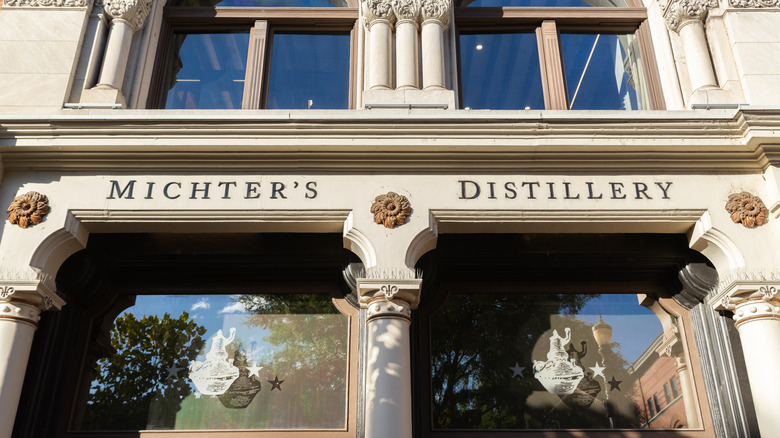
1. Michter’s (Established 1753)
Michter’s boasts one of the most complex, yet compelling, historical lineages in the bourbon world. Its origins trace back to 1753 with a Swiss farmer named John Shenk, who established a distillery in Pennsylvania. This early operation, known as Shenk’s, would later evolve into Bomberger’s Distillery before finally adopting the Michter’s name in the 1950s. This transformation occurred after numerous ownership changes, and the original Pennsylvania distillery ceased operations in 1989.
The brand experienced a significant revival in 1997 when two entrepreneurs secured the rights to the dormant Michter’s trademark. Initially, the new Michter’s venture relied on sourced bourbon. However, by 2015, the company had transitioned to producing its own spirits entirely. While Michter’s proudly declares its 1753 establishment date, a nuanced perspective acknowledges that the brand name itself is a mid-20th-century adoption, and its current iteration is a product of the late 1990s. Regardless, its resurrection stands as a remarkable achievement, earning it widespread respect within the industry.
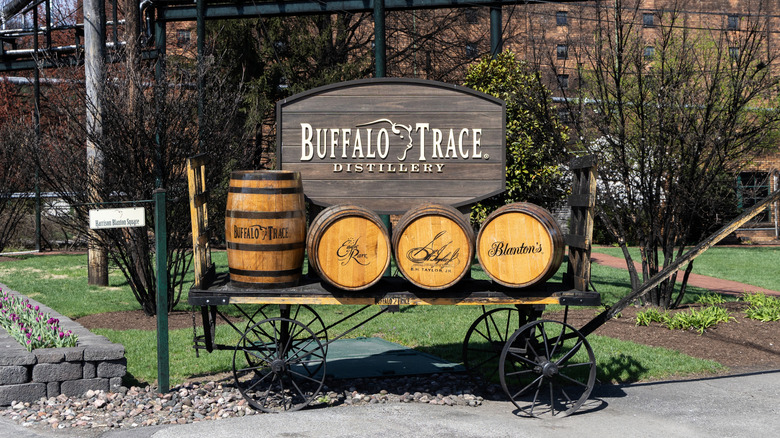
2. Buffalo Trace (Distillery Operations Since 1775)
The name "Buffalo Trace" itself is relatively modern, but the distillery it represents is a titan of continuous operation. Located in Frankfort, Kentucky, whiskey has been produced on this site since 1775, making it the longest continuously operating distillery in the United States. The evolution of the distillery’s identity is a key part of its narrative. A purpose-built distillery emerged on the site in 1858. Twelve years later, it was acquired by Colonel Edmund Haynes Taylor, Jr., and christened the O.F.C. Distillery.
The distillery underwent further expansion and name changes, becoming the George T. Stagg Distillery in 1904. These historical names, O.F.C. and George T. Stagg, remain integral to the expressions produced at the modern Buffalo Trace Distillery. The distillery adopted its current moniker, Buffalo Trace, in 1999. This brand exemplifies the opposite trajectory of some others: a recent name, but an exceptionally deep and unbroken history of distillation. Its endurance through fires, Prohibition, and fluctuating market demand underscores its profound resilience.
3. Jim Beam (Established 1795)
Jim Beam, a name synonymous with American bourbon, has maintained a continuous presence in one form or another since its inception. The story begins in 1795 when Jacob Beam sold his first barrel of whiskey in Kentucky. In its early days, it was known as "Old Jake Beam." Subsequent generations of the Beam family became deeply entwined with the bourbon industry, not only continuing distillation but also launching their own brands, a legacy that continues to this day.
For a considerable period, the whiskey was marketed as "Old Tub," a label in use when James Beauregard Beam took over the distillery in 1894. The era of Prohibition forced a 13-year halt in production. Following its repeal, James "Jim" Beam rebuilt the distillery. Although he initially lost the rights to the "Old Tub" name (which has since been reclaimed), he began selling his whiskey as Colonel James B. Beam Bourbon. By 1935, with the assistance of his son T. Jeremiah, the whiskey was officially branded as Jim Beam. Today, it stands as one of bourbon’s most iconic brands, showcasing how a relatively recent brand name can be anchored by a profound historical lineage.
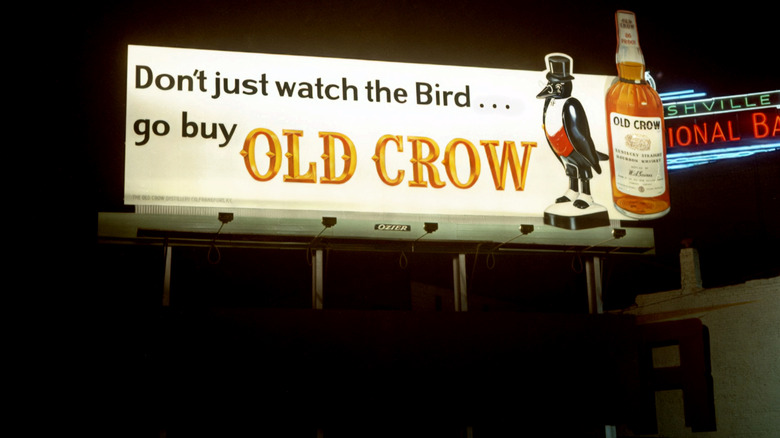
4. Old Crow (Established c. 1835)
Old Crow, once a preeminent bourbon brand in America, predates many of today’s industry giants. Its origins can be traced back to the 1830s and the work of Dr. James C. Crow, a Scottish chemist. Dr. Crow’s scientific approach revolutionized bourbon production by refining the sour mash process, a technique that became a cornerstone of modern distilling. His emphasis on standardization led to more consistent and higher-quality products.
The bourbon was produced at various distilleries, including the Old Oscar Pepper Distillery, which has since evolved into the modern Woodford Reserve distillery. Following Dr. Crow’s death, the brand changed hands multiple times, ultimately ceasing production during Prohibition. After the repeal, National Distillers acquired the brand in 1934, initiating a significant revival. However, changes to the recipe and declining sales led to its sale to James B. Beam Distilling Co. in 1987. While the original distillery was abandoned, Jim Beam continues to produce the brand, preserving one of American whiskey’s most historic names.
5. Weller (Established 1849)
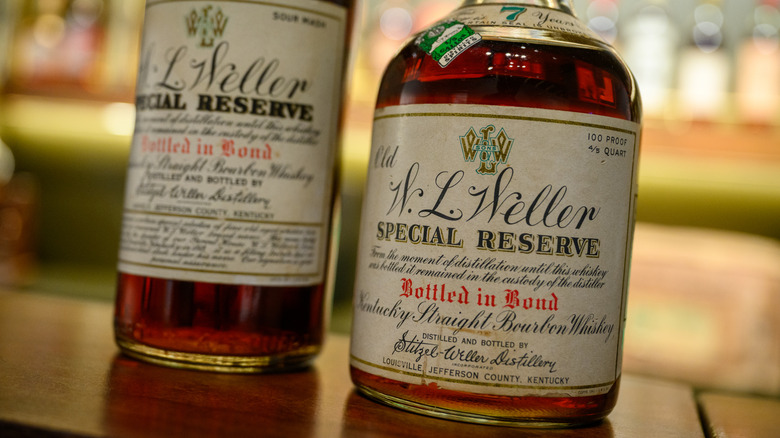
The Weller brand, now produced under the umbrella of Buffalo Trace Distillery, represents a familiar narrative of historic brands being integrated into larger industry players. The brand is named for William Larue Weller, a Louisville merchant renowned for popularizing wheated bourbon. This unique grain bill is believed to have influenced Julian "Pappy" Van Winkle, who began his career at W.L. Weller & Sons in 1893.
Following Weller’s passing, Van Winkle and a partner acquired the company in 1908. Through a subsequent merger, the brand became part of the Stitzel-Weller Distillery, established in 1935. The distillery continued its tradition of producing wheated bourbon until its sale in 1972 to Norton Simon. The brand’s journey through a series of sales became somewhat muddled, as is common when brands are part of larger corporate transactions. It remained in a state of flux until 1999, when the Sazerac Company, owner of Buffalo Trace, acquired it. Production then moved to the Buffalo Trace Distillery, where it continues to thrive.
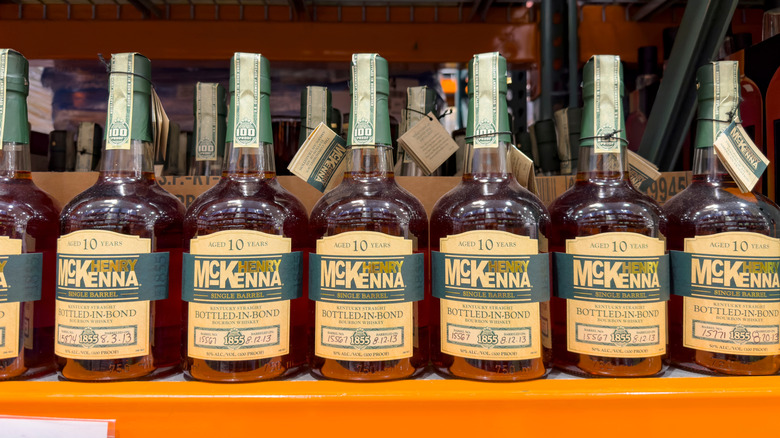
6. Henry McKenna (Established 1855)
Henry McKenna’s story is intrinsically linked to the man himself. Born in Ireland, McKenna later relocated to Kentucky, where he established his own distillery in 1855. Despite modest initial production levels, he cultivated a reputation for high-quality whiskey. Over time, he expanded his distillery and committed to aging his bourbon for a minimum of three years.
McKenna passed away in 1893, leaving a legacy of integrity. His sons continued his work, successfully navigating the challenges of Prohibition. In 1941, the distillery was sold to Joseph E. Seagram & Sons, which maintained stewardship of the brand until the 1980s, when it was acquired by Heaven Hill. The modern Henry McKenna bottle proudly displays indicators of quality, including its status as a single-barrel, bottled-in-bond bourbon aged for 10 years—a fitting tribute to the man who championed elevated standards in bourbon production.
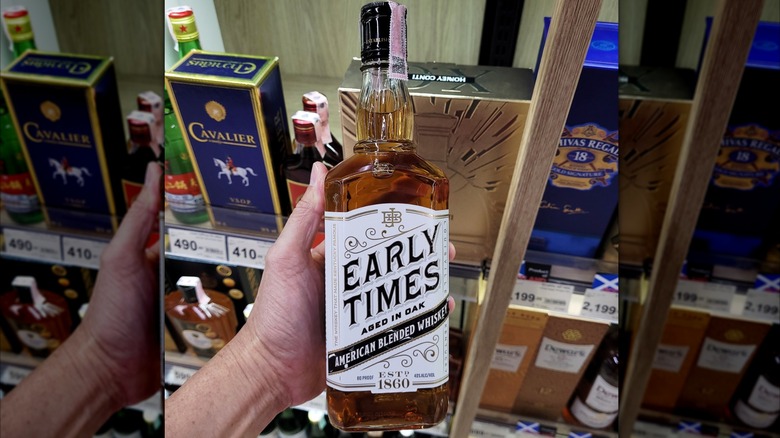
7. Early Times (Established 1860)
The name "Early Times" evokes a sense of tradition, and indeed, it was originally conceived to honor a more traditional method of whiskey production. Founded by Jack Beam, an uncle to Jim Beam, the brand quickly gained recognition. It was produced at its own distillery in Nelson County until Prohibition forced its closure. The remaining stock and brand name were subsequently sold to Brown-Forman, a company that held one of the few licenses to sell medicinal whiskey during the era.
By 1953, Early Times had ascended to become America’s best-selling bourbon. However, following Brown-Forman’s acquisition of Jack Daniel’s, the focus on Early Times gradually diminished. In a significant shift, it ceased to meet the legal definition of bourbon in the United States. Subsequent efforts to restore the brand’s former glory met with limited success until Sazerac acquired it in 2020. Production was then relocated to Sazerac’s Barton 1792 Distillery, returning the whiskey to its Nelson County roots.
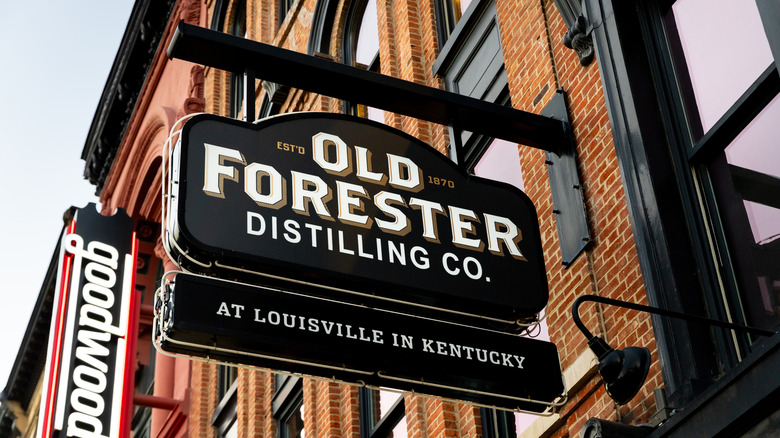
8. Old Forester (Established 1870)
Old Forester stands out as having one of the most straightforward and continuous histories among historic bourbon brands. It has remained in continuous use since its inception, without disappearing or requiring revival. Founded in 1870 by George Garvin Brown, it pioneered the practice of sealing bourbon in glass bottles, a move that ensured product consistency and trustworthiness for consumers.
In 1890, Brown partnered with George Forman, leading to the formation of Brown-Forman, the company that also acquired Early Times. Old Forester’s commitment to quality allowed it to secure one of the coveted licenses to sell whiskey during Prohibition. The brand continued its innovative streak, producing industrial-strength alcohol for the World War II effort and introducing the first single-barrel bourbon. Today, its diverse range of expressions often pays homage to significant dates in bourbon history, reflecting its integral role in shaping the spirit’s past and present.
9. Yellowstone Bourbon (Established 1872)
Yellowstone Bourbon’s journey, like many historic brands, is marked by periods of prominence and challenges. Introduced in the 1870s by J.B. Dant and J.T. Williams, the brand’s name was inspired by the recent declaration of Yellowstone National Park as the nation’s first national park, rather than its place of origin. In 1944, the Glenmore Distillery Company acquired Yellowstone, under whose stewardship it became one of Kentucky’s top-selling bourbons in the 1960s.
The brand faced difficulties during the downturn in the American whiskey market in the 1970s and ’80s. After several ownership changes, it was produced with sourced whiskey, diminishing its appeal. In 2015, brothers Paul and Stephen Beam revived the brand through their Limestone Branch Distillery in partnership with Luxco, a move that led to a successful reintroduction of high-quality bourbon. Yellowstone was acquired by MGP Ingredients in 2021, but it continues to produce impressive whiskey, backed by over 150 years of heritage.
10. I.W. Harper (Established 1879)
I.W. Harper was once a globally recognized bourbon brand. German immigrant Isaac Wolfe Bernheim first distributed the whiskey in 1879, naming it after his initials and his friend Frank Harper. In 2005, Heaven Hill would honor Bernheim by naming their Bernheim Original whiskey after him. The I.W. Harper brand was sold to Schenley Industries in 1937, which continued its success.
The brand built a strong reputation both domestically and internationally, with significant popularity in export markets. In 1987, United Distillers acquired it, eventually becoming part of Diageo. This international presence became crucial as I.W. Harper became largely absent from the American market in the late 20th century. While Heaven Hill acquired the Bernheim Distillery from Diageo in 1999, Diageo retained ownership of the I.W. Harper brand itself. Diageo has since revitalized the brand, making a range of impressive expressions widely accessible in the 21st century.
11. Kentucky Owl (Established 1879)
Kentucky Owl represents one of bourbon’s most notable revival stories, though it faces contemporary challenges. Founded in 1879 by Charles Mortimer Dedman in Kentucky, it established a reputation as a respected local whiskey. However, like many others, it could not survive Prohibition. Unlike some brands that were later revived by new owners, the Kentucky Owl brand lay dormant for decades.
It was the founder’s great-great-grandson, Dixon Dedman, who resurrected Kentucky Owl in 2014, focusing on creating a premium small-batch bourbon. The brand quickly attracted investor interest, leading to its acquisition by Stoli Group in 2017. Dixon Dedman departed the brand in 2021, and since then, the Stoli Group has experienced significant financial difficulties, filing for bankruptcy in 2024. While liquidation was avoided, the brand is now under the stewardship of trustees. Kentucky Owl’s history is tumultuous, and its present remains dynamic.
12. Old Grand-Dad (Established 1882)
Raymond B. Hayden created Old Grand-Dad bourbon in 1882. The whiskey was named in honor of his grandfather, Basil Hayden Sr., a figure who would later inspire Jim Beam’s creation of the Basil Hayden whiskey in 1992. The Beam family of companies now owns both brands. Basil Hayden Sr. was known for incorporating a high rye content in his recipes, a characteristic that has been faithfully maintained in Old Grand-Dad, including its current iterations.
The brand was sold in 1899 to the Wathen family, whose interests eventually evolved into National Distillers. Post-Prohibition, Old Grand-Dad became recognized as a prominent high-rye bourbon. In 1987, it was acquired by Fortune Brands (then American Brands) and became part of the Jim Beam portfolio. It has remained under this ownership, even after Jim Beam’s acquisition by Suntory. The brand has seen various expressions over the years, with an Old Grand-Dad 7-year release anticipated in 2025, underscoring its continued relevance.
13. Four Roses (Established 1888)
Four Roses offers a compelling narrative of resilience and reinvention. Established in 1888 by Paul Jones Jr., the brand’s name originates from a romantic anecdote: Jones Jr. wore a corsage of four red roses to a grand ball to signify his affection for his beloved. While Four Roses navigated Prohibition by selling whiskey for medicinal purposes, it gained a significant advantage upon repeal, quickly becoming a top-selling bourbon.
However, a pivotal moment of self-sabotage occurred when owner Seagram seemingly prioritized its own whiskey brands, removing Four Roses straight bourbon from American shelves and replacing it with a blended version. The straight bourbon continued to be sold in Japan and Europe, a fact that likely influenced the Japanese Kirin Brewery Company’s eventual acquisition of the brand. Under Kirin’s ownership, Four Roses has meticulously rebuilt its reputation, offering an impressive range of whiskeys and reaffirming its enduring legacy since 1888.
14. Old Fitzgerald (Established 1889)
The history of Old Fitzgerald is a testament to the often-complex dating of bourbon brands. The distillery that produced it was built in 1867, and a whiskey named JNO. E. Fitzgerald was on the market by 1870. Old Fitzgerald was officially trademarked in 1884, with its market debut in 1889. Its story becomes intertwined with Weller, as Julian "Pappy" Van Winkle purchased the brand in the 1930s, making it a flagship for the Stitzel-Weller Distillery.
The iconic diamond decanter bottle was introduced in the 1950s, solidifying Old Fitzgerald’s status as a premium American bourbon. In 1972, it was sold in the same transaction that transferred Weller to Norton Simon. Following further ownership changes, Stitzel-Weller ceased production of Old Fitzgerald when it closed in 1992. Production then shifted to the Bernheim Distillery in Louisville, which was acquired by Heaven Hill in 1999. Today, Old Fitzgerald is a core offering from Heaven Hill, available in a 7-year expression alongside its distinguished decanter series, continuing its storied tradition.
