
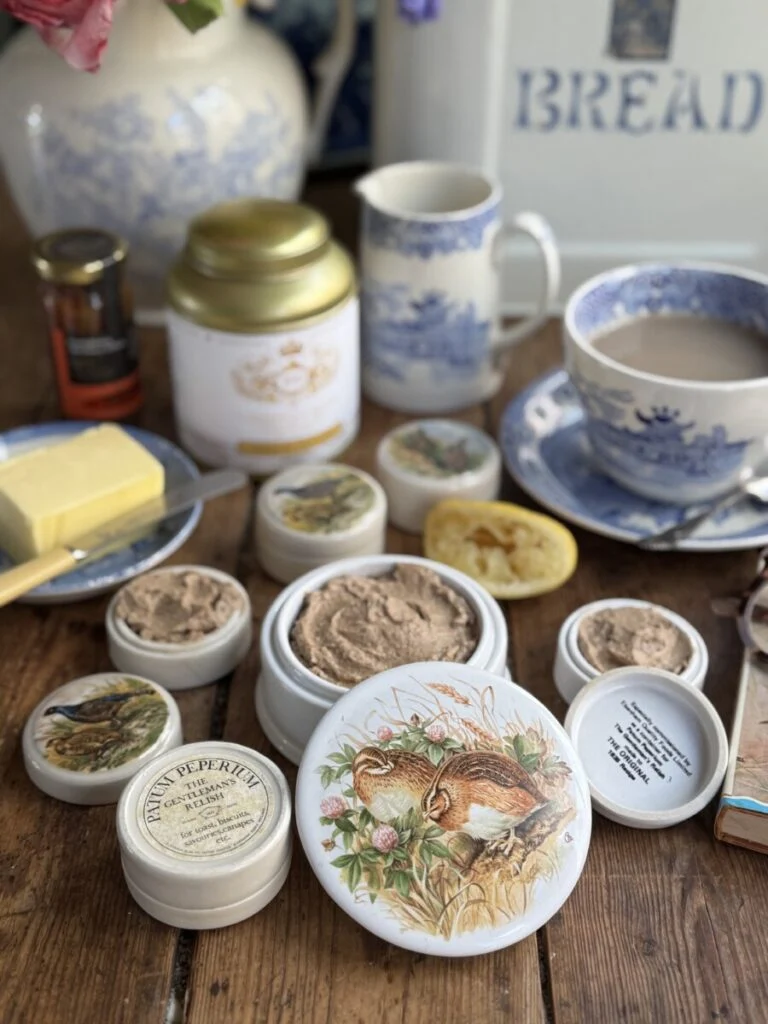
The culinary world recently buzzed with unsettling news: Patum Peperium, more affectionately known as Gentleman’s Relish, a revered British condiment with a history spanning nearly two centuries, was slated for discontinuation. This announcement by AB World Foods, the company responsible for its production, ignited a significant outcry among its devoted, albeit niche, following, prompting a swift re-evaluation of the decision and offering a glimmer of hope for its future.

A Deep Dive into History: The Genesis of Gentleman’s Relish
Gentleman’s Relish traces its origins back to 1828, when it was first conceived by John Osborn in London. This intensely pungent and spicy anchovy-based spread quickly carved out a distinctive place in British gastronomy. Its unique flavour profile, a robust blend of cured anchovies, butter, aromatic herbs, and a secret medley of spices, offered an unparalleled umami kick. Osborn’s creation was eventually introduced to the wider public in 1849, making a notable debut at the prestigious Paris Food Show, where it began its journey as an iconic British export. The mock-Latin name, "Patum Peperium," meaning "pepper pâté," cleverly underscored its potent and peppery character, a marketing stroke that has resonated through generations.

In the Victorian era, when the relish was at its peak, such concentrated, flavourful pastes were staples, particularly for the affluent. They served not only as spreads for toast and sandwiches but also as versatile ingredients to enhance the depth of savoury sauces, stews, and game dishes. Gentleman’s Relish became synonymous with a certain refined British palate, often gracing breakfast tables and afternoon tea spreads, offering a luxurious and distinctive taste experience. Its rich, salty, and complex notes made it an ideal accompaniment to simple fare, elevating it to something truly special.
The Unsettling News: Discontinuation and Its Rationale

The news of Gentleman’s Relish’s impending cessation of production broke a few weeks ago, sending ripples of dismay through its loyal consumer base. AB World Foods, in an official statement, cited commercial viability as the primary reason for this difficult decision. "While we recognise that this Victorian relish has a niche and loyal following," the company stated, "it sadly does not have wider commercial appeal and, despite our best efforts, retailer distribution has dwindled." The statement further elaborated, "With Gentleman’s Relish no longer commercially viable and unable to secure a buyer for the brand, we regrettably stopped production earlier this year."
This decision reflects broader challenges faced by many heritage brands in a rapidly evolving retail landscape. Products with a dedicated but small following often struggle to maintain shelf space against mass-market alternatives or newer, trend-driven foods. The costs associated with production, distribution, and marketing for a niche item can outweigh the revenue generated, leading companies to make tough choices to streamline their portfolios. For AB World Foods, the inability to find a suitable buyer for the brand further underscored the commercial pressures that ultimately led to the halt in production.

Immediate Reactions: A Culinary Community Mobilizes
The announcement triggered an immediate and palpable wave of disappointment. Enthusiasts, like the author of this article, Karen, rushed online to secure remaining stocks, only to find them swiftly sold out. The news resonated deeply with many, including Karen’s husband and her late father, highlighting the intergenerational appeal and sentimental value attached to the relish. It was more than just a food item; it was a link to tradition, family memories, and a particular taste of Britain.

The impact extended beyond individual consumers to the professional culinary world. Jeremy King, the esteemed restaurateur who recently reopened Simpson’s in the Strand – a bastion of British dining – was among those who expressed concern. Recognizing the relish’s importance to classic British cuisine, King promptly instructed his chefs to develop an in-house version of the pungent anchovy-based condiment. This proactive step by a leading figure in the hospitality industry underscored the cultural and gastronomic significance of Gentleman’s Relish and the void its absence would create. The collective sentiment was clear: a beloved piece of British culinary heritage was at risk, and many were unwilling to let it disappear without a fight.
The Power of Preservation: Crafting Homemade Patum Peperium

Faced with the imminent disappearance of her beloved relish, Karen, a seasoned cook and food blogger, delved into her archives. She recalled having previously created a homemade version during her time living in France, where the commercial product was unavailable. Her past success, even sharing the recipe on the now-defunct recipe site RecipeZaar where it garnered positive reviews, provided a blueprint for action.
Retrieving her original notes from 2012, Karen set about recreating Patum Peperium. The process, while requiring attention to detail, proved straightforward. The core ingredients—anchovies, butter, and spices—were combined to replicate the relish’s signature flavour. While the traditional method involves painstakingly pounding the anchovies and butter with a mortar and pestle to achieve a smooth paste, modern adaptations, such as using a small food processor, offer a quicker and equally effective alternative. Karen also experimented by adding a few capers, noting that they imparted a delightful piquancy, further enhancing the relish’s complex profile.

One observation Karen made was that her homemade spread was noticeably paler than the commercially produced original. She speculates this difference in colour might be attributed to a heating process employed by the manufacturer before the mixture is cooled and packaged. Despite this aesthetic distinction, the homemade version captured the essence and flavour of the original, providing a satisfying substitute for those mourning its loss. The successful recreation allowed Karen to replenish her collection of vintage Gentleman’s Relish ceramic pots, a testament to her dedication to preserving this culinary tradition.
The Homemade Recipe: Ingredients and Instructions

For those inspired to undertake this culinary preservation, here is a detailed guide to creating homemade Patum Peperium (Gentleman’s Relish):
Ingredients:

- Anchovies (canned or jarred, drained)
- Unsalted Butter (softened)
- Capers (optional, for added piquancy)
- Fine Breadcrumbs
- Mixed Spices (e.g., cayenne pepper, mace, nutmeg, allspice – to taste)
- Black Pepper (freshly ground)
- Lemon Juice (freshly squeezed)
Instructions:
- Preparation of the Base: Begin by combining the drained anchovies, softened butter, and optional capers. Traditionally, a mortar and pestle are used to pound these ingredients until a smooth, uniform paste is achieved. For convenience and efficiency, a small food processor can be employed, blending the mixture until it reaches the desired consistency.
- Incorporation of Flavourings: Once the base paste is ready, stir in the fine breadcrumbs, mixed spices (adjusting quantities to personal preference for heat and aroma), freshly ground black pepper, and a squeeze of fresh lemon juice.
- Mixing and Storage: Thoroughly mix all ingredients until well combined. The paste should be consistent in texture and flavour.
- Chilling: Spoon the prepared relish into a large ramekin or, ideally, into traditional Gentleman’s Relish containers. Cover the container tightly and chill in the refrigerator before serving to allow the flavours to meld and the relish to firm up.
- Serving Suggestions: This homemade Patum Peperium is best served sparingly due to its potent flavour. It is excellent spread thinly on hot, buttered toast (white or brown bread both work well). It also makes a fantastic addition to scrambled eggs, elevates simple sandwiches, and can be used to impart a savoury "kick" to sauces, stews, and casseroles.
Culinary Notes and Nutritional Information:
The precise recipe for Gentleman’s Relish has famously remained a closely guarded secret since its inception. While some may find its intensely salty and robust flavour challenging, its devotees understand its unique charm. This homemade rendition aims to capture that essence, providing a worthy alternative.

Nutrition Information (Homemade Version, per serving, based on 16 servings):
- Calories: 100
- Total Fat: 9g
- Saturated Fat: 5g
- Unsaturated Fat: 4g
- Cholesterol: 31mg
- Sodium: 555mg
- Carbohydrates: 1g
- Fiber: 0g
- Sugar: 0g
- Protein: 4g
Please note that nutritional values can vary based on specific ingredients and preparation methods.

Broader Implications: The Fate of British Heritage Brands
The saga of Gentleman’s Relish is not an isolated incident but rather indicative of a broader trend affecting many beloved British heritage brands. The commercial pressures that led to its initial discontinuation are familiar to other iconic products. The example of Bath Olivers, a favourite biscuit often paired with cheese, also highlights the vulnerability of products with long histories but dwindling market share. Its discontinuation, too, caused significant dismay among consumers.

This raises concerns for other niche but cherished brands. Karen, for instance, voiced her hope that Geo Watkins, another long-standing British producer, continues to manufacture its mushroom ketchup and anchovy sauce – two more of her personal favourites that represent a bygone era of British flavour. The disappearance of such products is not merely a loss of a food item but a chipping away at the rich tapestry of British culinary history and cultural identity. It underscores the ongoing challenge of balancing commercial viability with the preservation of tradition and consumer sentiment in a globalized market.
A Glimmer of Hope: Potential Reversal and Future Prospects

Amidst the widespread lament, a promising development emerged. Following the intense public reaction, AB World Foods issued a follow-up statement indicating a potential reversal of their decision. "We have been blown away by the response from Gentleman’s Relish fans since we confirmed our decision to stop production. We are grateful to everyone who has taken the time to get in touch," a spokesman for the company stated. Crucially, the statement added, "Given this strength of feeling, we are pleased to say that we are at the early stages of exploring options with several third parties who have expressed an interest in taking the brand forward."
This unexpected turn of events highlights the significant power of consumer advocacy in the digital age. The collective voice of a loyal customer base, amplified through various channels, can indeed influence corporate decisions. The exploration of options with third parties suggests that the brand may find a new steward who is better positioned to navigate its niche market and ensure its continued production. This could involve a smaller, specialist food producer or a company with a portfolio of heritage brands, capable of dedicating the necessary resources to a product that, while not having "wider commercial appeal," possesses immense cultural and historical value.

As of now, the future of Patum Peperium remains in a hopeful limbo. The strong emotional connection consumers have with this unique spread has given it a second chance. While the homemade version provides a comforting stop-gap, the prospect of the original Gentleman’s Relish returning to shelves is a welcome thought for many, ensuring that this distinctive piece of British culinary heritage might endure for generations to come. The saga of Gentleman’s Relish serves as a poignant reminder that some traditions are simply too cherished to be allowed to fade away.
