
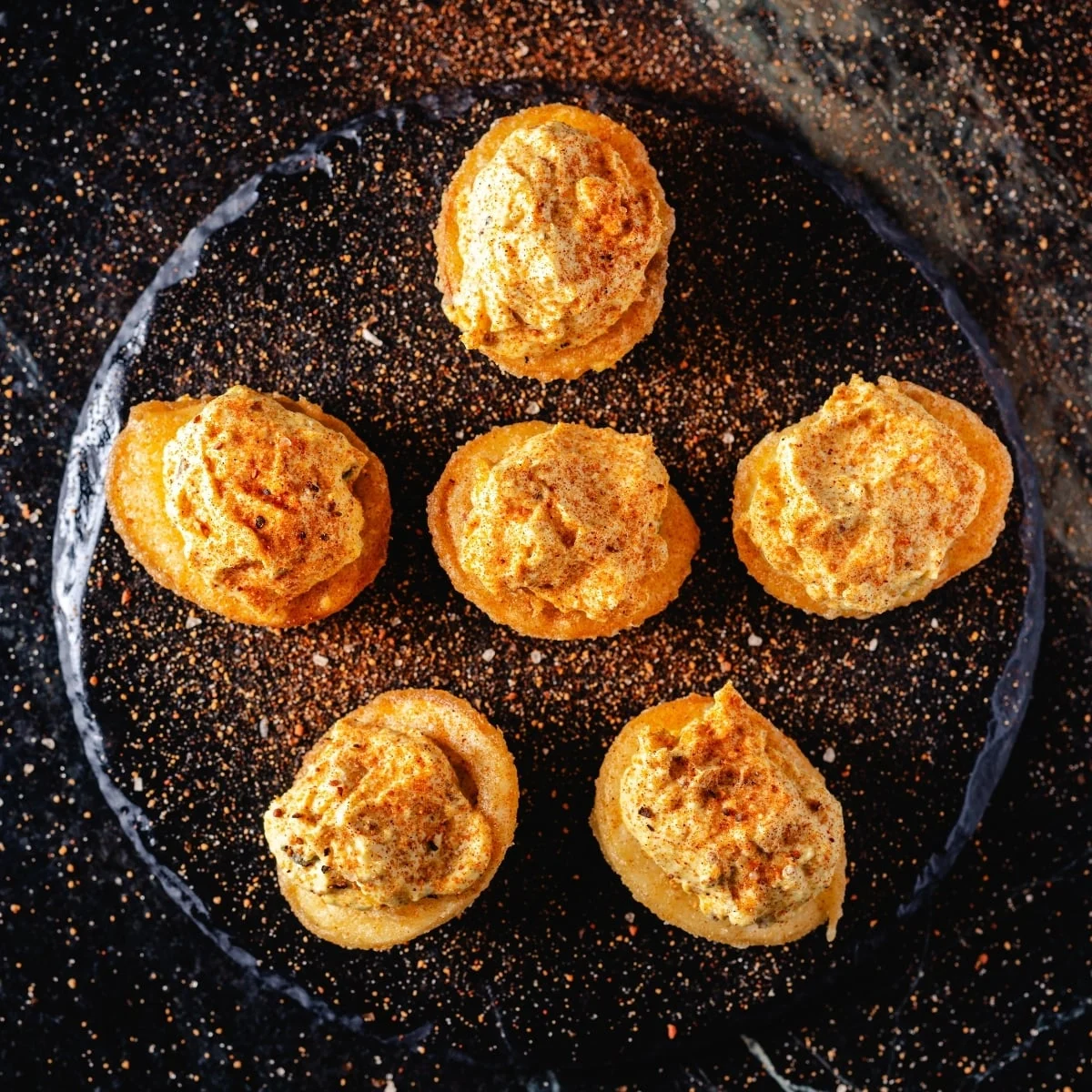
The landscape of American outdoor culinary arts has witnessed a significant shift toward flavor layering and texture contrast, exemplified by the emergence of the smoke-fried deviled egg. This dish represents a sophisticated fusion of traditional preservation methods—smoking—and modern comfort food techniques—deep frying—to reinvent a staple of the American picnic and holiday table. By integrating a low-and-slow smoking process with a high-heat flash fry, the recipe transcends the standard hard-boiled egg, introducing a complex profile of hickory or fruitwood undertones paired with a golden, crispy exterior. This culinary development reflects a broader trend in the barbecue community where enthusiasts, often referred to as "backyard heroes," seek to elevate simple ingredients through multi-stage cooking processes.
The Evolution of the Deviled Egg: From Ancient Rome to the Modern Smoker
To understand the significance of the smoke-fried variant, one must examine the historical trajectory of the deviled egg itself. The practice of serving seasoned, boiled eggs can be traced back to ancient Rome, where they were typically served as a starter for wealthy citizens, often seasoned with oil, wine, and broth. By the 13th century, culinary records in Andalusia described the process of removing the yolk, mixing it with cilantro, onion juice, and pepper, and refilling the whites—a precursor to the modern "deviled" style.

The term "deviled" entered the English lexicon in the late 18th century, specifically referring to foods prepared with hot spices or condiments, such as mustard and pepper. In the United States, the deviled egg became a quintessential social dish in the post-World War II era, coinciding with the rise of the domestic refrigerator and the standardization of mayonnaise. The introduction of smoke and deep-frying into this equation represents the latest chapter in this centuries-old history, moving the dish from a cold, soft appetizer to a warm, multi-textural experience.
Technical Chronology: The Multi-Stage Preparation Process
The production of smoke-fried deviled eggs requires a disciplined adherence to a specific timeline to ensure food safety and optimal texture. The process is divided into four distinct phases: preparation, infusion, fortification, and assembly.
Phase I: Hard-Boiling and Peeling
The process begins with the preparation of standard hard-boiled eggs. Precision in boiling is critical; an overcooked egg results in a sulfurous green ring around the yolk, while an undercooked egg lacks the structural integrity required for the subsequent smoking and frying stages. Once boiled, the eggs are shocked in an ice bath to stop the cooking process and facilitate clean peeling.

Phase II: The Smoking Infusion
After peeling, the whole eggs are subjected to a "cold" or low-temperature smoke. Unlike raw meats, which require high internal temperatures for safety, the already-cooked eggs are placed in a smoker primarily for flavor absorption and color development. Over a period of 30 to 60 minutes at temperatures usually ranging between 180°F and 225°F, the whites absorb the phenols and carbonyls from the wood smoke, resulting in a subtle tan hue and a deep, aromatic profile.
Phase III: The Batter and Flash Fry
Once smoked, the eggs are halved, and the yolks are removed to be reserved for the filling. The empty egg whites are then dredged in a specialized batter. Culinary experts recommend a high-starch batter, such as a crispy chicken wing mix, to ensure a light yet durable crust. The eggs are deep-fried at 350°F for a brief duration—typically 60 to 90 seconds—until the exterior achieves a golden-brown finish. This creates a thermal and textural contrast between the hot, crunchy shell and the cool, creamy filling to follow.
Phase IV: Filling and Seasoning
The final stage involves the creation of a zesty emulsion. The smoked yolks are combined with mayonnaise, a vinegar-based BBQ sauce (such as a Zesty Gold variety), apple cider vinegar, and diced jalapeños. This mixture is piped back into the fried shells and finished with a "Sweet Rub"—a blend of sugar, salt, and paprika—to balance the heat of the peppers and the acidity of the vinegar.

Supporting Data: Nutritional Analysis and Market Trends
The nutritional profile of a smoke-fried deviled egg reflects its status as an indulgent appetizer. According to standardized nutritional calculations, a single serving (approximately one egg half) contains 131 calories. The macronutrient breakdown includes 7 grams of fat, 11 grams of carbohydrates, and 5 grams of protein. While higher in caloric density than a traditional boiled egg, the dish provides significant amounts of Vitamin A (228 IU) and Calcium (29 mg).
From a market perspective, the rise of such complex BBQ recipes has fueled a surge in the artisanal condiment industry. Data suggests that the global barbecue sauce market is projected to grow at a CAGR of nearly 4% through 2030, driven by consumer demand for specialized profiles like "Carolina Gold" or "Zesty Mustard" sauces, which are integral to this recipe. Furthermore, the "home smoking" sector has expanded, with pellet grill sales seeing a marked increase as more households transition from traditional charcoal grilling to precision-controlled wood-fire cooking.
The Science of Flavor: Why Smoking and Frying Work
The efficacy of the smoke-fried deviled egg lies in the chemical reactions occurring during the cooking process. When the egg white is smoked, the porous surface of the albumen allows for the penetration of smoke particles. This adds a savory "umami" depth that compensates for the relatively neutral flavor of a plain egg.

The subsequent frying process utilizes the Maillard reaction—a chemical reaction between amino acids and reducing sugars that gives browned food its distinctive flavor. Because the egg white is mostly protein, the addition of a flour-based batter provides the necessary carbohydrates for this reaction to occur. The result is a complex flavor profile that hits multiple taste receptors: the sweetness of the rub, the acidity of the vinegar, the heat of the jalapeño, and the richness of the yolk and oil.
Industry Responses and Culinary Implications
Culinary professionals and BBQ influencers, including "Hey Grill Hey" founder Susie Bulloch, have noted that the "smoke-fried" technique is part of a broader movement to "BBQ-ify" traditional side dishes. By applying pitmaster techniques to non-traditional items like eggs, olives, or cheeses, chefs are expanding the definition of outdoor cooking.
"These eggs are about indulgence," Bulloch states, emphasizing that while the smoking step can be bypassed for time-saving purposes, the "kiss of smoke" is what defines the dish’s identity. This sentiment is echoed across the industry, where the "low and slow" philosophy is increasingly being applied to appetizers to create a cohesive menu for long-duration events like Easter gatherings or summer tailgates.

Broader Impact on Social Dining and Holiday Traditions
The introduction of smoke-fried deviled eggs into the holiday repertoire, particularly for Easter, signifies a shift in social dining expectations. Modern hosts are increasingly moving away from static, traditional menus in favor of "showstopper" dishes that serve as conversation pieces. The visual appeal of a battered, fried egg topped with a vibrant, piped filling aligns with the "photogenic food" trend currently dominating social media platforms like Instagram and Facebook.
Moreover, the dish encourages a "backyard-to-table" approach, where the preparation is as much a part of the social experience as the consumption. The use of specialized equipment like smokers and deep fryers transforms a routine kitchen task into an outdoor event, reinforcing the role of the "Backyard BBQ Hero" in contemporary American culture.
Conclusion: The Future of Fusion BBQ
The smoke-fried deviled egg is more than a fleeting food trend; it is a testament to the versatility of simple ingredients when subjected to imaginative culinary techniques. By bridging the gap between the smoker and the deep fryer, this dish provides a blueprint for future innovations in the appetizer category. As consumer palates continue to evolve toward more complex, multi-layered flavor profiles, the integration of traditional smoking methods into everyday snacks is likely to become a standard practice in both domestic and professional kitchens. For now, the smoke-fried deviled egg remains a pinnacle of textural engineering, offering a crispy, smoky, and creamy experience that redefines the expectations of the American picnic.
