
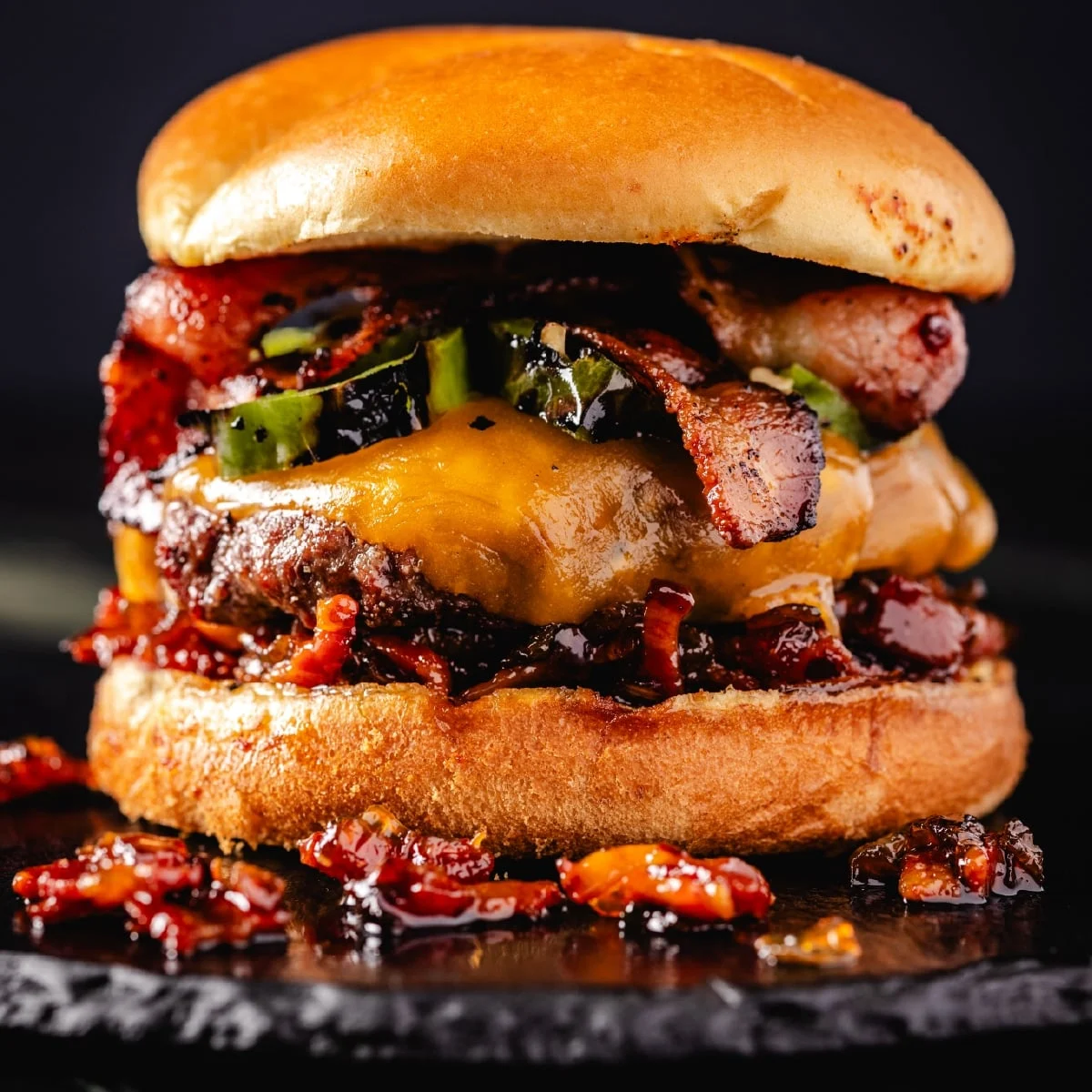
The Jalapeño Bacon Jam Cheeseburger represents a significant evolution in contemporary American outdoor culinary practices, combining traditional grilling techniques with complex, layered flavor profiles once reserved for high-end gastropubs. This specific iteration of the cheeseburger gained prominence following its successful debut at the Key West Invitational, a high-stakes barbecue competition that doubles as a significant fundraiser for pediatric cancer research. The dish is characterized by its integration of sharp cheddar cheese, thick-cut crispy bacon, blistered jalapeño coins, and a specialized whiskey-infused onion and bacon jam. By transitioning from a competitive entry to a refined recipe for domestic application, this burger highlights a broader trend in the barbecue community: the democratization of professional-grade culinary techniques for the average household griller.
The Key West Invitational: A Catalyst for Culinary Innovation
The development of the Jalapeño Bacon Jam Cheeseburger is inextricably linked to the Key West Invitational, an annual event that draws elite pitmasters and outdoor cooking enthusiasts to the Florida Keys. Beyond the competitive aspect, the event serves as a platform for philanthropy, raising substantial funds for pediatric cancer initiatives. In the most recent iteration of the event, Susie Bulloch, a prominent figure in the barbecue industry and founder of the culinary brand Hey Grill Hey, organized two all-women’s teams to compete in a series of challenges.

The "Sandbar Cookoff," held on the second day of the competition, served as the specific birthplace of the burger. In this unique environment, teams are required to cook in coastal conditions, often on floating platforms or beachside setups, which introduces variables such as high humidity and wind. Despite these challenges, the team’s cheeseburger prototype secured a second-place finish. Following the competition, the recipe underwent a series of technical adjustments to ensure its viability on standard backyard charcoal and gas grills, focusing on accessibility without compromising the depth of flavor achieved during the invitational.
Technical Composition and Flavor Profile Analysis
The success of the Jalapeño Bacon Jam Cheeseburger is attributed to its adherence to the four primary pillars of flavor: smoke, sweetness, salt, and heat. Each component of the burger is selected to serve a specific structural or sensory purpose.
The Protein Foundation
The core of the burger consists of seasoned beef patties. From a technical standpoint, the choice of beef and the method of seasoning are critical. Professional pitmasters typically recommend a fat-to-lean ratio of 80/20 to ensure the patty remains moist during the high-heat searing process. The application of a flame-kissed crust, achieved through charcoal grilling, initiates the Maillard reaction—a chemical reaction between amino acids and reducing sugars that gives browned food its distinctive flavor.

The Sweet and Savory Element: Whiskey Onion Bacon Jam
The most complex component is the Whiskey Onion Bacon Jam. This condiment acts as both a moisture barrier and a flavor enhancer. The jam utilizes the natural sugars of caramelized onions, the saltiness of cured bacon, and the oaky, vanilla notes of whiskey. This combination provides a "sticky-sweet" contrast to the savory beef and sharp cheese.
Heat and Texture: Blistered Jalapeños and Crispy Bacon
To provide a counterpoint to the sweetness of the jam, the recipe incorporates fresh jalapeño coins that are blistered directly on the grill. This process softens the cellular structure of the pepper while concentrating its capsaicin-driven heat. The addition of crispy bacon provides a necessary textural contrast, offering a "crunch" that offsets the softness of the bun and the melt of the sharp cheddar cheese.
Chronology of Preparation and Grilling Procedures
The transition from raw ingredients to a finished product is estimated to take approximately 25 minutes, making it a highly efficient option for high-volume domestic catering. The following chronology outlines the standardized procedure for achieving the optimal result:

- Preparation of Components: The process begins with the slicing of jalapeños into uniform coins and the preparation of the bacon. Unlike traditional methods where bacon is fried in a pan, grilling the bacon alongside the beef allows for a uniform smoky infusion.
- Seasoning and Shaping: Beef patties are shaped to a thickness that allows for a medium-rare to medium internal temperature without overcooking the exterior. Seasoning is applied immediately before the meat hits the grates to prevent the salt from drawing out moisture prematurely.
- The Grilling Phase: The patties are placed over direct heat. For charcoal users, this involves a two-zone setup where the meat can be seared over the coals and then moved to a cooler zone to finish.
- Integration of Toppings: Approximately ten degrees before the target internal temperature is reached, sharp cheddar slices are applied. This ensures the cheese reaches a fluid state without separating. Simultaneously, the jalapeño coins are grilled until char marks appear.
- Assembly: The final stage involves layering the components on a toasted bun, with the Whiskey Onion Bacon Jam applied as the final crown to the patty.
Safety Standards and Internal Temperature Guidelines
In the realm of ground beef preparation, there is a historical tension between culinary preference and food safety regulations. The United States Department of Agriculture (USDA) maintains a formal recommendation that all ground beef be cooked to an internal temperature of 160°F (71°C) to ensure the total destruction of foodborne pathogens such as E. coli.
However, within the professional barbecue community, "Medium" doneness is often cited as the "sweet spot" for flavor and juice retention. The following data points serve as a guide for various levels of doneness:
- Medium Rare (135°F / 57°C): Characterized by a warm, red center.
- Medium (145°F / 63°C): The standard for most gourmet burger establishments, featuring a pink center.
- Medium Well (155°F / 68°C): A slight hint of pink remains, but the meat is mostly browned.
- Well Done (165°F / 74°C): No pink remains; the meat is fully browned throughout.
Experts suggest using a high-quality digital instant-read thermometer to ensure accuracy, as visual cues (such as the color of the juices) can be misleading depending on the fat content and the pH level of the meat.

Market Trends and the Rise of "Craft" Grilling
The popularity of recipes like the Jalapeño Bacon Jam Cheeseburger reflects broader economic and social trends in the United States. According to reports from the Hearth, Patio & Barbecue Association (HPBA), nearly 70% of American households own at least one grill or smoker. Furthermore, there has been a documented shift toward "premiumization" in the outdoor cooking sector. Consumers are increasingly moving away from basic frozen patties in favor of artisanal ingredients and complex homemade condiments.
The rise of social media platforms has also played a pivotal role. Creators like Susie Bulloch leverage digital reach to disseminate professional techniques to millions of home cooks. This "influencer-to-table" pipeline has transformed the backyard barbecue from a simple nutritional necessity into a form of recreational hobbyism and social status.
Broader Implications for the BBQ Community
The Jalapeño Bacon Jam Cheeseburger is more than a singular recipe; it is a case study in how competitive success can be translated into consumer-facing content. The fact that the recipe originated at a charity event—the Key West Invitational—adds a layer of social responsibility to its narrative. It highlights the barbecue community’s long-standing tradition of using culinary skill to support philanthropic causes, particularly those related to children’s health.

Furthermore, the emphasis on all-women’s teams at the competition level signals a shift in a traditionally male-dominated industry. As more women take on leadership roles in barbecue competitions and digital media, the diversity of flavor profiles and approaches to outdoor cooking continues to expand.
In conclusion, the Jalapeño Bacon Jam Cheeseburger stands as a testament to the sophistication of modern grilling. By balancing the heat of jalapeños with the richness of bacon and the complexity of whiskey-infused jam, the dish offers a multi-sensory experience that bridges the gap between competition-grade barbecue and the American backyard. As the outdoor cooking industry continues to grow, such recipes will likely remain at the forefront of the culinary conversation, driving innovation and charitable engagement across the nation.
