
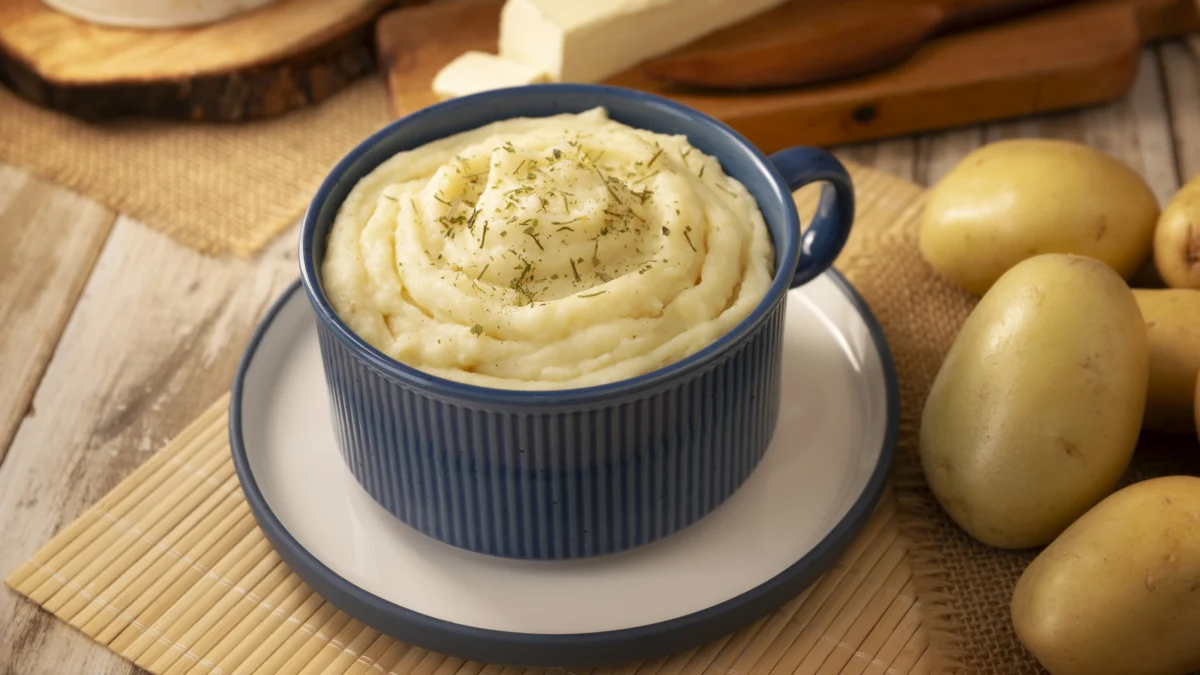
Mashed potatoes, a universally beloved comfort food, are a staple on tables around the world, particularly during festive occasions like Thanksgiving. However, achieving that perfect, velvety texture can be a culinary challenge, with many home cooks struggling to avoid a dry, gluey, or unappealing consistency. The key to transforming ordinary mashed potatoes into an exceptionally creamy and satisfying dish lies not just in the mashing technique, but more crucially, in the careful selection and application of key ingredients, primarily butter.
The Crucial Role of Butter in Achieving Creamy Mashed Potatoes
The common misconception when troubleshooting less-than-ideal mashed potatoes is to focus solely on the liquid added, such as milk, heavy cream, or half-and-half. While these dairy components undoubtedly contribute richness, it is the generous and strategic use of butter that elevates mashed potatoes to a state of silky smoothness and true creaminess. Butter’s fat content plays a vital role, acting as an emulsifier and a flavor enhancer that coats the potato starch molecules. This coating prevents them from clumping together, which is the primary cause of a gluey texture.
Experts in culinary arts and food science emphasize that butter’s contribution goes beyond mere flavor. The fat in butter helps to create a luxurious mouthfeel and a smooth, spreadable consistency that milk or cream alone cannot replicate. Therefore, home cooks should prioritize the butter component in their mashed potato recipes, ensuring an adequate amount is used to achieve the desired creaminess. For those adhering to plant-based diets, high-quality vegan butter alternatives can also effectively provide the necessary fat content for a creamy outcome.
A crucial step in the process is to incorporate the butter before adding any liquid. This initial addition of fat helps to create a protective barrier around the potato starches. This barrier is essential in preventing the starches from becoming overly hydrated and sticky when the milk or cream is introduced. This foundational step is critical for any mashed potato preparation aiming for a superior texture.
The Importance of Temperature and Ratios
Beyond the type and quantity of fat, the temperature at which dairy and butter are introduced to the potatoes is also a significant factor. Adding cold butter and milk to hot, mashed potatoes can cause the starches to seize and bind, leading to a less desirable texture. It is recommended that both butter and any liquid dairy components be warmed to a similar temperature as the potatoes before incorporation. This gradual introduction of heat and fat helps to maintain the integrity of the potato structure and promotes a smoother emulsion.
The optimal ratio of potatoes to butter is a subject of culinary debate, with variations reflecting personal preferences and desired richness. Generally, ratios can range from 2:1 (potatoes to butter) for a more intensely buttery flavor, to 4:1 for a more potato-forward taste with subtle creamy undertones. Experimentation within these ranges can help individuals discover their ideal balance. For instance, a chef might aim for a 3:1 ratio for a balanced dish that complements a variety of main courses.
Advanced Techniques for Preventing Gluey Mashed Potatoes
While the emphasis on butter is paramount, other techniques can further safeguard against the dreaded gluey texture. The most critical of these is to avoid overworking the potatoes. Excessive mashing, particularly with mechanical mixers like food processors, stand mixers, or blenders, can break down the potato cells too aggressively, releasing excessive amounts of starch. This liberated starch acts like a binder, leading to a gummy or paste-like consistency that is notoriously difficult to rectify.
Instead of high-powered machinery, traditional methods such as using a potato ricer or a hand masher are highly recommended. A potato ricer, in particular, is favored by many chefs for its ability to produce uniformly fine particles without overworking the starch. This method allows for the gentle breaking down of the cooked potato, preserving its delicate structure and minimizing starch release. The process should be one of gentle incorporation rather than vigorous beating.
The Impact of Potato Variety on Texture
The choice of potato varietal also plays a significant role in the final texture of mashed potatoes. While Russet potatoes are widely available and commonly used, they tend to have a higher starch content and a drier texture, which can contribute to a crumbly result if not handled with extreme care.
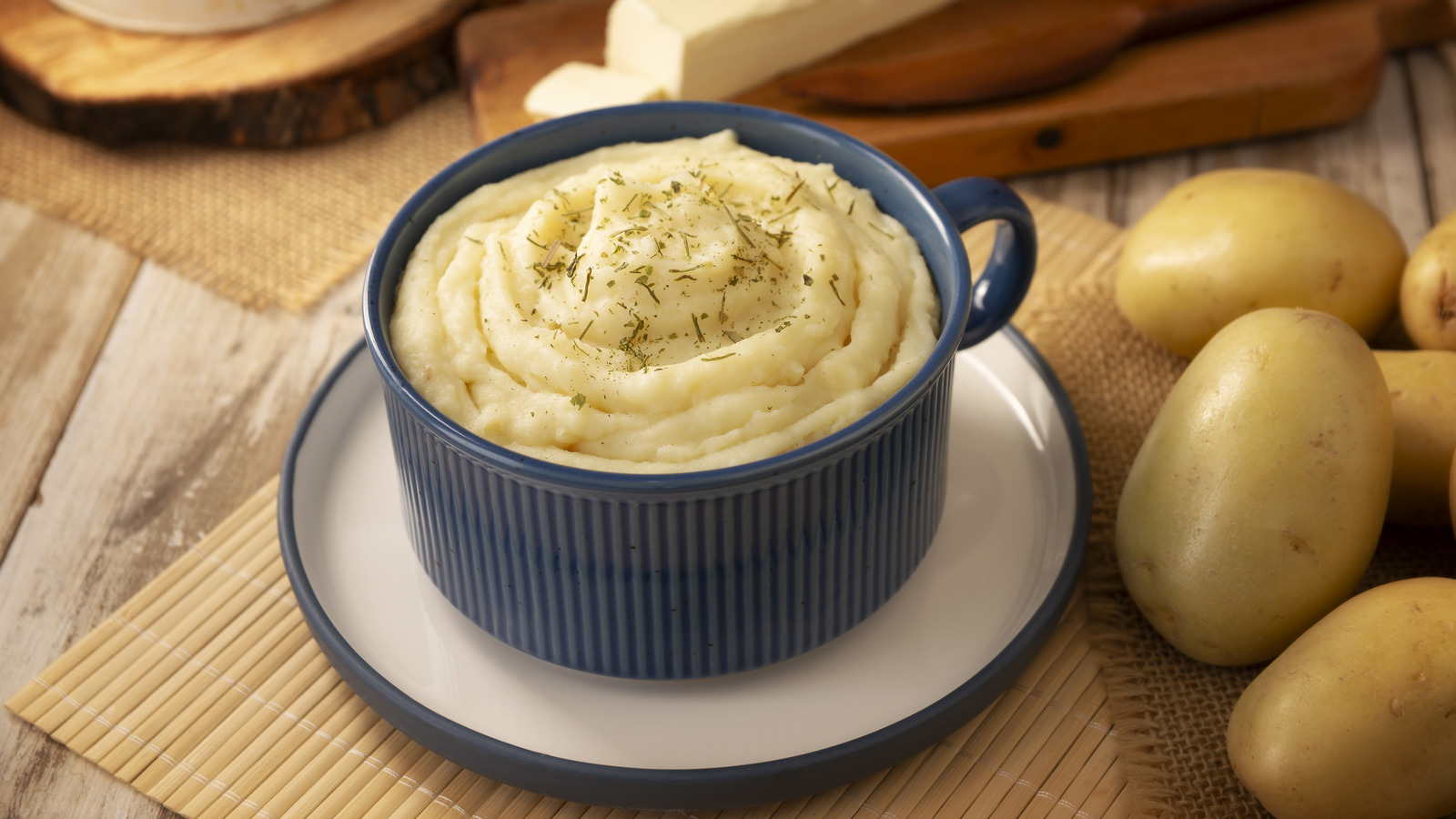
For a consistently creamy and rich mash, Yukon Gold potatoes are often considered the superior choice. These potatoes possess a desirable balance of starch and moisture, along with a naturally buttery flavor and a dense, waxy texture. This combination allows them to absorb fats and liquids more evenly, resulting in a smoother and more luxurious mash. Other waxy or all-purpose potato varieties, such as Fingerlings or Red Potatoes (when cooked appropriately), can also yield good results, though Yukon Golds are frequently cited as the benchmark for creaminess.
Historical Context and Culinary Evolution of Mashed Potatoes
The history of mashed potatoes is intertwined with the broader culinary evolution of the potato itself. First cultivated in the Andes region of South America, potatoes were introduced to Europe in the 16th century. Initially met with suspicion and even fear, they gradually gained acceptance as a nutritious and versatile food source, particularly among the working classes.
The simple act of boiling and mashing potatoes likely emerged as an efficient way to make them more palatable and digestible. Early preparations would have been rudimentary, likely involving mashing with a fork or a simple tool and incorporating whatever fats or liquids were available, such as animal fats or milk.
The standardization of recipes and techniques for mashed potatoes has evolved over centuries. The advent of more refined kitchen tools, such as whisks and later, mechanical mixers, offered new possibilities for texture. However, as culinary science has advanced, so too has the understanding of the underlying properties of ingredients, leading to more precise and effective methods for achieving desired outcomes. The current emphasis on butter and careful handling reflects a modern understanding of starch behavior and fat emulsification.
Data on Potato Consumption and Culinary Trends
Global potato consumption remains remarkably high, with the crop being a staple food for billions of people. According to the Food and Agriculture Organization of the United Nations (FAO), global potato production consistently ranks among the top food crops, with annual yields in the hundreds of millions of metric tons. This widespread cultivation underscores the potato’s enduring importance in global food security and culinary traditions.
Culinary trends also influence how staple dishes like mashed potatoes are prepared. In recent decades, there has been a notable shift towards more artisanal and ingredient-focused cooking. This has led to a greater appreciation for the nuances of different potato varieties and a renewed focus on classic techniques that prioritize quality and flavor. The "farm-to-table" movement, for example, has encouraged consumers and chefs alike to consider the provenance and characteristics of ingredients, including the specific type of potato best suited for a particular dish.
Furthermore, the rise of food blogs, online recipe platforms, and culinary television shows has democratized access to detailed cooking advice. This has enabled a wider audience to learn and experiment with techniques that were once the domain of professional chefs, contributing to a general uplift in home cooking standards. The detailed guidance on achieving creamy mashed potatoes, often shared through these channels, reflects this ongoing culinary education.
Expert Opinions and Culinary Authority
Prominent chefs and food writers have long advocated for specific methods to achieve perfect mashed potatoes. For instance, Julia Child, a legendary figure in American cuisine, emphasized the importance of using good quality butter and not overworking the potatoes in her seminal cookbook, "Mastering the Art of French Cooking." Similarly, renowned food scientist Harold McGee has extensively documented the role of starch gelatinization and the impact of fat on texture in his acclaimed work, "On Food and Cooking: The Science and Lore of the Kitchen."
These culinary authorities consistently highlight that the path to exceptionally creamy mashed potatoes is paved with a generous hand with butter, the use of appropriately warmed dairy, and a gentle approach to mixing. Their endorsements lend significant weight to the techniques that prioritize fat content and minimize starch manipulation.
Analysis of Implications: The Broader Impact of Perfected Mashed Potatoes
The pursuit of perfectly creamy mashed potatoes, while seemingly a minor culinary detail, has broader implications. It speaks to a growing consumer interest in understanding the science behind cooking and a desire to elevate everyday meals. The ability to consistently produce a superior version of a classic dish can foster greater confidence in the kitchen and encourage more ambitious culinary endeavors.
Moreover, the emphasis on quality ingredients and thoughtful technique reflects a broader cultural appreciation for food. In a world where convenience often dictates culinary choices, the dedication to mastering a dish like mashed potatoes signifies a commitment to savoring and celebrating food. This can translate into more mindful eating habits and a greater connection to the food we consume. The widespread sharing of such techniques also fosters a sense of community among home cooks, encouraging the exchange of knowledge and culinary inspiration.
The refined understanding of how to achieve creamy mashed potatoes also has implications for the foodservice industry. Restaurants that consistently deliver perfectly textured mashed potatoes can differentiate themselves and build customer loyalty. This attention to detail, even in seemingly simple dishes, can significantly impact a dining experience.
In conclusion, while the ingredients for mashed potatoes are basic, the method for achieving unparalleled creaminess is nuanced. By prioritizing butter, understanding the impact of temperature, selecting the right potato varietal, and employing gentle mashing techniques, home cooks can elevate this beloved side dish from ordinary to extraordinary, transforming a humble plate into a testament to culinary skill and a source of pure comfort.
