
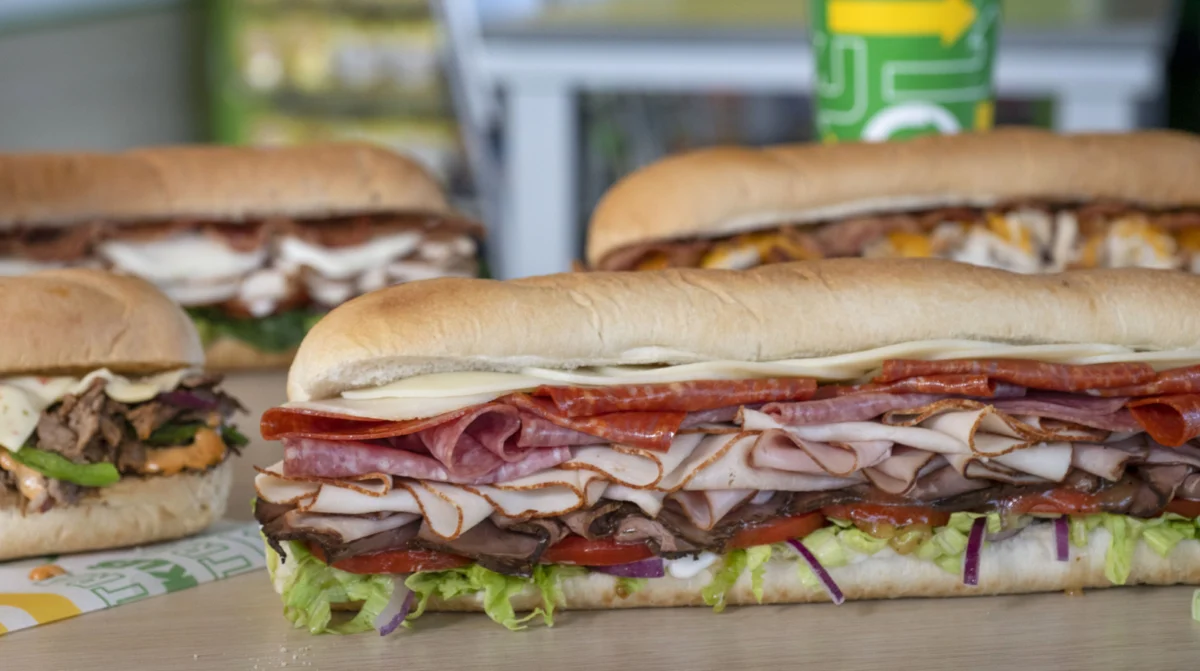
The landscape of fast-casual dining, particularly the sandwich sector, is a fiercely competitive arena where innovation and strategic adaptation can mean the difference between market dominance and gradual decline. In the early 2000s, a seismic shift occurred in this landscape, largely driven by a move that seems commonplace today: the introduction of toasted submarine sandwiches. At the forefront of this culinary evolution was Quiznos, a chain that rapidly ascended to prominence by making toasted subs its signature offering. However, its reign as the undisputed king of the warmed sandwich was challenged by a formidable rival, Subway, whose strategic pivot ultimately contributed to Quiznos’ significant downturn.
The Rise of Quiznos and the Toasted Sub Revolution
Quiznos first burst onto the scene in 1981, but it was in the early 2000s that the brand experienced an explosive period of growth. By 2003, the chain had expanded to over 2,000 locations globally, a testament to the appeal of its distinctively toasted sandwiches. This rapid expansion continued, with reports suggesting that new Quiznos franchises were opening at a remarkable rate of one every 16 hours, eventually peaking at over 5,000 restaurants worldwide. The company’s core differentiator was its unique preparation method: every sub was passed through a conveyor belt toaster oven, imparting a warm, slightly crisp texture that set it apart from the predominantly cold sandwich offerings of its competitors. The slogan "Mmm … toasty" became synonymous with the brand, effectively carving out a niche and fostering a loyal customer base eager for a hot, melty sandwich experience. This innovation was not merely a flavor enhancement; it was a strategic move that created a unique selling proposition in a crowded market.
Subway’s Strategic Counter-Offensive
Subway, already a colossal presence in the sandwich market with nearly 20,000 restaurants across North America by 2004, observed the success of Quiznos with keen interest. While Subway had long been a dominant player, its menu primarily consisted of cold sandwiches, assembled to order. Recognizing the growing consumer appetite for warmer, more substantial sandwich options, Subway made a pivotal decision in 2004 to introduce toasted subs to its menu. This move was not just an addition; it was a direct challenge to Quiznos’ core identity and a strategic maneuver to capture a broader segment of the market.
The impact of Subway’s decision was profound. By offering toasted options, Subway effectively neutralized Quiznos’ primary unique selling proposition. For consumers, the convenience and ubiquity of Subway, combined with the newly available toasted options, presented a compelling alternative. Subway’s vast network of locations meant that a warm sandwich was now more accessible than ever to a significantly larger population. This strategic capitulation of Quiznos’ unique selling point at its knees is a classic example of competitive strategy in the fast-food industry, where a dominant player can leverage its existing infrastructure to absorb and neutralize a competitor’s innovation.
The Role of Coca-Cola and Financial Underpinnings
An intriguing aspect of Subway’s transition to toasted subs is the alleged financial arrangement that may have facilitated this widespread implementation. According to anecdotal reports from industry insiders and online discussions, it is rumored that Subway did not directly bear the cost of installing the toaster ovens in its numerous locations. Instead, Coca-Cola is said to have financed these appliances as part of an exclusivity deal. In late 2003, just prior to the toasted sub debut, Subway reportedly ended its long-standing relationship with PepsiCo and entered into a two-decade partnership with Coca-Cola.
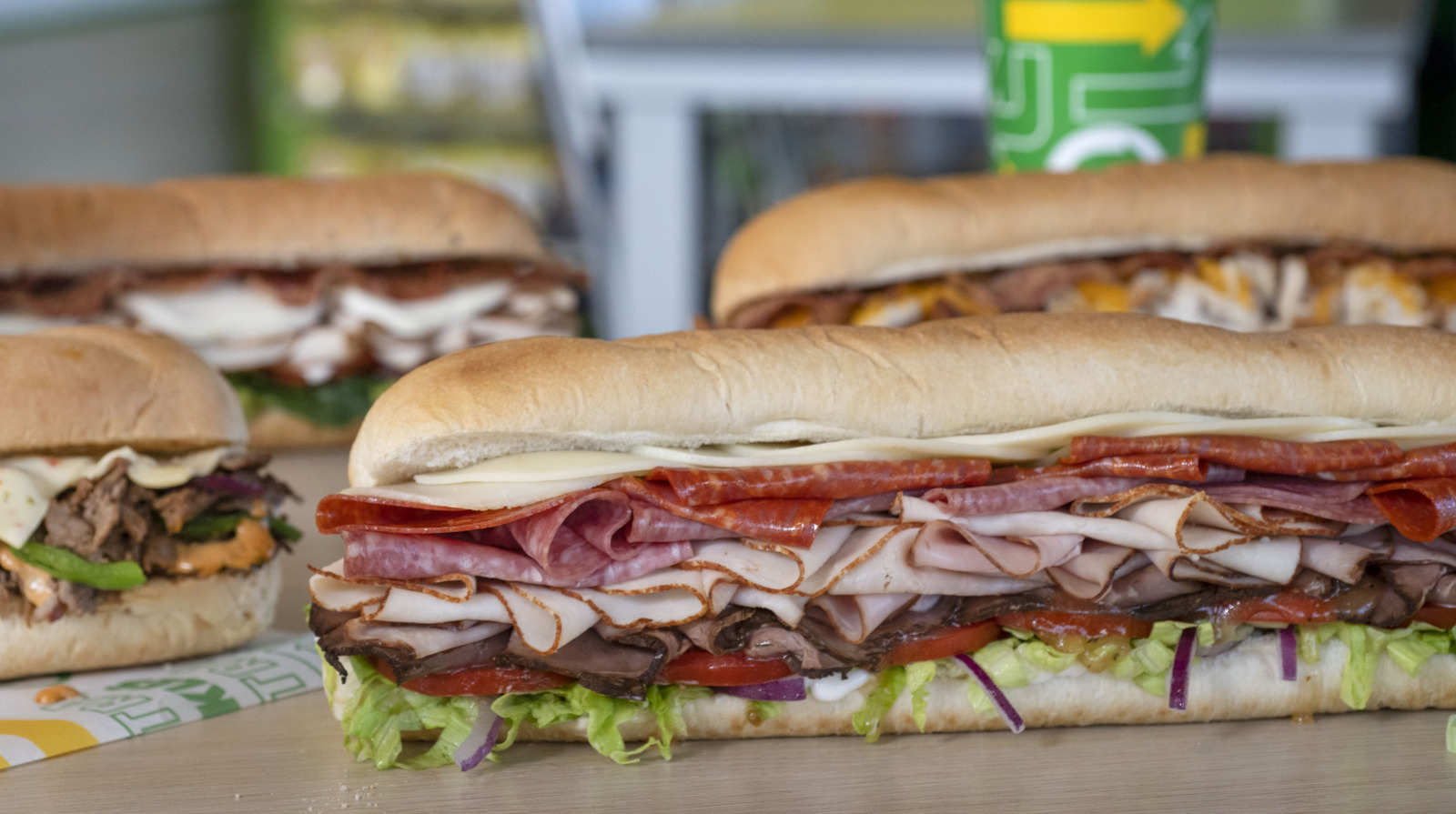
At the time of the switch, a Pepsi spokesperson speculated that Coca-Cola must have offered a substantial financial incentive to secure the deal, suggesting an "incredibly big bag of cash." This financial infusion from Coca-Cola could have significantly influenced Subway’s aggressive rollout of toasting equipment. By offloading the capital expenditure of new appliances, Subway was able to introduce toasted subs across its vast franchise network with minimal upfront risk, while simultaneously strengthening its relationship with its new beverage partner. This strategic financial alliance provided Subway with a crucial advantage, enabling a swift and decisive competitive response. The deal, which lasted until 2024 when Subway switched back to PepsiCo, highlights the intricate interdependencies and marketing strategies employed by major corporations within the food and beverage industry.
The Downfall of Quiznos
While Subway’s strategic move was a significant blow, the decline of Quiznos was a complex phenomenon with multiple contributing factors. Even before Subway began toasting its subs, many Quiznos franchise owners were reportedly struggling with profitability. The chain’s business model, coupled with high operational costs and potentially unfavorable franchise agreements, created financial precarity for many operators.
The introduction of toasted subs by Subway exacerbated these existing challenges. The perceived uniqueness of Quiznos’ offering diminished, and Subway’s widespread presence and competitive pricing, including its famous $5 Footlong promotion (which now also featured toasted options), made it a more attractive choice for many consumers.
Furthermore, Quiznos’ branding and marketing strategies, including the use of what were often described as "creepy, rodent-like mascots," did not resonate well with all customer segments and may have contributed to negative customer feedback. The economic downturn of the 2009 recession also played a role, impacting consumer spending on dining out. Compounding these issues were corporate buyouts and several lawsuits that further destabilized the company.
The timeline of Quiznos’ decline is stark. By the end of 2009, approximately 700 Quiznos franchises had closed. This trend continued into the following year, with a significant number of additional locations shutting down. While the chain is not entirely defunct, with a small number of locations still operating across the country, it has never recaptured the market dominance or widespread appeal it once held. The era of toasted subs no longer being a unique selling proposition meant that Quiznos lost its most potent competitive edge, making it difficult to sustain its business in the long run.
The Broader Impact and Analysis
The story of Subway and Quiznos serves as a compelling case study in competitive dynamics within the fast-food industry. It underscores the importance of strategic agility, the power of leveraging existing infrastructure, and the potential impact of financial partnerships on market positioning.
Subway’s decision to adopt toasting was a calculated risk that paid off handsomely, demonstrating how a market leader can adapt to emerging trends and neutralize competitive threats. By effectively co-opting Quiznos’ core innovation, Subway not only retained its existing customer base but also attracted new ones, solidifying its position as a dominant force.
Conversely, Quiznos’ failure to maintain its unique selling proposition and its struggles with internal financial models and brand perception ultimately led to its diminished status. The episode highlights that innovation, while crucial, must be coupled with a sustainable business model, effective branding, and the ability to adapt to competitive pressures.
The swiftness with which Subway integrated toasted subs across its thousands of locations, potentially aided by external financial support, allowed it to outmaneuver Quiznos. This rapid expansion and adoption prevented Quiznos from fully capitalizing on its initial advantage. The comparison of toaster oven speeds – Quiznos’ 45-second conveyor belt versus Subway’s reportedly faster, half-time process – further illustrates how operational efficiency, even in small increments, can contribute to a competitive edge in the fast-paced world of fast food.
While it’s impossible to definitively state whether Quiznos could have survived and thrived had Subway not introduced toasted subs, the evidence suggests that the chain faced significant internal challenges that predated this competitive maneuver. However, Subway’s strategic pivot undoubtedly accelerated Quiznos’ decline, transforming a once-popular chain into a shadow of its former self. The remaining Quiznos locations serve as a reminder of a bygone era when a warm, toasted sandwich was a novelty, and the competition for that niche was fierce. The ultimate impact is a reshaped sandwich market, where toasted options are now a standard expectation rather than a distinguishing feature, and Subway continues to hold a dominant position.
