
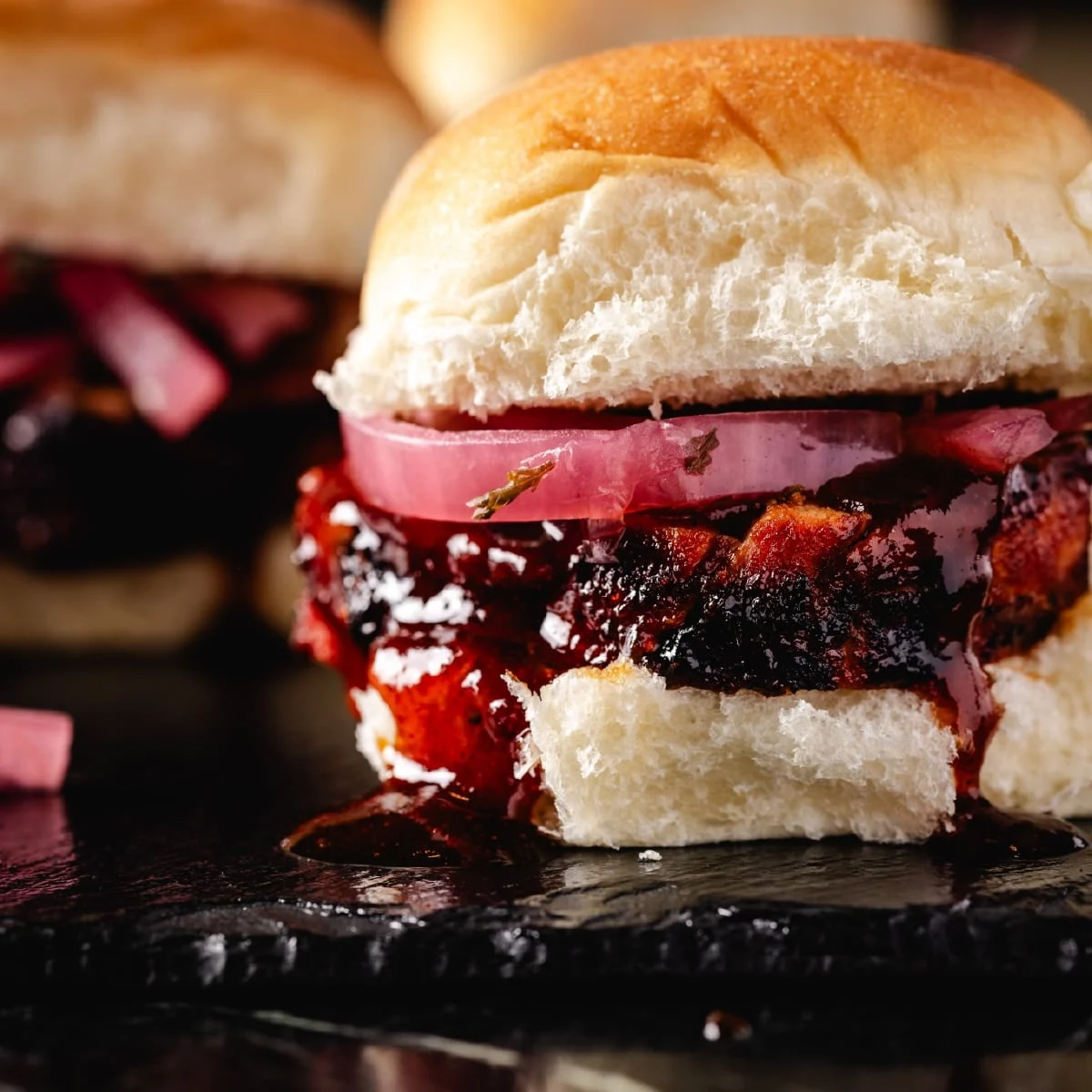
The culinary landscape of 2024 has seen a significant shift toward the "gourmet-casual" category, a movement characterized by high-quality proteins prepared with sophisticated flavor profiles but served in accessible, shareable formats. At the forefront of this movement is the Hot Honey Pork Tenderloin Slider, a dish that recently gained national attention following its successful demonstration at the Winter Fancy Food Show in San Diego. Created by Susie Bulloch, the founder of the barbecue brand Hey Grill Hey, the recipe represents a strategic fusion of lean protein utilization, the "sweet-heat" flavor trend, and the rising popularity of the slider as a versatile meal solution for both social events and domestic dining.
The Evolution of the Dish and the San Diego Showcase
The Hot Honey Pork Tenderloin Slider was not merely a spontaneous creation but a calculated development designed for the Specialty Food Association’s (SFA) Winter Fancy Food Show. This event, often referred to by industry insiders as a "Fancy Faire," serves as a premier launching pad for food innovation, attracting thousands of retailers, distributors, and culinary influencers. Bulloch’s demonstration in San Diego focused on the "underrated" nature of pork tenderloin—a cut of meat that is frequently overshadowed by ribs, pulled pork (shoulder), and brisket in traditional American barbecue.

The chronology of the dish’s rise began with the development of the "Sweet Rub" and "Hot Honey BBQ Sauce" within the Hey Grill Hey test kitchens. Following the positive reception in San Diego, where the sliders were reported to have been consumed as quickly as they could be prepared, the recipe was digitized and released to a wider audience. This transition from a trade show specialty to a household staple highlights the modern lifecycle of food trends, where viral success at professional exhibitions translates directly into consumer demand via digital platforms and social media integration.
Ingredient Profile and Culinary Mechanics
The Hot Honey Pork Tenderloin Slider relies on six primary components: pork tenderloin, a proprietary sweet dry rub, hot honey barbecue sauce, Hawaiian rolls, pickled red onions, and a fat source (typically oil or butter) for the grilling process. Each element serves a specific functional and flavor-based purpose in the final composition.
The pork tenderloin is chosen for its lean profile and rapid cooking time. Unlike the pork shoulder, which requires hours of low-temperature smoking to break down connective tissues, the tenderloin is a muscle group that remains tender with high-heat, short-duration cooking. This efficiency makes it an ideal candidate for weeknight dinners and high-volume catering. The "Sweet Rub" provides the initial layer of flavor, utilizing sugar to facilitate the Maillard reaction—a chemical reaction between amino acids and reducing sugars that gives browned food its distinctive flavor.

The "Hot Honey BBQ Sauce" addresses the "swicy" (sweet and spicy) trend that has dominated the condiment market over the last three years. Industry data suggests that honey-based sauces infused with chili peppers have seen a 38% increase in menu mentions across North American casual dining establishments. By glazing the pork at an internal temperature of 135 degrees Fahrenheit, the sugars in the honey caramelize without burning, creating a tacky, flavorful crust.
The final assembly on Hawaiian rolls provides a soft, slightly sweet base that complements the tanginess of the pickled red onions. These onions are not merely a garnish; they provide the necessary acidity to cut through the richness of the pork and the sweetness of the glaze, balancing the palate.
Technical Grilling Standards and Safety
From a technical standpoint, the preparation of these sliders adheres to rigorous food safety and quality standards. The United States Department of Agriculture (USDA) updated its guidelines in recent years, lowering the recommended internal cooking temperature for whole cuts of pork from 160 degrees Fahrenheit to 145 degrees Fahrenheit, followed by a three-minute rest period.

The Hey Grill Hey method aligns with these standards, advocating for the use of a digital meat thermometer to ensure precision. The process involves:
- Preheating: Bringing the grill to a medium-high heat (approximately 400 degrees Fahrenheit).
- Seasoning: Applying the dry rub to the trimmed tenderloin.
- Searing: Grilling the meat for approximately 20-25 minutes, rotating periodically to ensure even browning.
- Glazing: Applying the Hot Honey BBQ Sauce when the meat reaches 135 degrees Fahrenheit.
- Resting: Allowing the meat to rest until it reaches the final 145 degrees Fahrenheit, ensuring moisture retention within the muscle fibers.
Nutritional Analysis and Consumer Health Trends
As consumers become increasingly health-conscious, the nutritional profile of the Hot Honey Pork Tenderloin Slider offers a compelling alternative to traditional beef burgers or fried appetizers. Based on a standard serving size for six individuals, the nutritional data is as follows:
- Calories: 425 kcal
- Protein: 38g
- Total Fat: 10g (Saturated Fat: 4g)
- Carbohydrates: 44g
- Sugar: 17g
- Sodium: 494mg
- Cholesterol: 118mg
The high protein-to-fat ratio (3.8:1) makes this dish particularly attractive to individuals following high-protein diets. While the carbohydrate and sugar content are elevated due to the Hawaiian rolls and honey-based sauce, the overall caloric load remains manageable for a main course. Furthermore, the inclusion of pork tenderloin provides essential micronutrients, including Vitamin B6, Vitamin B12, potassium (705mg), and iron (3mg).

Market Context and Economic Implications
The rise of the pork tenderloin slider also reflects broader economic trends in the grocery and meat industries. As the price of beef remains volatile due to supply chain fluctuations and environmental factors, pork has remained a relatively affordable protein for the average American family. Market analysts from the National Pork Board have noted that "value-added" preparations—recipes that transform affordable cuts into gourmet experiences—are driving pork sales in the retail sector.
The "Hey Grill Hey" brand, led by Susie Bulloch, has capitalized on this by offering not just recipes, but the specific rubs and sauces needed to replicate the "backyard BBQ hero" experience. This "ecosystem" approach to home cooking—where a creator provides the education, the inspiration, and the physical ingredients—has disrupted the traditional cookbook model. Bulloch, who has appeared on the Food Network and holds Guinness World Records for grilling, represents a new era of culinary influencers who bridge the gap between professional pitmasters and home cooks.
Reactions and Industry Impact
Reactions from the specialty food community have been overwhelmingly positive. Attendees at the Winter Fancy Food Show noted that the sliders effectively demonstrated how traditional barbecue flavors could be modernized for a sophisticated audience. "The balance of the heat from the honey and the acidity of the onions makes it more than just a sandwich; it’s a curated flavor experience," noted one industry consultant present at the San Diego demo.

The broader implications for the food industry include a continued move toward "miniaturization" (sliders vs. full sandwiches) and "customization." The recipe encourages variations, such as substituting the pickled red onions with coleslaw or utilizing different protein bases like chicken or turkey, catering to the "flexitarian" consumer who seeks variety.
Conclusion: The Future of Home Barbecue
The Hot Honey Pork Tenderloin Slider is more than a seasonal recipe; it is a microcosm of current culinary trajectories. It combines the technical precision of professional grilling with the accessibility of supermarket ingredients. As the "Backyard BBQ Hero" culture continues to grow, fueled by digital communities and high-quality instructional content, dishes like these will likely become permanent fixtures in the American culinary canon.
By focusing on an affordable, lean cut of meat and elevating it with a complex sauce profile, Susie Bulloch and the Hey Grill Hey team have provided a blueprint for the future of home entertaining. As the industry moves forward, the emphasis will remain on flavor balance, nutritional transparency, and the ability to turn a simple meal into a shared event. For now, the Hot Honey Pork Tenderloin Slider stands as a testament to the power of well-executed, accessible innovation in the world of specialty food.
