
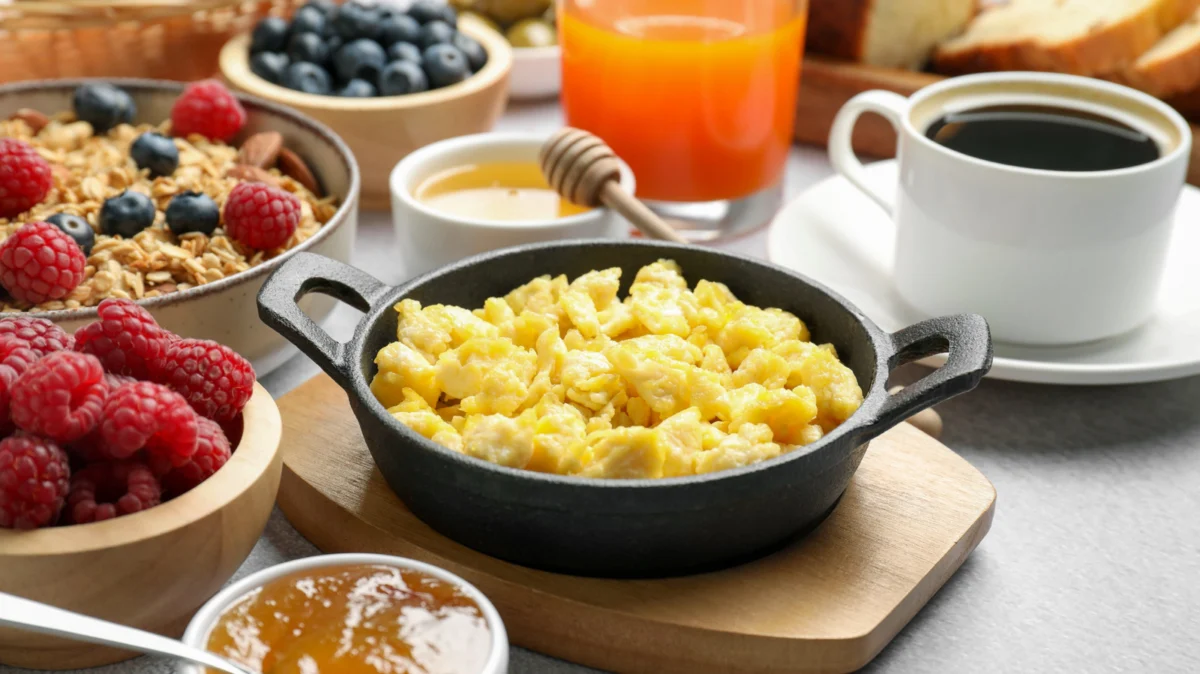
The escalating cost of dining out has made even the simplest breakfast excursions feel like a luxury. In an economic climate where breakfast prices are climbing, achieving a restaurant-quality meal at home without breaking the bank has become a desirable skill for many consumers. While elaborate brunch spreads or hosting guests might require significant planning and expense, elevating a basic breakfast staple like scrambled eggs to a more sophisticated level can be surprisingly achievable with a single, often overlooked ingredient: chives. This humble herb, readily available and affordable, possesses the remarkable ability to transform plain scrambled eggs into a dish that evokes the ambiance and taste of a high-end brunch establishment, often priced at $12 or more on restaurant menus.
The culinary world, particularly in fine-dining establishments, often places a premium on fresh, high-quality ingredients and meticulous preparation techniques. Chefs frequently employ specific garnishes and flavor enhancers to imbue even the most straightforward dishes with a sense of refinement. Chives, a member of the allium family that also includes onions, garlic, and leeks, offer a delicate yet distinct flavor profile that complements a wide array of dishes. Their subtle, slightly oniony taste, far less pungent than their allium relatives, makes them a versatile herb, especially when consumed raw. Visually, chives resemble slender blades of grass and are typically finely sliced into small rounds, serving as an attractive and flavorful garnish. While commonly used to add a fresh contrast to creamy dishes like potatoes topped with crème fraîche or sour cream, their application extends to breakfast, where they can impart a noticeable upgrade to scrambled eggs, imbuing them with a perceived gourmet quality.
The Subtle Power of Chives in Breakfast Cuisine
The transformation of everyday scrambled eggs into a dish that rivals a pricier brunch offering hinges on the nuanced flavor and aromatic qualities of chives. As a professional chef, the pursuit of superior ingredients and techniques is paramount. In high-pressure culinary environments, the demand for excellence is constant, and even seemingly minor details, like the freshness and quality of herbs, can significantly impact the final dish. While the memory of a sous chef’s insistence on "nicer chives" might evoke a sense of professional rigor, outside of such demanding kitchens, chives are a delight to work with for their ease of use and their capacity to elevate simple preparations.
Unlike their more robust allium cousins, chives offer a mild, herbaceous flavor that doesn’t overpower other ingredients. This delicate characteristic is precisely what makes them ideal for scrambled eggs. When incorporated into the egg mixture before cooking, or sprinkled generously over the finished product, chives introduce a bright, fresh note that cuts through the richness of the eggs. This herbaceous counterpoint is a hallmark of many professionally prepared dishes, contributing to a more complex and satisfying flavor profile. The visual appeal of finely chopped chives, their vibrant green against the pale yellow of scrambled eggs, also adds to the perception of a dish prepared with care and attention to detail, further enhancing the restaurant-like experience.
Mastering the Art of Elevated Scrambled Eggs
Beyond the strategic addition of chives, achieving a truly luxurious scrambled egg experience at home involves a few key culinary techniques that are often employed in professional kitchens. The quantity and quality of fat used in cooking, for instance, play a crucial role in the texture and richness of the eggs. Utilizing a generous amount of salted butter not only adds flavor but also contributes to the silken, tender texture that defines high-quality scrambled eggs. This contrasts with the often drier, more rubbery eggs that can result from insufficient fat or improper cooking methods.
The cooking process itself is another area where home cooks can elevate their game. Instead of simply stirring the eggs continuously from the center of the pan, a more refined technique involves starting the cooking process from the outer edges of a non-stick skillet. This method allows the eggs to set gradually, forming delicate curds and resulting in a creamier, more luxurious consistency. This approach, while requiring a slightly different approach to stirring and folding, yields a texture that is far more appealing and reminiscent of restaurant-quality scrambled eggs.
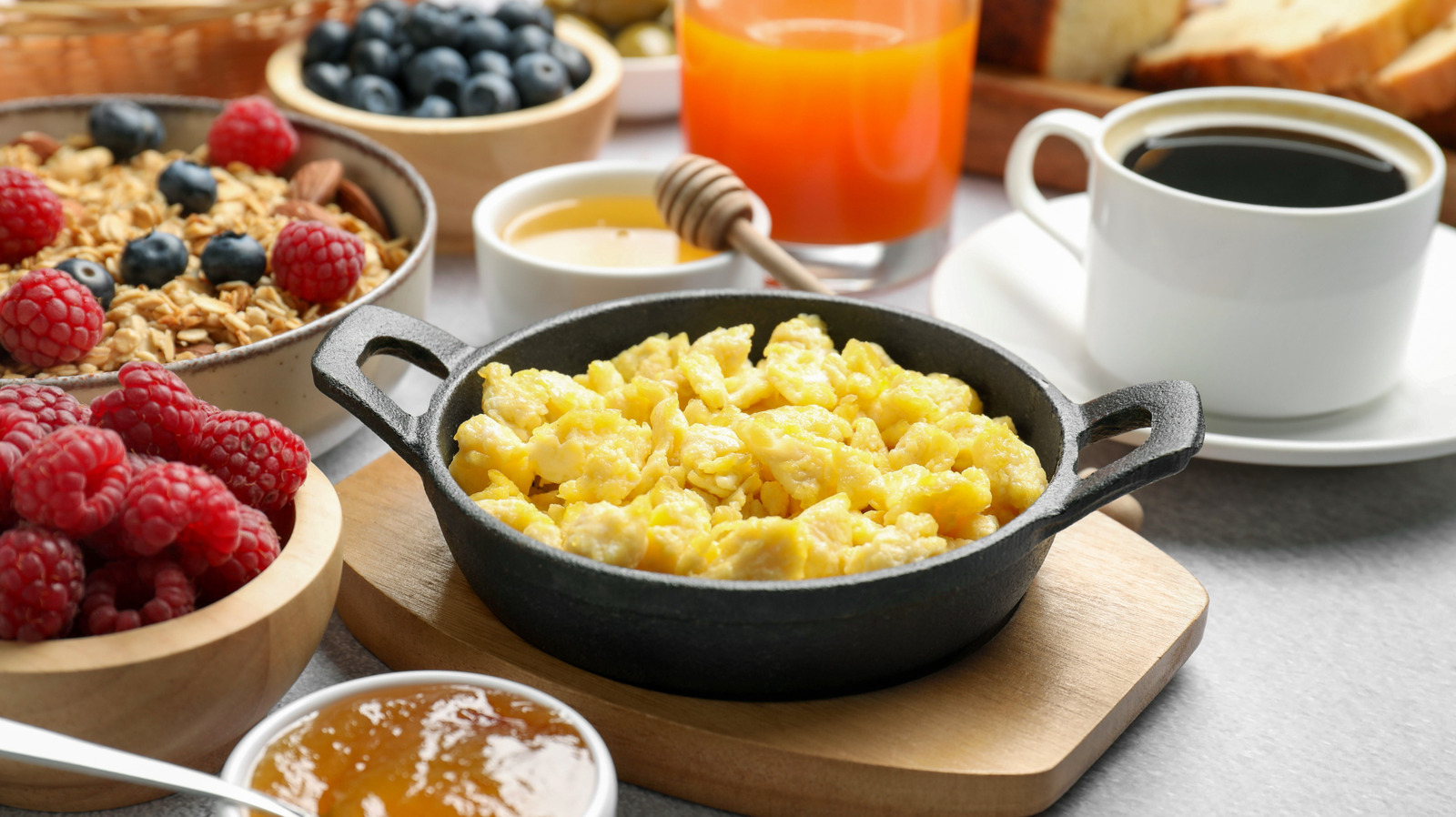
For those seeking to further enhance their breakfast creations, incorporating additional elements can push the perceived value and flavor profile even higher. A dollop of creamy goat cheese, for example, added to scrambled eggs alongside chives, introduces a tangy dimension and a velvety texture that complements the herbaceous notes of the chives and the richness of the eggs. This combination of flavors and textures creates a more complex and decadent dish, fitting for a special occasion or simply a desire for a more indulgent start to the day.
The Broader Context: The Economics of Brunch and Home Cooking Trends
The current economic landscape, marked by persistent inflation, has significantly impacted consumer spending on dining out. According to recent consumer price index data, the cost of food away from home has seen a notable increase over the past year, with a particular upward trend in prices for breakfast and brunch items. This economic pressure has led many consumers to re-evaluate their dining habits, seeking more affordable alternatives and exploring ways to replicate restaurant experiences at home.
This trend is reflected in the growing popularity of at-home culinary content, including recipes and techniques designed to elevate simple dishes. The desire to recreate the ambiance and taste of dining out, without the associated expense, has become a significant driver of interest in home cooking. Ingredients that offer a high impact for a low cost, such as fresh herbs, become particularly valuable in this context. Chives, with their ability to impart a sophisticated flavor and visual appeal at a minimal cost, fit perfectly into this evolving consumer demand.
The concept of "gourmet on a budget" has gained traction, with consumers actively seeking out tips and tricks to make everyday meals feel more special. The idea that a $12 brunch dish can be approximated at home for a fraction of the cost is an attractive proposition. This aligns with a broader shift towards mindful consumption, where consumers are looking for ways to maximize value and enjoyment from their food choices. The humble chive, therefore, represents more than just a culinary ingredient; it symbolizes an accessible pathway to enhanced dining experiences within the confines of a home kitchen.
Historical and Culinary Significance of Chives
Chives have a long and storied history, with evidence of their cultivation and use dating back thousands of years. Originating in Europe and Asia, they were among the earliest herbs to be domesticated. Ancient Romans are known to have used chives for both culinary and medicinal purposes. Their mild flavor made them a popular choice for seasoning, and their perceived health benefits, such as aiding digestion, contributed to their widespread adoption.
Culinary traditions across various cultures have embraced chives. In French cuisine, they are a key component of the classic "fines herbes" blend, a foundational mix of herbs used in numerous dishes, including omelets and sauces. The delicate flavor of chives also lends itself well to Scandinavian and Northern European cooking, where they are often paired with fish, potatoes, and dairy products. Their versatility has ensured their continued relevance in modern gastronomy, from simple home cooking to sophisticated restaurant menus.
The distinction between chives, scallions, and green onions is often a point of confusion for home cooks. While all are members of the allium family, they possess unique characteristics. Scallions, also known as green onions, have a more pronounced onion flavor and a thicker, more bulbous base. Chives, on the other hand, are characterized by their slender, hollow stems and a much milder, sweeter onion taste. This subtle difference is crucial for achieving the desired flavor profile when aiming for a delicate, restaurant-style dish.
Expert Insights and Culinary Trends
Chefs and food critics have long recognized the power of fresh herbs to elevate simple ingredients. "The key to making any dish feel special often lies in the freshness and quality of the garnishes," notes food writer Anya Sharma, author of "The Modern Pantry." "Chives, with their bright flavor and elegant appearance, are a perfect example of an ingredient that can punch well above its weight, transforming the ordinary into something extraordinary."
The trend towards incorporating more fresh, vibrant flavors into everyday cooking continues to gain momentum. As consumers become more adventurous in their home kitchens, they are increasingly seeking out ingredients that offer both flavor and visual appeal. Chives, with their inherent qualities, meet these demands effectively. The accessibility of these herbs, often available year-round in grocery stores and farmers’ markets, further contributes to their appeal.
The practice of "finishing" dishes with fresh herbs, a common technique in professional kitchens, is one that home cooks can readily adopt. This involves adding the herb at the very end of the cooking process, or even after plating, to preserve its fresh flavor and aroma. For scrambled eggs, this means either whisking finely chopped chives into the raw mixture or, more commonly, sprinkling them over the cooked eggs just before serving. This simple act can make a significant difference in the overall taste and presentation.
The Future of Affordable Gourmet Experiences at Home
As economic conditions continue to influence consumer behavior, the demand for practical, cost-effective ways to enjoy high-quality food experiences at home is likely to persist. Ingredients like chives, which offer a substantial culinary upgrade at a minimal cost, will continue to be valuable assets in the home cook’s repertoire. The ability to recreate the essence of a $12 brunch dish with a few simple additions and techniques empowers consumers to enjoy more sophisticated meals without compromising their budgets.
The culinary landscape is constantly evolving, driven by consumer preferences, economic realities, and innovative cooking practices. The humble chive, with its understated elegance and potent flavor, stands as a testament to the fact that gourmet experiences are not solely confined to expensive restaurant settings. By understanding and employing such versatile ingredients and techniques, home cooks can consistently elevate their everyday meals, transforming simple dishes into moments of culinary delight. The journey from a basic breakfast to a restaurant-worthy experience, it appears, can be as simple as reaching for a bunch of fresh chives.
