
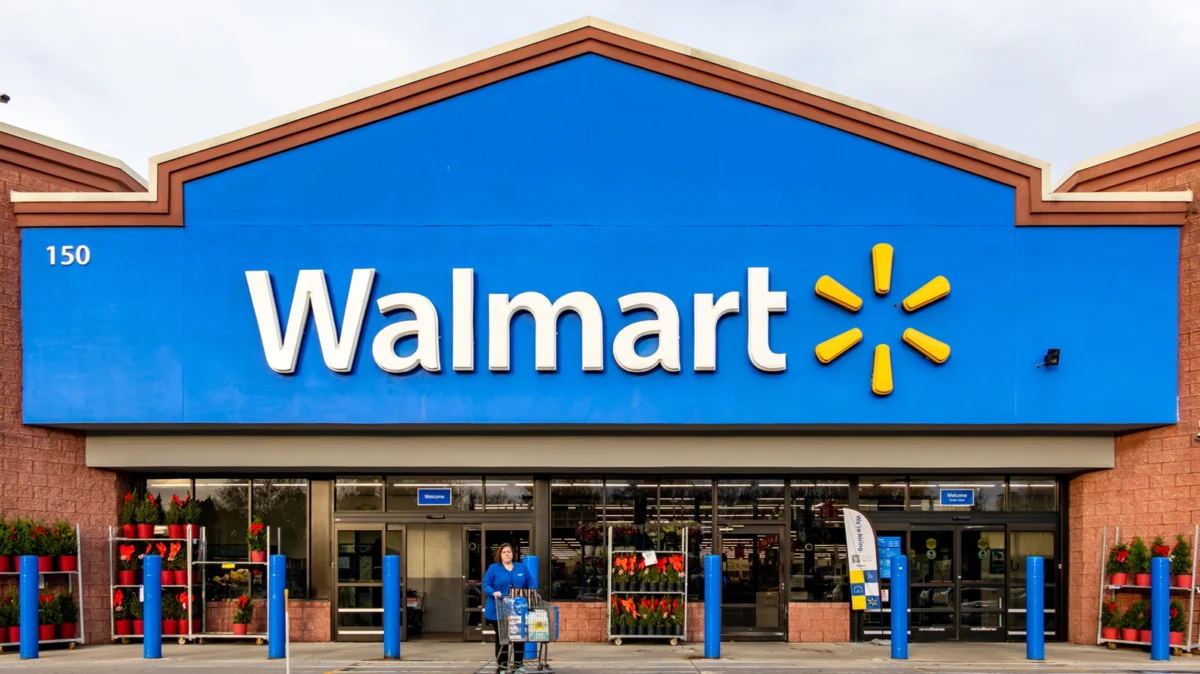
Walmart’s strategic evolution into a retail and dining destination has seen a significant expansion of its in-store food offerings, a trend that has brought popular fast-food chains directly to shoppers. For decades, Walmart has recognized the synergistic potential of co-locating food service providers within its vast retail footprint, a strategy that began in 1994 with an initial partnership with McDonald’s. This pioneering move laid the groundwork for a diverse array of culinary options to become accessible to Walmart customers, transforming the shopping experience from a purely transactional one to a more encompassing lifestyle destination. Over the years, this initiative has welcomed a variety of fast-food establishments, including Burger King, Subway, and even the French-inspired La Madeleine French Bakery & Cafe, each contributing to the evolving landscape of convenience dining.
However, the retail giant’s relationship with certain fast-food giants has undergone considerable shifts. A notable change occurred in 2020 when McDonald’s began a significant contraction of its presence within Walmart stores, closing over 100 locations. By 2021, the iconic burger chain announced that its presence would be limited to approximately 150 remaining outlets across the U.S. This strategic retrenchment by McDonald’s created a void, which Walmart has proactively sought to fill with new and established food service partners. Among these new alliances, one of the most significant is the burgeoning relationship with Taco Bell, a titan in the Mexican-inspired fast-food industry.
The initial foray of Taco Bell into Walmart stores commenced with testing in-store locations in 2021. While both companies have maintained a degree of discretion regarding the formal announcement of an expansive, nationwide partnership, the presence of Taco Bell outlets within select Walmart supercenters has become a discernible reality. Currently, verified locations featuring in-store Taco Bell restaurants are situated in Calexico, California; Buena Park, California; and Siler City, North Carolina, among a handful of other verified sites. This deliberate, measured rollout suggests a strategic approach to integration and market testing before a broader national deployment.
Further underscoring Walmart’s commitment to enhancing its in-store dining options, the retail behemoth unveiled a significant store remodel and expansion initiative. On April 16, 2026, Walmart announced plans to renovate over 650 existing stores and to inaugurate 20 new store locations throughout 2026 and 2027. This ambitious development pipeline includes a substantial conversion of more than 150 stores into "Next Generation Supercenters." These advanced retail environments are slated to feature enhanced culinary amenities, such as on-site sushi stations and expanded Dunkin’ Donuts offerings, signaling a broader trend towards diversifying and elevating the in-store food service experience. It is within this context of strategic expansion and diversification that the potential for a more widespread presence of Taco Bell within Walmart stores gains considerable traction.
The Genesis of a Collaborative Venture: From Retail Shelves to In-Store Dining
The partnership between Walmart and Taco Bell extends beyond the physical presence of in-store restaurants, encompassing a multifaceted collaboration that began with product availability on retail shelves. Walmart holds the distinction of being the first retail establishment to offer Taco Bell’s innovative "Cravings Kits." This initial foray into product distribution set the stage for deeper integration between the two brands.
In 2024, Taco Bell launched its new Cravings Value Menu, a strategic move to introduce 10 new affordable menu items. Coinciding with this menu refresh, Taco Bell introduced two distinct Cravings Kits, which were made available for purchase through the company’s website and, critically, within Walmart stores. These kits, including the Crunchwrap Supreme and Chipotle Chicken Quesadilla, were designed to empower consumers to recreate popular Taco Bell menu items in the comfort of their own homes, mirroring the convenience of a drive-thru experience. The success of these initial offerings led to an expansion of the Cravings Kit line. The product range now includes the Queso Burrito and Crunchy Taco kits, further broadening the at-home Taco Bell culinary experience. These expanded Cravings Kits are readily available at Walmart, both in physical stores and through its online platform, as well as at a selection of other grocery retailers across the United States and Canada.
This retail distribution strategy has been in place for approximately eight years, during which Walmart has consistently carried a variety of other Taco Bell branded products. This includes a comprehensive range of pantry staples and meal components, such as fajita and taco seasoning mixes, hot sauces, salsas, queso dips, spicy bean dips, and taco shells. These items are available to consumers through both in-store purchases and Walmart’s convenient home delivery service. The widespread availability of these products has fostered a strong consumer connection with the Taco Bell brand within the Walmart ecosystem. Indeed, some consumer feedback suggests innovative ways to enhance even the most basic frozen meal offerings with Taco Bell condiments, highlighting the brand’s pervasive influence on affordable, quick meal solutions. For instance, customer recommendations have pointed to the synergistic use of a 58-cent frozen burrito available at Walmart, enhanced by Taco Bell’s signature hot sauce, to create an exceptionally budget-friendly approximation of a fast-food burrito.
A Timeline of In-Store Food Service at Walmart
Walmart’s strategy of integrating fast-food outlets into its stores represents a long-term commitment to enhancing the customer experience and diversifying revenue streams. The timeline of these partnerships reveals a consistent effort to adapt to consumer preferences and market trends.
- 1994: Walmart initiates its in-store food service strategy by partnering with McDonald’s, establishing restaurant locations at the front of select retail stores across the United States. This marked a significant departure from traditional retail, introducing a new dimension of convenience and ancillary services.
- Late 1990s – Early 2000s: Following the success of the McDonald’s partnership, Walmart expands its fast-food offerings, entering into agreements with other prominent chains such as Burger King and Subway. This period saw a diversification of quick-service dining options within Walmart stores, catering to a broader range of customer tastes.
- Mid-2000s: The retail giant continues to experiment with different food concepts, including partnerships with establishments like La Madeleine French Bakery & Cafe, demonstrating a willingness to explore various culinary niches beyond traditional fast food.
- 2020: A significant shift occurs in Walmart’s relationship with McDonald’s. The fast-food giant begins to scale back its in-store presence, initiating the closure of over 100 locations within Walmart stores. This marks a turning point in the long-standing partnership.
- 2021: McDonald’s confirms its reduced footprint within Walmart, announcing that only approximately 150 restaurants would remain operational. This decision creates an opportunity for Walmart to forge new alliances and reconfigure its in-store food service landscape. Concurrently, Walmart begins testing in-store Taco Bell restaurants, signaling a new strategic direction.
- 2021 – Present: Walmart actively seeks to fill the spaces vacated by McDonald’s and other departing vendors, solidifying partnerships with a variety of new food service providers. The collaboration with Taco Bell deepens, extending beyond in-store dining to include retail product distribution.
- 2024: Taco Bell launches its new Cravings Value Menu and introduces Cravings Kits, which are made available through Walmart’s retail channels, both in-store and online. This represents a significant expansion of the Taco Bell brand’s accessibility within the Walmart ecosystem.
- April 16, 2026 (Announcement): Walmart announces a comprehensive plan to remodel over 650 stores and open 20 new locations throughout 2026 and 2027. This initiative includes the conversion of more than 150 stores into "Next Generation Supercenters," featuring enhanced dining options like sushi stations and Dunkin’ Donuts. This strategic expansion is anticipated to create further opportunities for an increased presence of brands like Taco Bell.
- 2025 Onwards: As part of the Next Generation Supercenter initiative, Walmart begins the conversion process, signaling a continued evolution of its retail and dining integration. This phase is expected to influence the potential for broader Taco Bell expansion within the Walmart network.
Data-Driven Integration: The Economic and Consumer Impact
The strategic placement of fast-food outlets within Walmart stores is not merely a matter of convenience; it is a carefully calculated business decision with significant economic implications. Walmart, as the world’s largest retailer by revenue, possesses an unparalleled ability to drive foot traffic and consumer engagement for its partners. For fast-food chains, this offers access to a vast and diverse customer base that might otherwise be inaccessible or require substantial investment in standalone locations.
Foot Traffic and Sales Synergy: Data suggests that the presence of food service providers can significantly increase dwell time within stores, leading to higher overall spending. While specific figures for Walmart’s in-store fast-food partnerships are proprietary, industry analyses consistently show that co-located food options can boost general merchandise sales by an average of 5-10%. For a retailer of Walmart’s scale, this incremental increase translates into substantial revenue gains.
Demographic Reach: Walmart’s customer base spans a broad demographic spectrum, often including value-conscious shoppers who are also frequent patrons of fast-food establishments. This alignment in consumer profiles creates a natural synergy, making the integration of brands like Taco Bell particularly effective. Taco Bell’s appeal to a younger demographic and its reputation for affordability complement Walmart’s core customer base.
Brand Diversification and Revenue Streams: For Walmart, the leasing of space to fast-food chains provides a consistent revenue stream through rental income and potentially through profit-sharing agreements. More importantly, it enhances the overall shopping experience, transforming a routine errand into a more convenient and potentially enjoyable outing. This diversification is crucial in an increasingly competitive retail landscape where customer experience is a key differentiator.
Market Penetration for Fast Food Chains: For Taco Bell, the Walmart partnership offers a strategic avenue for market penetration and brand visibility. In 2023, Taco Bell reported over 8,200 locations worldwide. Expanding within Walmart stores allows for a more efficient and cost-effective expansion, particularly in areas where standalone restaurant development might be less feasible or profitable. The availability of Taco Bell’s Cravings Kits and branded products on Walmart shelves further solidifies brand presence and drives trial and repeat purchases.
Analysis of Implications: A Shifting Retail Landscape
The ongoing evolution of Walmart’s in-store food service strategy, particularly its deepening ties with Taco Bell, reflects broader trends shaping the retail and food service industries.
The Rise of the "Retailtainment" Concept: Walmart’s approach is emblematic of the "retailtainment" phenomenon, where retailers seek to create engaging and experiential environments that go beyond mere product transactions. By integrating dining, entertainment, and other services, Walmart aims to capture a larger share of consumers’ time and disposable income. The success of this strategy hinges on its ability to offer a one-stop shop for a multitude of consumer needs.
Convenience as a Key Differentiator: In an era where time is a precious commodity, the convenience offered by integrated retail and dining experiences is paramount. Shoppers can fulfill their grocery needs, pick up household essentials, and grab a meal or snack, all within a single, accessible location. This convenience factor is particularly attractive to busy families and individuals seeking to optimize their errands.
Strategic Partnerships and Brand Synergies: The Walmart-Taco Bell collaboration is a prime example of strategic brand synergy. Both companies benefit from the association: Walmart enhances its appeal and customer draw, while Taco Bell gains access to a massive customer base and a robust distribution network. This model of co-branding and co-location is likely to become more prevalent as retailers and food service providers seek innovative ways to grow and adapt.
Future Outlook: The planned expansion and remodeling of Walmart stores, including the introduction of "Next Generation Supercenters," suggests a continued commitment to this integrated model. As Walmart refines its offerings and explores new partnerships, the presence of established and emerging food brands within its stores is expected to grow. The success of Taco Bell’s current in-store presence and its robust retail product sales indicates a strong potential for a more widespread rollout, further solidifying Walmart’s position as a multifaceted consumer destination. The retail landscape is continuously adapting, and Walmart’s strategic embrace of diverse in-store services, exemplified by its evolving relationship with Taco Bell, positions it at the forefront of this transformation.
