
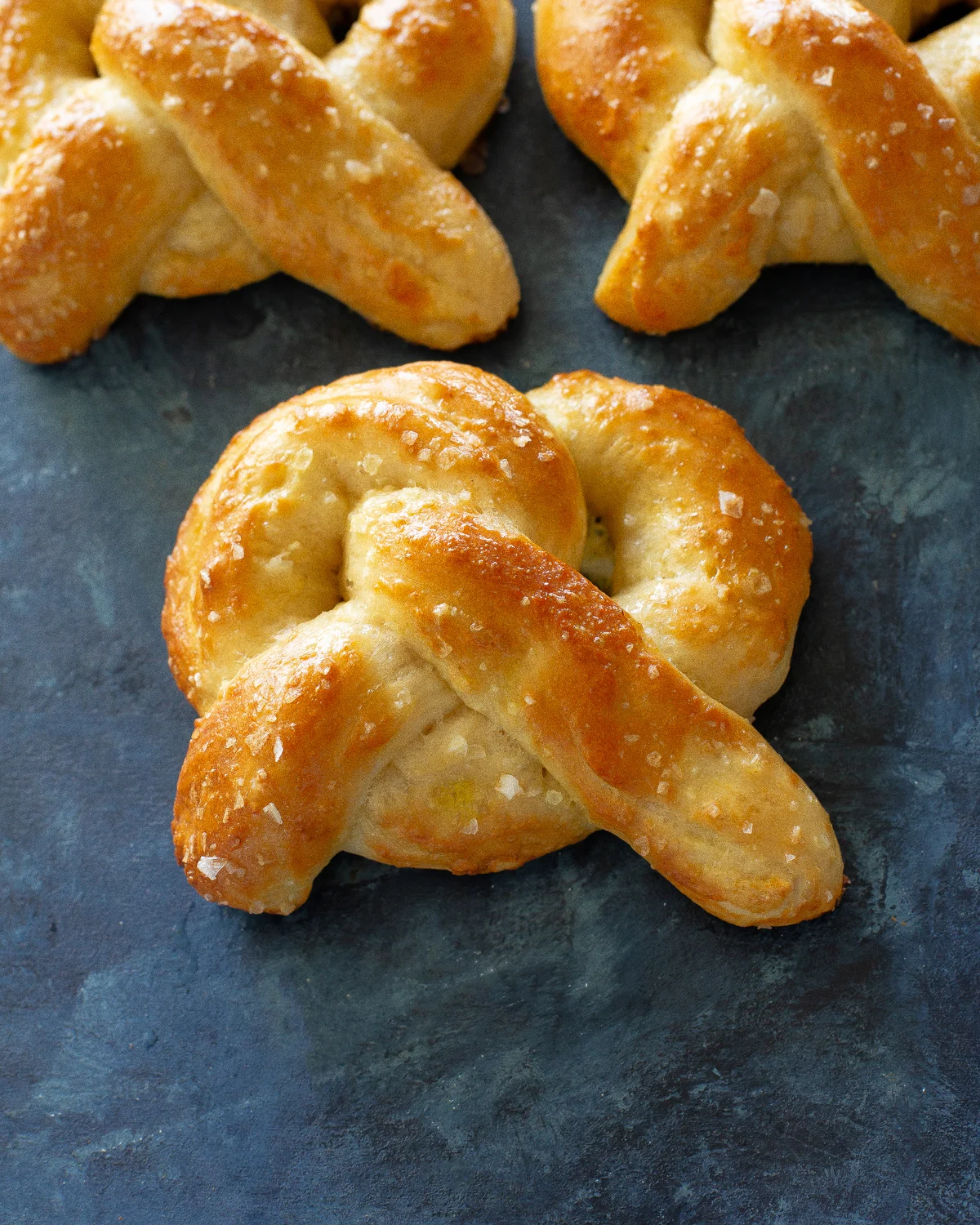
The allure of a warm, perfectly salted soft pretzel, with its golden-brown exterior and delightfully chewy interior, is a near-universal delight. For many, this nostalgic treat is synonymous with bustling mall food courts and iconic pretzel chains. However, a recent exploration into the art of homemade pretzel-making reveals that achieving this beloved texture and flavor profile at home is not only possible but, according to culinary enthusiasts, potentially superior to its commercial counterparts. This deep dive into the creation of soft pretzels unpacks the science, technique, and dedication behind achieving that quintessential chew.
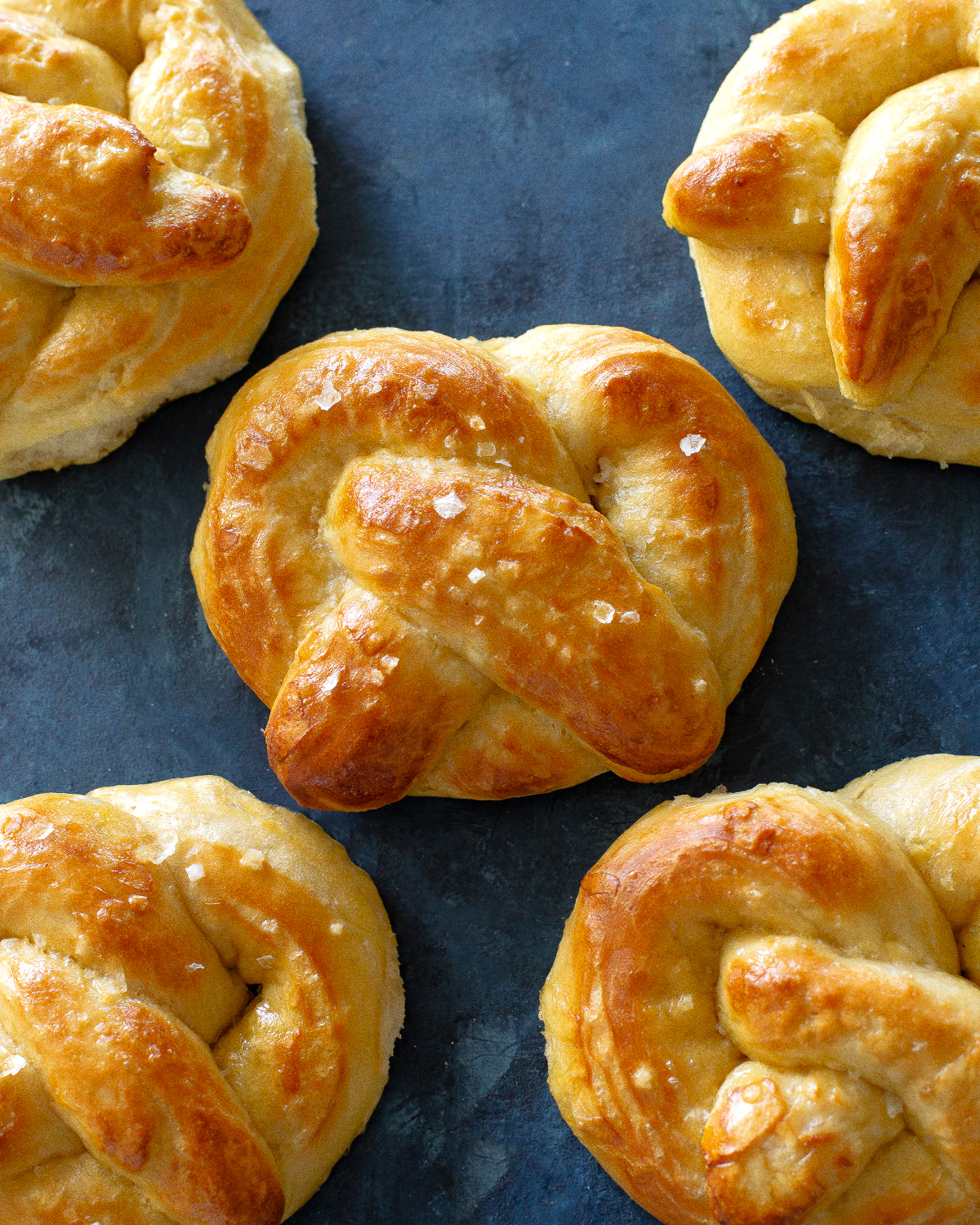
The journey to crafting the ultimate homemade soft pretzel is often described as a passionate pursuit, involving numerous iterations and meticulous attention to detail. One such culinary explorer, who dedicated significant effort to perfecting a soft pretzel recipe, shared their experience of creating "about 100 versions." This extensive testing phase underscores the complexity involved in balancing yeast activity, dough consistency, and the crucial baking soda bath that defines a pretzel’s signature chew. The ultimate goal: to replicate and, in some opinions, surpass the quality of well-known mall pretzels, all within the comfort of one’s own kitchen.
The Science Behind the Chew: Unpacking Pretzel Perfection
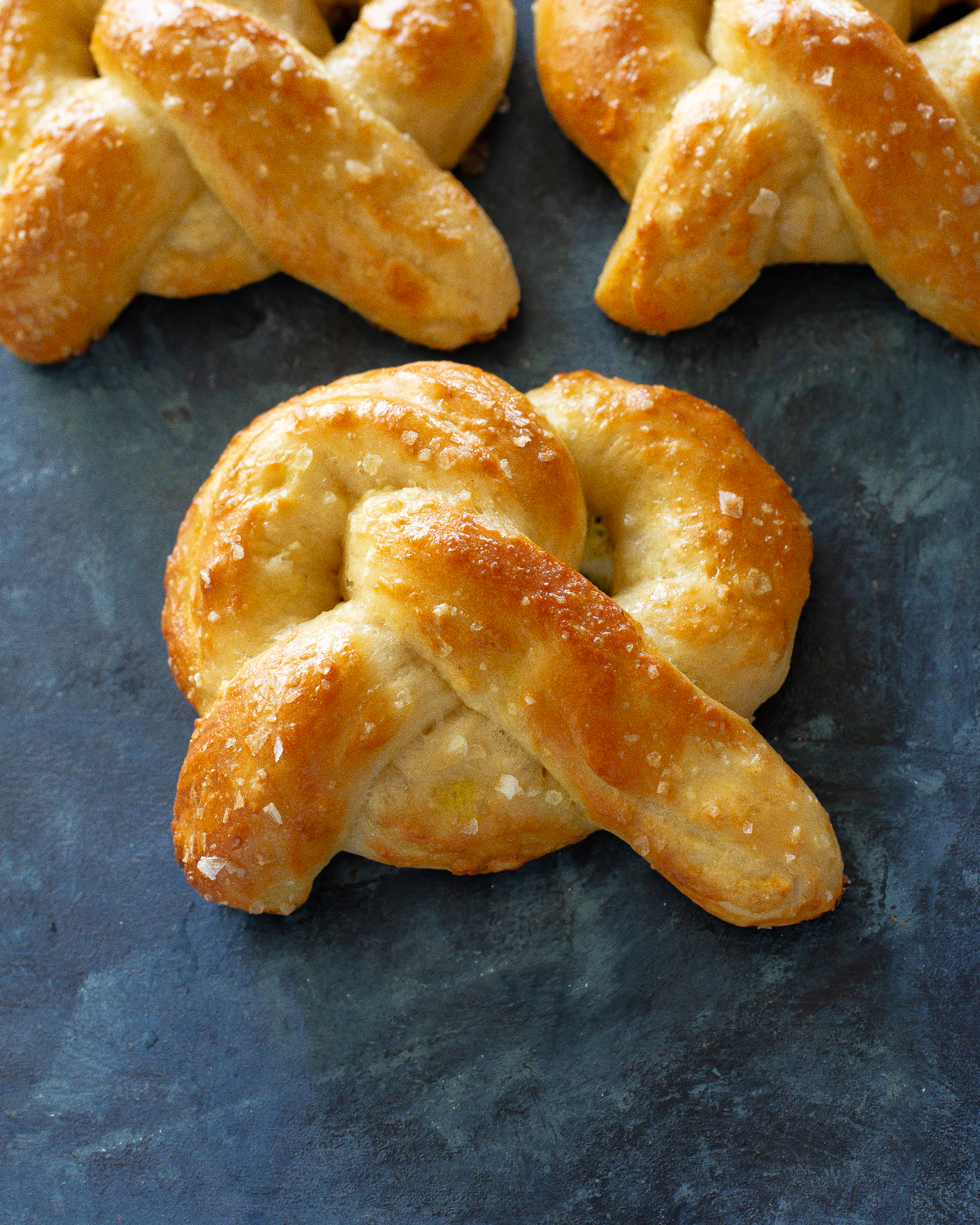
At the heart of a truly exceptional soft pretzel lies a specific chemical reaction. The characteristic chewiness and glossy, brown crust are not accidental but the result of a carefully orchestrated process involving baking soda. While many recipes call for basic pantry staples, the secret to that distinctive texture is the alkaline bath. This immersion in a baking soda solution before baking is paramount.
According to culinary science, when dough is exposed to an alkaline environment, it undergoes a process called the Maillard reaction at a lower temperature than usual. This reaction is responsible for browning and developing complex flavors. The baking soda bath essentially pre-cooks the exterior of the pretzel dough, gelatinizing the starches and sugars. This creates a barrier that traps moisture within the pretzel, contributing to its signature chewy interior and preventing it from becoming dry or crumbly. The duration of this bath is critical; a quick dip might not be sufficient, while an overly long immersion could result in a pretzel that is too soft or has an undesirable texture. The consensus from dedicated home bakers suggests a window of 15 to 30 seconds per pretzel in a hot baking soda solution is optimal for achieving the desired chewy experience.
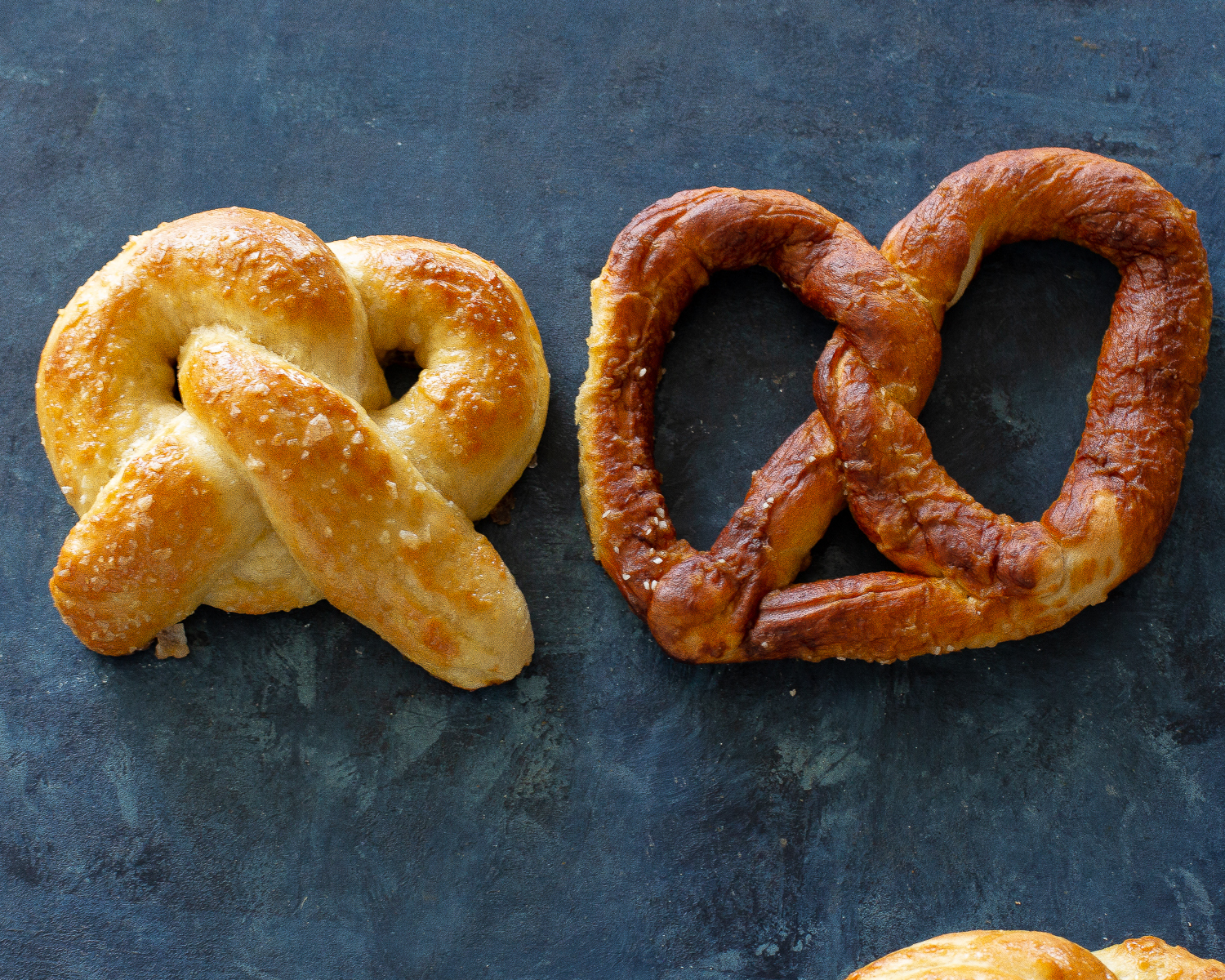
Beyond the alkaline bath, the type of flour used can also play a role. While some hypothesize that bread flour, with its higher protein content, leads to a chewier result, extensive testing by some has indicated that the baking soda treatment is the more significant factor. All-purpose flour, readily available in most kitchens, can yield excellent results when combined with the proper technique.
The Homemade Advantage: Convenience and Customization

The appeal of making soft pretzels at home extends beyond mere taste. It offers a level of convenience and customization that commercial establishments cannot match. The ability to prepare these treats in pajamas, as one enthusiast humorously noted, highlights the personal satisfaction derived from home baking. Furthermore, homemade pretzels allow for complete control over ingredients, from the type of salt used to the richness of the butter, and even the intensity of the baking soda bath.
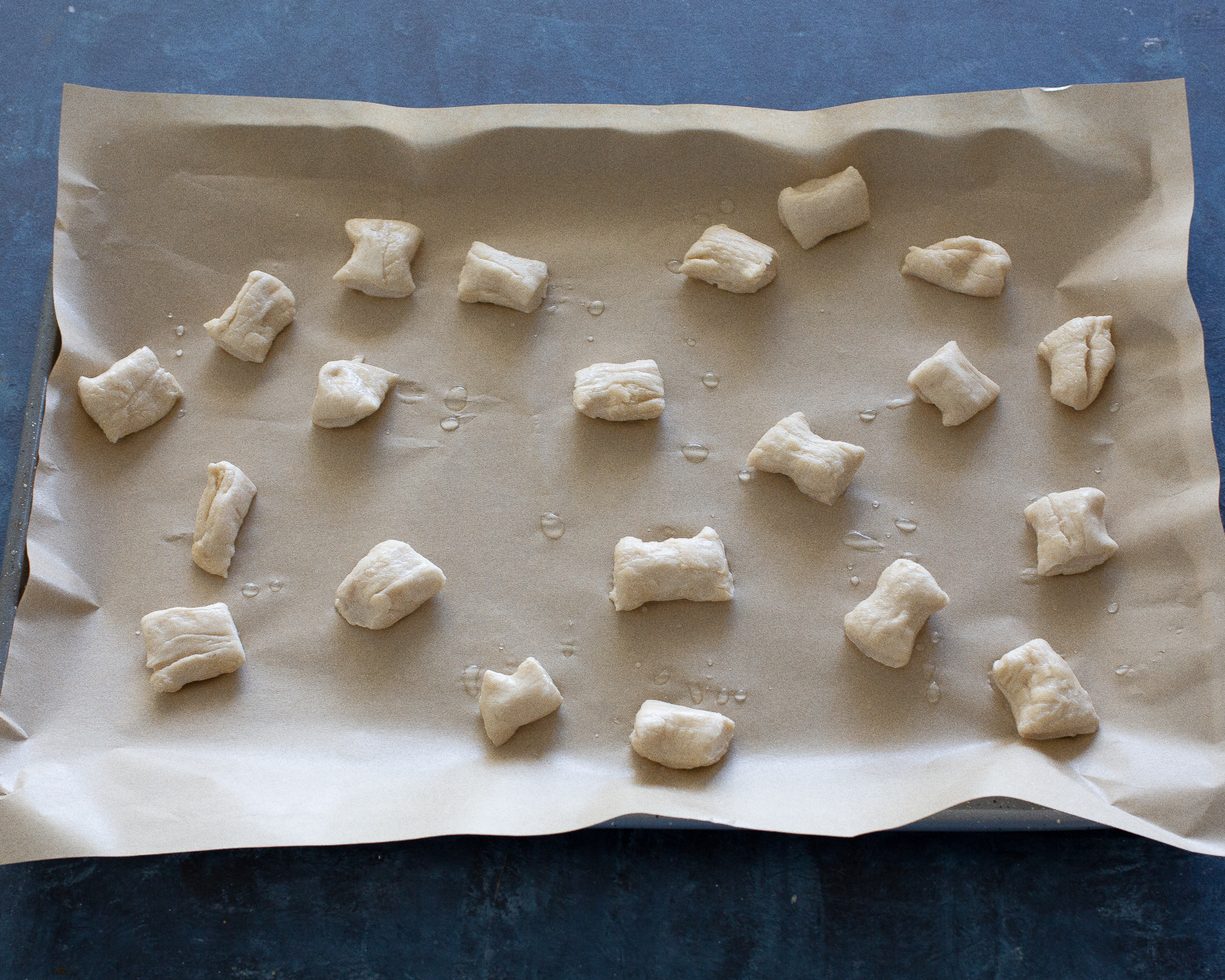
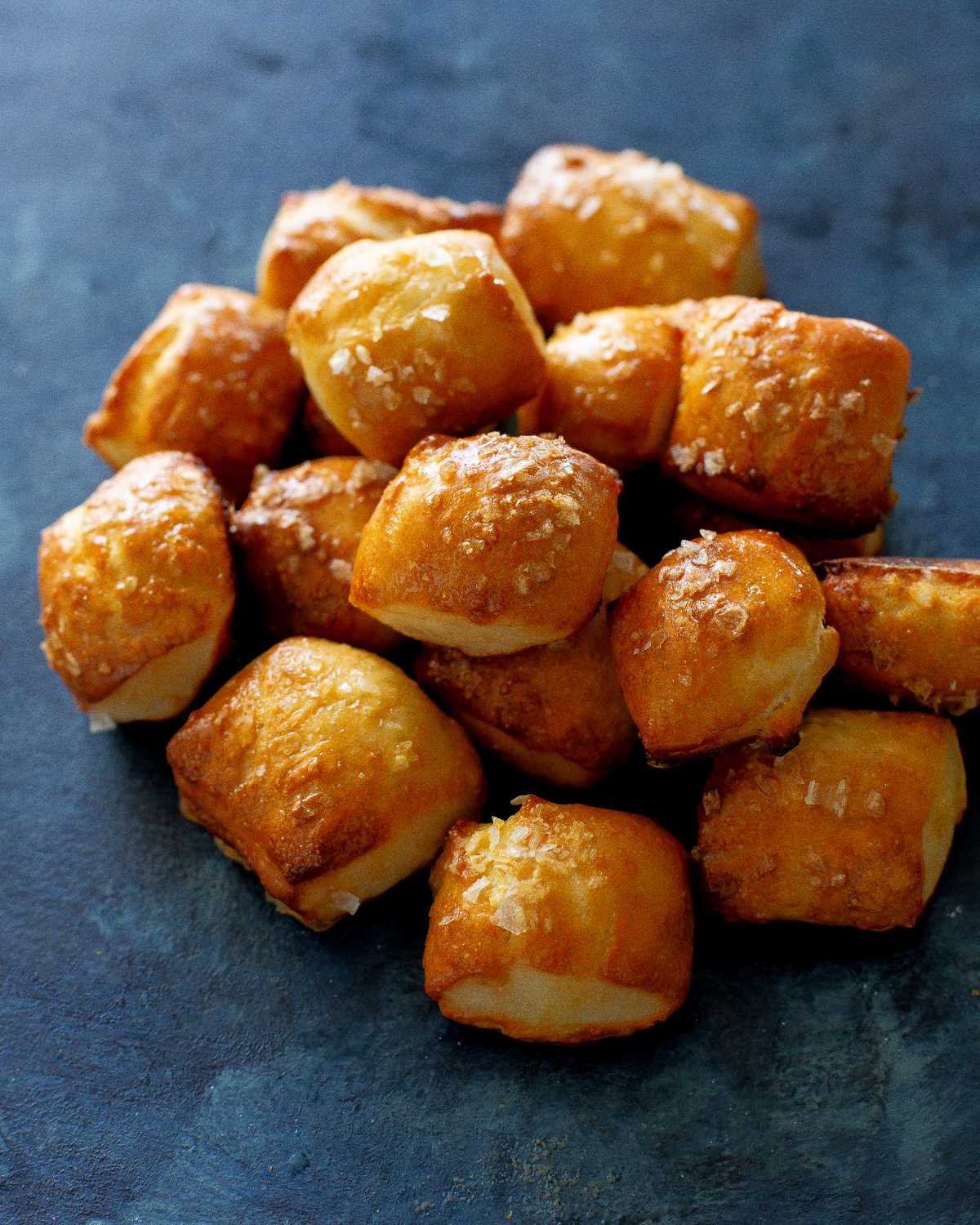
This control also extends to shaping. While the classic pretzel knot is iconic, home bakers can experiment with various forms, including pretzel bites, twists, or even simple blobs. The inherent deliciousness, it’s argued, remains consistent regardless of the aesthetic. This flexibility makes homemade pretzels an accessible and enjoyable project for bakers of all skill levels.
A Step-by-Step Guide to Crafting Homemade Soft Pretzels
The process of creating soft pretzels can be broken down into distinct, manageable steps, transforming simple ingredients into a gourmet snack.
Step 1: Preparing the Dough
The foundation of any good pretzel is a well-made dough. This typically begins with activating yeast by mixing it with warm water and a touch of sugar. Allowing this mixture to sit until it becomes foamy is a crucial indicator that the yeast is alive and ready to work its magic. Following this, melted butter, salt, and flour are incorporated. The dough is then kneaded until it achieves a smooth, elastic consistency. For those with a stand mixer, this process is streamlined. For others, kneading by hand offers a satisfying, albeit more physically demanding, workout.
Step 2: The Crucial Rise
Once the dough is prepared, it needs to rise. This is typically achieved by covering the dough and allowing it to rest in a warm place for approximately 30 to 45 minutes. It is important not to over-proof the dough, as this can lead to a pretzel that is too bready rather than chewy. The goal is a gentle expansion, not a doubling in size.
Step 3: Shaping the Pretzels
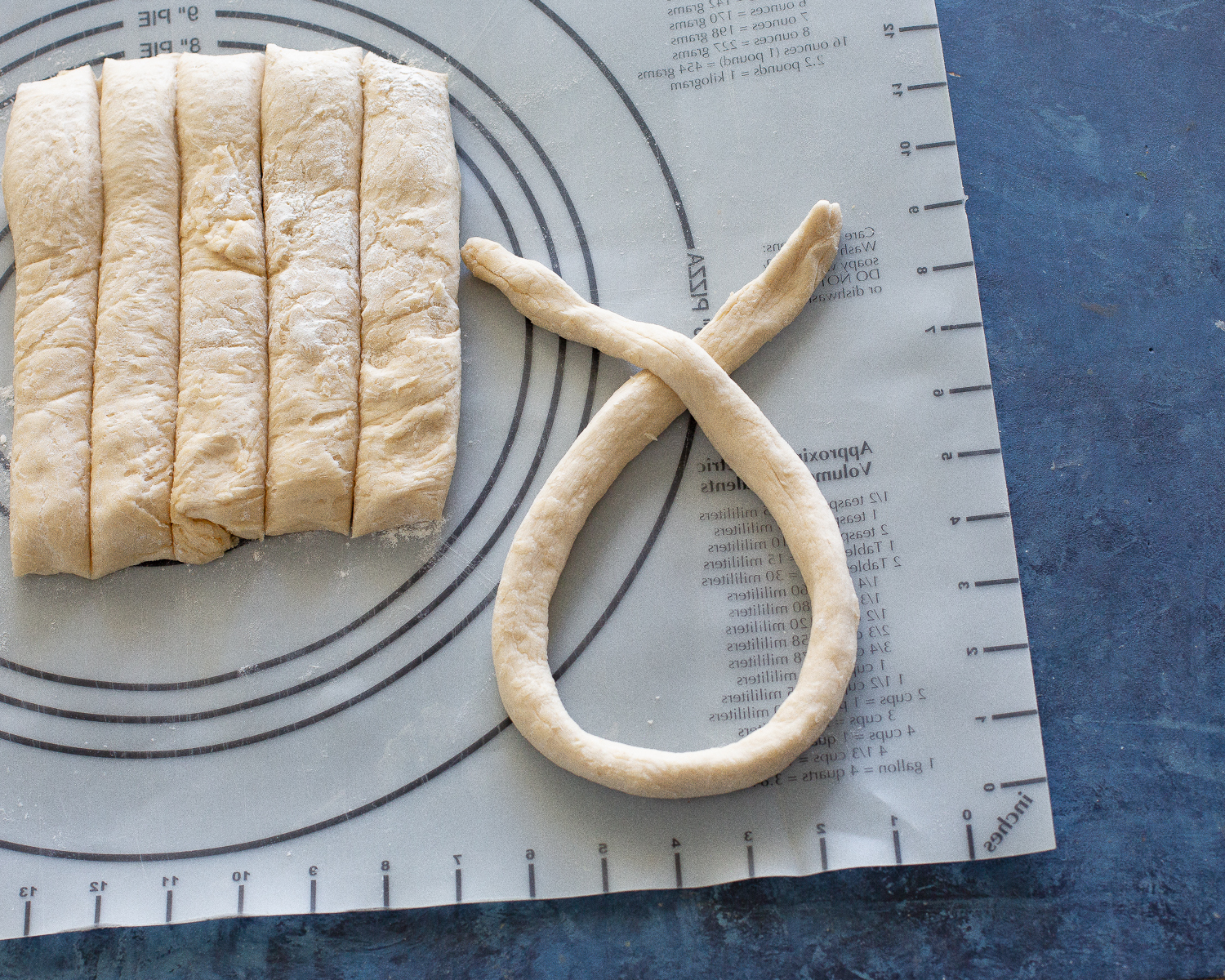
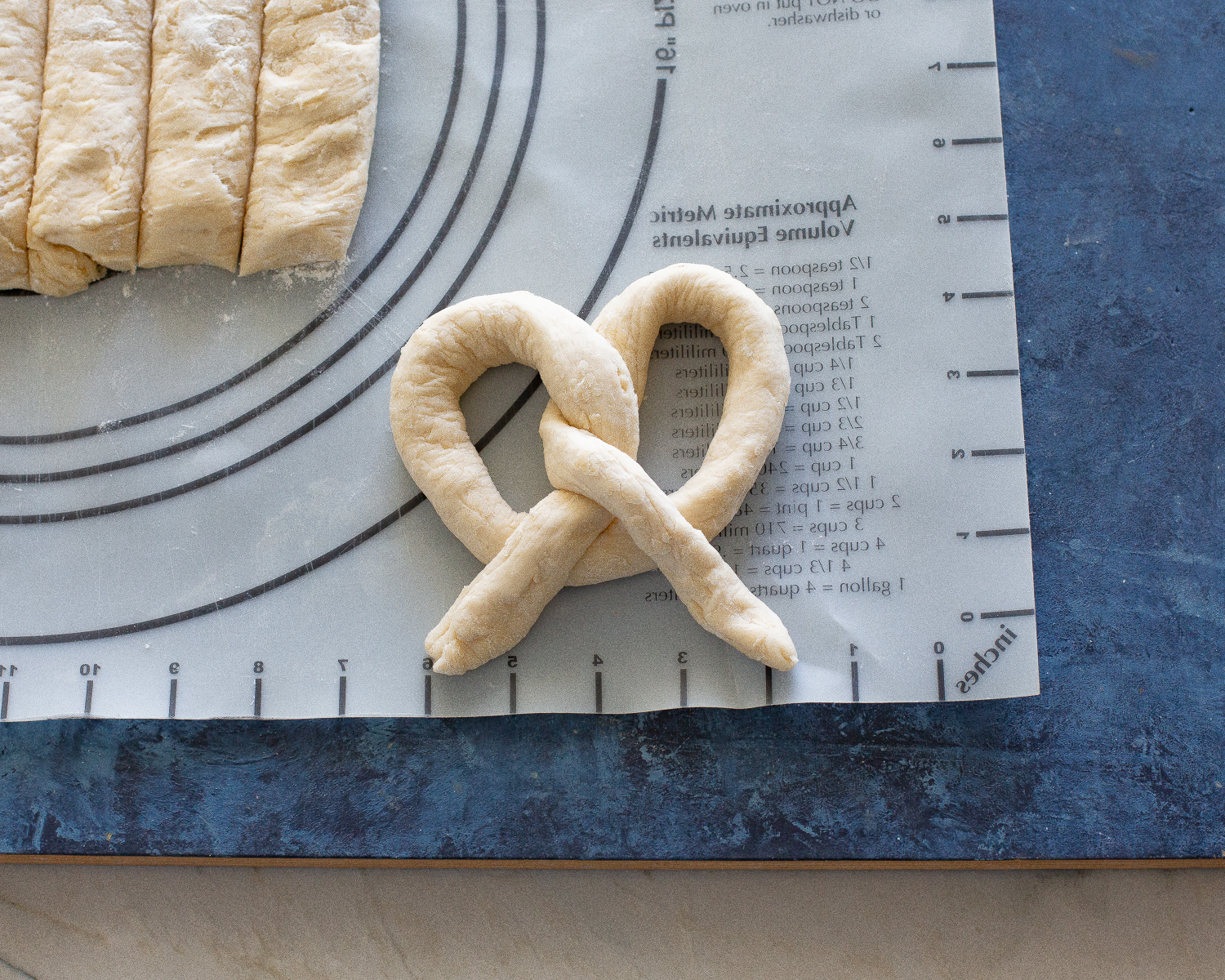
After the initial rise, the dough is divided into portions and rolled into ropes. These ropes are then twisted into the classic pretzel shape, or any desired form. This stage is where creativity can take center stage, with possibilities ranging from traditional knots to fun, bite-sized pieces.
Step 4: The Alkaline Bath
This is arguably the most critical step for achieving the signature pretzel texture. Each shaped pretzel is briefly submerged in a hot baking soda solution. The duration, as mentioned, is key – typically 15 to 30 seconds. After this bath, the pretzels are usually allowed to rest for another 15 minutes, which helps them firm up slightly before baking.
Step 5: Baking to Golden Perfection
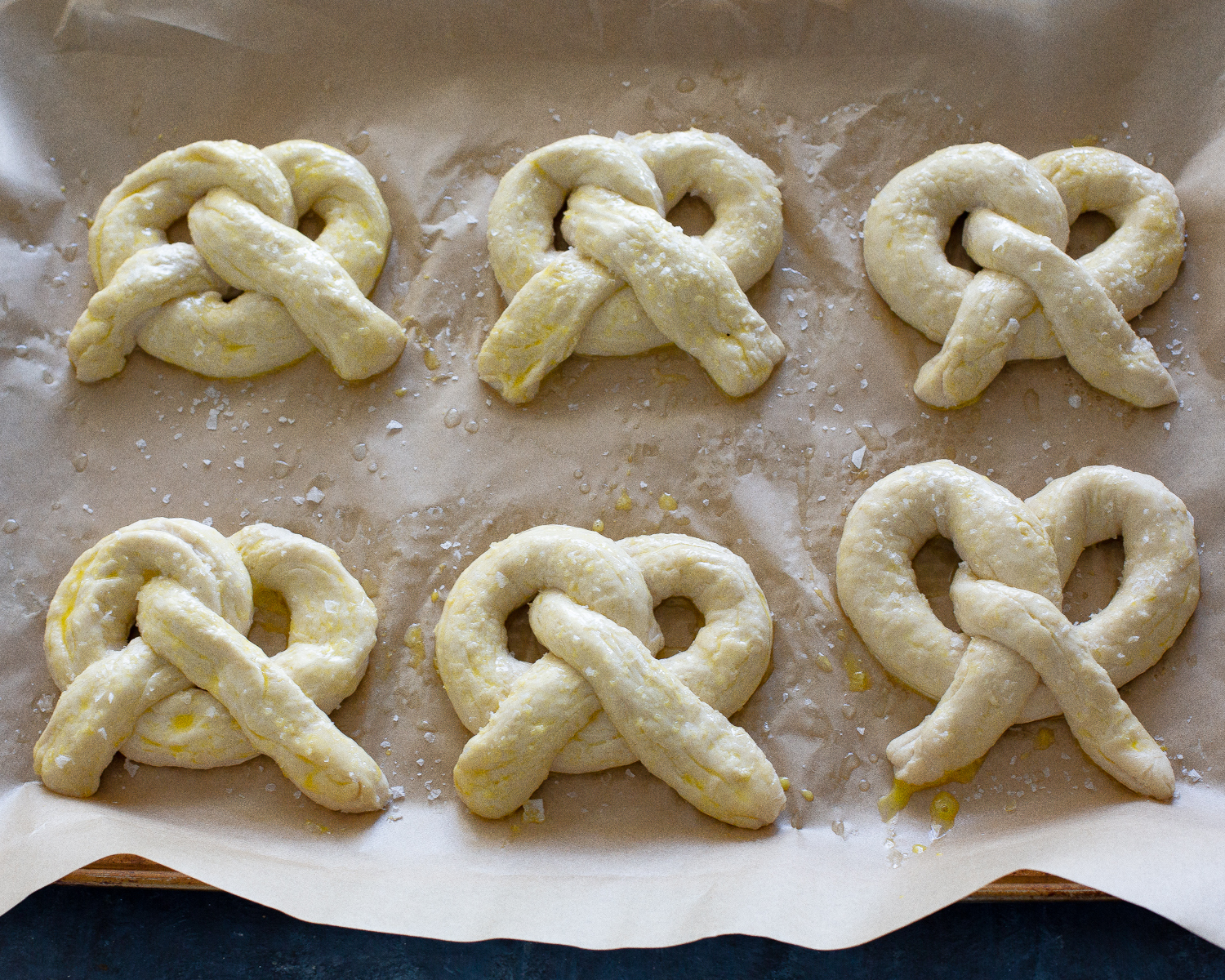
The final stage involves baking the pretzels until they are beautifully golden brown. Before they enter the oven, they are often brushed with an egg wash to enhance browning and then generously sprinkled with coarse salt. Some recipes suggest brushing with melted butter after baking for an extra layer of richness, a method that can offer a distinct advantage over some commercial approaches where pretzels might be dipped. The aroma filling the kitchen during this phase is a testament to the success of the endeavor, though resisting the urge to devour them immediately can be a challenge.
Beyond the Pretzel: Dipping Sauces and Variations
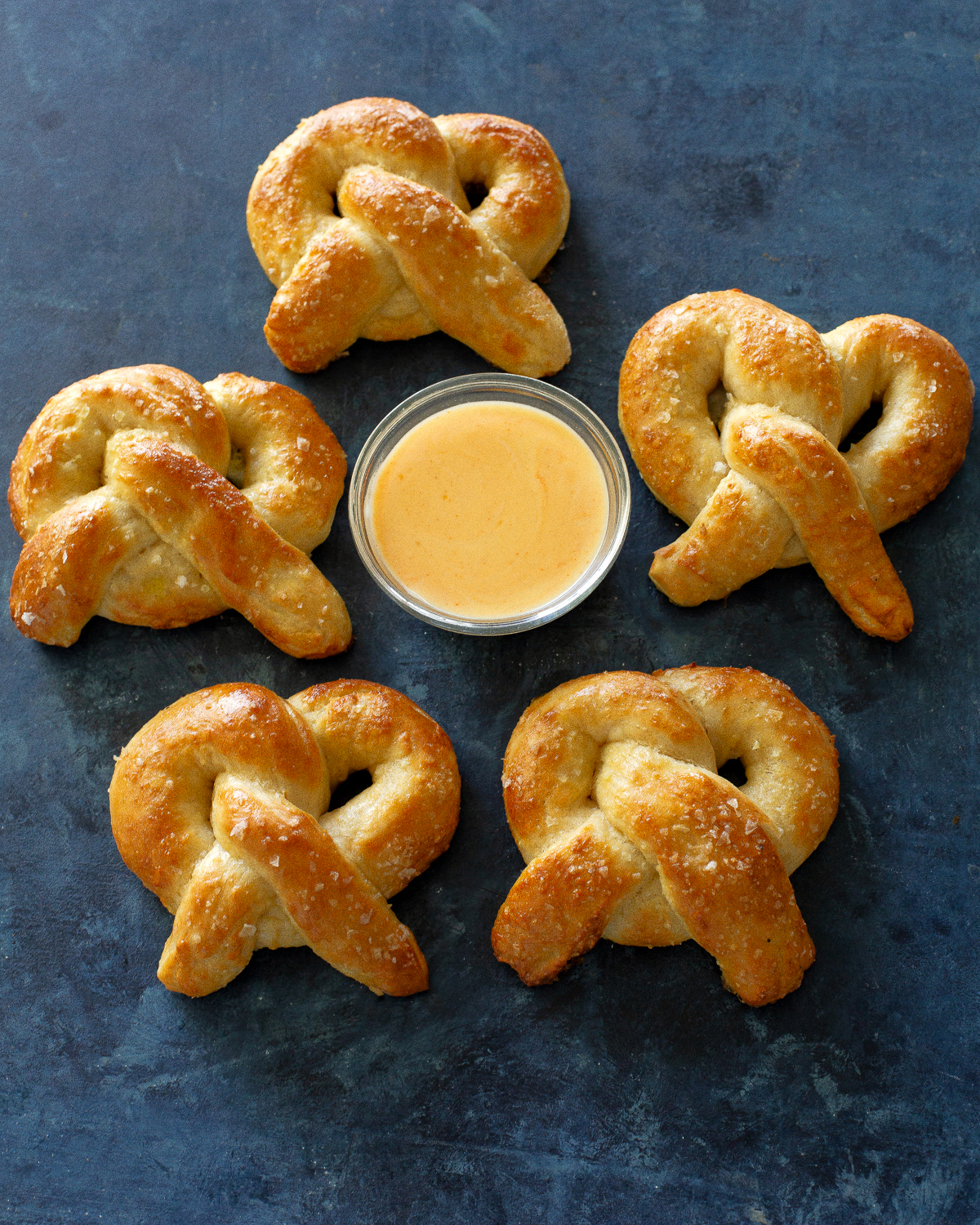
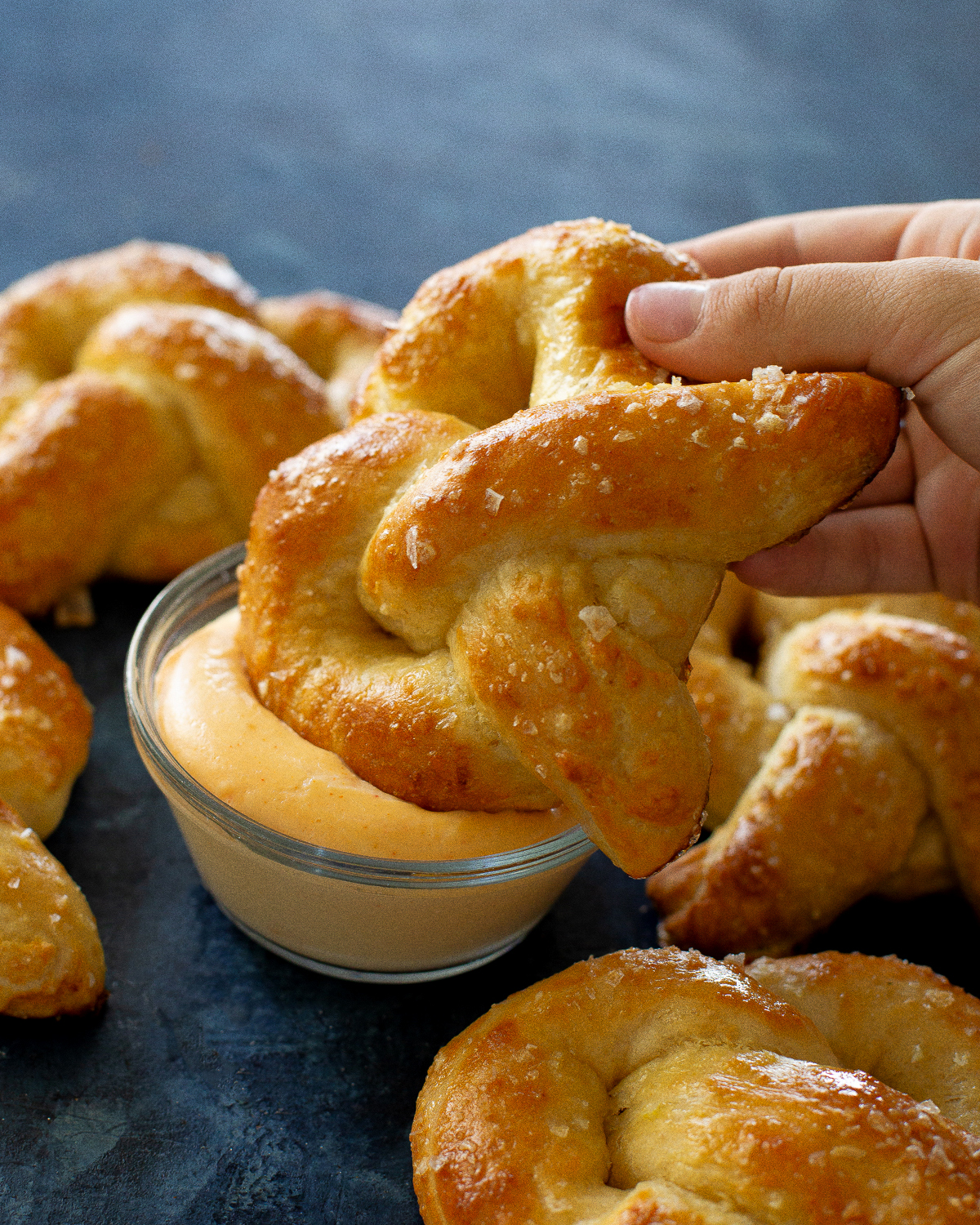
No pretzel experience is complete without a delicious dipping sauce. While classic cheese sauce remains a perennial favorite, the possibilities are vast. Mustard-based dips, sweet glazes, or even simple melted butter offer complementary flavors that elevate the pretzel experience. The versatility of the homemade pretzel means it can be adapted to various tastes and occasions.
Historical Context and Market Presence
The pretzel, with origins tracing back to ancient Europe, has evolved from a simple monastic snack to a global phenomenon. Its popularity surged in the United States with the rise of street vendors and, later, dedicated pretzel chains. Brands like Auntie Anne’s, which emerged in the 1980s, played a significant role in popularizing soft pretzels as a mall staple. The comparison of homemade versions to these established brands serves as a benchmark for quality and taste. This comparison often highlights the subtle differences in texture, flavor, and ingredient quality that home baking can achieve, leading to a strong argument for the superiority of a well-executed homemade recipe. The market for snack foods, including pretzels, is substantial, with consumer demand consistently driven by convenience and taste. The ability for home bakers to tap into this demand by creating their own high-quality versions offers both personal satisfaction and potential for sharing with a wider circle.
Broader Implications and Future Trends
The increasing interest in home baking, particularly for iconic snacks, reflects a broader trend towards culinary self-sufficiency and a desire for more authentic, less processed food experiences. As consumers become more discerning about ingredients and preparation methods, recipes that demystify complex techniques and deliver superior results gain significant traction. The pursuit of the perfect soft pretzel is not just about a single recipe; it is emblematic of a larger movement towards mastering favorite foods at home, offering a rewarding and delicious alternative to store-bought or fast-food options. The analysis of this trend suggests that home cooks will continue to seek out and refine recipes for beloved treats, driven by a desire for control, quality, and the sheer joy of creation. The humble soft pretzel, in its homemade iteration, stands as a testament to this enduring culinary passion.
