
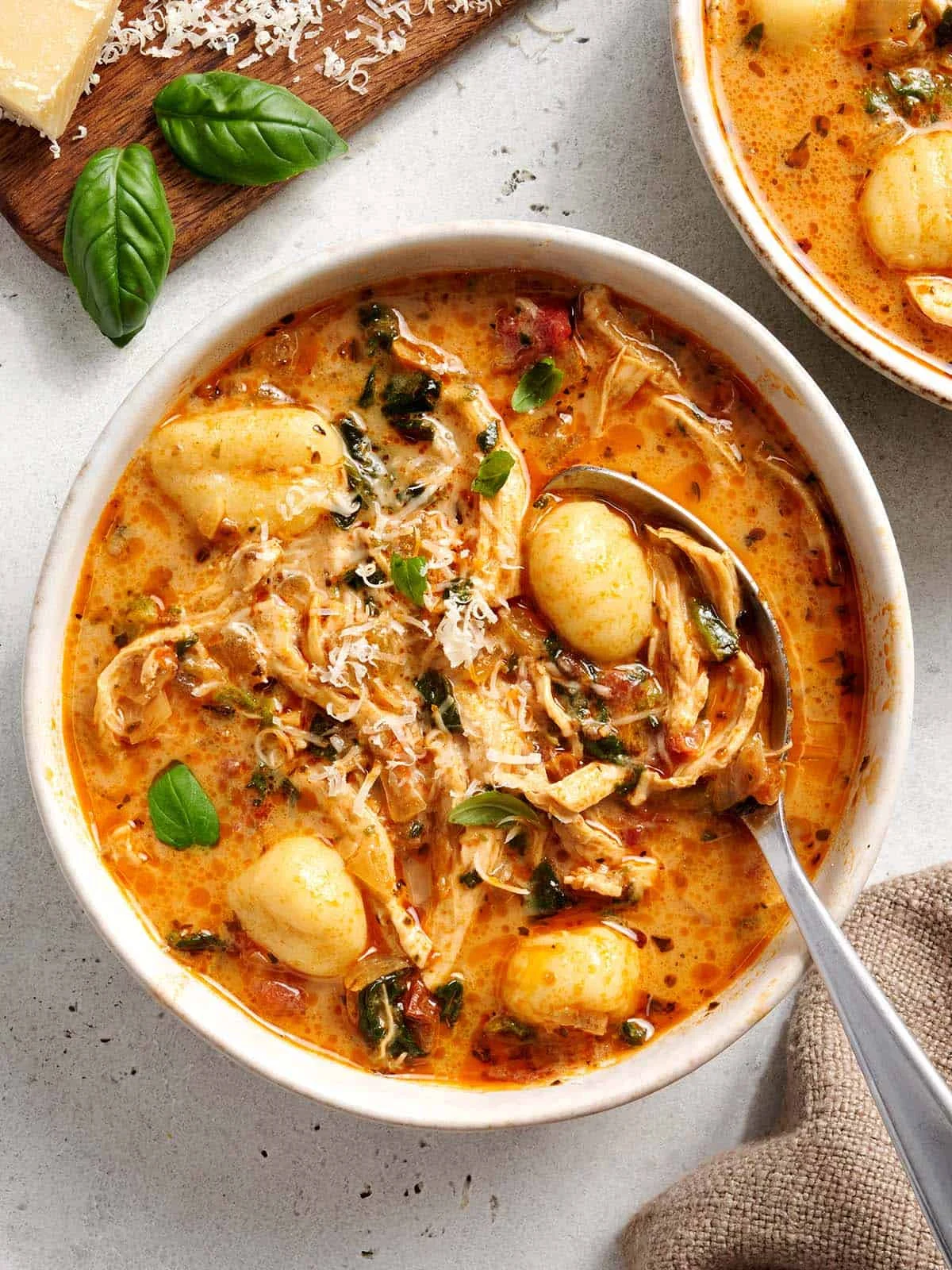
The culinary landscape of 2025 continues to be influenced by viral social media trends, with the "Marry Me" flavor profile remaining a dominant force in home kitchens across North America. Originally popularized as a cream-based skillet chicken dish, the concept has undergone a significant evolution. The Nashville Test Kitchen recently unveiled a new iteration of this cultural phenomenon: Marry Me Chicken Soup. This version adapts the traditional elements of sun-dried tomatoes, heavy cream, and parmesan cheese into a robust, gnocchi-based soup designed for efficiency, affordability, and nutritional balance.
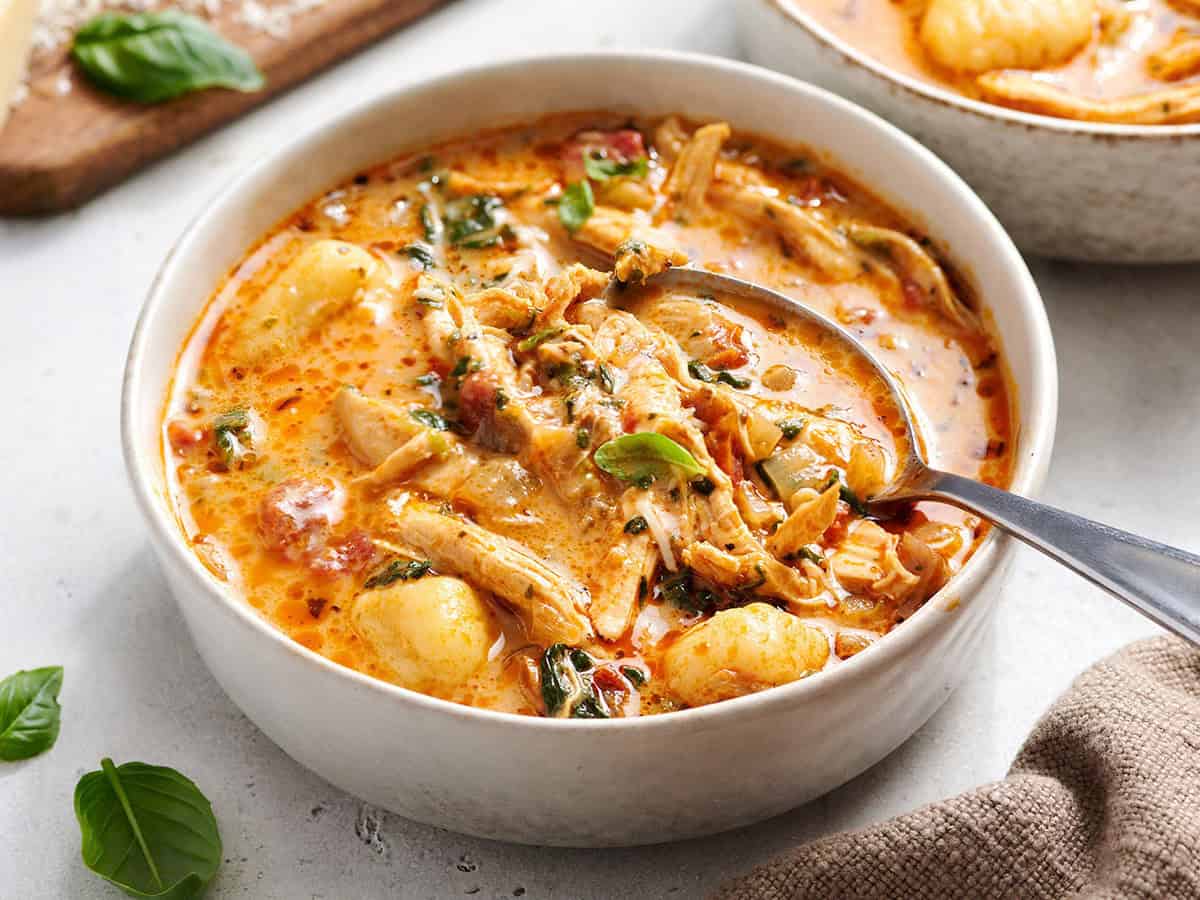
Developed by culinary professional Jennie Alley, the recipe seeks to bridge the gap between high-end comfort food and the practical constraints of weeknight cooking. By utilizing specific cost-saving techniques and streamlined preparation methods, the dish achieves a complex flavor profile in under 40 minutes, challenging the dominance of established Italian-casual restaurant chains in the "chicken and gnocchi" category.
The Origin and Psychology of the Marry Me Trend
The "Marry Me Chicken" moniker is part of a broader linguistic trend in digital food media where recipes are given hyperbolic titles to signify exceptional quality. The trend reportedly began in 2016 when editors at a major food publication claimed the dish was so delicious it could elicit a marriage proposal. Since then, the combination of garlic, parmesan, and sun-dried tomatoes has become a shorthand for "engagement-worthy" cooking.
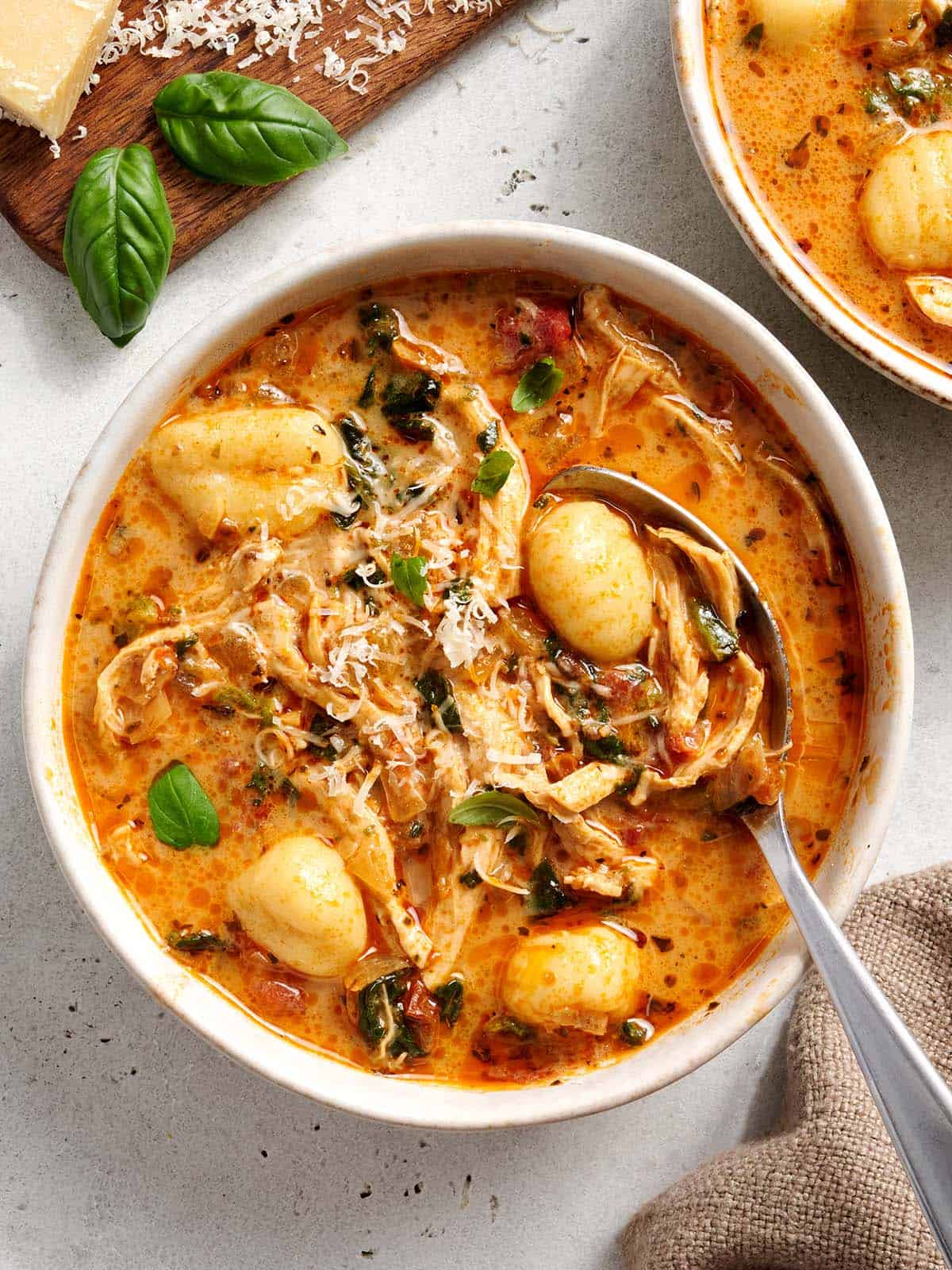
In a professional culinary context, the success of the flavor profile is attributed to the high concentration of umami. Sun-dried tomatoes and aged parmesan cheese are both rich in natural glutamates, which provide a deep, savory foundation. When these are paired with the lactic acidity of cream and the aromatic base of sautéed alliums, the result is a balanced palate that appeals to a wide demographic of consumers. The transition into a soup format represents a strategic adaptation for the winter season, offering a more hydrating and volumetrically satisfying meal than the original protein-heavy skillet version.
Technical Specifications and Ingredient Analysis
The Marry Me Chicken Soup is engineered for a yield of six servings, with a total recipe cost of approximately $9.45. This brings the cost per serving to $1.58, a figure significantly lower than the national average for a bowl of soup at a fast-casual or sit-down restaurant, which typically ranges from $6.00 to $11.00.
Key Component: Sun-Dried Tomato Oil
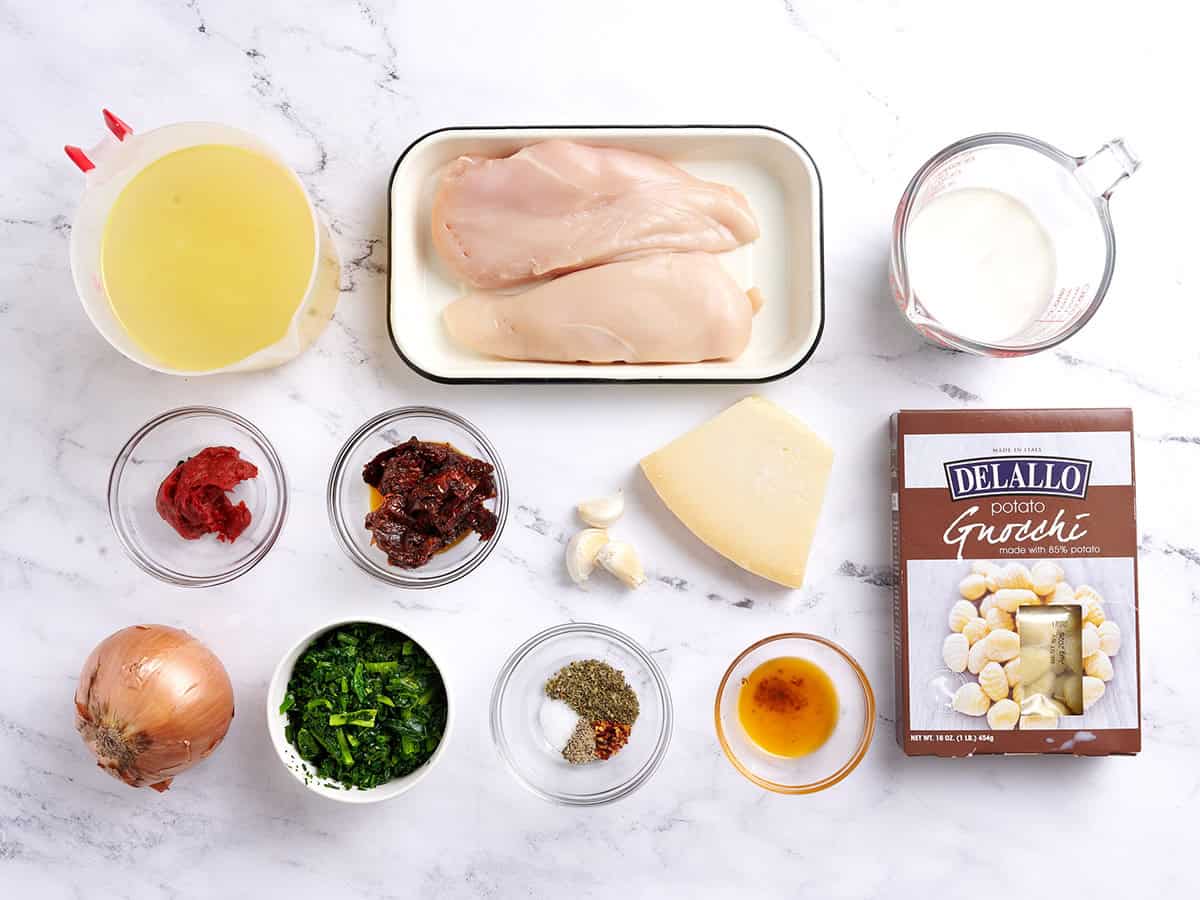
A critical technical aspect of this recipe is the utilization of the oil from jarred sun-dried tomatoes. In traditional cooking, this oil is often discarded or underutilized. However, the Nashville Test Kitchen emphasizes its role as a concentrated flavor carrier. By using this oil to sauté the onions and garlic, the chef infuses the entire base of the soup with the essence of the tomatoes from the initial stage of cooking. This prevents flavor dilution and maximizes the utility of the purchased ingredients.
The Role of Better Than Bouillon
To maintain a high-quality flavor profile while adhering to a strict budget, the recipe specifies the use of "Better Than Bouillon" or similar concentrated bases. Unlike standard boxed broths, which are often diluted, concentrates allow for a customizable depth of flavor. This approach also reduces packaging waste and lowers the cost-per-quart of the liquid base, which is essential for maintaining the sub-$10 total recipe price point.
Texture and Starch Management
The inclusion of 16 ounces of potato gnocchi provides the primary carbohydrate source. Gnocchi, which are small Italian dumplings, serve as a more substantial alternative to traditional pasta or rice. In this soup, the gnocchi act as a natural thickener; as they cook, they release a small amount of starch into the broth, contributing to the "pillowy" and "creamy" mouthfeel that characterizes the dish.
Chronology of Preparation
The efficiency of the Marry Me Chicken Soup is rooted in a sequential preparation process that minimizes downtime. The following timeline outlines the standard professional execution of the dish:
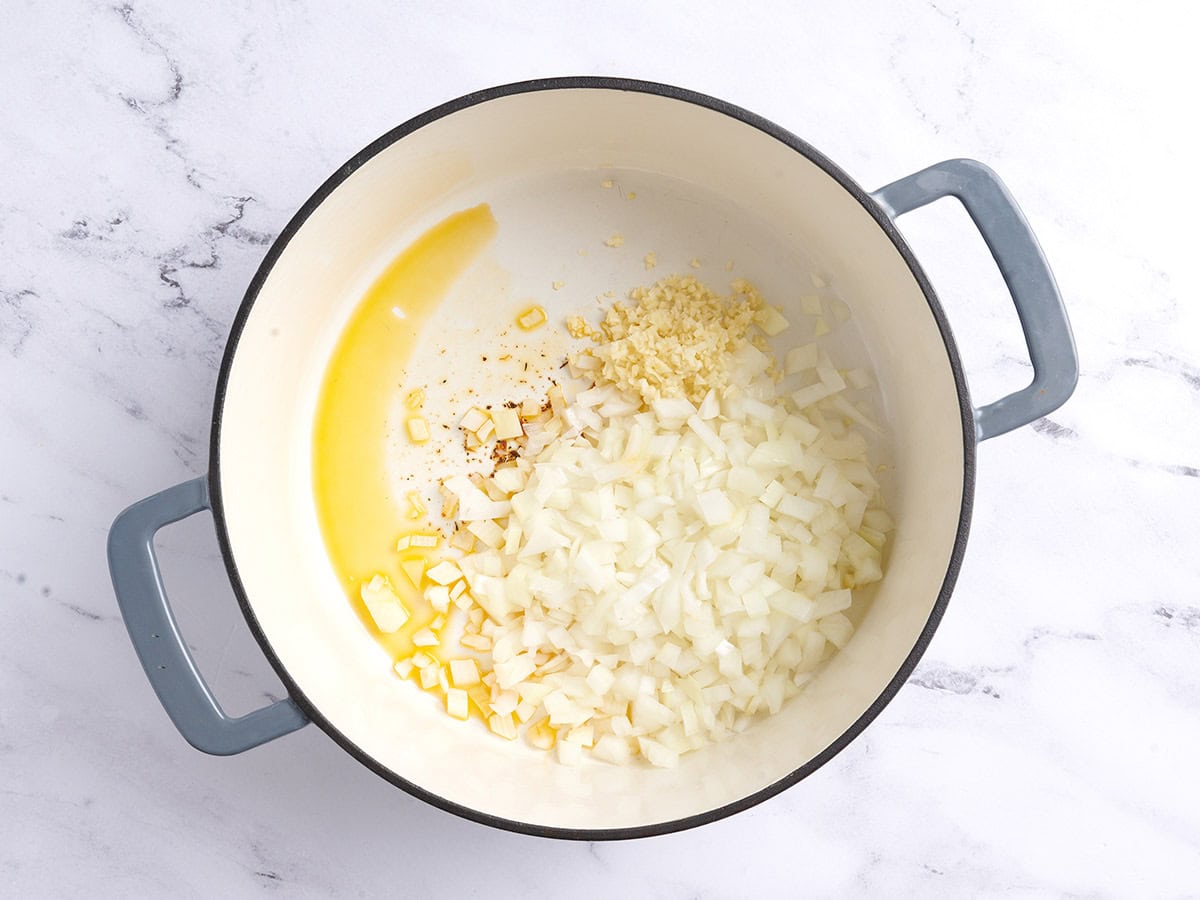
- Aromatic Foundation (Minutes 0–7): The process begins with the heating of one tablespoon of sun-dried tomato oil over medium heat. One diced onion and one tablespoon of minced garlic are sautéed for five minutes until translucent and fragrant.
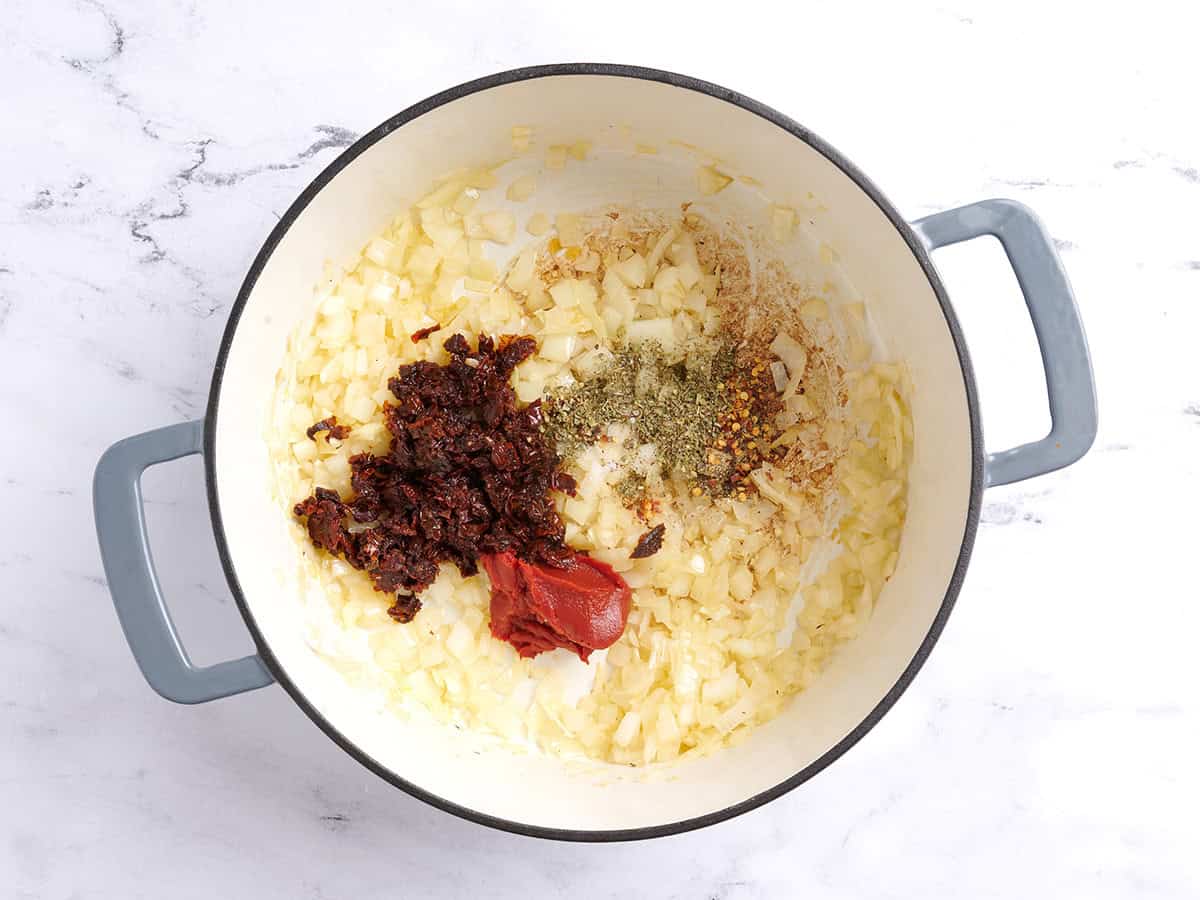
- Seasoning and Caramelization (Minutes 7–10): Two tablespoons of tomato paste are added, along with Italian seasoning, salt, black pepper, red pepper flakes, and a quarter-cup of chopped sun-dried tomatoes. This stage is crucial for the Maillard reaction; the tomato paste is allowed to darken and caramelize, which removes the raw metallic taste and adds a smoky sweetness.
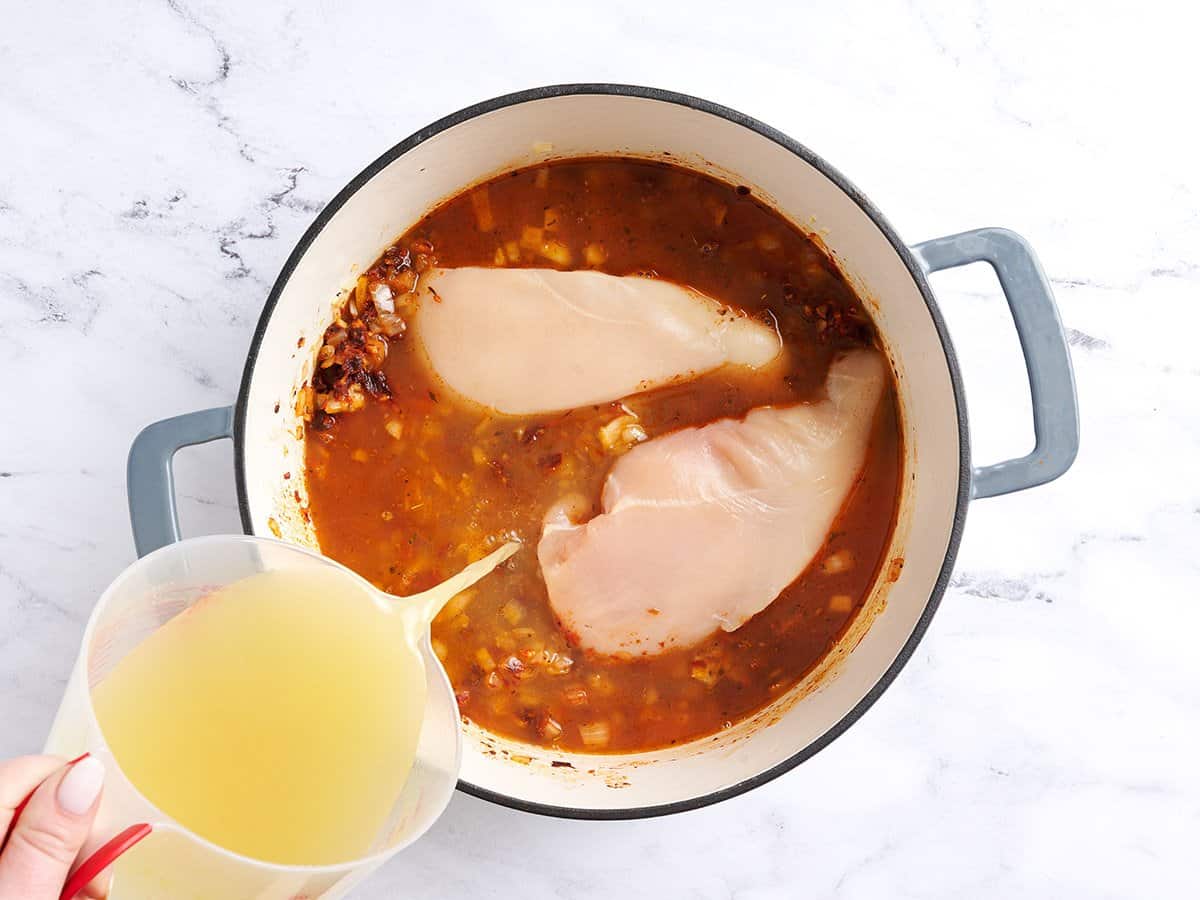
- Protein Poaching (Minutes 10–25): One pound of chicken breast is submerged in six cups of chicken broth. The liquid is brought to a boil and then reduced to a simmer. This gentle poaching method ensures the chicken remains tender and easy to shred, reaching the required internal temperature of 165°F (74°C).
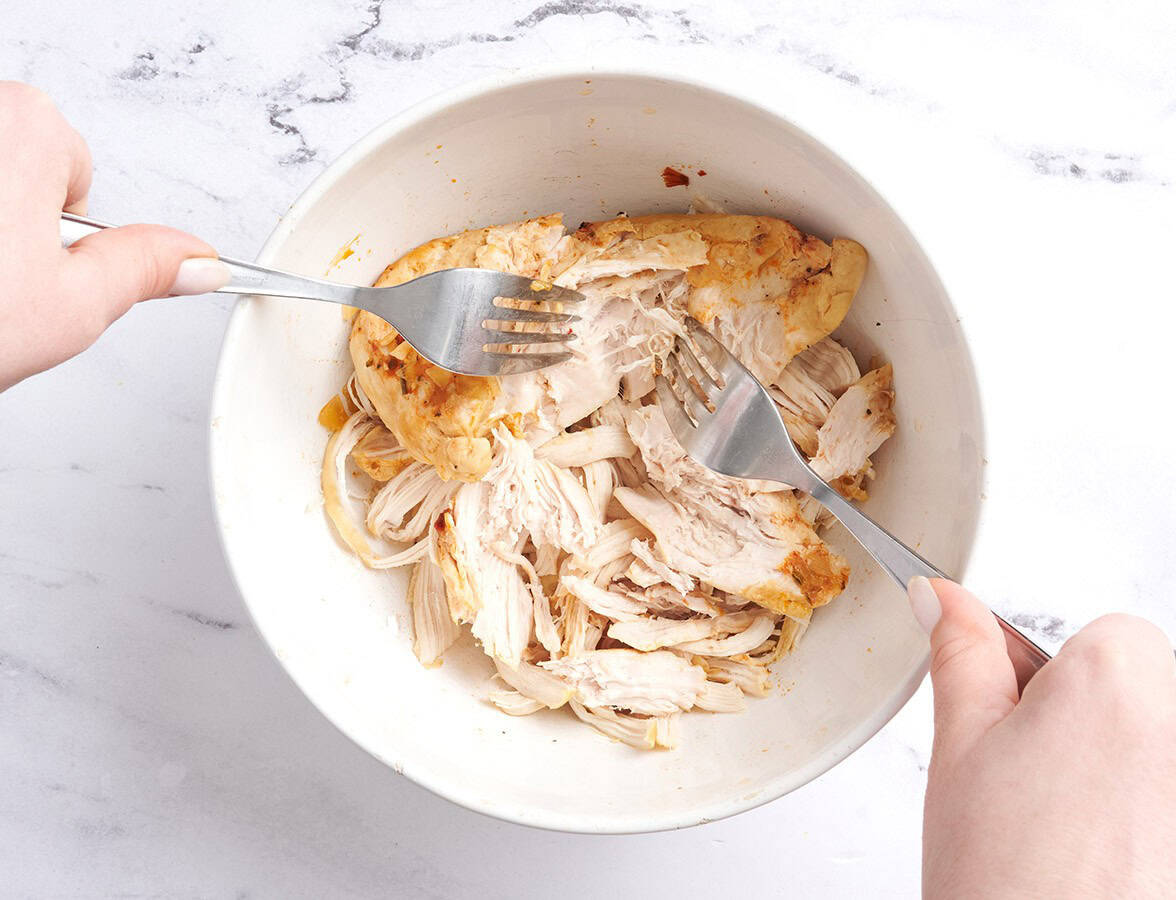
- Shredding and Starch Integration (Minutes 25–30): The chicken is removed, shredded with forks, and returned to the pot alongside the gnocchi. The gnocchi are boiled for three to four minutes until they float, indicating they are fully cooked.
- Finishing (Minutes 30–35): The heat is lowered, and the final enriching elements—three-quarters of a cup of half-and-half, one-third of a cup of parmesan cheese, and one cup of squeezed-dry spinach—are stirred in. The soup is heated through without reaching a boil to prevent the dairy from curdling or the spinach from overcooking.
Nutritional Profile and Dietary Impact
The nutritional density of the Marry Me Chicken Soup is notable for its high protein content relative to its caloric value. According to the Nashville Test Kitchen’s analysis, one serving (approximately one-sixth of the recipe) contains:
- Calories: 316 kcal
- Protein: 25g
- Carbohydrates: 35g
- Fat: 9g
- Fiber: 4g
- Sodium: 1593mg
The protein content, primarily derived from the chicken breast, meets approximately 50% of the daily recommended value for an average adult. However, the sodium levels are elevated, representing 69% of the daily recommended intake. This is a common characteristic of broth-based soups and can be mitigated by using low-sodium broth concentrates or reducing the added salt in the seasoning stage. The inclusion of spinach and sun-dried tomatoes adds essential vitamins, including Vitamin A and Vitamin C, while the gnocchi provides necessary complex carbohydrates for sustained energy.
Economic and Market Context
The release of this recipe comes at a time of heightened consumer sensitivity toward food inflation. Data from the Bureau of Labor Statistics indicates that while grocery price increases have slowed, the cost of dining out remains a significant burden for many households. The "Budget Bytes" philosophy, championed by developers like Jennie Alley, focuses on "cost-per-serving" transparency, which has gained significant traction among Millennials and Gen Z consumers.
By providing a restaurant-quality meal for $1.58 per serving, the recipe serves as a practical tool for financial management. Furthermore, the versatility of the ingredients—such as the option to use fresh spinach or substitute the sun-dried tomato oil with vegetable oil—allows consumers to adapt the dish based on current pantry inventory, further reducing the need for specialized shopping trips.
Storage and Sustainability Considerations
In line with modern sustainability goals, the recipe emphasizes zero-waste cooking through the use of jarred oils and frozen spinach. For consumers looking to meal-prep, the storage instructions provide clear guidelines for maintaining food safety and quality:
- Refrigeration: The soup remains viable for three to four days when stored in an airtight container. Consumers are cautioned that the gnocchi will continue to absorb liquid over time, necessitating the addition of a splash of broth or milk during reheating to restore the original consistency.
- Freezing: Professional analysis suggests that the fully assembled soup is not ideal for freezing due to the structural breakdown of the gnocchi and the potential for dairy separation. However, a "deconstructed" freezing method is recommended: freezing the base (broth, chicken, and aromatics) and adding the dairy and gnocchi fresh upon reheating. This ensures the integrity of the textures while allowing for long-term storage of up to three months.
Broader Implications for Home Cooking
The Marry Me Chicken Soup is more than a singular recipe; it is a case study in how digital trends can be refined into sustainable culinary practices. The transition from a "viral" aesthetic to a nutritionally and economically sound meal highlights the maturing of social media-driven food culture.
Culinary experts suggest that the continued popularity of these "Marry Me" variations indicates a shift in consumer preference toward bold, Mediterranean-inspired flavors that do not require extensive labor. As home cooks continue to balance busy professional lives with the desire for high-quality nutrition, the "Marry Me" family of recipes—and specifically this soup iteration—provides a template for the future of domestic gastronomy: accessible, impressive, and rigorously tested for the modern kitchen.
