
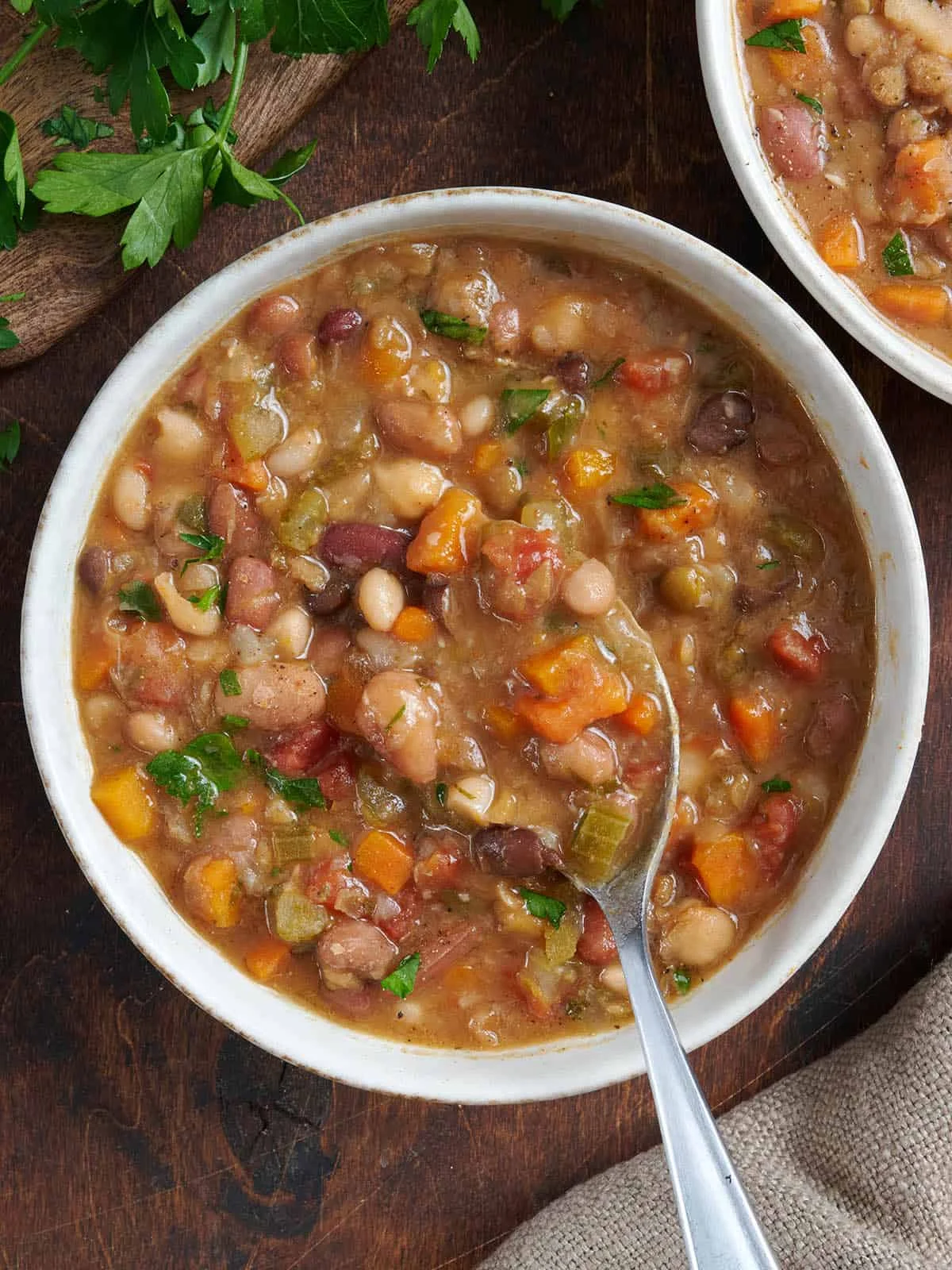
The global rise in food prices and a growing consumer interest in plant-based nutrition have brought traditional, shelf-stable ingredients back into the culinary spotlight, with dried legumes emerging as a primary solution for health-conscious and budget-oriented households. Among these options, the 15-bean soup has solidified its status as a foundational recipe for meal preparation, offering a complex nutritional profile at a fraction of the cost of animal-based proteins. Recent analysis from the Nashville Test Kitchen confirms that a single batch of this vegetarian soup can be produced for approximately $6.76, resulting in a per-serving cost of just $0.85. This economic efficiency is paired with a significant macro-nutrient density, providing 17 grams of protein and 16 grams of dietary fiber per serving, which represents 67% of the recommended daily intake for fiber.
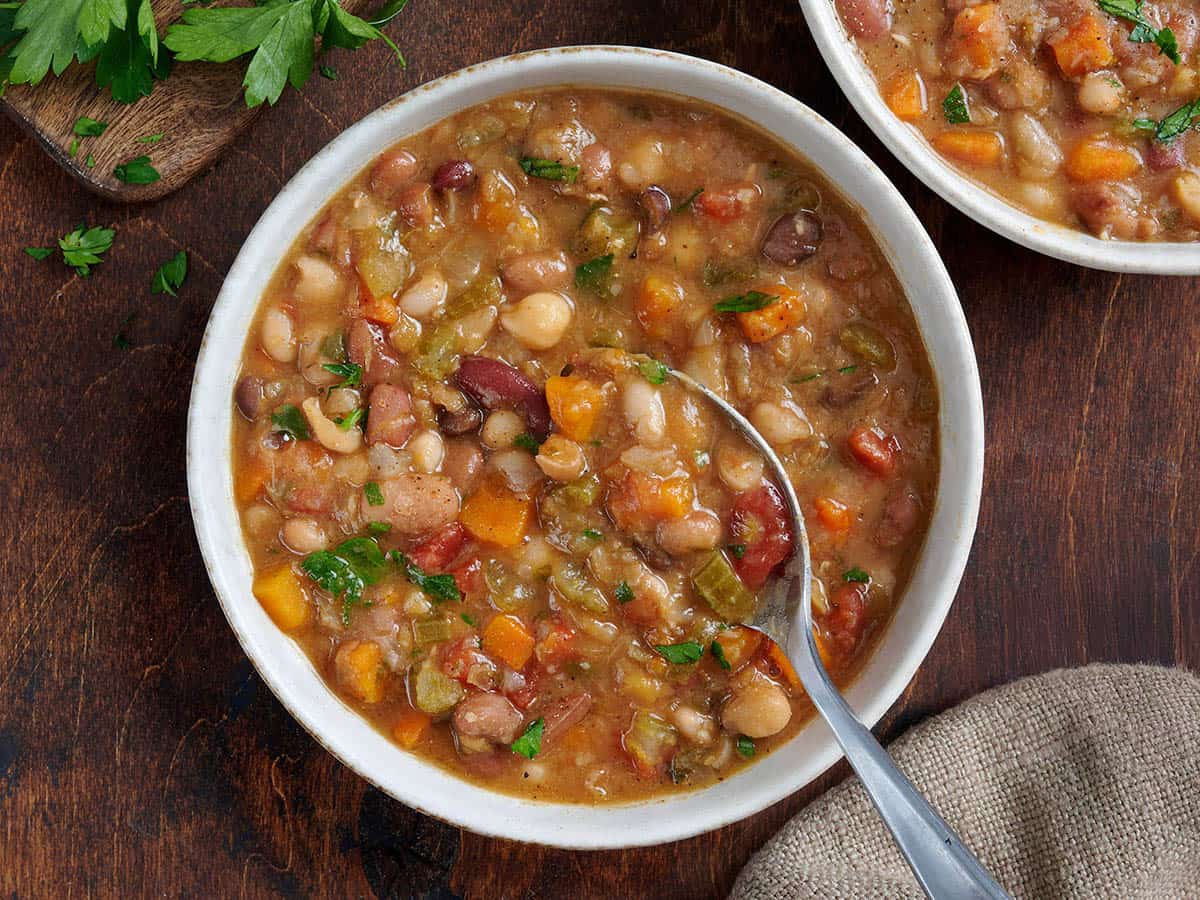
The Nutritional Landscape of Multi-Bean Composition
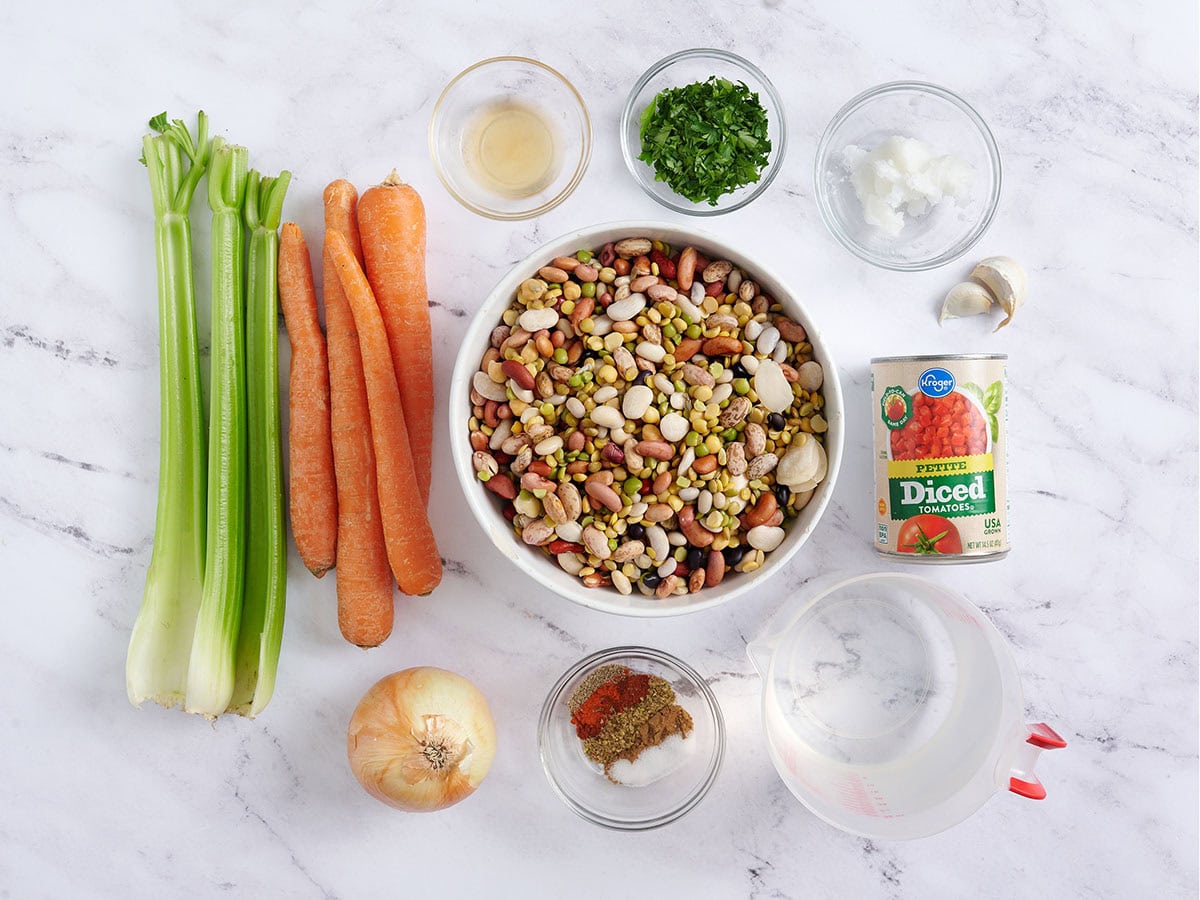
The primary appeal of the 15-bean variety lies in its biodiversity. While single-variety bean soups are common, the inclusion of 15 distinct legumes—typically including northern, pinto, large lima, yelloweye, garbanzo, baby lima, green split pea, kidney, cranberry, small white, small red, pink, white kidney, black, and navy beans—creates a broader spectrum of micronutrients and antioxidants. Legumes are widely recognized by health organizations, including the World Health Organization (WHO), as essential components of a diet designed to reduce the risk of non-communicable diseases such as type 2 diabetes and cardiovascular ailments.
The inclusion of multiple bean types ensures a varied texture and a more complex amino acid profile. Furthermore, the soup’s base is enriched with a mirepoix—a traditional aromatic foundation of onions, carrots, and celery—which contributes essential vitamins A and C. The use of coconut oil in the vegetarian version of this recipe serves a dual purpose: it maintains a vegan-compliant ingredient list while providing a specific mouthfeel and "fatty" satiety usually associated with animal fats like ham hocks or bacon.
Chronology of Preparation: From Dry Pantry to Table
The production of 15-bean soup is a multi-stage process that requires foresight, primarily due to the rehydration needs of dried legumes. The following timeline outlines the standard procedure for optimal texture and flavor development.
Phase I: The Rehydration Period (8 to 12 Hours Prior)
The process begins with the sorting and rinsing of 20 ounces of dry bean mix. To neutralize anti-nutrients like lectins and to ensure even cooking, the beans must be submerged in a volume of water at least double their height. This soaking phase typically occurs overnight under refrigeration.
Phase II: The Aromatic Foundation (Hour 0:00 – 0:15)
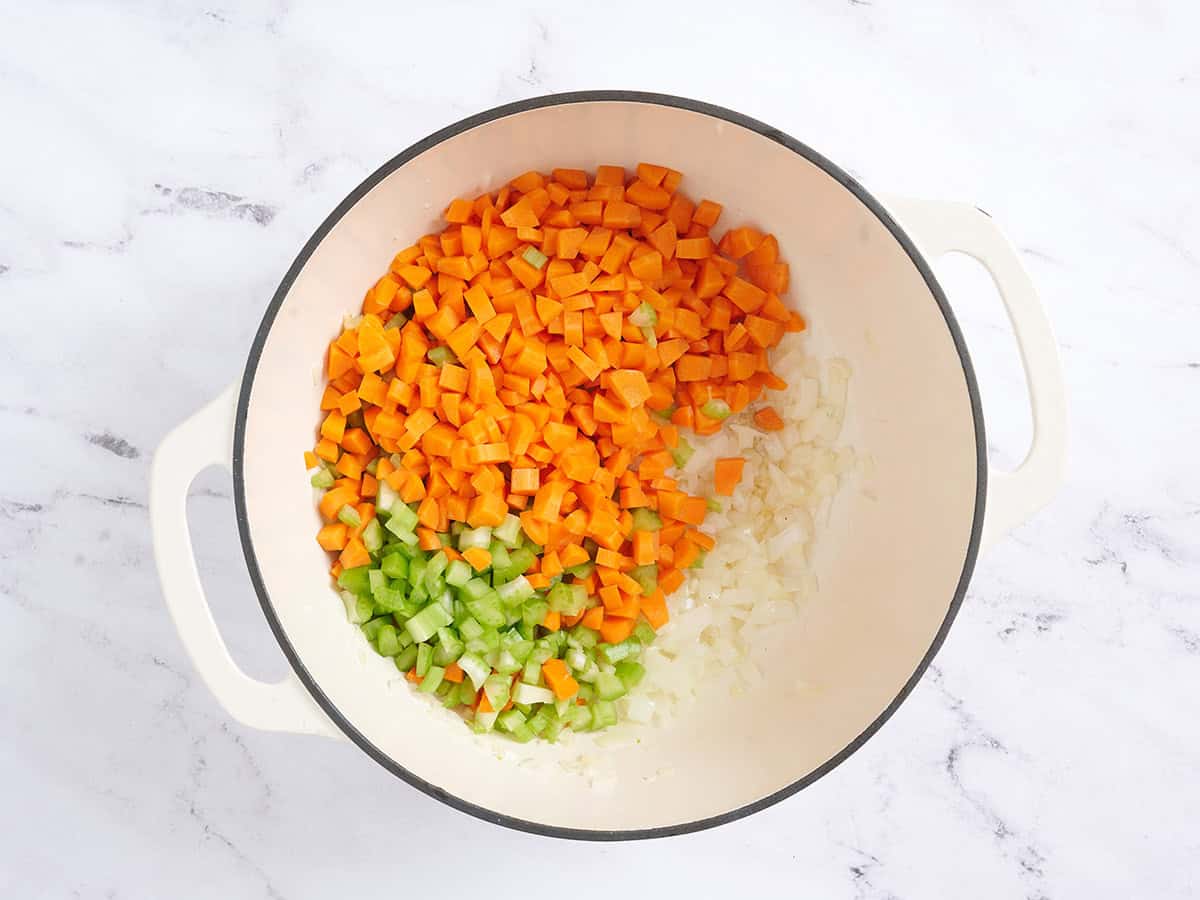
Once the beans are drained and rinsed, the cooking process commences with the sautéing of one yellow onion and two cloves of minced garlic in coconut oil. This stage, conducted over medium heat, continues until the onions achieve a translucent state. Subsequently, four diced carrots and three ribs of celery are integrated, cooking for an additional five minutes until the celery begins to soften.
Phase III: The Primary Simmer (Hour 0:15 – 1:45)
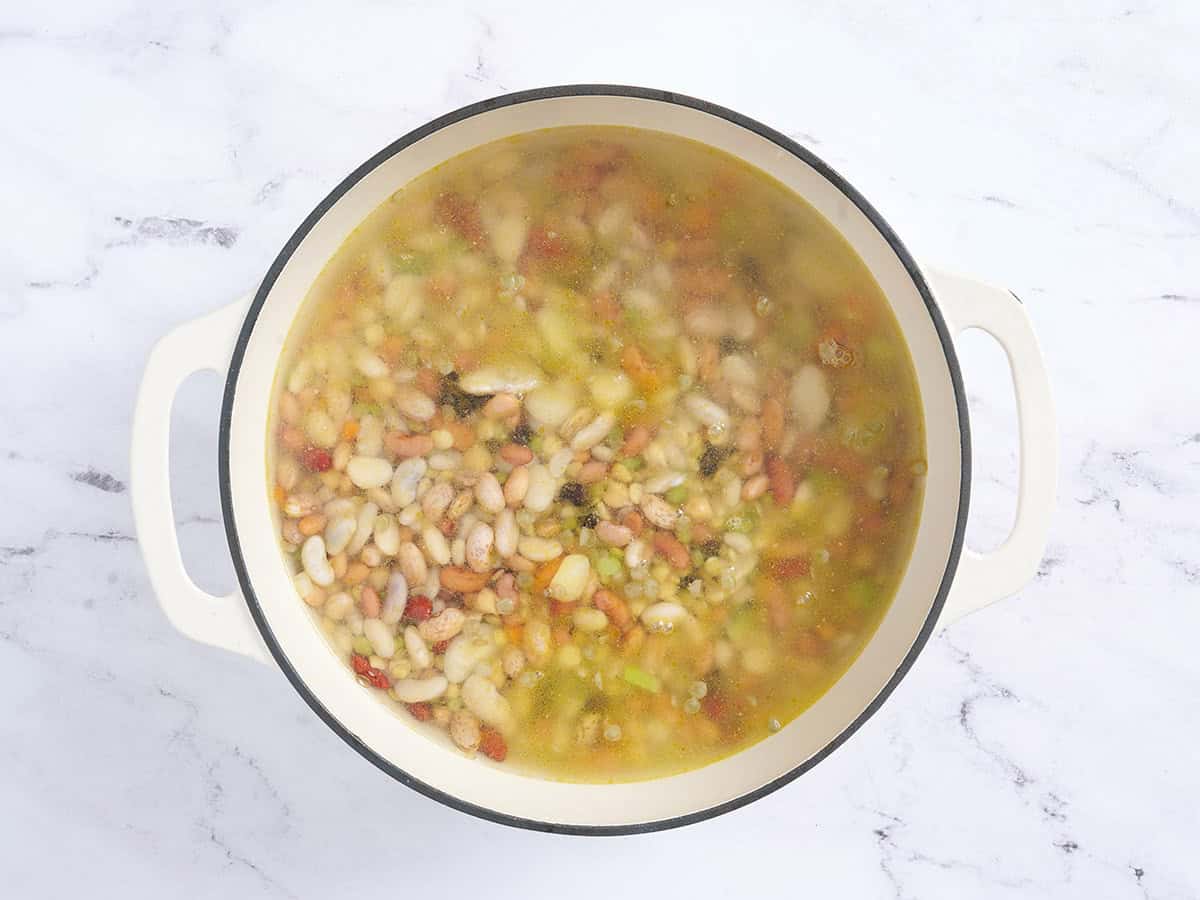
The soaked beans are added to the pot along with six cups of fresh water. The mixture is brought to a boil and then reduced to a low simmer. This 90-minute period is critical for breaking down the complex starches in the beans. By the end of this phase, the broth becomes cloudy and the beans reach a "soft" state where they begin to lose their structural integrity, naturally thickening the soup.
Phase IV: Flavor Integration (Hour 1:45 – 2:05)
After the primary simmer, acidic and spice-based elements are introduced. This includes 15 ounces of diced tomatoes, smoked paprika, oregano, cumin, cayenne pepper, and fresh parsley. These "top note" flavors are allowed to meld for a final 20 minutes of simmering.
Phase V: Final Seasoning and Brightening (Hour 2:05 – 2:10)
The final stage involves the addition of salt and apple cider vinegar. Culinary experts emphasize that salt should only be added at the end of the cooking process, as early salting can toughen the skins of the beans. The vinegar acts as a chemical "brightener," cutting through the earthiness of the legumes to enhance the overall flavor profile.

Economic Impact and Market Context
The affordability of the 15-bean soup is a significant factor in its widespread adoption. At $0.85 per serving, the recipe outperforms most processed "convenience" foods and meat-heavy dishes. The use of dried beans rather than canned varieties contributes significantly to these savings. While a 15-ounce can of beans typically costs between $0.80 and $1.50, a 20-ounce bag of dried beans—which yields significantly more volume once hydrated—offers a much higher value proposition.
Furthermore, the "shelf-stable" nature of the ingredients reduces food waste, a major contributor to household food costs. The ability to store the primary protein source for months without refrigeration allows consumers to purchase in bulk and cook in large batches. This "economies of scale" approach to home cooking is increasingly recommended by financial advisors as a method to combat inflation-related increases in grocery expenditures.

Consumer Feedback and Community Response
The recipe has seen significant engagement within the home-cooking community. Linda Wilson, a frequent preparer of the dish, described the soup as "so nourishing, so flavorful," echoing a sentiment common among those seeking "comfort food" that does not compromise nutritional standards.
The Nashville Test Kitchen, which rigorously tests recipes for affordability and ease of execution, notes that the vegetarian version of the 15-bean soup has become a "repeat" dish for many users. The versatility of the recipe—allowing for the addition of meat like smoked turkey or ham hocks for non-vegetarians—makes it a flexible staple for diverse households.
Broader Implications: Sustainability and Health
Beyond the individual benefits of cost and nutrition, the promotion of bean-based soups aligns with global sustainability goals. The cultivation of legumes has a significantly lower environmental footprint compared to livestock production, requiring less water and land while also contributing to soil health through nitrogen fixation.
From a public health perspective, the high fiber content of this soup (16g per serving) addresses a significant "fiber gap" in the modern diet. Most adults in developed nations consume less than half of the recommended daily fiber intake. By providing a palatable, low-cost method to meet these requirements, the 15-bean soup serves as a practical tool for improving community health outcomes.
Storage, Logistics, and Meal Prep Efficiency
One of the most practical advantages of this soup is its stability during storage. The Nashville Test Kitchen reports that the flavor often improves after 24 hours as the spices continue to infuse the legumes. For long-term logistics:
- Refrigeration: The soup remains viable for three to four days in an airtight container.
- Freezing: It is highly freezer-stable for up to three months. This makes it an ideal candidate for "portioning," where single servings are frozen and reheated via microwave or stovetop for quick, nutritious meals during the work week.
- Reheating: Experts suggest adding a small amount of water or broth during the reheating process to maintain the desired consistency, as the bean starches continue to absorb liquid over time.
Conclusion
The Vegetarian 15 Bean Soup represents a intersection of traditional culinary wisdom and modern dietary needs. By leveraging the inherent benefits of dried legumes and a strategic blend of spices, the recipe provides a solution to the competing demands of limited time, restricted budgets, and high nutritional expectations. As food security and health continue to be central themes in public discourse, such foundational, plant-based recipes are expected to play an increasingly vital role in the domestic kitchen.
