
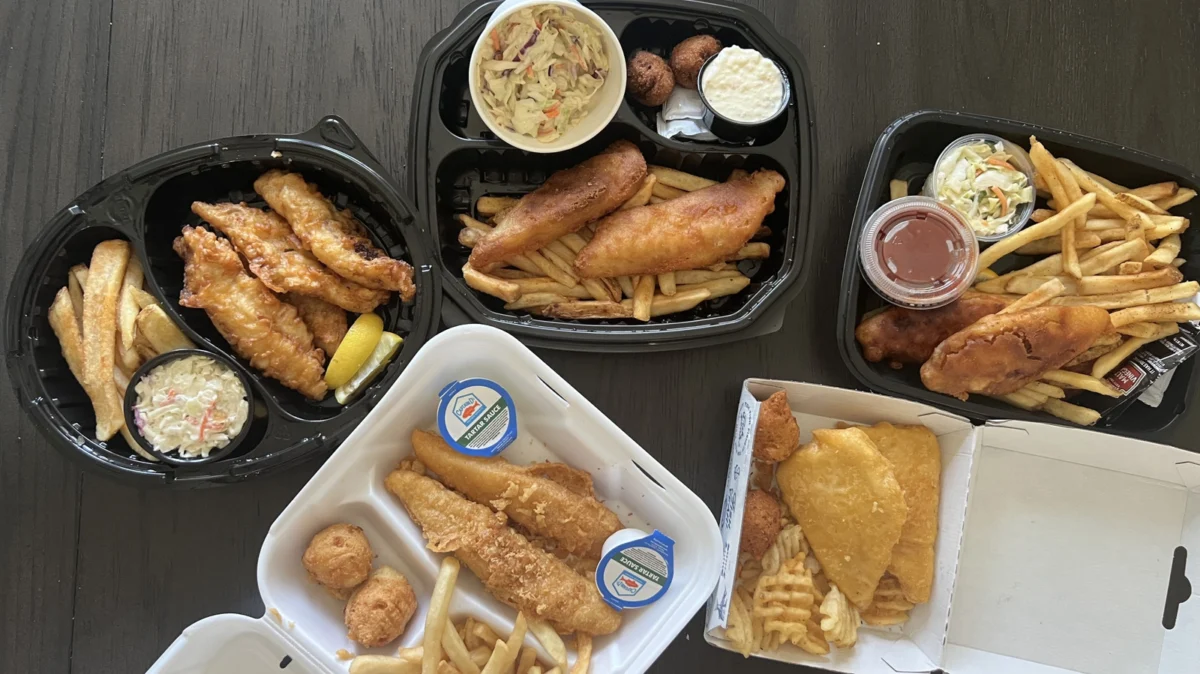
The quintessential British dish of fish and chips, a culinary staple with roots tracing back to the 1860s in England, has journeyed across the Atlantic to become a familiar offering in numerous American chain restaurants. Originally popularized by Jewish immigrant Joseph Malin in London, this simple yet satisfying combination of fried fish and potatoes quickly became a favorite among the working class. Today, its enduring appeal is evident in its presence on menus ranging from fast-food establishments to casual dining chains. Tasting Table embarked on a comprehensive culinary exploration to determine which of these accessible iterations best captures the essence of this iconic dish.
The rigorous evaluation involved sampling fish and chips from eight distinct chain restaurants. Each meal was assessed based on a multifaceted criteria, encompassing the quality and texture of the fish fillets, the crispness and flavor of the accompanying fries, the balance of the tartar sauce, and the overall harmony of the dish. This extensive taste test aimed to identify the standout performers in a crowded marketplace, offering consumers a guide to navigating their options.
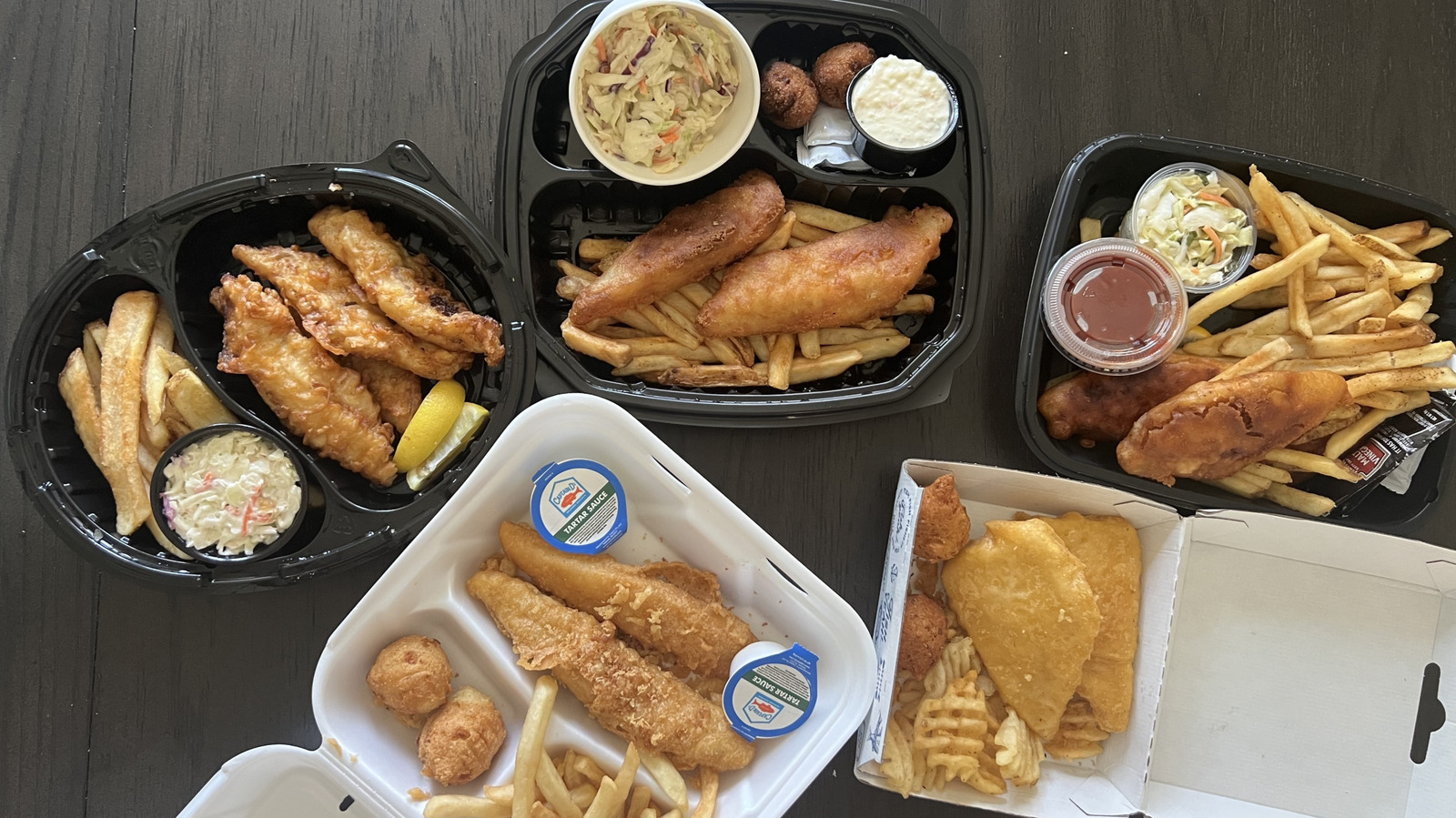
The Contenders: A Culinary Ranking
The ranking process, conducted by Tasting Table, meticulously dissected each restaurant’s offering, from the initial presentation to the final bite. The methodology prioritized the core components of fish and chips, while also acknowledging the impact of supporting elements.
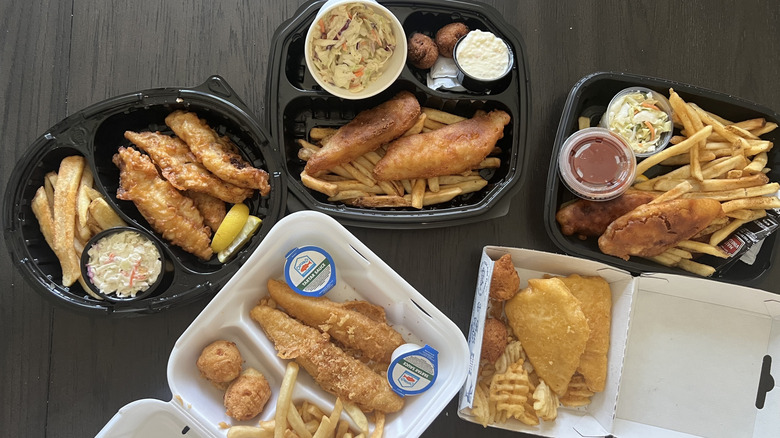
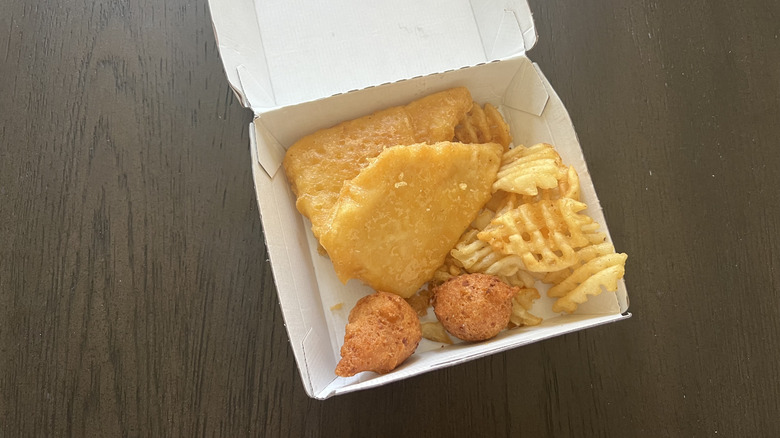
8. Long John Silver’s 2 Piece Fish Meal
Kicking off the rankings, Long John Silver’s 2 Piece Fish Meal presented a selection of battered Alaskan pollock fillets. While the portion size was deemed adequate, the fish itself was described as dense rather than flaky, and the breading lacked the desired crispness, contributing to an overall bland flavor profile. The accompanying waffle fries were compared unfavorably to those from other chains, and the absence of condiments further detracted from the experience. The sweet hushpuppies were noted as a redeeming, albeit solitary, positive aspect.
7. Captain D’s 2 Piece Fish and Fries Meal Deal
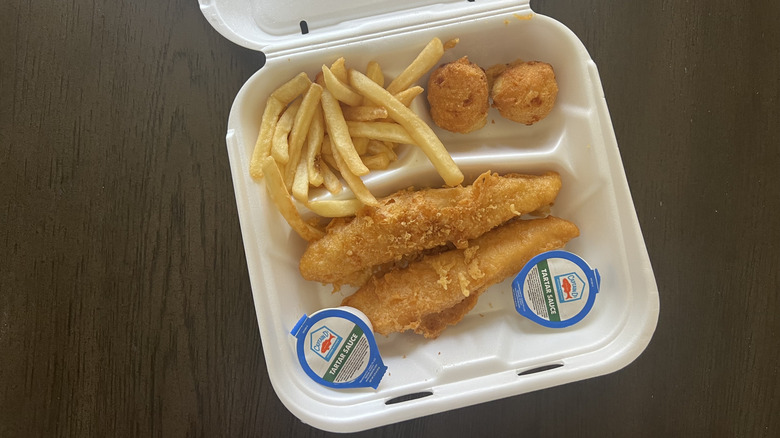
Captain D’s offered a similar experience, with batter-dipped fish fillets, reportedly now utilizing swai, accompanied by hushpuppies and fries. The fish fillets were notably long and thick, but the batter was found to be excessively mushy and greasy, overwhelming the decent texture of the fish. The fries were described as bland, and the tartar sauce was deemed gloopy. Once again, the hushpuppies emerged as a highlight, evoking memories of less sweet donut holes.
6. Applebee’s Hand-Battered Fish & Chips
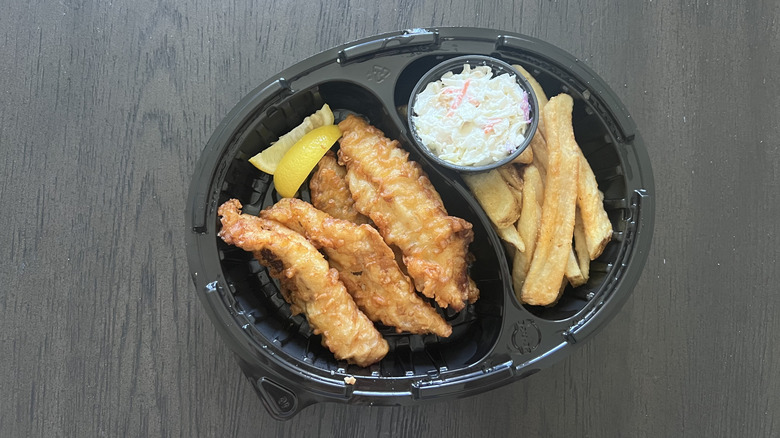
Applebee’s entry into the fish and chips arena featured two battered fish fillets, fries, coleslaw, tartar sauce, and a lemon wedge, with the inclusion of malt vinegar packets noted positively. The fish, while unspecified in type, was described as flaky and white, offering a more satisfying experience than the purely fast-food options. However, the breading was perceived as overfried, imparting a burnt tang and a dried-out texture despite its greasiness. The accompanying fries and tartar sauce were considered decent, with the malt vinegar proving to be a significant enhancer.
5. Culver’s 2 Piece North Atlantic Cod Dinner
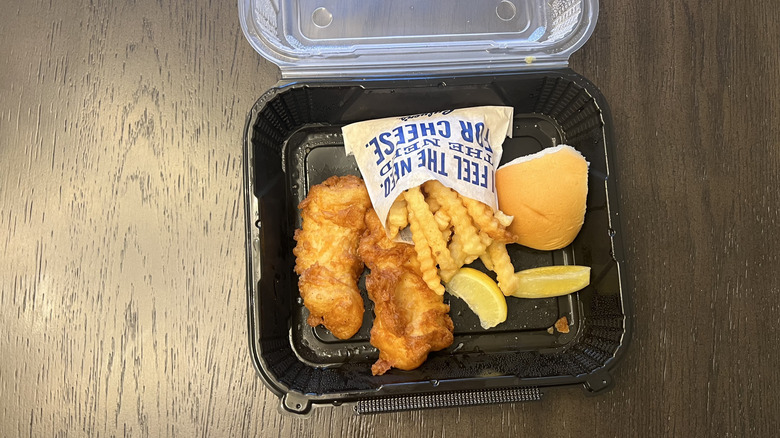
Culver’s offered a dinner featuring hand-battered and fried North Atlantic cod, cooked to order and served with two sides, a dinner roll, and a house-made tartar sauce. The fish itself possessed an air of freshness, a notable advantage. However, the fritter-like breading was criticized for its lack of flavor and its regrettably soggy texture, a recurring issue observed in previous tastings of Culver’s fish offerings. The tartar sauce was found to be underwhelming, resembling a bland macaroni salad base rather than a zesty accompaniment. The quality of the fries, however, was acknowledged, and a squeeze of lemon was found to improve the overall dish.
4. Cracker Barrel Friday Fish Fry Meal
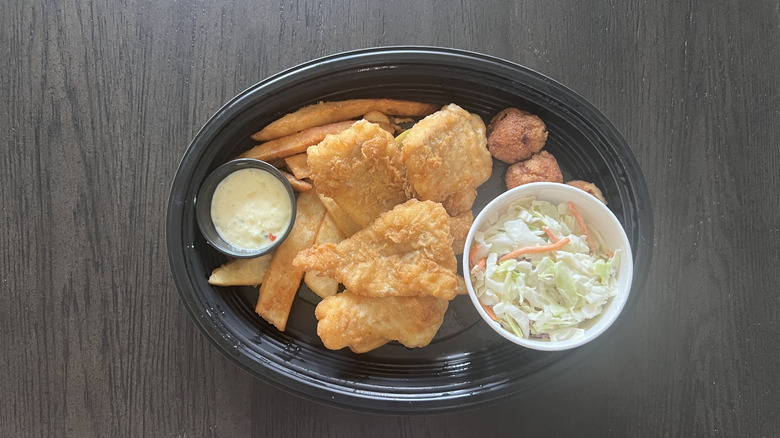
Cracker Barrel’s Friday Fish Fry Meal, available exclusively on Fridays, presented four hand-battered cod fillets, tartar sauce, and a lemon slice, with the option of selecting sides. The meal’s presentation suggested a hearty, home-cooked meal, and the hand-battered style offered a familiar feel. Despite this, the breading was described as flimsy and slightly dry, and the fish itself was deemed a tad too fishy. The steak fries, however, were lauded for their plumpness and light salting, and the sweet, relish-forward tartar sauce effectively complemented the cod. The inclusion of savory hushpuppies further enhanced the meal.
3. Red Robin House-Battered Fish & Chips
Red Robin’s offering, a surprising contender from a burger-centric establishment, featured fried white fish fillets, steak fries, tartar sauce, and coleslaw. The fish, while not overly remarkable in flavor, was described as mild and not excessively fishy. The breading was noted for its airy and oily texture, reminiscent of fairground food. The tartar sauce, with its distinct dill notes, was appreciated, and the steak fries, seasoned with a savory, garlicky blend, proved to be an excellent pairing for the fish, especially when enhanced with lemon juice and a dip. The availability of bottomless fries in-restaurant was highlighted as a significant advantage.
2. Bob Evans Fish Fry Platter
Bob Evans’ Fish Fry Platter, a relatively new addition to their dinner menu, comprised three wild-caught Alaska cod fillets, French fries, coleslaw, dill tartar sauce, and bread. The platter also included two onion rings, which were noted to have been prepared in a similar fashion and fryer as the fish, contributing a savory and crunchy exterior that enlivened the otherwise mild cod. The dill-focused tartar sauce, while perhaps more of a dill dip, was well-received and used on both the fish and fries. The classic French fries were a solid accompaniment.
1. Red Lobster Fish and Chips
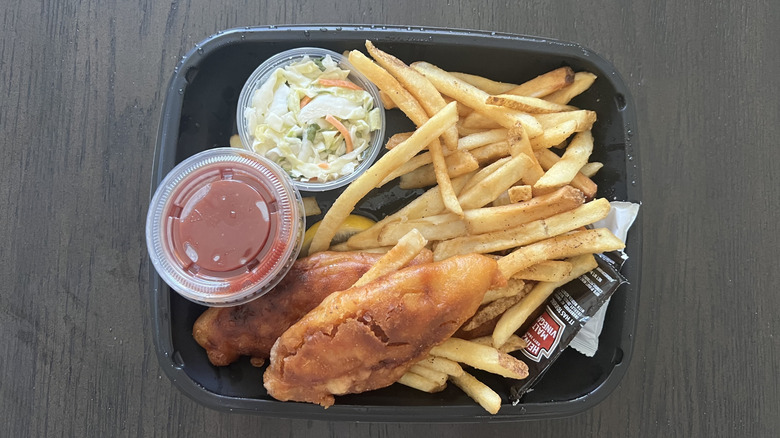
Securing the top spot, Red Lobster’s Fish and Chips was lauded for its fresh and delicious presentation. The cod pieces, coated in a beer batter, delivered an audible crunch and were described as perfectly salty and adequately rich. The wild-caught cod within was exceptionally flaky and tender. The accompanying Chesapeake fries, seasoned with an Old Bay spice blend, were deemed a perfect match, despite being softer rather than crisp. The coleslaw was satisfactory, and the sweet, nostalgic hushpuppies added to the overall appeal. The tartar sauce, while visually resembling cottage cheese, was appreciated for its unique blend of sweet relish and onion-like flavors, effectively tying the entire meal together.
The Historical Context of Fish and Chips
The genesis of fish and chips can be traced back to the burgeoning industrial era in Britain. As urban populations grew and the need for quick, affordable sustenance increased, street vendors began to capitalize on the availability of two staple ingredients: fish, readily sourced from coastal regions and transported inland via railways, and potatoes, a widespread and inexpensive crop. The fried nature of the dish made it portable and easy to consume on the go, making it an ideal meal for laborers.
By the late 19th century, fish and chip shops, often referred to as "chippies," had become ubiquitous across Britain. These establishments played a vital role in the diets of working-class families, offering a nutritious and economical meal. The tradition was so ingrained that during World War II, fish and chips were among the few foods not subjected to rationing, further solidifying their status as a national dish and a symbol of resilience.
Culinary Evolution and Chain Restaurant Adaptation
The journey of fish and chips to American shores reflects the broader migration of global cuisines. As culinary trends evolved and consumer demand for diverse dining experiences grew, chain restaurants began to incorporate classic dishes from around the world into their menus. The adaptation of fish and chips by American chains involved balancing authenticity with local palates and operational efficiencies.
Many chains opted for readily available fish species like cod, pollock, or haddock, and often employed standardized battering and frying techniques to ensure consistency across multiple locations. The accompanying sides, such as fries, coleslaw, and tartar sauce, also underwent regional adaptations, with variations in seasoning and preparation reflecting American culinary preferences.
The Broader Impact of Accessible Cuisine
The widespread availability of dishes like fish and chips in chain restaurants has democratized access to international flavors. For many consumers, these establishments provide an accessible entry point to experiencing culinary traditions from other cultures. This phenomenon contributes to a more diverse and interconnected food landscape, allowing individuals to explore global tastes without the need for extensive travel or specialized dining experiences.
However, this accessibility also raises questions about culinary authenticity and the potential for dilution of traditional recipes. While chain restaurants strive to replicate popular dishes, the inherent constraints of mass production and standardized menus can sometimes lead to deviations from original preparations. The Tasting Table’s ranking serves as a testament to the varying degrees of success achieved in this endeavor, highlighting both the triumphs and shortcomings of these adaptations. The quest for the perfect fish and chips, even within the familiar confines of chain restaurants, continues to be a culinary adventure for many.
