
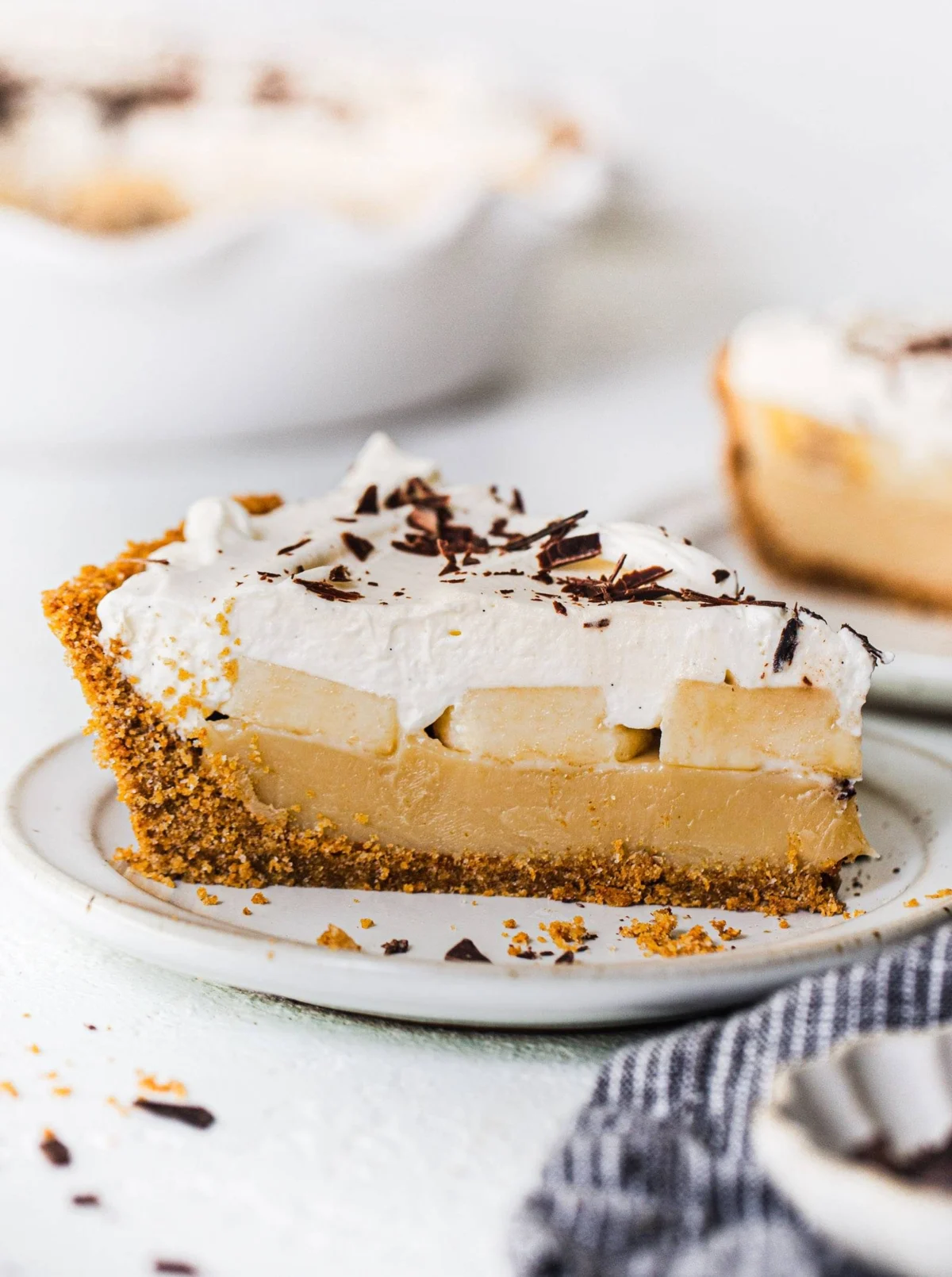
The culinary landscape is constantly evolving, with new flavors and textures emerging to delight palates worldwide. Amidst this dynamic environment, certain dishes rise to prominence, captivating home cooks and professional chefs alike. One such confection that has recently captured the hearts and taste buds of many is the Banoffee Pie. This British-born dessert, a harmonious blend of sweet, salty, creamy, and fruity notes, has transitioned from a niche treat to a widely adored classic, celebrated for its deceptively simple yet profoundly satisfying composition.
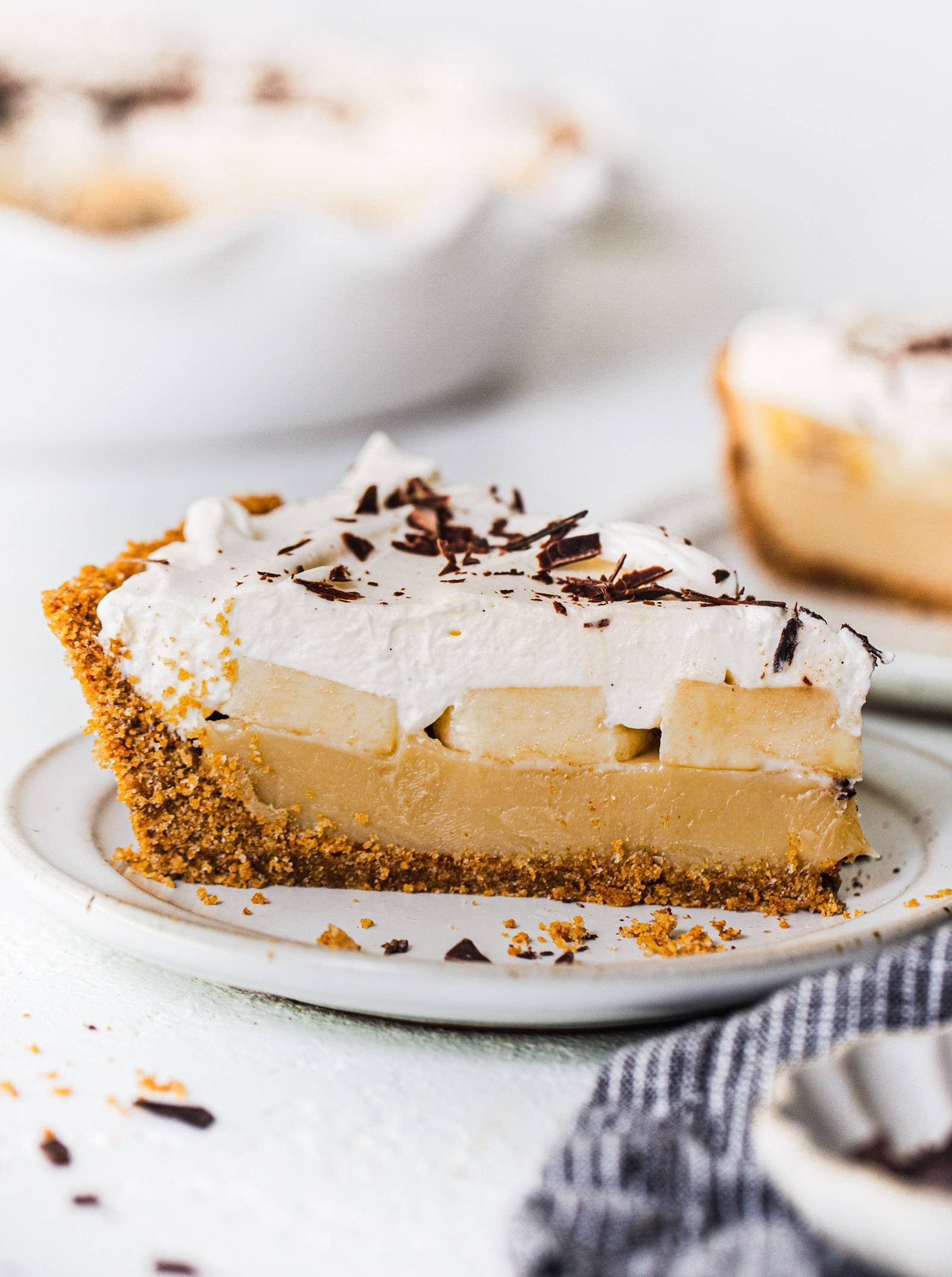
At its core, Banoffee Pie is a testament to the power of a few well-chosen ingredients coming together to create something extraordinary. The foundation of this delightful dessert is a salty-sweet graham cracker crust, providing a sturdy yet crumbly base. This is meticulously layered with a silken toffee or caramel filling, offering a rich, decadent sweetness that melts in the mouth. Nestled atop this luscious layer are freshly sliced bananas, their natural sweetness and soft texture providing a refreshing counterpoint to the intense caramel. The entire creation is crowned with a generous swirl of light and airy whipped cream, adding a cloud-like finish that balances the richness of the pie. This easy dessert recipe, as described by many home bakers, has become a staple, particularly within family gatherings.
The genesis of Banoffee Pie can be traced back to the 1970s in England. Its creation is widely attributed to Nigel Mackenzie and Ian Dowding, who were running The Hungry Monk restaurant in Jevington, East Sussex. They were reportedly experimenting with various dessert combinations, including a variation of an American toffee pie, and developed the banoffee concept by adding bananas. The name itself is a portmanteau, derived from "banana" and "toffee," encapsulating the two star ingredients that define its unique character. The dessert quickly gained popularity, spreading through word-of-mouth and eventually appearing on menus across the United Kingdom and beyond. Its widespread appeal lies in its comforting familiarity, combined with an unexpected yet delightful flavor profile.

The enduring popularity of Banoffee Pie can be further contextualized by the broader trend of "comfort food" and nostalgic desserts. In an increasingly fast-paced world, many individuals seek out familiar flavors and textures that evoke feelings of warmth and security. Banoffee Pie, with its classic ingredients and comforting sweetness, taps into this desire. Furthermore, the rise of social media platforms has played a significant role in its global dissemination. Food bloggers, recipe developers, and home cooks alike share their interpretations and experiences with the dessert, creating a ripple effect that introduces it to new audiences. The visual appeal of a well-made Banoffee Pie, with its distinct layers and creamy topping, also lends itself well to online sharing, further fueling its popularity.
The Anatomy of a Beloved Dessert: Layers of Flavor and Texture
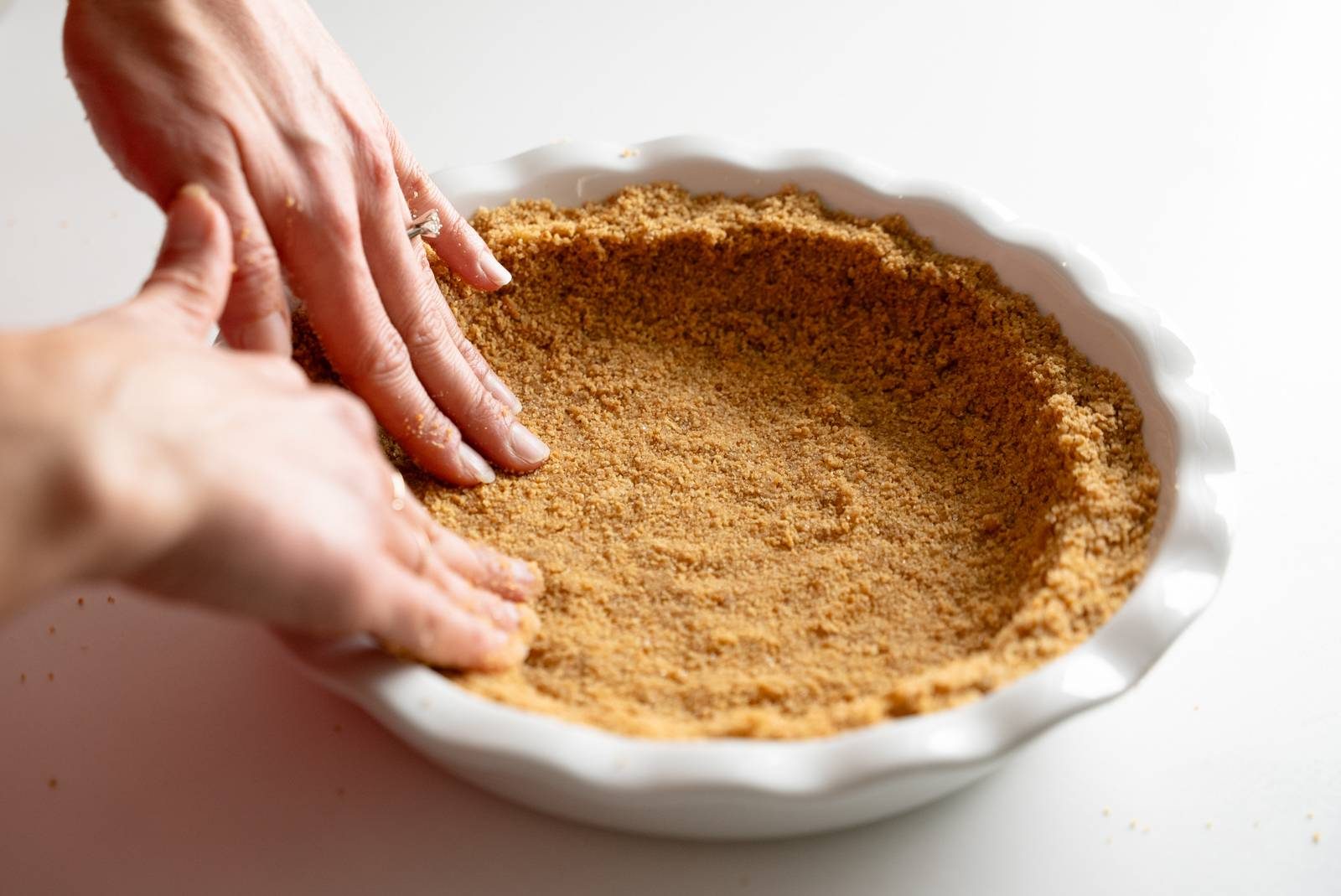
The construction of a Banoffee Pie is a process that rewards attention to detail, resulting in a dessert that is both visually appealing and gastronomically complex. The journey begins with the graham cracker crust. This is typically prepared by crushing graham crackers into fine crumbs, then mixing them with melted butter and a touch of sugar. The resulting mixture is pressed firmly into the bottom and sides of a pie plate, forming a cohesive and sturdy base. The slight saltiness of the graham crackers is crucial, as it provides a vital counterpoint to the intense sweetness of the caramel filling, preventing the pie from becoming cloying. Many home bakers describe the anticipation of tasting these buttery crumbs even before they are baked, a testament to the simple yet profound pleasure of a well-executed crust.
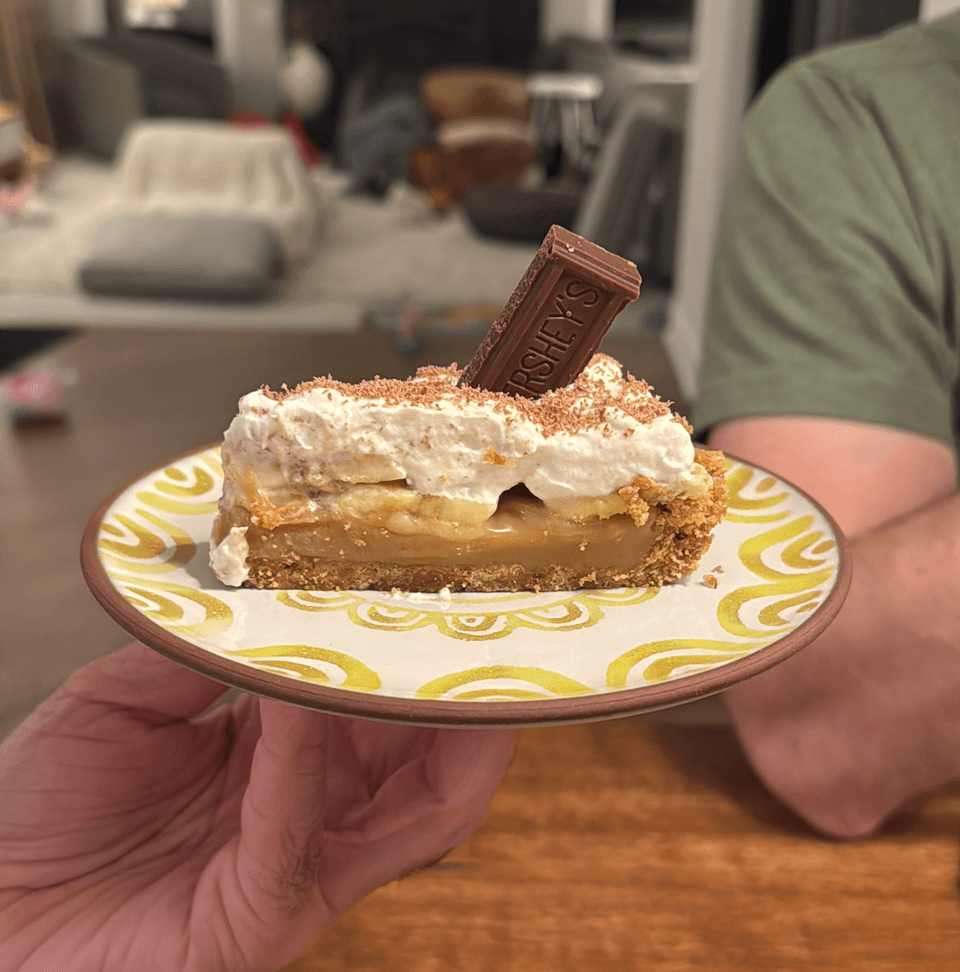
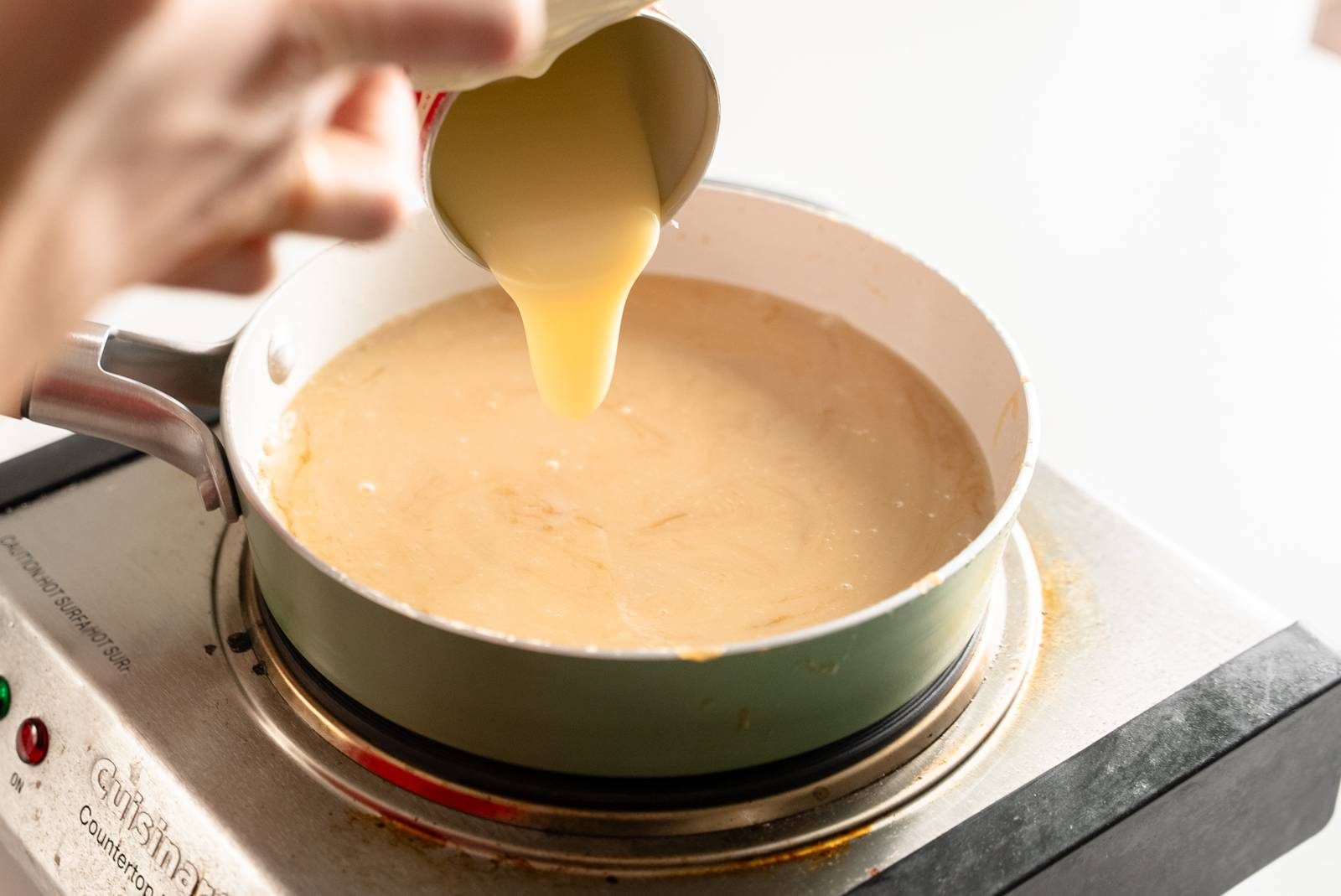
Following the crust, the heart of the Banoffee Pie is its luscious toffee or caramel layer. This is often created by gently cooking sweetened condensed milk, butter, and sugar over low heat for an extended period, stirring continuously. This slow cooking process allows the sugars to caramelize, developing a deep, rich flavor and a smooth, spreadable consistency. The precise cooking time is critical; too little and the caramel will be too runny, too much and it risks becoming too hard or even burning. This stage is often described as requiring patience and vigilance, with many home cooks setting timers and diligently stirring to achieve the perfect texture. The resulting toffee is a decadent, melt-in-your-mouth experience that forms the soul of the pie.
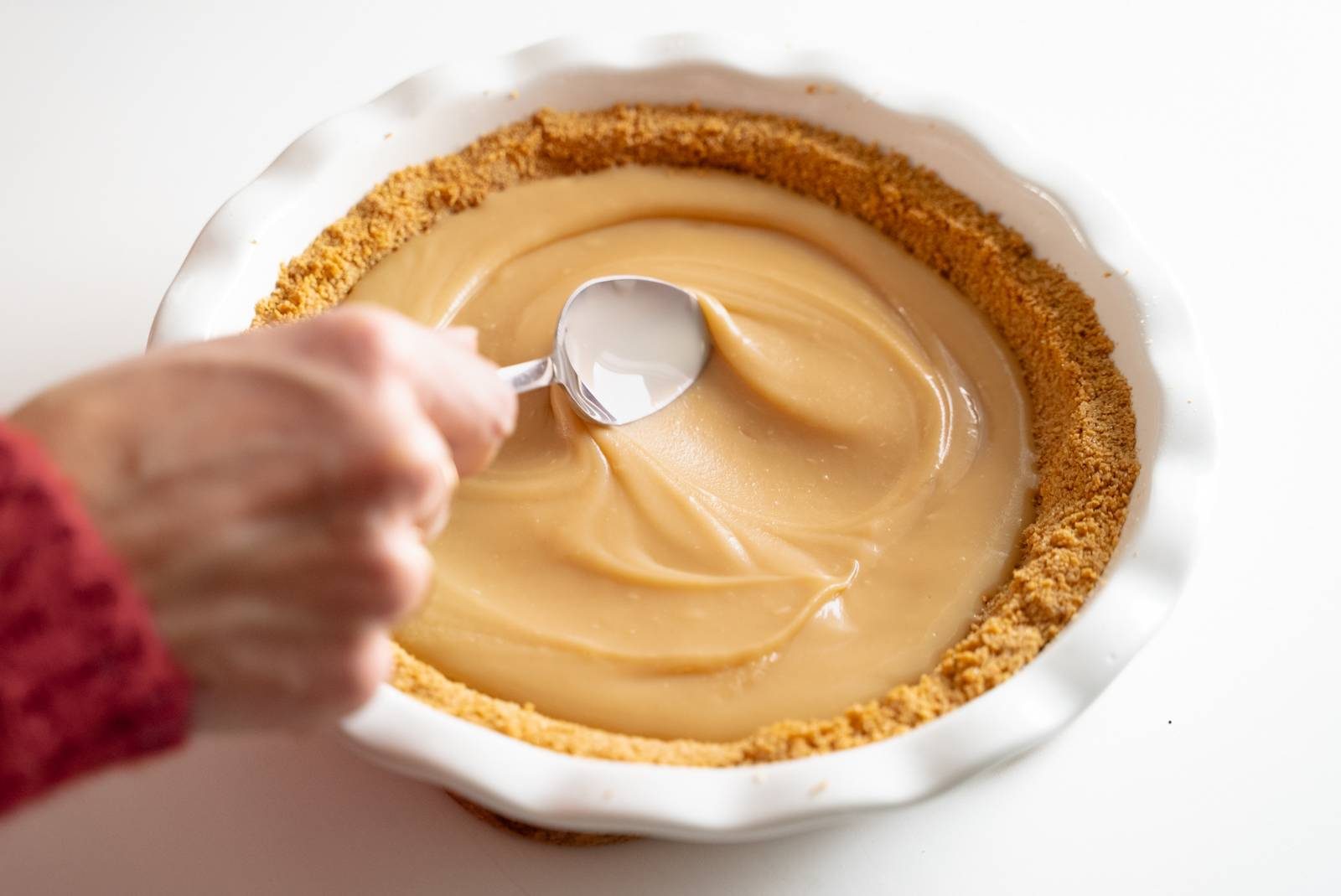
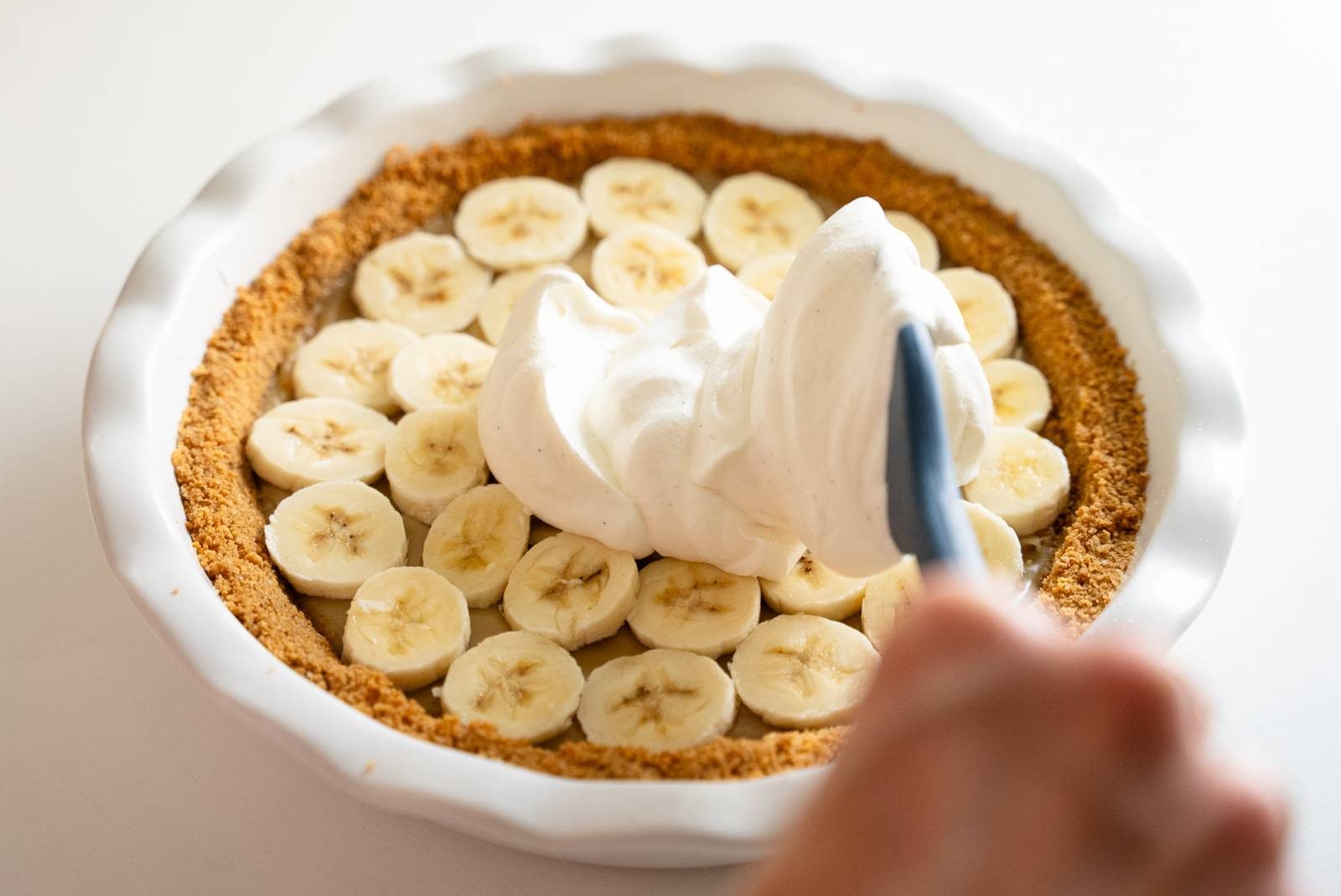
Once the toffee layer has cooled sufficiently, it is spread evenly over the prepared graham cracker crust. The next crucial element is the inclusion of fresh bananas. Sliced thinly, these fruits add a natural sweetness and a delightful textural contrast to the rich caramel. The moisture content of the bananas also contributes to the overall balance of the pie, preventing it from feeling overly dense. Finally, the pie is generously topped with freshly whipped cream. This airy, light element serves to temper the richness of the caramel and the sweetness of the bananas, creating a harmonious and balanced flavor profile. The contrast between the cool, fluffy whipped cream and the dense, sweet layers beneath is a key component of the pie’s irresistible charm.

The "Family Dessert Night" Phenomenon: Cultivating Community Through Confections
The rise of specific recipes often intertwines with personal stories and cultural movements. The author of the original article highlights a personal initiative called "Family Dessert Night," a weekly tradition dedicated to making and enjoying desserts. This concept, while seemingly simple, taps into a broader societal desire for connection and shared experiences. In an era where digital interactions often supersede face-to-face gatherings, the deliberate act of setting aside time for a shared culinary activity can foster stronger bonds within families and communities.
The "Family Dessert Night" initiative, as described, serves multiple purposes. It provides a consistent opportunity for family members to bond over a shared activity, creating lasting memories. It also offers a low-stakes yet enjoyable way to entertain friends and neighbors, fostering a sense of community and belonging. The selection of Banoffee Pie as a "clear winner" within this tradition underscores its universal appeal and its ability to bring joy to a wide range of individuals. The author’s invitation for readers to join this challenge and share the experience further amplifies the concept, suggesting a desire to extend this positive practice beyond their immediate circle.
This movement towards intentional community-building through food is not unique to this particular dessert or author. Across various cultures, shared meals and culinary traditions have always been central to social cohesion. The modern resurgence of interest in home cooking, particularly in the wake of global events that emphasized the importance of domestic life and connection, has further amplified these trends. The Banoffee Pie, in this context, becomes more than just a dessert; it transforms into a vehicle for creating meaningful experiences and strengthening relationships.
Global Reach and Culinary Adaptations
While Banoffee Pie originated in the United Kingdom, its appeal has transcended geographical boundaries. Today, it is a popular dessert in many countries, with various regional adaptations and personalizations. In Australia and New Zealand, for instance, variations might include the use of dulce de leche as a shortcut for the toffee layer or the addition of coffee or chocolate elements. Some recipes may opt for a biscuit base instead of graham crackers, or a meringue topping instead of whipped cream, showcasing the dessert’s versatility.
The global dissemination of Banoffee Pie can be attributed to several factors. The relative ease of sourcing its core ingredients – bananas, condensed milk, butter, and biscuits/crackers – makes it accessible to home bakers worldwide. Furthermore, the inherent deliciousness of the flavor combination – the salty-sweet, creamy, and fruity notes – appeals to a broad spectrum of palates. The internet, as mentioned previously, has played a pivotal role in democratizing culinary knowledge, allowing recipes like Banoffee Pie to reach every corner of the globe with unprecedented speed and ease.
The continued popularity of Banoffee Pie also speaks to the enduring appeal of simple yet elegant desserts. It represents a balance between indulgence and approachability, offering a sophisticated flavor profile without requiring overly complex techniques or exotic ingredients. This accessibility ensures its place in both casual home kitchens and more formal dining establishments, solidifying its status as a beloved dessert for generations to come.
Expert Insights and Culinary Analysis
From a culinary perspective, the success of Banoffee Pie can be attributed to several key principles of flavor pairing and textural contrast. The interplay between the salty graham cracker crust and the sweet caramel is a classic example of the "sweet and salty" combination, a flavor profile that is universally appealing. The salt enhances the perception of sweetness and adds complexity to the overall taste. The creamy, rich texture of the toffee and whipped cream is beautifully balanced by the soft, slightly yielding texture of the fresh bananas. This contrast prevents the dessert from becoming monotonous and keeps the palate engaged.
The density of the Banoffee Pie is another characteristic that contributes to its appeal. It is a rich dessert, often requiring only a small slice to satisfy a craving. This richness, however, is not overwhelming due to the presence of the bananas and whipped cream, which provide lighter elements. The visual appeal of the pie, with its distinct layers and often artfully piped whipped cream, also plays a significant role in its desirability.
The "Notes" section from the original article provides valuable insights into the practical considerations of making and storing Banoffee Pie. The observation that leftovers can become "wetter and messier" due to liquid release from the bananas and whipped cream, and that bananas may brown over time, is a common challenge with this dessert. This suggests that Banoffee Pie is best enjoyed fresh, ideally on the day it is made, to preserve its optimal texture and appearance. The mention of potential "browned bits" in the caramel from butter and brown sugar caramelizing is also a practical tip, reassuring bakers that such occurrences are normal and do not detract from the flavor. These practical considerations, shared by experienced bakers, contribute to the overall usefulness of the recipe and help demystify the process for novice cooks.
The Banoffee Pie stands as a testament to the power of simple, well-executed ingredients to create a dessert that is both comforting and exciting. Its journey from a small British restaurant to a global culinary phenomenon underscores its enduring appeal. Whether enjoyed as part of a cherished "Family Dessert Night" or as a standalone treat, the Banoffee Pie continues to captivate with its perfect balance of flavors and textures, solidifying its place as a timeless classic in the world of desserts.
