
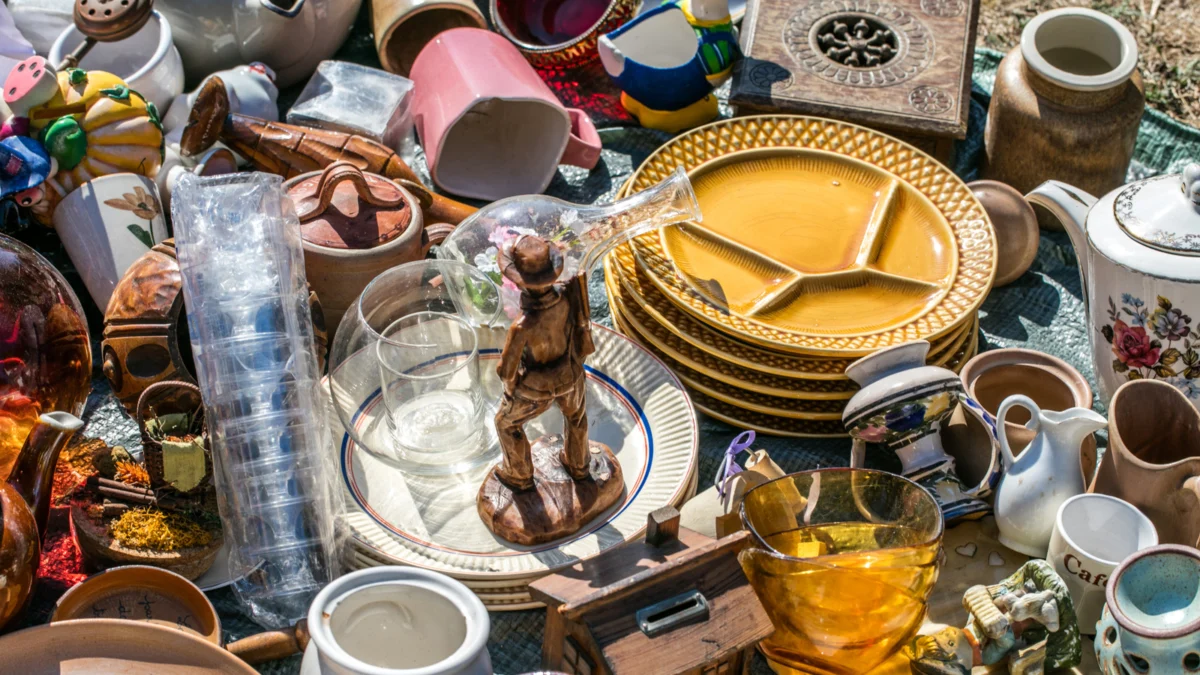
The common impulse to declutter and donate to thrift stores often encounters an unexpected hurdle when it comes to larger kitchen appliances. While smaller kitchen gadgets, cookware, and baking essentials are generally welcomed by organizations like Goodwill and other secondhand shops, major appliances such as stoves, ovens, dishwashers, and refrigerators are frequently refused. This practice, while seemingly counterintuitive to the spirit of donation and reuse, stems from a complex interplay of logistical, safety, and legal considerations faced by these charitable enterprises. Understanding these limitations is crucial for individuals looking to responsibly rehome their unwanted, yet still functional, household items.
The primary reasons behind the refusal of large appliances by many thrift stores revolve around practical challenges and potential liabilities. For organizations like Goodwill, the stated reasons often include legal and liability risks, the presence of hazardous materials, and the significant costs associated with recycling and disposal. Large appliances, particularly older models, can contain refrigerants (like Freon) that are harmful to the environment and require specialized handling and disposal procedures, incurring substantial fees. Furthermore, the sheer size and weight of these items present logistical nightmares for donation centers. They require significant space for storage, specialized equipment for loading and unloading, and often dedicated transportation, which can strain the resources of non-profit organizations that operate on tight budgets and rely heavily on volunteer labor.
Another significant factor is the potential for non-functional items to enter the donation stream. While thrift stores aim to sell usable goods, the thorough testing of every large appliance for full functionality can be an overwhelming task. A non-working refrigerator or stove, if accepted, would not only fail to generate revenue but could also lead to customer dissatisfaction and potential safety hazards if it were to be improperly handled or installed by a new owner. The risk of accepting an item that is broken or unsafe to operate is a gamble many thrift stores are unwilling to take. This policy extends beyond national chains; many smaller, independent thrift and secondhand stores also implement similar restrictions due to their own resource limitations and operational constraints.
The Growing Trend of Appliance Donation Rejection
The trend of thrift stores declining large appliances is not a new phenomenon, but it has become more pronounced as regulations surrounding hazardous waste and appliance disposal have tightened. Historically, many of these items might have been accepted, but evolving environmental standards and increasing insurance premiums have made the acceptance of large appliances a less tenable proposition for many charities. For instance, the Environmental Protection Agency (EPA) has regulations in place regarding the handling of refrigerants, which are classified as hazardous substances. Compliance with these regulations adds a layer of complexity and cost that many smaller donation centers are ill-equipped to manage.
Alternatives for Rehoming Large Appliances
Fortunately, individuals facing the dilemma of how to dispose of unwanted large kitchen appliances are not without options. When an appliance is still in good working order, several avenues can be explored beyond the traditional thrift store donation. One straightforward approach is to list the item on local online marketplaces, such as Facebook Marketplace, Craigslist, or specialized buy-and-sell groups. Clearly stating that the appliance is in good working condition and offering it for free or a nominal fee can attract individuals who are in need of such items and are willing to pick them up. This direct approach bypasses the logistical hurdles faced by donation centers and ensures the appliance goes directly to someone who can use it.
Another avenue to explore is Habitat for Humanity ReStores. While their acceptance policies can vary by location and often come with specific stipulations, many ReStores do accept large appliances. However, it is imperative to contact the local ReStore branch before attempting a donation. They typically require appliances to be in good working order and may have age restrictions or specific types of appliances they can accept. For example, a ReStore might accept a refrigerator that is less than 10 years old and in perfect working condition, but reject a significantly older, non-functional unit. This proactive step can save considerable time and effort.
Creative Repurposing and Disposal
Even for appliances that are no longer functional, there are innovative ways to give them a second life, moving beyond traditional waste streams. For those with a creative inclination, a defunct refrigerator can become a canvas for "fridgescaping," a hobby that involves transforming old refrigerators into artistic installations or functional outdoor storage units. This not only diverts waste from landfills but also adds a unique aesthetic element to a garden or yard.
In agricultural settings, broken chest freezers can find a practical use as grain and feed storage. Their sealed nature effectively deters rodents and other pests, protecting valuable livestock feed. This practical repurposing highlights how even non-functional items can serve a valuable purpose within specific communities or industries.
For appliances that are truly at the end of their lifespan and cannot be repurposed, responsible disposal remains paramount. Many municipalities offer bulk item pickup services, often on scheduled days, for large appliances. These services typically ensure that the appliances are dismantled properly, with recyclable components, such as metals, being salvaged. Additionally, appliance retailers often provide removal and recycling services when you purchase a new appliance, ensuring that the old one is disposed of in an environmentally sound manner. Checking with local waste management authorities for specific guidelines on appliance disposal is always recommended to ensure compliance with local regulations.
The Broader Impact of Appliance Donation Policies
The policies of thrift stores regarding large appliances have broader implications for waste reduction and resource conservation. While these organizations are invaluable for diverting usable goods from landfills, their limitations in accepting bulky items mean that many functional appliances may still end up as waste. This underscores the importance of consumer awareness and the development of more robust infrastructure for the donation and recycling of large household goods.
The economic impact of such policies is also noteworthy. For individuals on tight budgets, the availability of affordable, secondhand large appliances can be a significant financial relief. When these items are unavailable through traditional donation channels, it can force individuals to seek out new, more expensive options or, in the worst-case scenario, live without essential appliances. This highlights the social equity aspect of donation policies and the need for inclusive solutions.
The challenges faced by thrift stores in handling large appliances also point to a potential market for specialized donation and recycling services. Businesses that focus specifically on the collection, refurbishment, and resale of large appliances, or those that specialize in their safe and compliant dismantling and recycling, could fill a critical gap. Such services would not only support environmental goals but also provide a vital resource for both donors and recipients.
In conclusion, while the intention to donate unwanted items to thrift stores is commendable, it is essential to understand the practical and logistical constraints that many organizations face. Large kitchen appliances, due to their size, potential hazards, and disposal complexities, are often not accepted. However, a range of alternative options exists, from online marketplaces and specialized charities like Habitat for Humanity ReStores to creative repurposing and responsible disposal services. By understanding these alternatives, individuals can ensure their unwanted appliances are handled in a way that benefits both the community and the environment, moving beyond the limitations of traditional thrift store donations. The continued evolution of donation and recycling practices will be crucial in maximizing the lifespan of household goods and minimizing their environmental footprint.
