
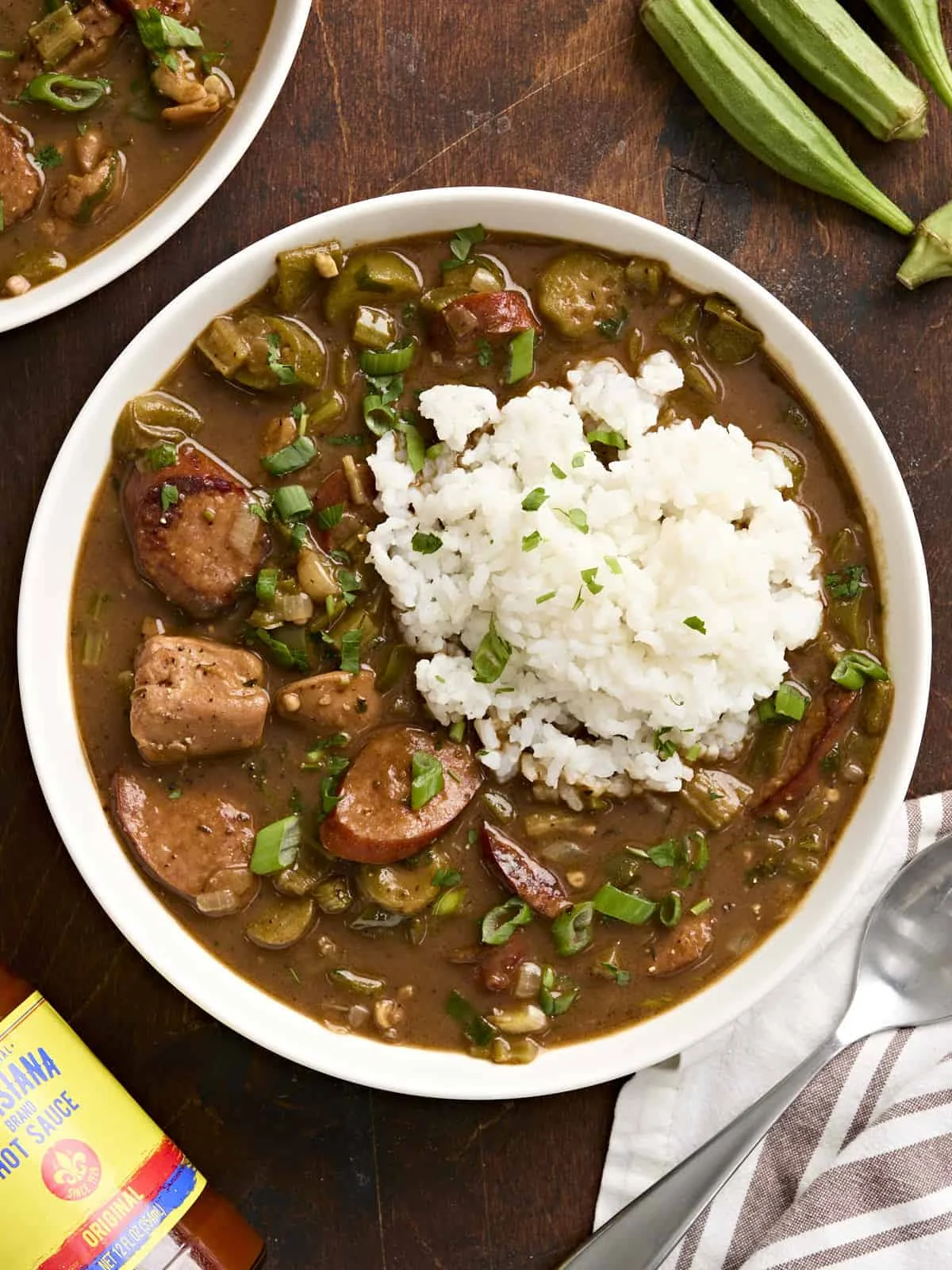
The culinary landscape of the American South is perhaps best represented by gumbo, a dish that serves as a gastronomic microcosm of Louisiana’s complex colonial and indigenous history. More than a mere stew, gumbo is a technical achievement that requires a sophisticated understanding of heat management, patience, and the fusion of disparate cultural influences. Recent developments in the culinary world, highlighted by the rigorous testing standards of institutions such as the Nashville Test Kitchen, have sought to democratize this labor-intensive dish, making it accessible to home cooks while maintaining the structural integrity required to satisfy traditionalists. By examining the chemical processes of the roux, the socio-economic benefits of regional proteins, and the historical provenance of its ingredients, one gains a clearer understanding of why gumbo remains a cornerstone of American regional cuisine.
Historical Provenance and Cultural Fusion
Gumbo is an etymological and culinary descendant of several distinct traditions. The name itself is widely believed to be derived from the West African word for okra, kingombo, reflecting the significant influence of enslaved Africans on the region’s foodways. Simultaneously, the dish incorporates the French technique of the roux—a mixture of fat and flour—and the Spanish sofrito concept, which evolved in the Americas into the "holy trinity" of onions, celery, and bell peppers. Choctaw Native Americans contributed filé powder, made from ground sassafras leaves, providing another thickening agent and a distinct earthy flavor.
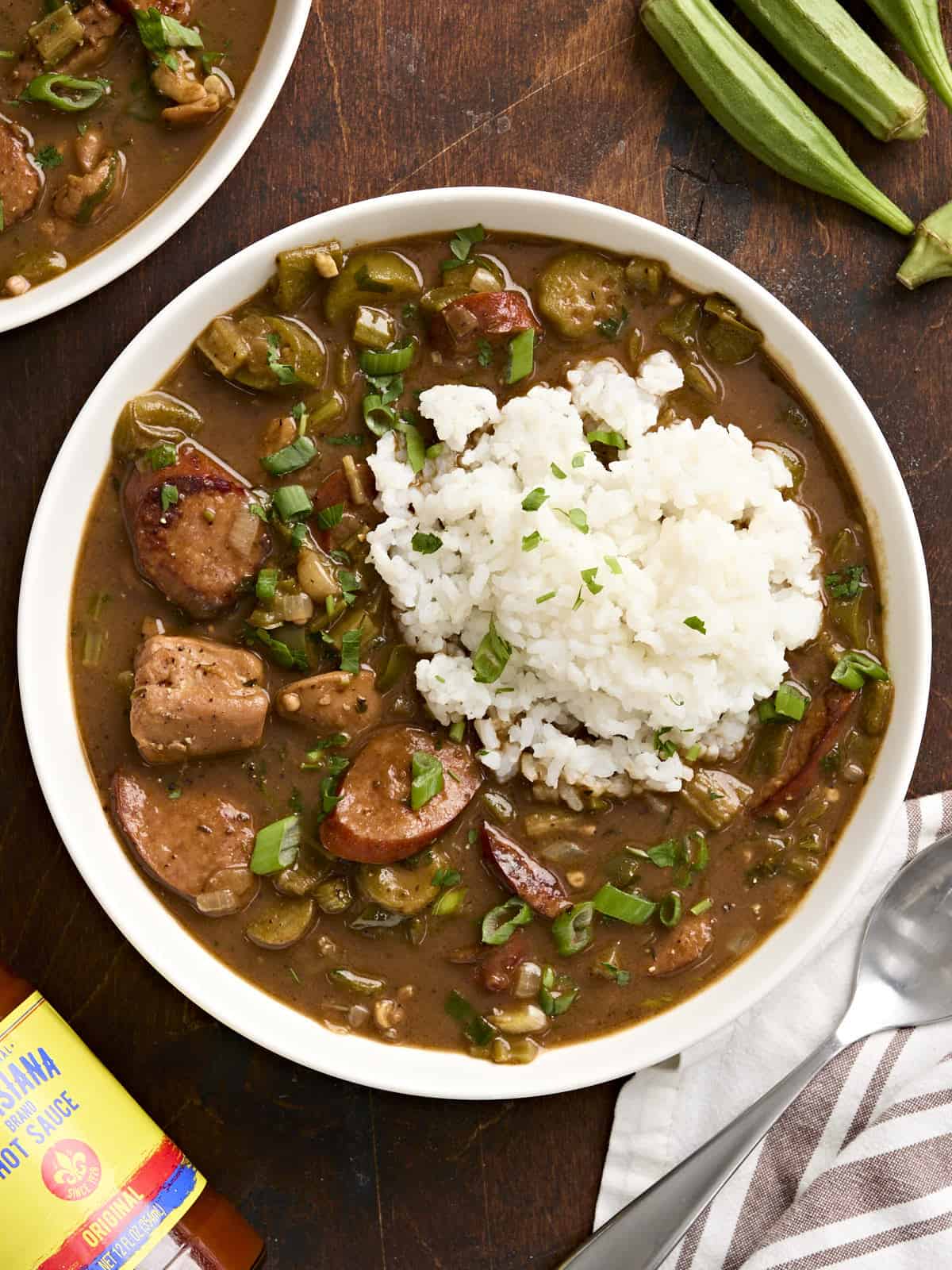
This intersection of cultures created a dish that is infinitely adaptable. In coastal regions, seafood-based gumbos utilizing blue crab and shrimp are prevalent. Inland, "Cajun" gumbo typically favors land-based proteins like chicken and smoked sausage. The modern iteration of the dish, as developed by culinary experts like Melissa Nolan, focuses on the Cajun style, utilizing andouille sausage and chicken thighs to create a robust, savory profile that is both historically resonant and economically sustainable for contemporary households.
The Chemistry of the Roux: A Chronology of Flavor
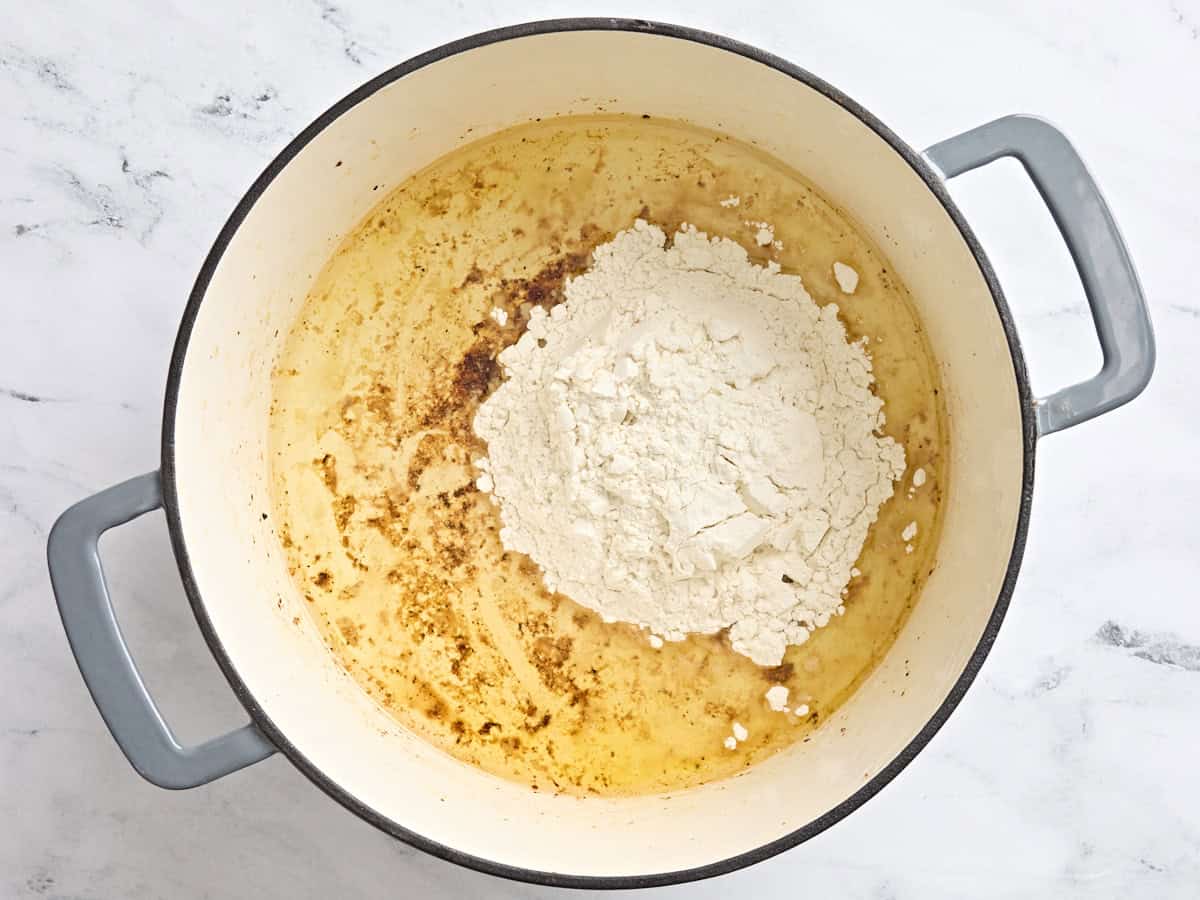
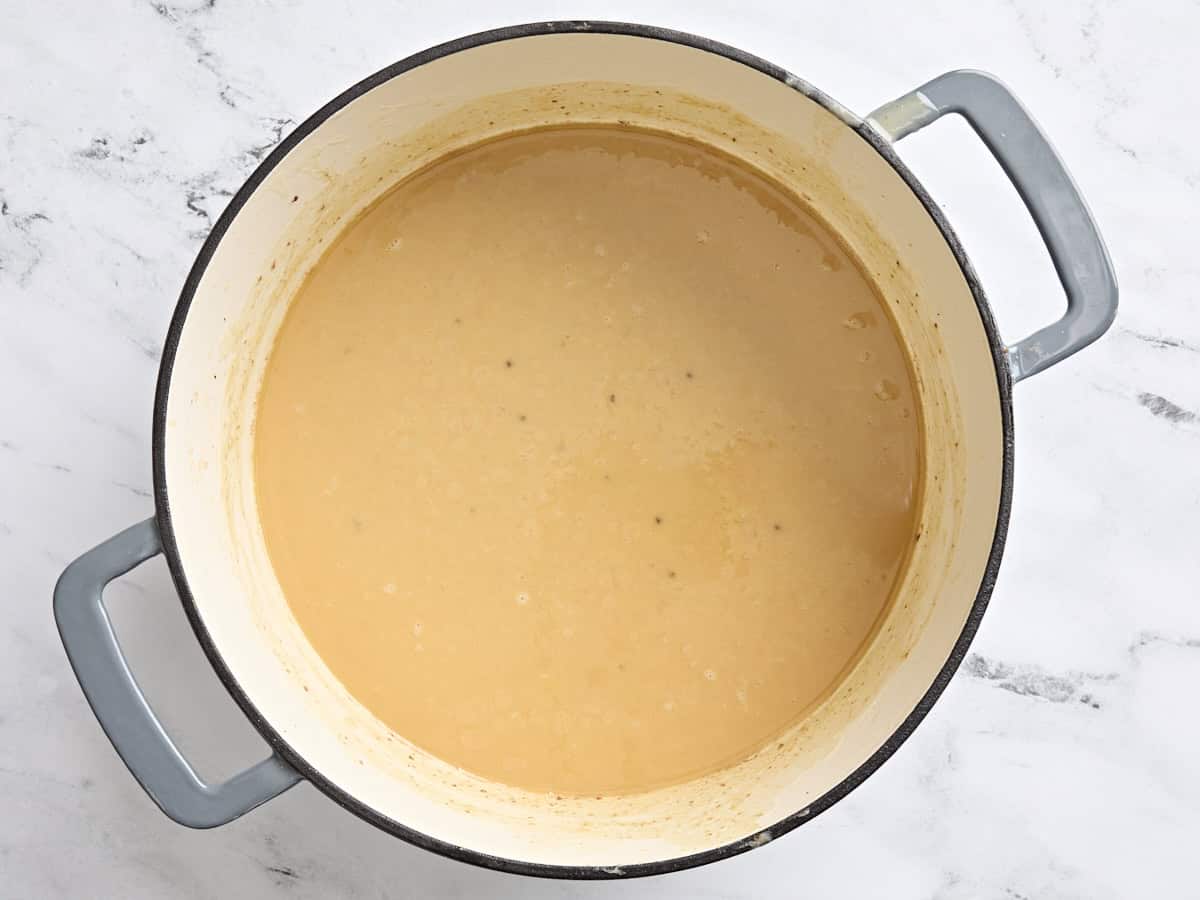
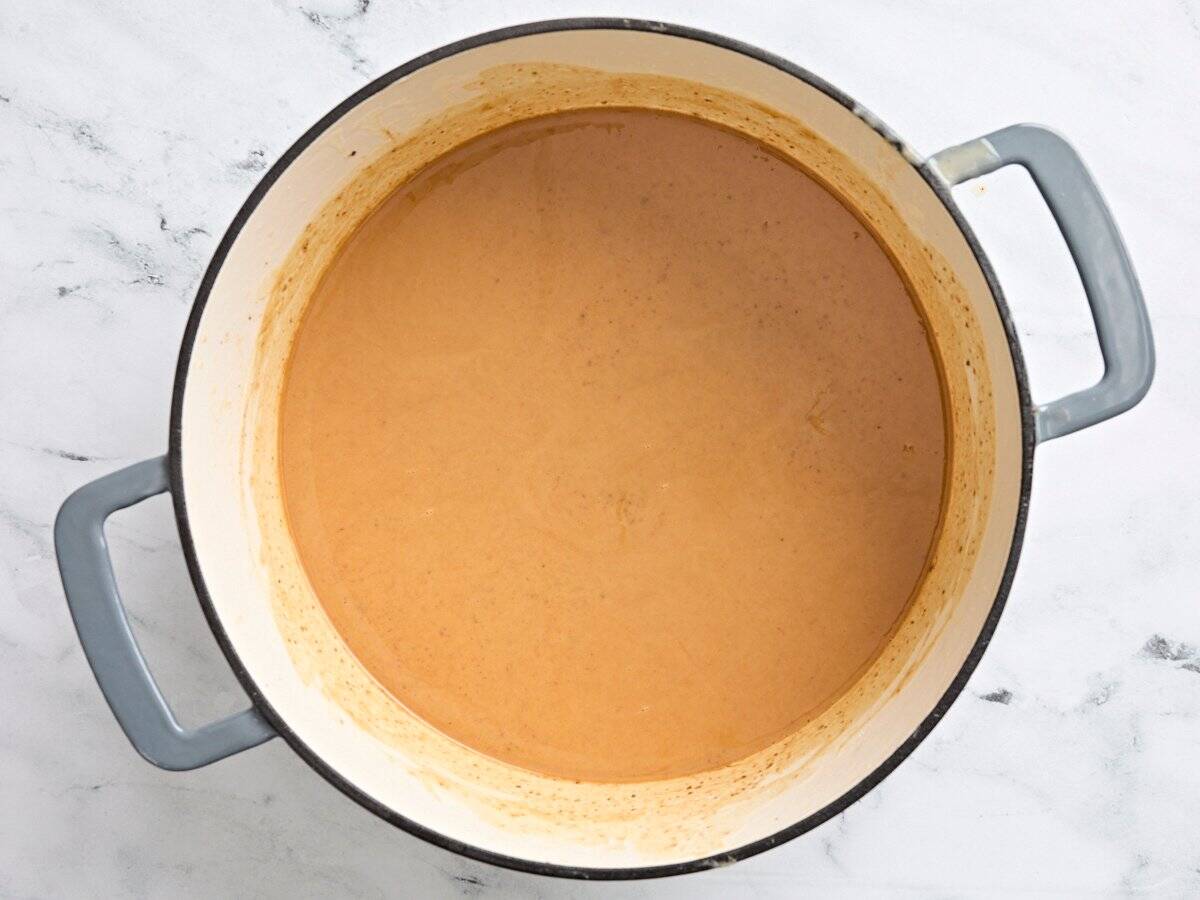
The defining characteristic of any authentic gumbo is the roux. Unlike the light, blonde rouxs used in French mother sauces like Béchamel, a gumbo roux is cooked far past the point of initial starch gelatinization. This process is a chronological exercise in patience, often requiring up to two hours of constant agitation over medium-low heat.
- The Initial Phase: The mixture of vegetable oil and all-purpose flour begins as a pale paste. At this stage, the thickening power of the flour is at its peak, but the flavor is neutral.
- The Blonde to Peanut Butter Stage: As the temperature remains consistent, the Maillard reaction begins to occur. The flour undergoes a chemical transformation, developing a nutty aroma and a golden hue.
- The Copper to Chocolate Stage: This is the most critical period in gumbo preparation. As the roux darkens to the color of a weathered copper penny or dark chocolate, the starch molecules break down. While this reduces the roux’s ability to thicken the liquid, it exponentially increases the depth of flavor, adding smoky, toasted notes that define the final dish.
- The Risk of Carbonization: A roux must be stirred without interruption. If the flour reaches the point of carbonization—indicated by black specks or an acrid smell—the entire base must be discarded. The bitterness of a burnt roux cannot be masked by seasonings, making this the most technically demanding phase of the recipe.
Experts emphasize that "rushing the roux" by increasing the heat often leads to uneven cooking. A successful gumbo is predicated on the slow development of these complex carbon compounds, which provide the dark, silken body of the stew.
Economic Analysis of Modern Gumbo Preparation
In an era of fluctuating food prices, gumbo stands out as a high-yield, budget-friendly meal. Data from recipe developers at Budget Bytes indicates that a high-quality, eight-serving batch of gumbo can be produced for approximately $15.06, resulting in a per-serving cost of just $1.88. This economic efficiency is achieved through strategic ingredient selection.
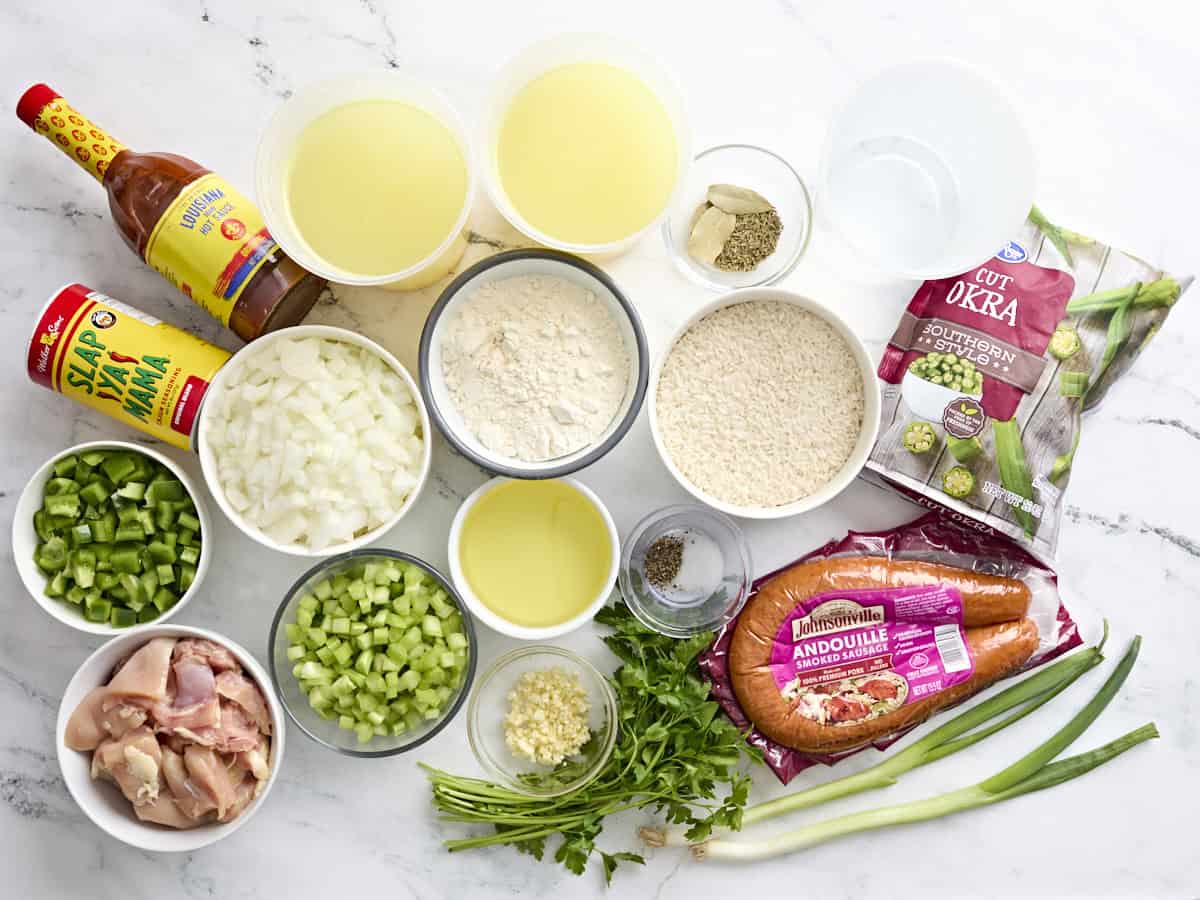
Chicken thighs are frequently recommended over chicken breasts due to their higher fat content and connective tissue, which break down during a long simmer to provide a superior mouthfeel without the dryness associated with leaner cuts. Furthermore, the use of frozen okra is a noted cost-saving measure. Okra serves a dual purpose in gumbo: it acts as a secondary thickener due to its mucilaginous properties and adds a distinct vegetal sweetness. By utilizing frozen varieties, cooks can bypass the seasonal price spikes and the labor of trimming fresh pods without sacrificing the nutritional or structural benefits of the vegetable.
The inclusion of andouille sausage—a heavily spiced, smoked pork product—allows for a "flavor-forward" approach. Because andouille is highly concentrated in spices and smoke, a relatively small amount can season a large volume of broth, further driving down the cost per serving while maintaining a premium flavor profile.
Nutritional Profile and Dietary Implications
A standard serving of chicken and andouille gumbo, including a portion of white rice, offers a substantial nutritional profile. According to data from the Nashville Test Kitchen, a single serving contains approximately 673 calories, with a macronutrient breakdown of 27 grams of protein, 37 grams of fat, and 58 grams of carbohydrates.
While the dish is high in sodium (approximately 1,280 mg per serving), largely due to the cured nature of andouille sausage and the use of Cajun seasoning blends, it also provides essential fiber (4 grams) and high-quality protein. For those monitoring sodium intake, culinary analysts suggest utilizing homemade, low-sodium chicken broths or creating custom Cajun spice blends that omit salt in favor of higher concentrations of paprika, cayenne, and garlic powder.

Technical Execution and Step-by-Step Methodology
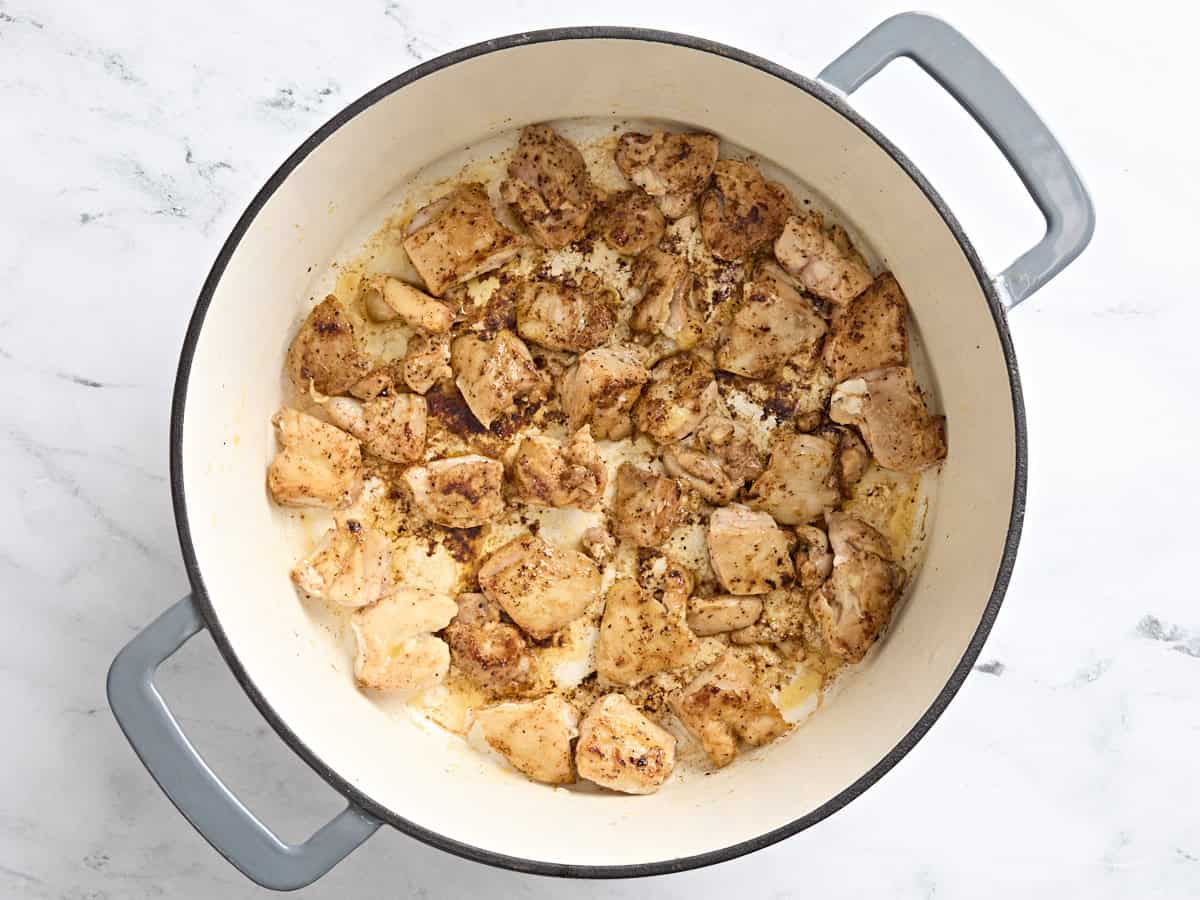
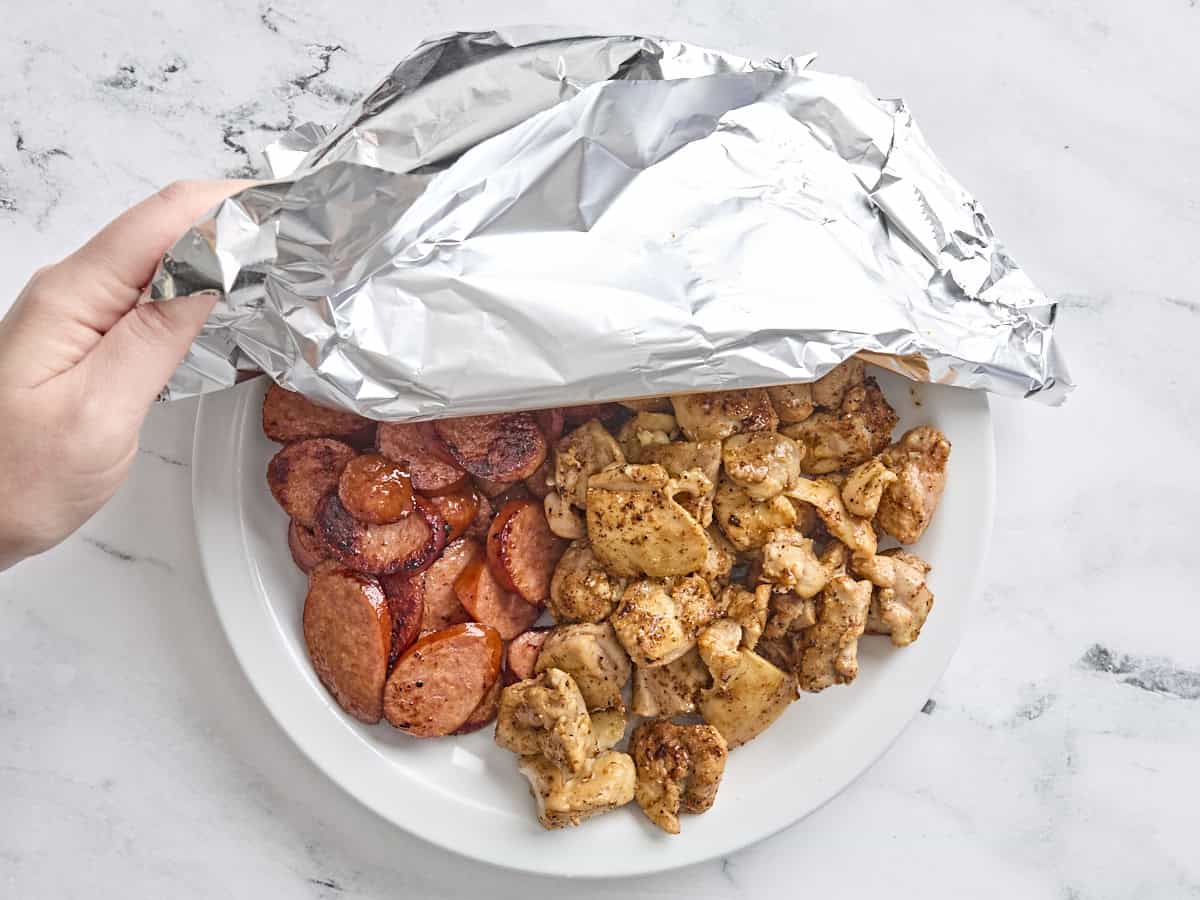
The assembly of a professional-grade gumbo follows a strict sequence designed to layer flavors. The process begins with the searing of meats. Browning the sliced andouille and seasoned chicken thighs in a large skillet creates a "fond"—the caramelized bits of protein stuck to the bottom of the pan—which is later deglazed and integrated into the stew.
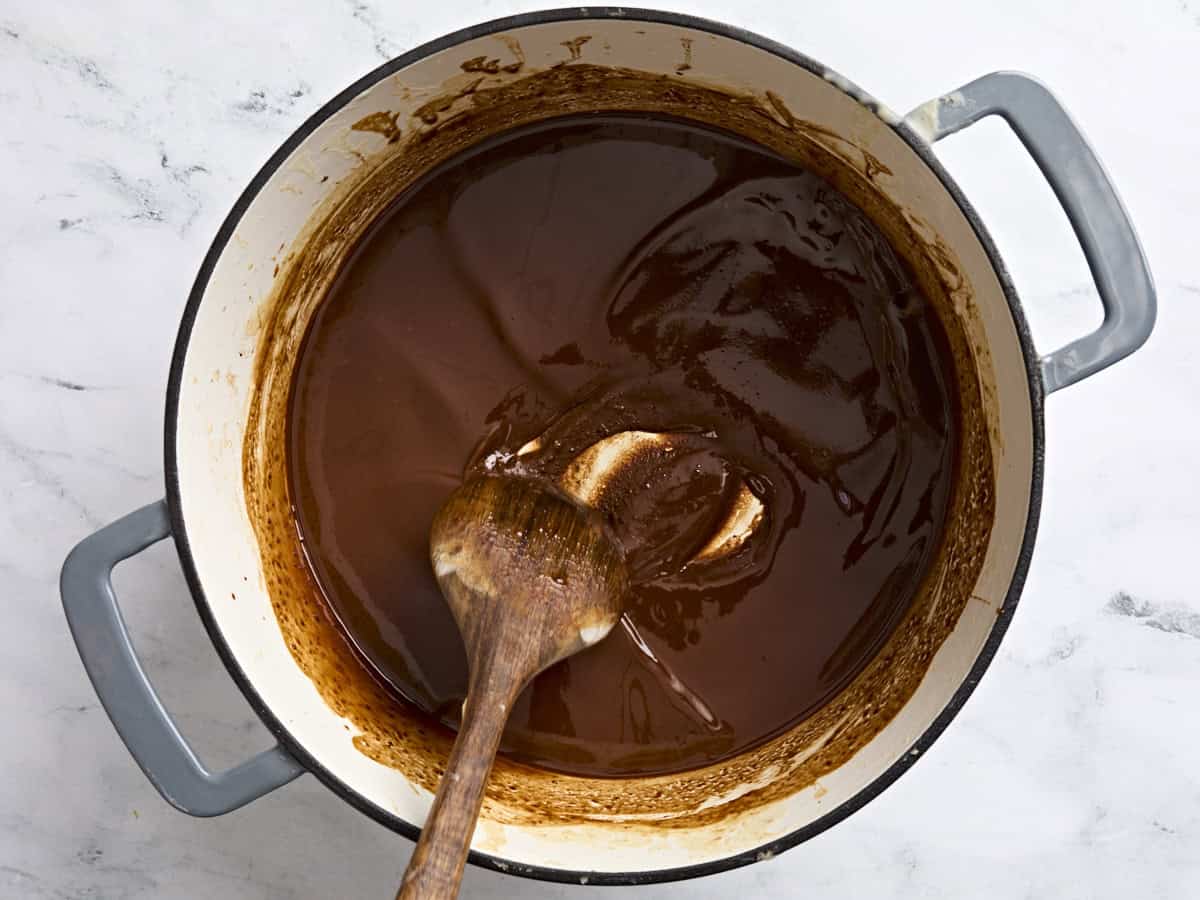
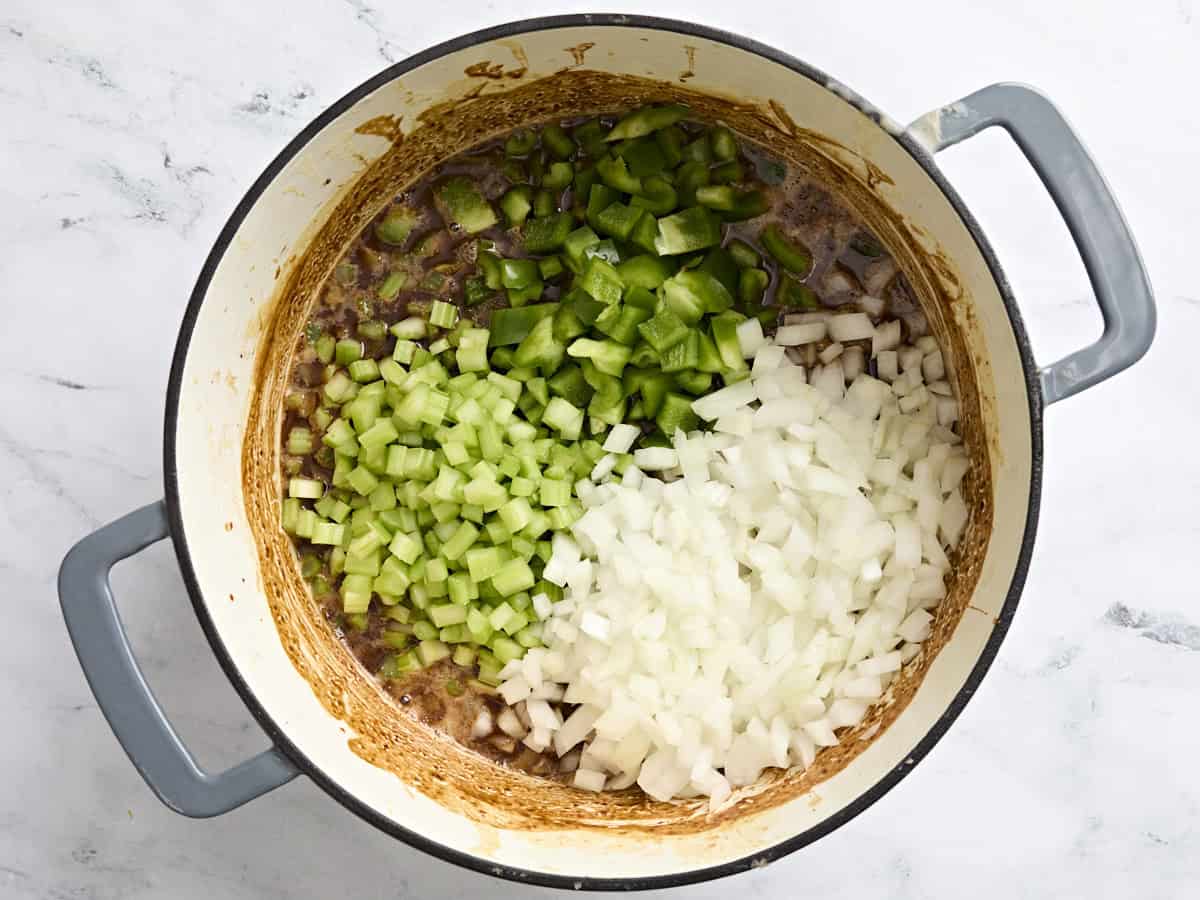
Following the meat preparation, the long-form roux is developed. Once the roux reaches a deep mahogany color, the "holy trinity" (onion, celery, and bell pepper) is introduced. The moisture from the vegetables serves to instantly halt the cooking process of the roux, preventing it from burning while the aromatics soften and release their sugars.
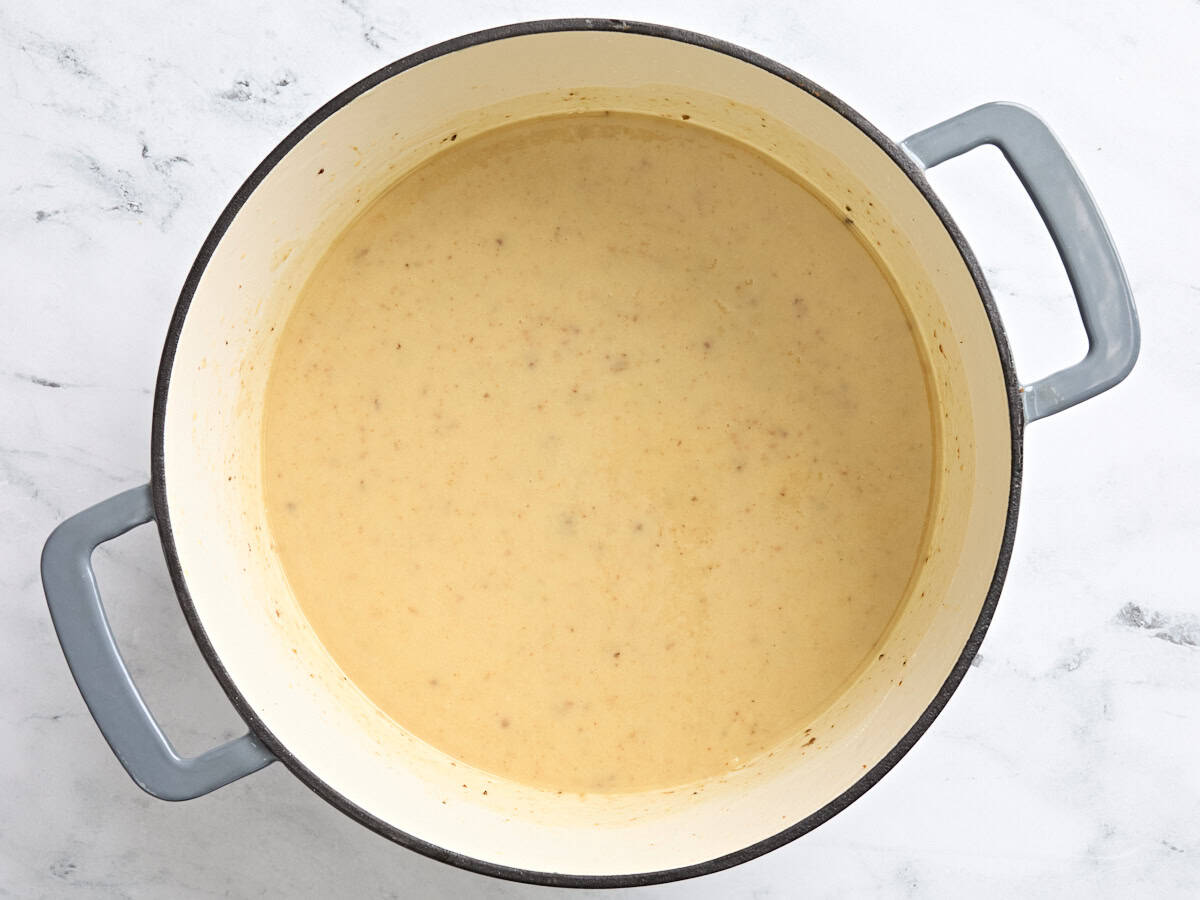
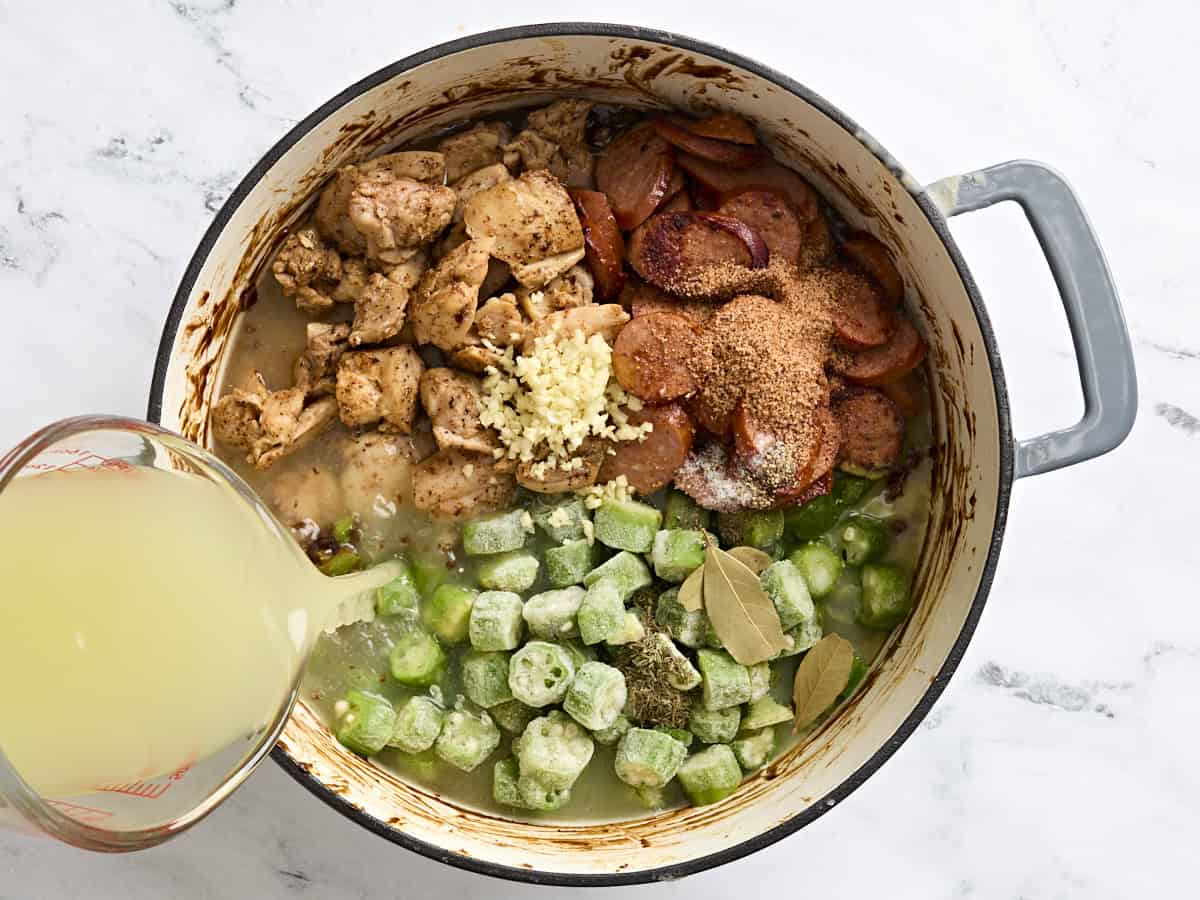
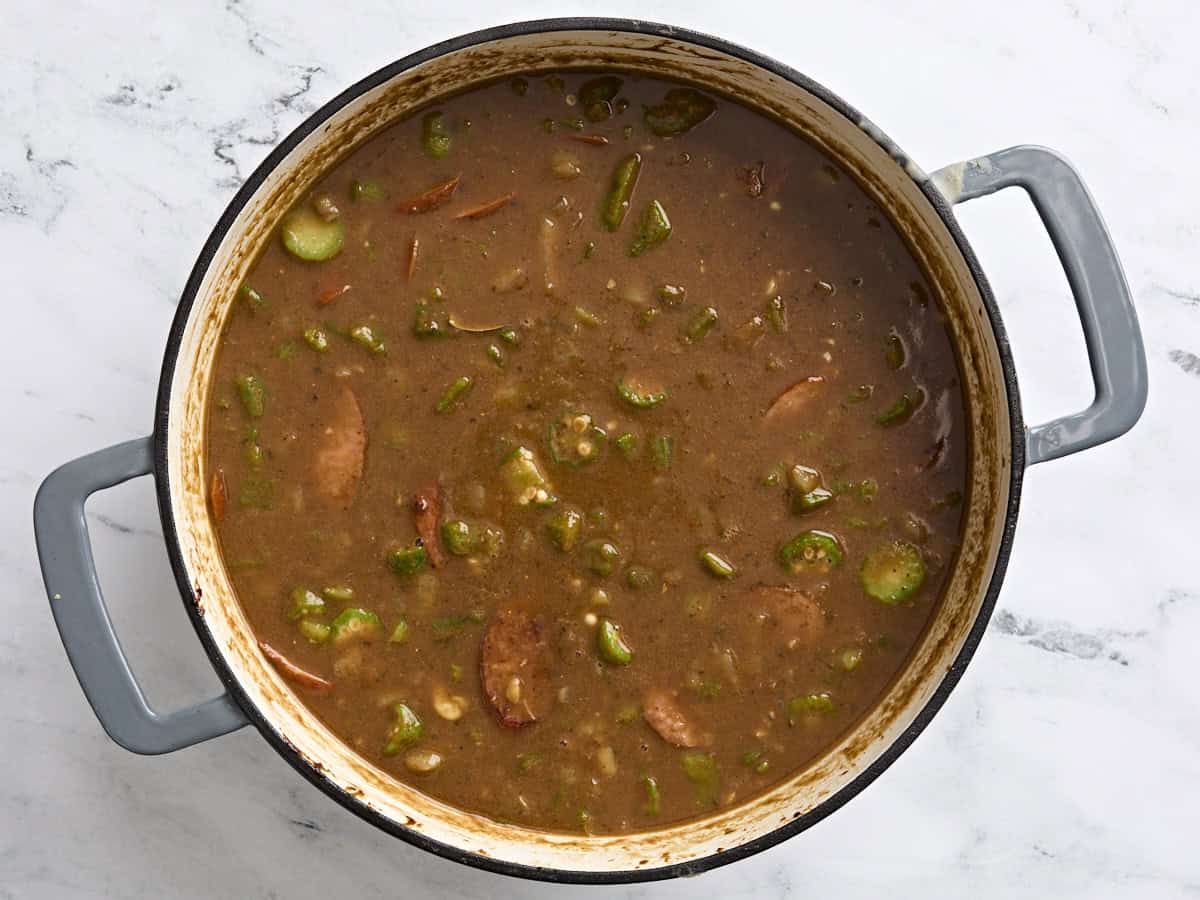
The final phase involves the integration of liquids and simmering. The addition of chicken broth, garlic, okra, bay leaves, and dried thyme transforms the base into a cohesive stew. A simmer time of at least 30 minutes is required to allow the proteins to tenderize and the roux to fully emulsify with the broth. The addition of hot sauce and fresh aromatics like parsley and green onions in the final five minutes provides a bright, acidic contrast to the deep, heavy flavors of the base.
Broader Impact and Regional Significance
Gumbo’s enduring popularity is a testament to its role as a "soul food" that transcends socio-economic boundaries. In Louisiana, the dish is a staple of both humble home kitchens and five-star New Orleans establishments. The passionate debates over the "correct" recipe—whether to include tomatoes (Creole style) or exclude them (Cajun style), or whether to use filé powder versus okra—highlight the dish’s status as a living piece of cultural heritage.
Furthermore, the storage capabilities of gumbo make it a practical solution for modern meal planning. The flavors of the stew continue to develop and meld over time, leading many aficionados to claim that gumbo is superior on the second or third day. It also possesses a high degree of "freeze-thaw" stability; the high fat content and emulsified roux protect the texture of the proteins and vegetables during long-term cold storage.

Conclusion: The Modern Legacy of an Ancient Dish
As culinary traditions continue to evolve, gumbo remains a vital link to the past. The work of recipe developers in Nashville and beyond ensures that the techniques of the "Louisiana MawMaws" are preserved while being adapted for the efficiency required by the 21st-century cook. By prioritizing the slow-cooked roux and the "holy trinity," today’s chefs honor the diverse ancestors who contributed to this iconic American dish. Gumbo is more than a meal; it is a persistent reminder of the beauty that arises when different cultures, through necessity and creativity, merge their flavors into a single, comforting bowl.
