
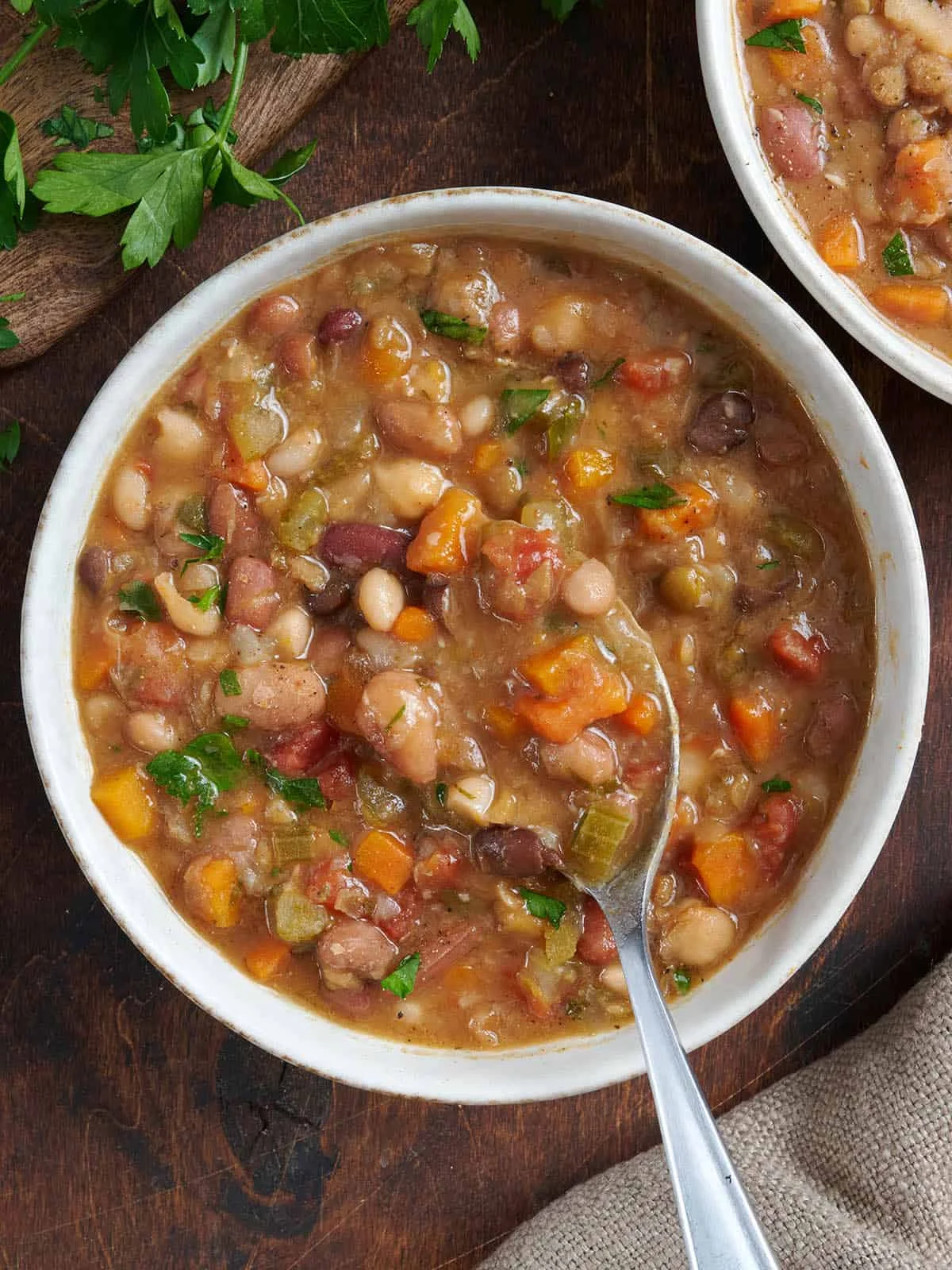
The pursuit of nutrient-dense, cost-effective meal solutions has led to a resurgence in the popularity of pulse-based diets, with the vegetarian 15 bean soup emerging as a primary example of culinary efficiency. This dish, which leverages the high protein and fiber content of diverse legume varieties, offers a strategic response to rising food inflation and the growing consumer demand for plant-based nutrition. By utilizing dried beans—a shelf-stable pantry staple—the recipe achieves a remarkably low price point of approximately $0.85 per serving, while providing a significant portion of the recommended daily intake for essential nutrients. The 15 bean soup is characterized by its complex texture and deep flavor profile, achieved through a combination of aromatic vegetables, specific spice layering, and a long-simmering process that maximizes the natural starches of the legumes.
The Economic and Nutritional Landscape of Legumes
In the current economic climate, where the Bureau of Labor Statistics frequently reports fluctuations in the Consumer Price Index for food, the financial viability of ingredients becomes a paramount concern for many households. Dried beans represent one of the most cost-effective sources of protein available on the global market. Unlike fresh produce or meat, which have limited shelf lives and are subject to rapid spoilage, dried pulses can be stored for years without losing their nutritional integrity. The 15 bean soup recipe, which totals roughly $6.76 for a batch of eight servings, demonstrates how strategic ingredient selection can reduce household grocery expenditures without sacrificing health benefits.
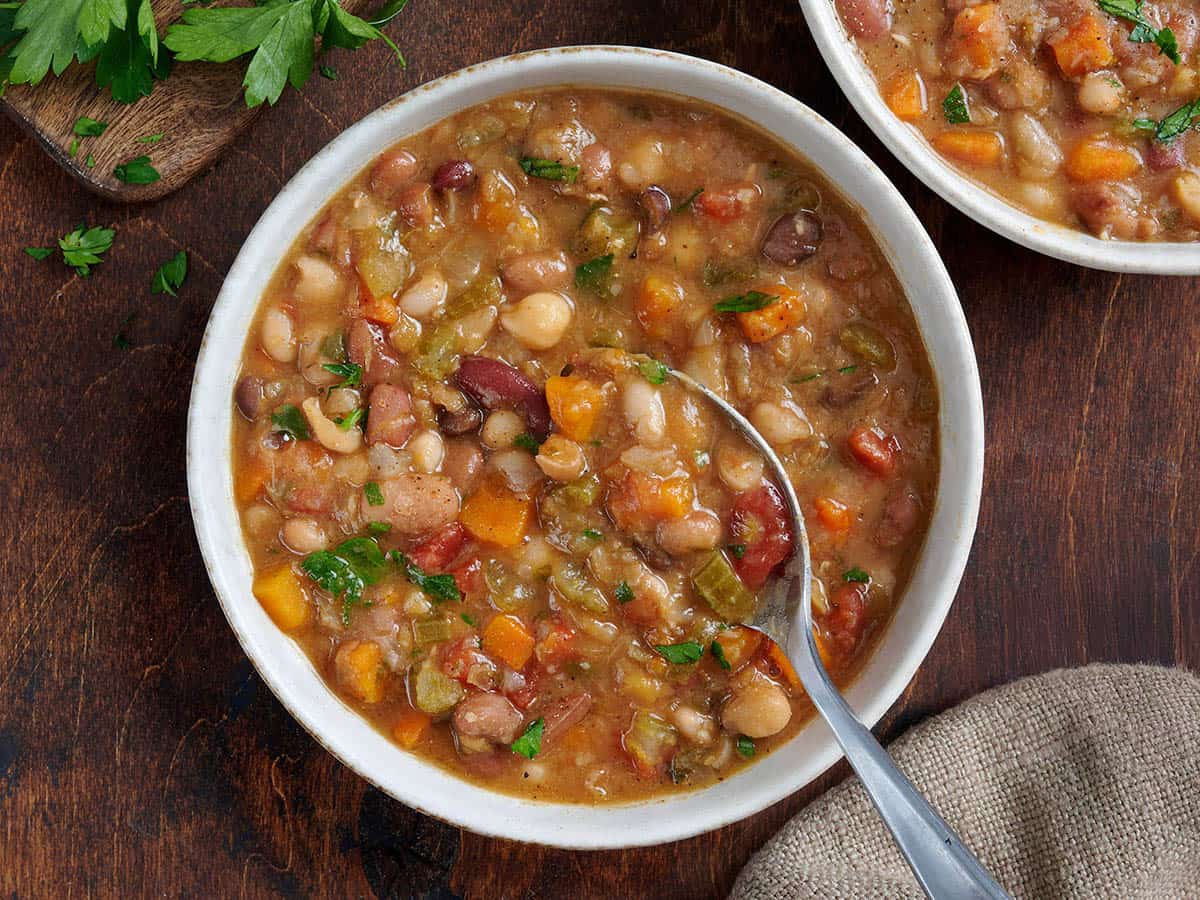
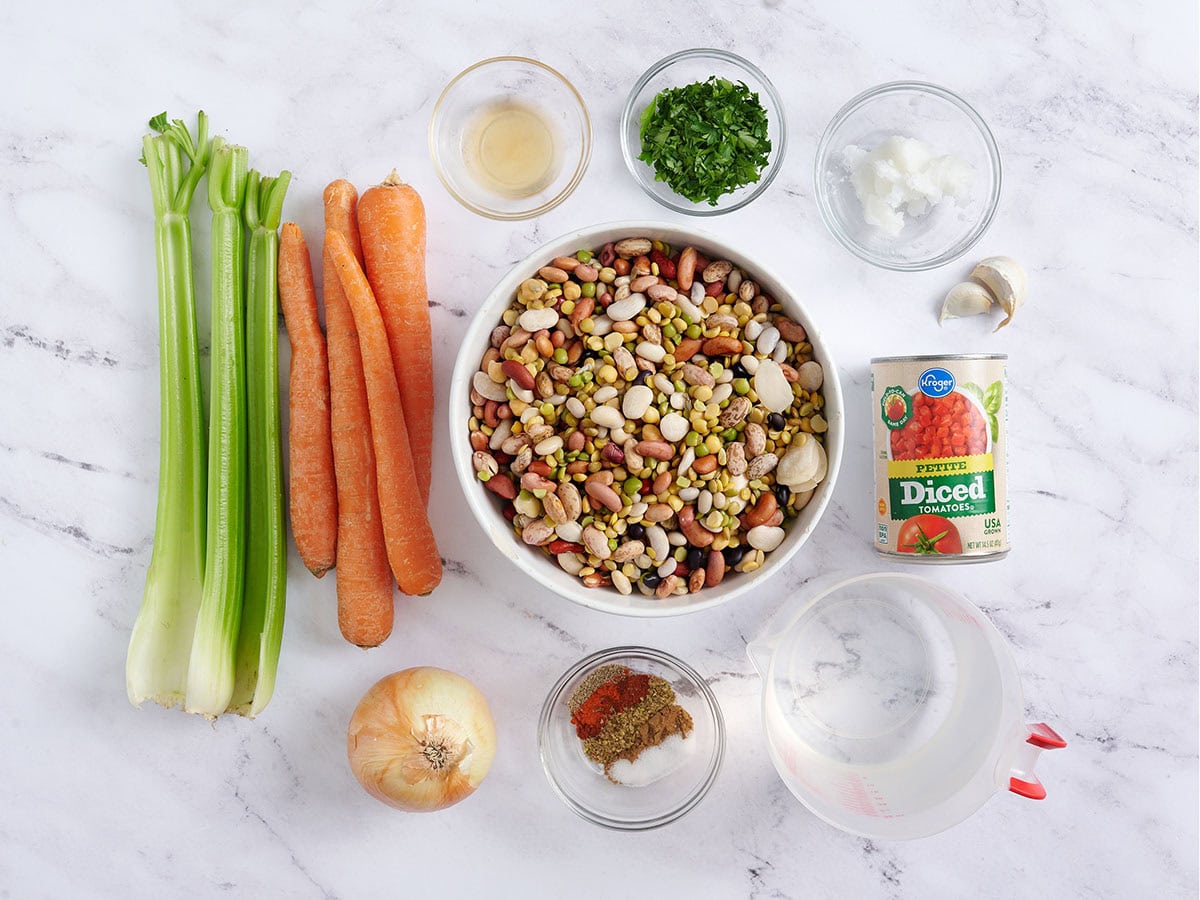
Nutritiously, the soup serves as a "powerhouse" of macronutrients. A single serving provides 17 grams of protein and 16 grams of dietary fiber, the latter representing approximately 67% of the recommended daily value. Fiber is a critical component in digestive health and has been linked to lower risks of cardiovascular disease and type 2 diabetes. Furthermore, the inclusion of 15 different varieties of beans ensures a diverse array of micronutrients and antioxidants. Typical mixes include northern beans, pinto beans, large lima beans, yelloweye beans, garbanzo beans, baby lima beans, green split peas, kidney beans, cranberry beans, small white beans, pink beans, small red beans, yellow split peas, lentils, and navy beans. This diversity provides a broader spectrum of phytochemicals than a single-bean dish.
Historical Context and Product Evolution
The concept of the "15 bean soup" is closely associated with the N.K. Hurst Company, a family-owned business founded in 1938 in Indianapolis, Indiana. The company’s "Hurst’s HamBeens 15 Bean Soup" mix became a staple in American pantries, known for the variety of colors and sizes of the beans included in each package. While the traditional preparation often involves the use of a ham hock or smoked turkey for flavor, the transition toward vegetarian and vegan iterations reflects a broader shift in Western dietary habits.
According to market research, the global pulses market is projected to continue its growth as consumers seek sustainable alternatives to animal proteins. The environmental impact of bean production is significantly lower than that of livestock, requiring less water and land while also contributing to soil health through nitrogen fixation. This recipe aligns with those sustainability goals by replacing animal fats with coconut oil and using smoked paprika to replicate the "umami" and smoky notes traditionally provided by cured meats.
Chronology of Preparation and Culinary Technique
The preparation of a high-quality 15 bean soup follows a specific chronological sequence designed to ensure the proper texture of the beans and the depth of the broth.
Phase 1: The Rehydration Cycle (8–12 Hours)
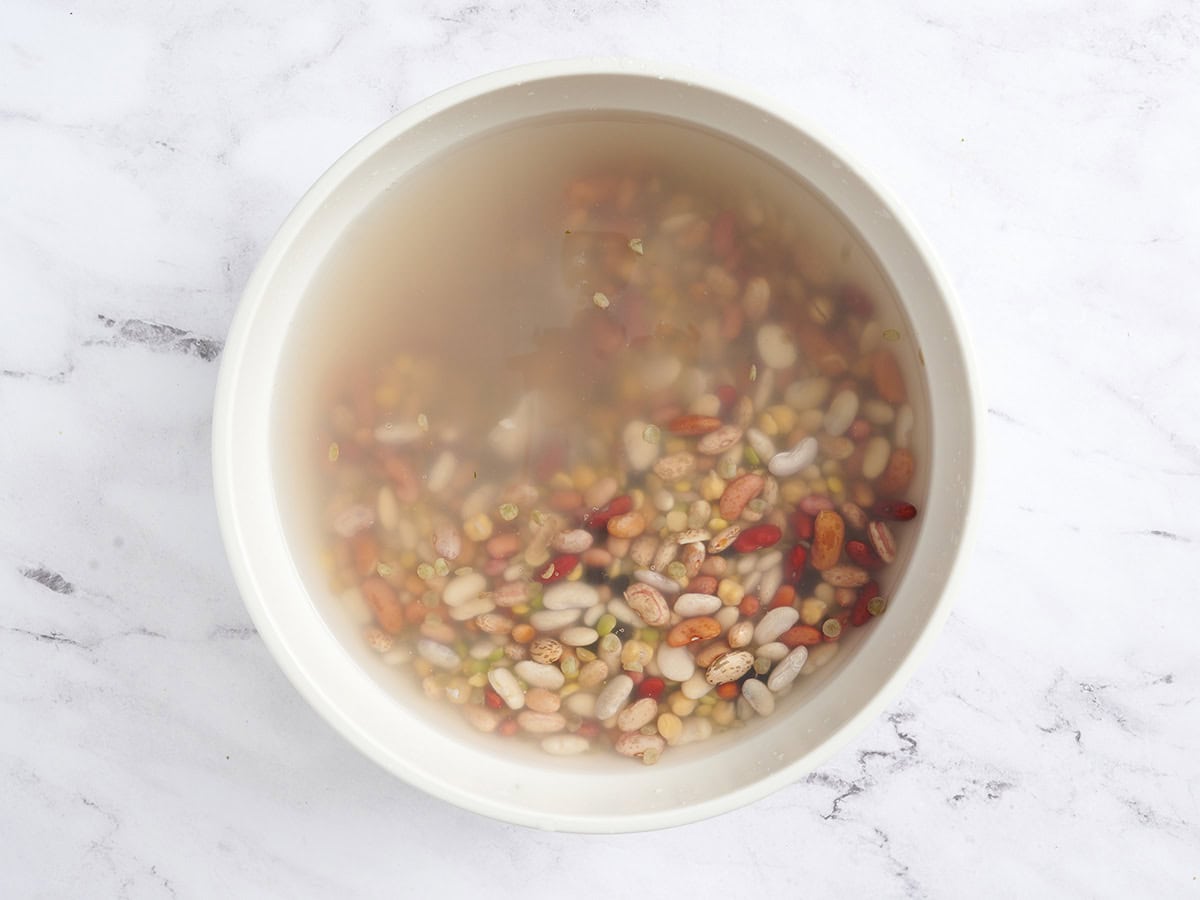
The process begins with the soaking of the 20-ounce bean mix. Legumes contain complex sugars called oligosaccharides, which can be difficult for the human digestive system to break down. An overnight soak (at least 8 hours) in a refrigerated environment serves two purposes: it begins the softening process of the various seed coats and helps to dissolve some of these sugars, making the beans more digestible. Following the soak, the beans must be drained and rinsed thoroughly to remove the soaking water.
Phase 2: The Aromatic Foundation (20 Minutes)
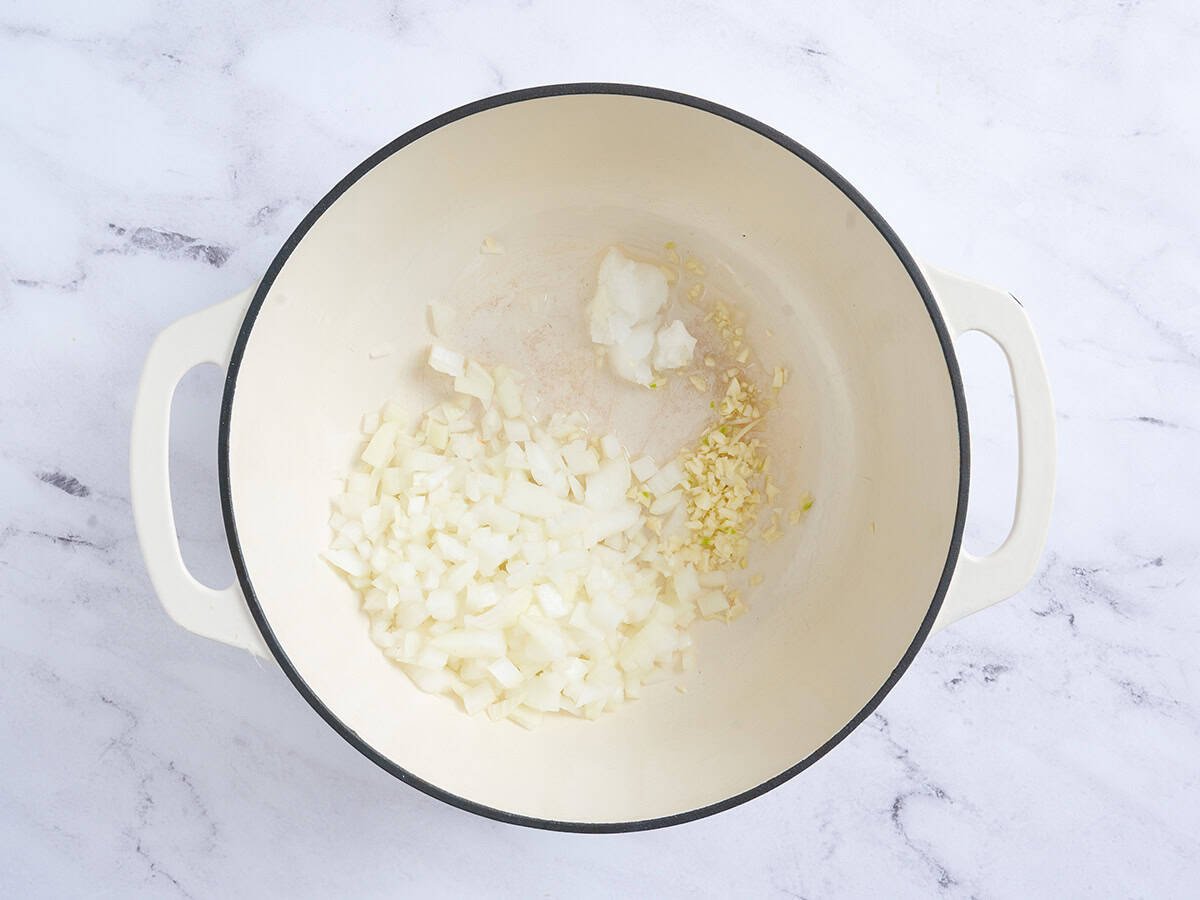
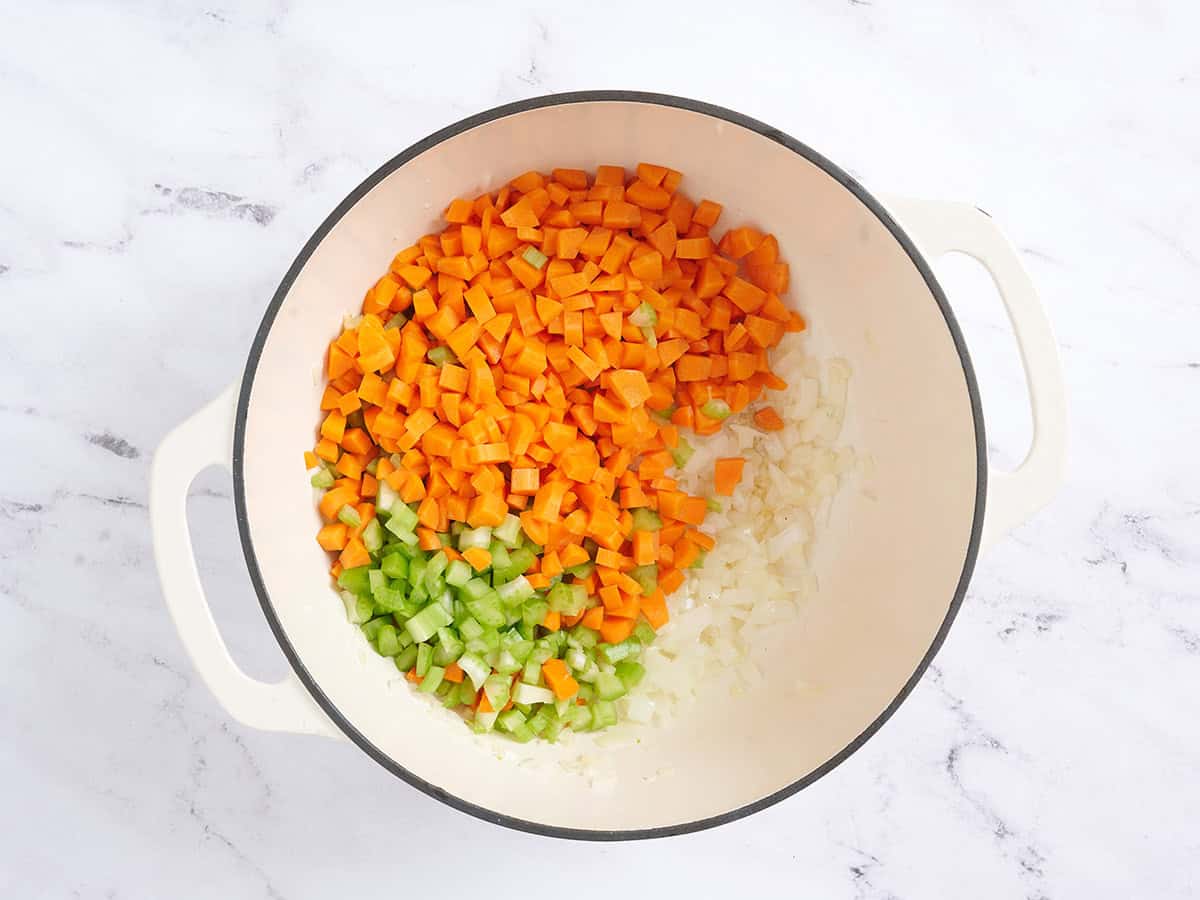
The flavor base, or mirepoix, is established by sautéing diced yellow onions and minced garlic in a fat source. The recipe utilizes coconut oil, chosen for its "mouthfeel" which closely mimics animal fat, providing a richness that is often missing in vegan soups. Carrots and celery are added to this base, contributing sweetness and earthiness. This stage is crucial for developing the foundational flavors that will permeate the beans during the long simmer.
Phase 3: The Primary Simmer (90 Minutes)
Once the vegetables are softened, the beans are added to the pot with six cups of water. The mixture is brought to a boil and then reduced to a low simmer. This 90-minute window allows the different varieties of beans—some of which cook faster than others—to reach a uniform level of tenderness. During this time, the starches from the split peas and lentils begin to dissolve, naturally thickening the broth into a creamy consistency without the need for added flours or dairy.
Phase 4: Flavor Layering and Acid Balancing (20 Minutes)
The final stage involves the addition of "top note" flavors. Diced tomatoes are introduced, providing acidity and color. The spice profile—consisting of smoked paprika, cumin, oregano, and cayenne—is added at this point to ensure the flavors remain vibrant and do not become "muted" by excessive cooking time. The process concludes with the addition of salt to taste and a small amount of apple cider vinegar. The vinegar acts as a chemical "brightener," cutting through the density of the starch and elevating the overall flavor profile.
Community Feedback and Expert Analysis
The effectiveness of this recipe is supported by consumer testimonials and culinary experts who emphasize the importance of "seasoning at the end." Linda Wilson, a home cook, noted that the soup is "so nourishing, so flavorful," highlighting the success of the spice blend in replacing traditional meat-based seasonings.
From a food science perspective, the decision to withhold salt until the final stages of cooking is a calculated one. There is a long-standing culinary debate regarding whether salt toughens the skins of beans if added too early. By seasoning the broth once the beans have reached the desired texture, the cook maintains better control over the final sodium content and ensures that the beans have softened sufficiently.
Strategic Implications for Meal Planning and Food Security
The 15 bean soup is a highly scalable dish that addresses several challenges in modern meal management:
- Batch Cooking and Preservation: The recipe yields a large volume (approximately eight servings) and is noted for its ability to freeze well. This makes it an ideal candidate for "meal prepping," a practice used by busy professionals and families to ensure access to healthy meals throughout the week.
- Versatility and Customization: While the base recipe is vegan, it serves as a canvas for various dietary needs. The addition of Parmesan cheese, Greek yogurt, or sour cream can add protein and fat for those not following a vegan diet. The suggestion to serve the soup with cornbread or over rice further enhances its caloric density and helps the meal "stretch" further in a multi-person household.
- Sustainability: As global populations rise, the reliance on pulses as a primary protein source is viewed by many NGOs and environmental organizations as a necessary shift. Dishes like the 15 bean soup prove that sustainable eating can be both palatable and culturally relevant.
Conclusion
The vegetarian 15 bean soup represents more than a simple recipe; it is a manifestation of efficient domestic economy and nutritional science. By combining historical pantry staples with modern dietary preferences, it offers a solution to the dual pressures of maintaining health and managing a budget. As the culinary world continues to move toward plant-forward menus, the 15 bean soup stands as a benchmark for how simple, inexpensive ingredients can be transformed into a sophisticated and deeply satisfying meal. Through careful preparation, proper rehydration, and strategic seasoning, this dish maximizes the potential of the humble bean, proving that high-quality nutrition is accessible at a cost of less than one dollar per serving.
