
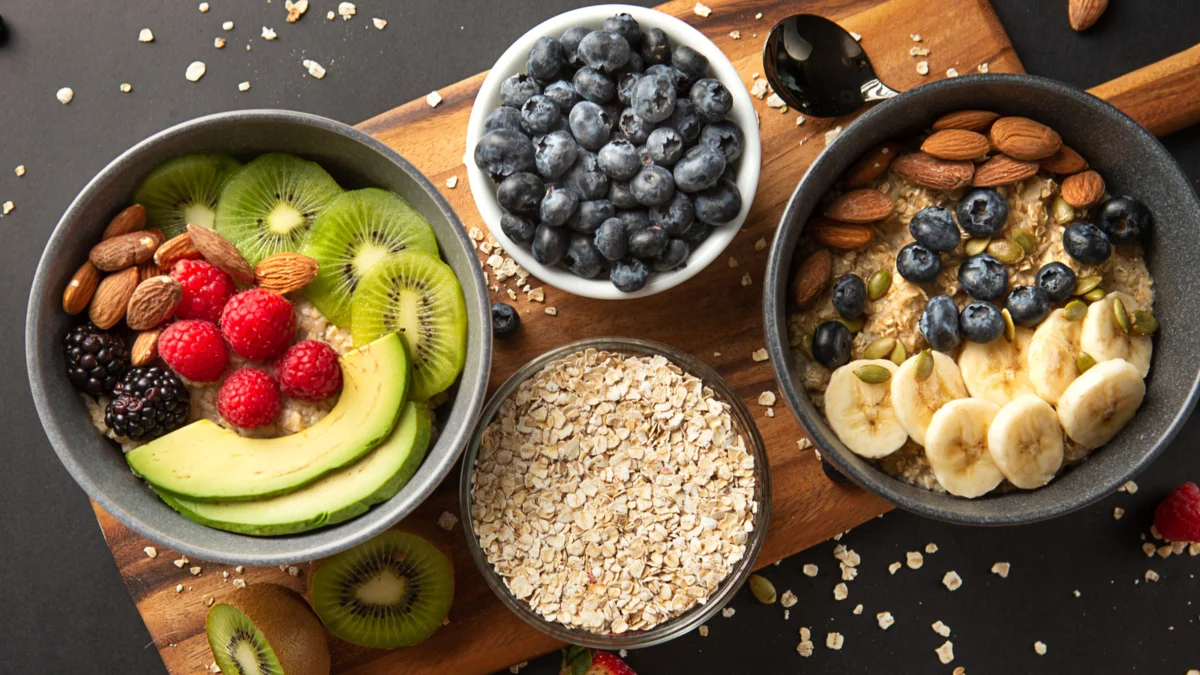
Many individuals seeking to improve their dietary habits often turn to snacks marketed as "healthy" to manage hunger between meals. However, a common and often frustrating experience is finding that these seemingly virtuous choices fail to provide lasting satiety, leading to renewed hunger pangs shortly after consumption. This paradox leaves many in a predicament, as they aim to avoid excessive calorie intake but are instead left feeling unsatisfied by options like celery sticks, baked chips, and dried fruits. The ultimate consequence is often a return to less healthy, more calorie-dense comfort foods, undermining the initial intention of making a healthful snack choice. To understand this phenomenon, we consulted with Angel Luk, a registered dietitian, to delve into the reasons behind the insufficient satiating power of many "healthy" snacks.
The Macronutrient Deficit: Understanding Satiety
"Healthy snacks can be low in calories, such as veggies with low-calorie dip, or a small amount of fruit," Luk explains. "Depending on someone’s activity level that day or baseline metabolism, they may need a more substantial snack." The fundamental issue, according to Luk, lies in the composition of these low-calorie options. The human body requires a certain level of caloric intake to function optimally, with recommended daily allowances typically ranging from approximately 2,000 calories for adult women and 2,600 calories for men, even at moderate activity levels. Simply filling the stomach with low-calorie items, while seemingly aligned with calorie restriction goals, does not equate to sustained fullness.
Instead of prioritizing low-calorie counts as the sole metric of a "healthy" snack, Luk emphasizes the critical importance of nutritional content, particularly macronutrients. Foods rich in macronutrients—carbohydrates, proteins, and fats—are significantly more effective at promoting satiety. While these snacks may be more calorically dense than their low-macronutrient counterparts, the increased feeling of fullness they provide can ultimately lead to consuming fewer calories overall, thereby supporting weight management goals more effectively.
The Satiety Hierarchy: Fat, Protein, and Fiber
When evaluating snacks for their ability to stave off hunger, understanding the role of each macronutrient is paramount. "Fat is arguably the most satiating for hunger, as it provides a lovely and comforting mouthfeel and is the most calorically dense macronutrient, providing 9 calories per gram," Luk notes. In contrast, protein and carbohydrates each provide only 4 calories per gram. This inherent caloric density means that fat contributes more significantly to feelings of fullness. However, Luk cautions that the focus should be on consuming "natural, healthy fats" rather than processed or unhealthy lipid sources.
Luk offers practical examples of incorporating healthy fats into snack routines: "Greek yogurt as a dip for veggies, adding avocado to salsa and tortilla chips, or dipping fruit into natural peanut butter." These suggestions highlight how readily available and enjoyable foods can be transformed into satiating snacks by the addition of healthy fats.
Beyond fat, protein and fiber-rich carbohydrates also play crucial roles in promoting satiety. Protein takes longer to digest, contributing to a prolonged feeling of fullness. Similarly, fiber, a type of carbohydrate that the body cannot fully digest, also aids in satiety by slowing down the digestive process. This is why nuts are frequently recommended as a healthy and filling snack. They offer a potent combination of healthy fats, protein, and fiber, creating a trifecta of satiating components.
Another classic snack that effectively delivers on multiple macronutrient fronts is cheese. While cottage cheese is currently lauded for its high protein content and is a popular choice for nutrient-dense diets, any minimally processed cheese can be a good option for a satisfying snack. The combination of fat and protein in cheese makes it a more substantial choice than many low-calorie alternatives.
For those who prefer snacking on vegetables, Luk advises supplementing them with heartier dips. Hummus, for instance, is a valuable source of both protein and fiber, while guacamole provides a good dose of fiber and healthy fats. These dips transform plain vegetables into a more complete and satisfying snack. The key takeaway is that a variety of options exist that can effectively combat hunger, provided one understands the nutritional underpinnings of satiety.
The Science of Satiety: Beyond the Calorie Count
The concept of satiety is a complex interplay of physiological and psychological factors. From a physiological standpoint, the digestion and absorption of food trigger hormonal signals that communicate fullness to the brain. Macronutrients play a pivotal role in this signaling cascade.
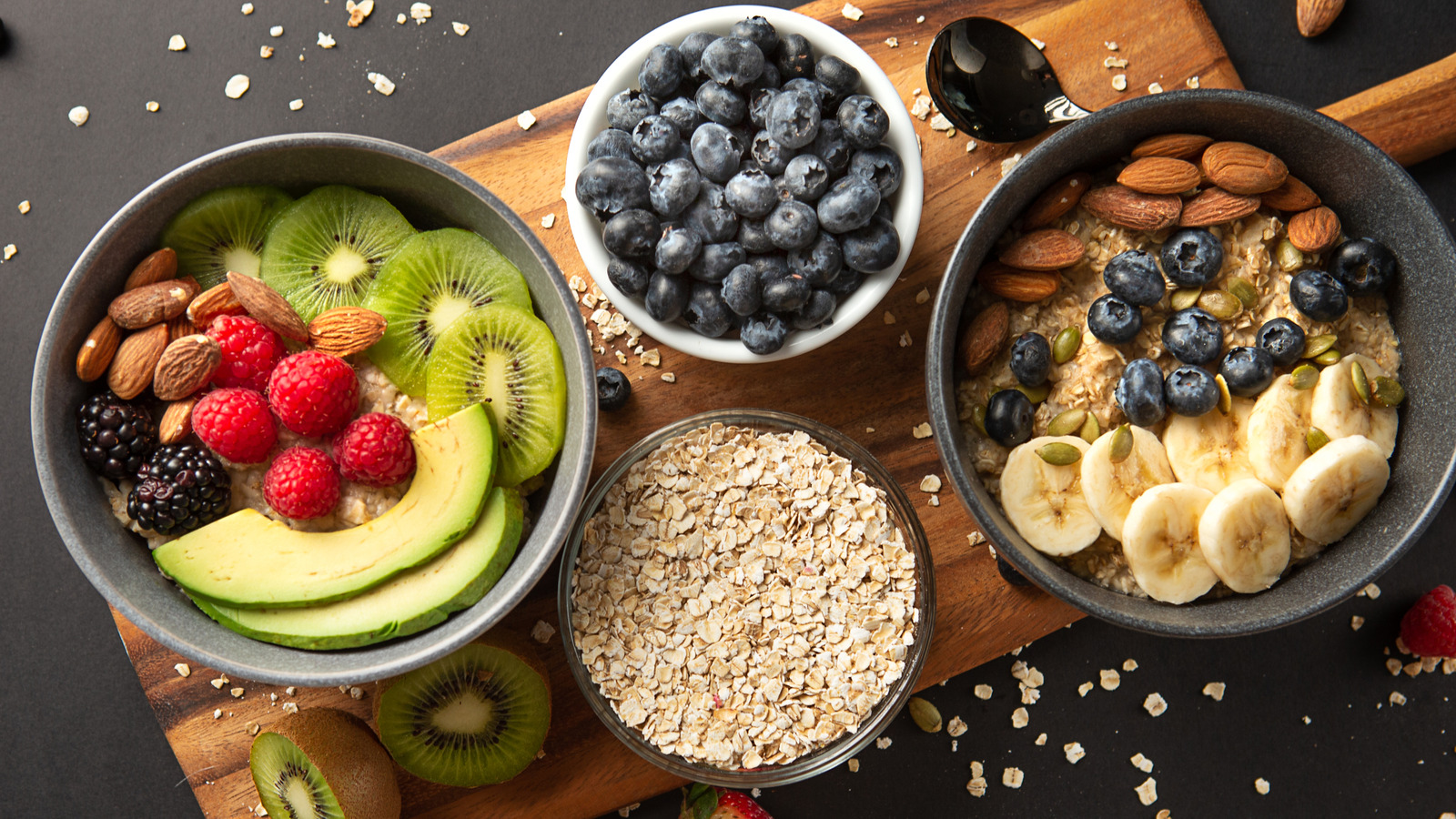
Fat: As Luk highlighted, fat has the highest caloric density and also stimulates the release of hormones like cholecystokinin (CCK), which slows gastric emptying and signals the brain to reduce appetite. The sensation of a "mouthfeel" associated with fat also contributes to the psychological aspect of satisfaction.
Protein: Protein is renowned for its high thermic effect, meaning the body expends more energy to digest it compared to fats and carbohydrates. This contributes to a feeling of fullness. Furthermore, protein intake stimulates the release of peptide YY (PYY) and glucagon-like peptide-1 (GLP-1), hormones that suppress appetite and increase satiety.
Fiber: Dietary fiber, particularly soluble fiber, absorbs water in the digestive tract, forming a gel-like substance. This gel expands in the stomach, increasing feelings of fullness. Fiber also slows the rate at which sugar is absorbed into the bloodstream, preventing sharp spikes and subsequent crashes in blood sugar that can lead to cravings and hunger.
Volume and Hydration: While macronutrients are key, the physical volume of food and its water content also contribute to satiety. Foods with high water content, such as fruits and vegetables, can help fill the stomach without adding significant calories. Combining these with macronutrient-rich components enhances their satiating effect.
The Evolutionary Perspective on Hunger and Satiety
From an evolutionary standpoint, the body is programmed to seek out nutrient-dense foods to ensure survival. Historically, food scarcity was a significant challenge, and the drive to consume calorie-rich items was essential. Modern diets, abundant in processed and often calorie-dense but nutrient-poor foods, can hijack these natural mechanisms. The prevalence of "healthy" snacks that are low in the very components the body craves for sustained energy and satiety can lead to a cycle of overconsumption. The body, sensing a lack of essential nutrients, continues to signal hunger, even if caloric intake is technically sufficient.
Emerging Trends and Expert Insights
The understanding of satiety is continuously evolving within the nutrition science community. Research into the gut microbiome’s influence on appetite regulation is also gaining traction, suggesting that the types of bacteria in our digestive system can impact how we feel after eating. This adds another layer of complexity to optimizing dietary choices for long-term fullness and well-being.
Nutritionists and dietitians are increasingly advocating for a more holistic approach to snacking, moving beyond simplistic calorie-counting to a focus on nutrient density and the synergistic effects of macronutrients. This shift is reflected in evolving dietary guidelines and educational materials aimed at empowering individuals to make informed food choices.
Practical Strategies for Satisfying Snacks
Based on the insights from Angel Luk and the broader scientific understanding of satiety, here are some practical strategies for selecting and preparing snacks that will keep you feeling fuller for longer:
-
Combine Macronutrients: Aim for snacks that include a combination of healthy fats, lean protein, and fiber. For example:
- Apple slices with natural peanut butter or almond butter.
- Greek yogurt with berries and a sprinkle of nuts or seeds.
- Hard-boiled eggs with a side of whole-grain crackers.
- Edamame (steamed or dry-roasted).
- A small handful of mixed nuts and dried fruit (in moderation due to sugar content of dried fruit).
-
Prioritize Whole Foods: Opt for unprocessed or minimally processed foods whenever possible. Whole foods naturally contain a better balance of nutrients and fiber.
-
Be Mindful of Portions: While macronutrient-rich snacks are more satiating, it’s still important to be mindful of portion sizes, especially for calorie-dense items like nuts and nut butters.
-
Hydrate: Sometimes, thirst can be mistaken for hunger. Ensure you are drinking adequate water throughout the day.
-
Plan Ahead: Having healthy snack options readily available can prevent impulsive choices when hunger strikes. Prepare snack bags or containers in advance.
-
Listen to Your Body: Pay attention to how different foods make you feel. Some individuals may find certain combinations more satiating than others.
The Broader Impact: From Personal Health to Public Health Initiatives
The challenge of finding truly satiating "healthy" snacks has implications beyond individual dietary choices. It can contribute to broader public health issues related to obesity and diet-related diseases. When individuals struggle to manage hunger effectively, they are more prone to overeating, which can lead to weight gain and an increased risk of conditions such as type 2 diabetes, cardiovascular disease, and certain types of cancer.
Public health initiatives that focus on promoting nutrient-dense foods and educating consumers about the principles of satiety can play a significant role in addressing these challenges. Clearer labeling of food products that highlights macronutrient profiles, alongside public awareness campaigns, can empower individuals to make healthier choices.
The food industry also has a role to play. Developing and marketing snacks that are genuinely satisfying and nutritionally balanced, rather than relying on marketing buzzwords like "low-fat" or "low-calorie" without adequate nutritional substance, would be a positive step. This requires a commitment to scientific understanding and a focus on consumer well-being.
Conclusion: A Shift in Snack Philosophy
The quest for the perfect healthy snack is not about finding a magic bullet but about understanding the fundamental principles of nutrition and satiety. By shifting the focus from merely reducing calories to incorporating foods rich in healthy fats, protein, and fiber, individuals can move away from the cycle of unsatisfying "healthy" snacks and embrace choices that truly nourish and sustain them. Angel Luk’s expert advice underscores that a well-balanced approach, prioritizing nutrient density over low-calorie counts, is the key to achieving lasting fullness and supporting overall health and well-being. The evidence suggests that a mindful approach to snacking, grounded in scientific understanding, can be a powerful tool in managing hunger and promoting a healthier lifestyle.
