
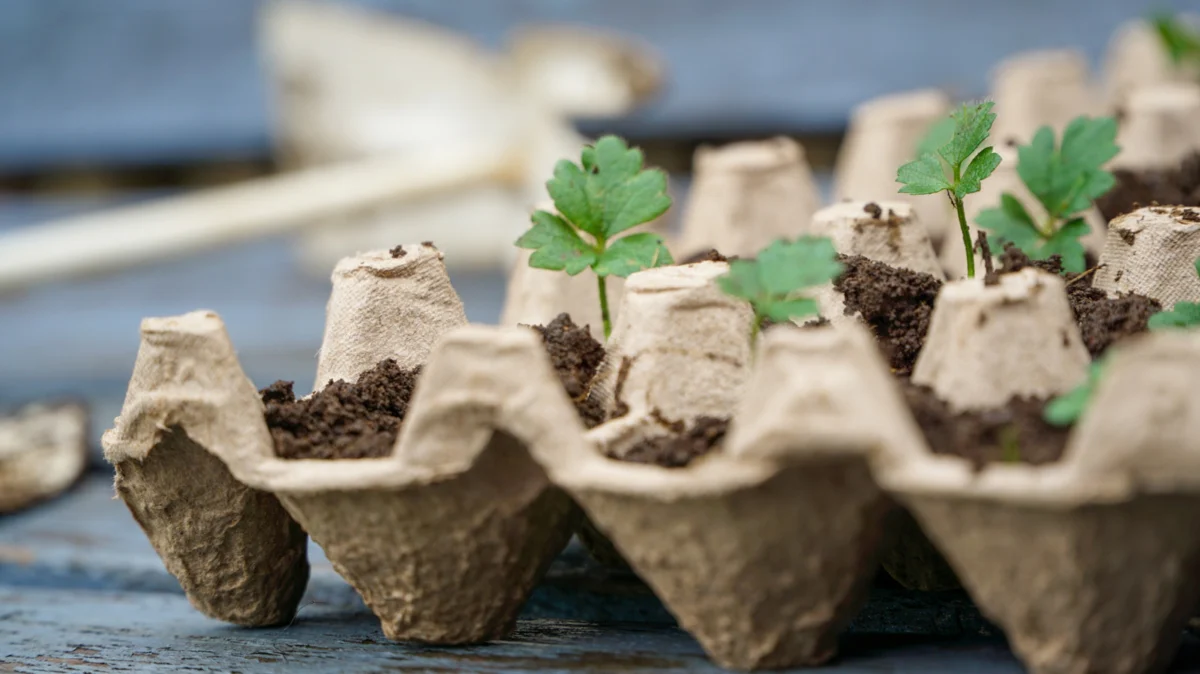
The burgeoning trend of sustainable gardening practices has led many amateur horticulturists to explore innovative and eco-friendly methods for nurturing young plants. Among the most accessible and cost-effective solutions gaining traction is the utilization of common household items, with egg cartons emerging as a popular choice for starting seeds indoors. This practice not only repurposes waste but also offers a biodegradable and plant-friendly medium for seedlings to thrive before their transplantation into the garden. However, as with any gardening technique, understanding the nuances of this method is crucial for maximizing its effectiveness and ensuring the health of nascent plants. A key consideration, often overlooked, revolves around the material composition of the egg cartons themselves, particularly the type of ink used in their printing.
The Eco-Conscious Gardener’s Ally: Pulp Egg Cartons
For those embarking on the journey of indoor seed germination, the humble egg carton presents a compelling alternative to store-bought seed trays and plastic pots. This approach champions resourcefulness, transforming what would typically be discarded into a valuable component of the home garden. The primary advantage lies in its low cost and ready availability, making it an attractive option for gardeners of all budgets. Furthermore, the biodegradable nature of suitable egg cartons means that they can be directly planted into the soil along with the seedling, minimizing transplant shock and eliminating the need for later removal and disposal.
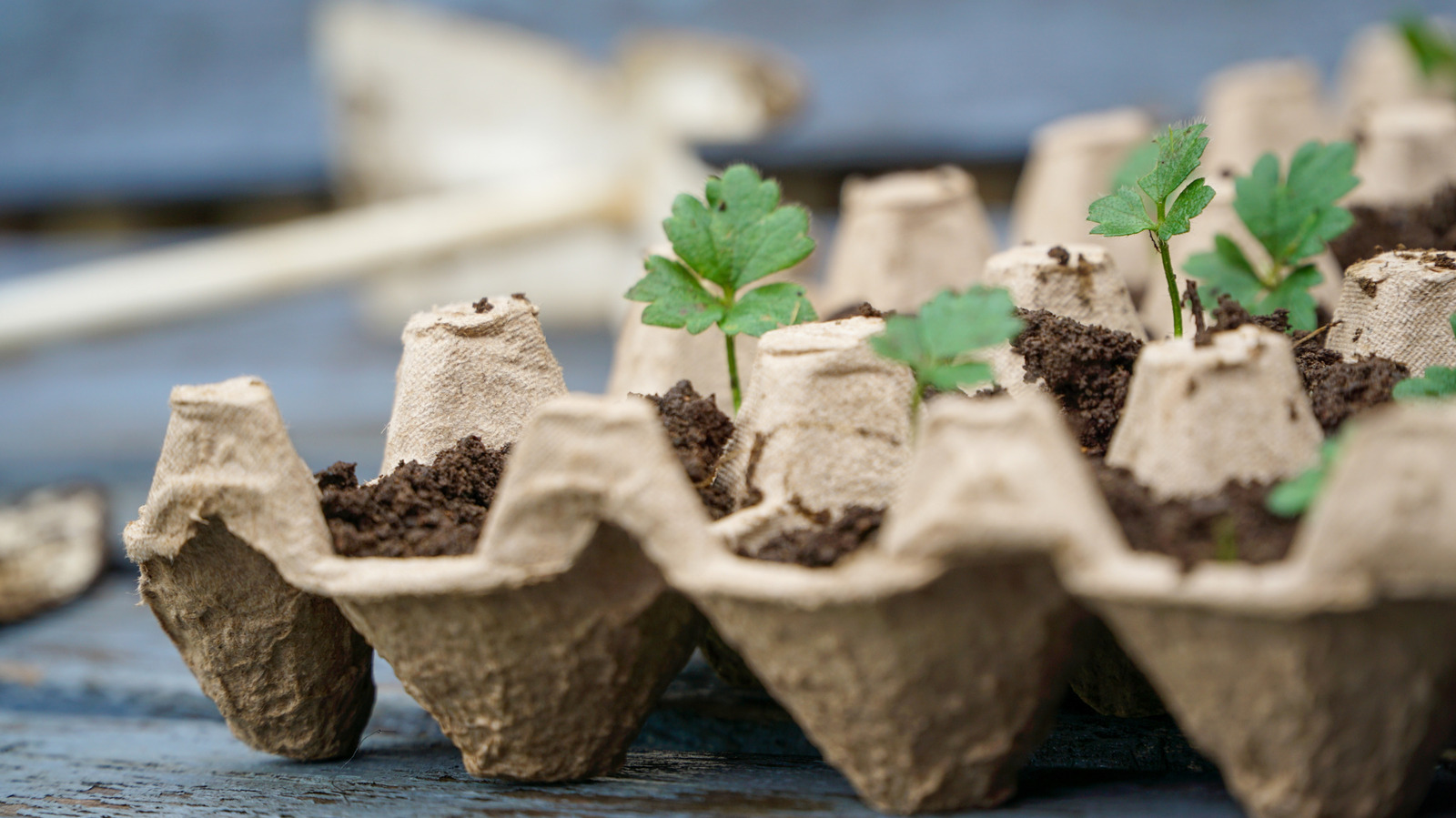
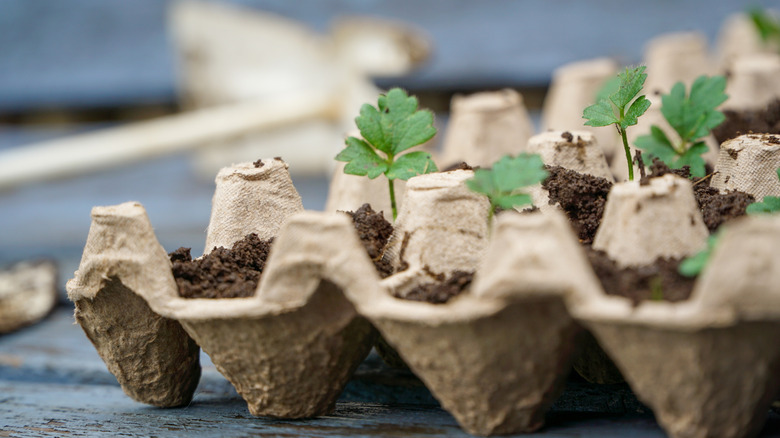
The ideal candidates for this gardening application are pulp egg cartons. These are easily identifiable by their characteristic cardboard-like texture, often exhibiting visible fibers and a matte finish. Unlike their plastic or foam counterparts, pulp cartons are significantly more porous and biodegradable. Their composition, typically a blend of paper pulp, water, and grass fibers, lends them excellent moisture-retention capabilities while still allowing for adequate drainage, a critical balance for preventing root rot and promoting healthy seedling development. When the time comes to move the seedlings outdoors, these cartons can be gently torn apart or even planted whole, their material breaking down naturally in the soil to nourish the growing plant. This inherent biodegradability also makes them a prime candidate for composting, further contributing to a closed-loop system in the garden. Indeed, reports from horticultural experts suggest that well-composted materials can significantly improve soil structure and nutrient content, creating an optimal environment for plant growth.
Navigating the Ink Dilemma: A Critical Factor for Plant Health
While the concept of using egg cartons as seed starters is widely embraced, a crucial detail warrants careful attention: the ink used for printing on the cartons. Grocery stores and food suppliers often print branding, nutritional information, or decorative designs directly onto egg cartons. The concern arises because not all inks are created equal, and some may contain chemicals that are detrimental to plant health or even pose environmental risks.
Experts in sustainable agriculture and soil science emphasize the importance of understanding the composition of these inks. Ideally, gardeners should seek out egg cartons printed with soy-based inks or other non-toxic, environmentally friendly alternatives. These inks are generally considered safe for agricultural applications and will break down naturally without leaching harmful substances into the soil. The United States Department of Agriculture (USDA) has been actively promoting the use of bio-based inks, including soy ink, for their reduced environmental impact compared to petroleum-based inks. Data from the Soy Ink Manufacturers Association indicates that soy ink is a renewable resource and releases significantly fewer volatile organic compounds (VOCs) during the printing process.
Identifying Safe Cartons: What to Look For
When selecting egg cartons for seed starting, a few indicators can help guide the decision-making process. The most straightforward approach is to check for labeling that explicitly states the carton is "compostable" or "biodegradable." If a carton is certified as compostable, it is a strong indication that the inks used are also safe for garden use. Many manufacturers are increasingly transparent about their packaging materials, often including symbols or text that denote their environmental credentials.
In the absence of explicit labeling, a cautious approach is recommended. If the carton appears to have heavily saturated or glossy printing, it might be advisable to err on the side of caution. Some inks, particularly older formulations or those not specifically designed for food-grade packaging, may contain heavy metals or other undesirable compounds.
Strategies for Mitigation and Alternative Solutions
For gardeners who have acquired egg cartons with uncertain ink compositions, several practical strategies can be employed to mitigate potential risks. One effective method is to utilize only the unprinted portions of the carton. This might involve carefully cutting away the inked sections before filling the cups with soil and seeds, or opting to use only half of the carton if the ink is predominantly on one side. This ensures that the soil and the developing roots come into contact only with safe, unprinted material.
Another viable option, though it requires more manual effort, is to transplant the seedlings from the egg carton into the garden soil. This process involves carefully separating the seedling from its carton, ensuring the delicate root system remains intact. Once the seedling is removed, the egg carton can then be recycled or composted separately. This method is particularly useful if the ink is heavily distributed across the entire carton or if there is significant doubt about its safety.
Furthermore, gardeners facing a shortage of suitable egg cartons can explore other readily available household items as seed-starting alternatives. For instance, clean takeout containers, especially those made from paper or biodegradable plastics, can be adapted for this purpose. Yogurt cups, small plastic produce containers, or even toilet paper rolls can also be repurposed. The key is to ensure that any chosen container provides adequate drainage and is made from materials that will not negatively impact the soil or plant growth. The availability of resources like reusable seed trays, often made from recycled plastics, also offers a durable and long-term solution for indoor germination.
The Broader Implications: Sustainability in the Home Garden
The widespread adoption of practices like using egg cartons for seed starting reflects a growing awareness of environmental responsibility within the gardening community. This movement towards sustainability is not merely about reducing waste; it’s about fostering a deeper connection with the natural world and understanding the interconnectedness of our actions with the health of the planet.
By embracing such simple, yet effective, methods, individuals contribute to a larger paradigm shift. This shift encourages a circular economy, where materials are reused and repurposed, minimizing reliance on single-use products and reducing the burden on landfills. The practice also educates individuals, particularly younger generations, about the importance of resourcefulness and the environmental impact of consumer choices. As more gardeners discover and share these eco-friendly techniques, the collective impact can be significant, leading to reduced waste generation and a more sustainable approach to food production, even at a household level.
The trend highlights a growing interest in organic gardening and permaculture principles, which emphasize working with nature rather than against it. By understanding the lifecycle of materials and their potential impact, gardeners can make informed decisions that benefit both their plants and the environment. This detailed consideration of seemingly minor aspects, such as the ink on an egg carton, underscores the holistic approach that characterizes modern sustainable gardening. The knowledge shared within gardening communities, often through online forums and local workshops, plays a crucial role in disseminating these best practices and fostering a culture of environmental stewardship.
Conclusion: A Small Step Towards a Greener Garden
The use of pulp egg cartons as seed starters is a testament to the ingenuity and environmental consciousness of today’s gardeners. While the convenience and cost-effectiveness are undeniable, a mindful approach, particularly concerning the type of ink used, is paramount. By opting for cartons printed with soy or other safe inks, or by employing simple mitigation strategies, gardeners can ensure that their efforts to cultivate a thriving garden also contribute to a healthier planet. This practice, seemingly small in scale, represents a significant step in embracing sustainable living and fostering a more harmonious relationship with the environment. As the gardening season approaches, the humble egg carton stands ready to play its part in nurturing the next generation of plants, all while championing a greener future.
