
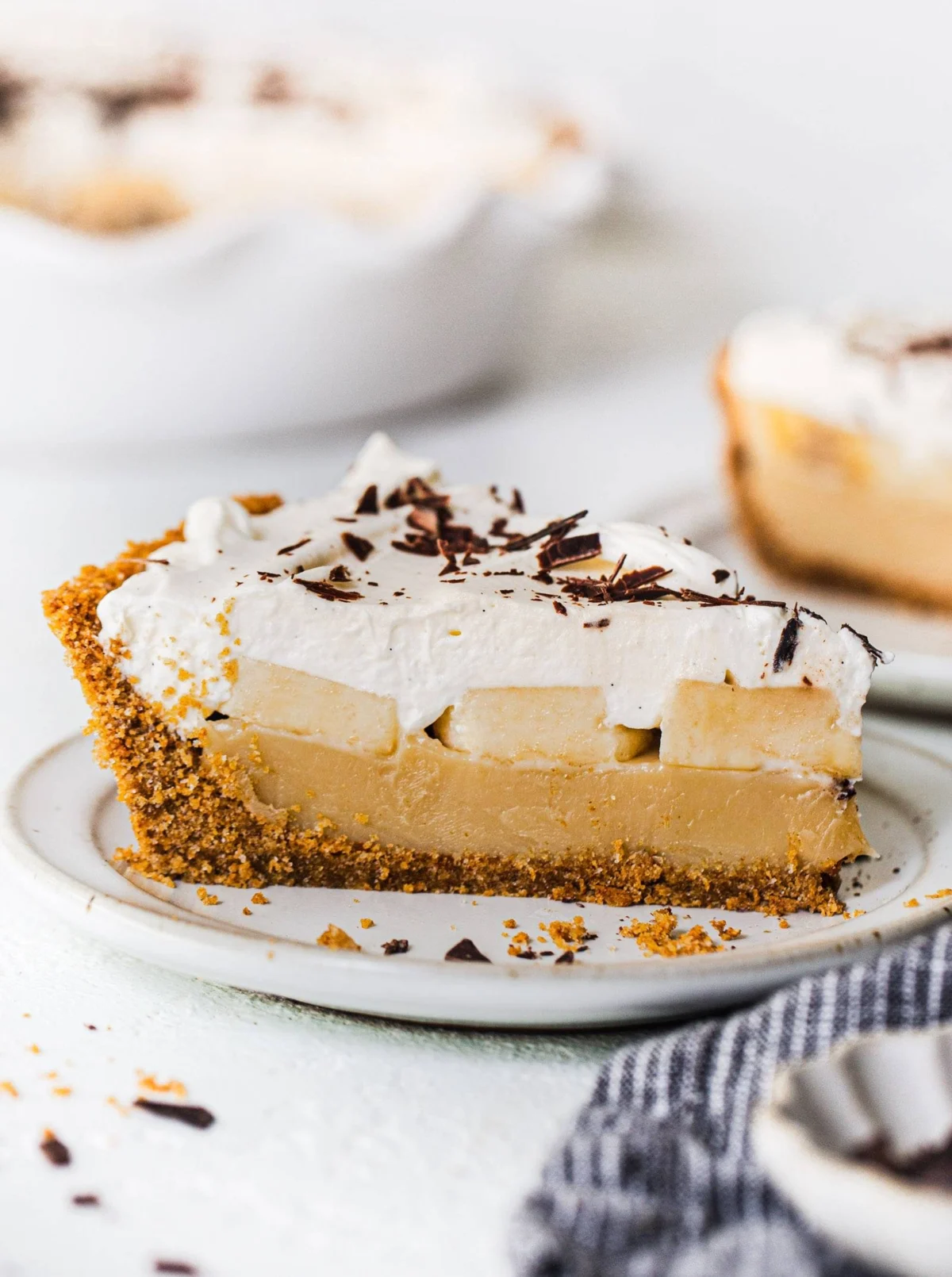
The culinary world is constantly evolving, with new flavor combinations and dessert trends emerging regularly. However, some classic recipes possess a timeless appeal that transcends fleeting fads. Banoffee Pie, a beloved British creation, has recently captured the hearts and taste buds of many, solidifying its place as a top-tier dessert. This article delves into the origins, components, and widespread appeal of this rich and satisfying confection, exploring why it has become a standout favorite for home bakers and dessert enthusiasts alike.
The Genesis of a Sweet Sensation
Banoffee Pie, a portmanteau of "banana" and "toffee," is a relatively modern dessert, believed to have originated in the early 1970s in England. Its creation is attributed to Nigel Mackenzie and Ian Dowding, who were running a restaurant called The Hungry Monk in Jevington, East Sussex. According to culinary lore, they were experimenting with a range of desserts and developed the now-iconic combination of a biscuit base, toffee, bananas, and cream. This innovative dessert quickly gained traction and has since become a staple in British households and a popular offering in cafes and restaurants worldwide. The simplicity of its core ingredients belies the sophisticated flavor profile it offers, making it an approachable yet indulgent treat.
Deconstructing the Delight: Key Components of Banoffee Pie
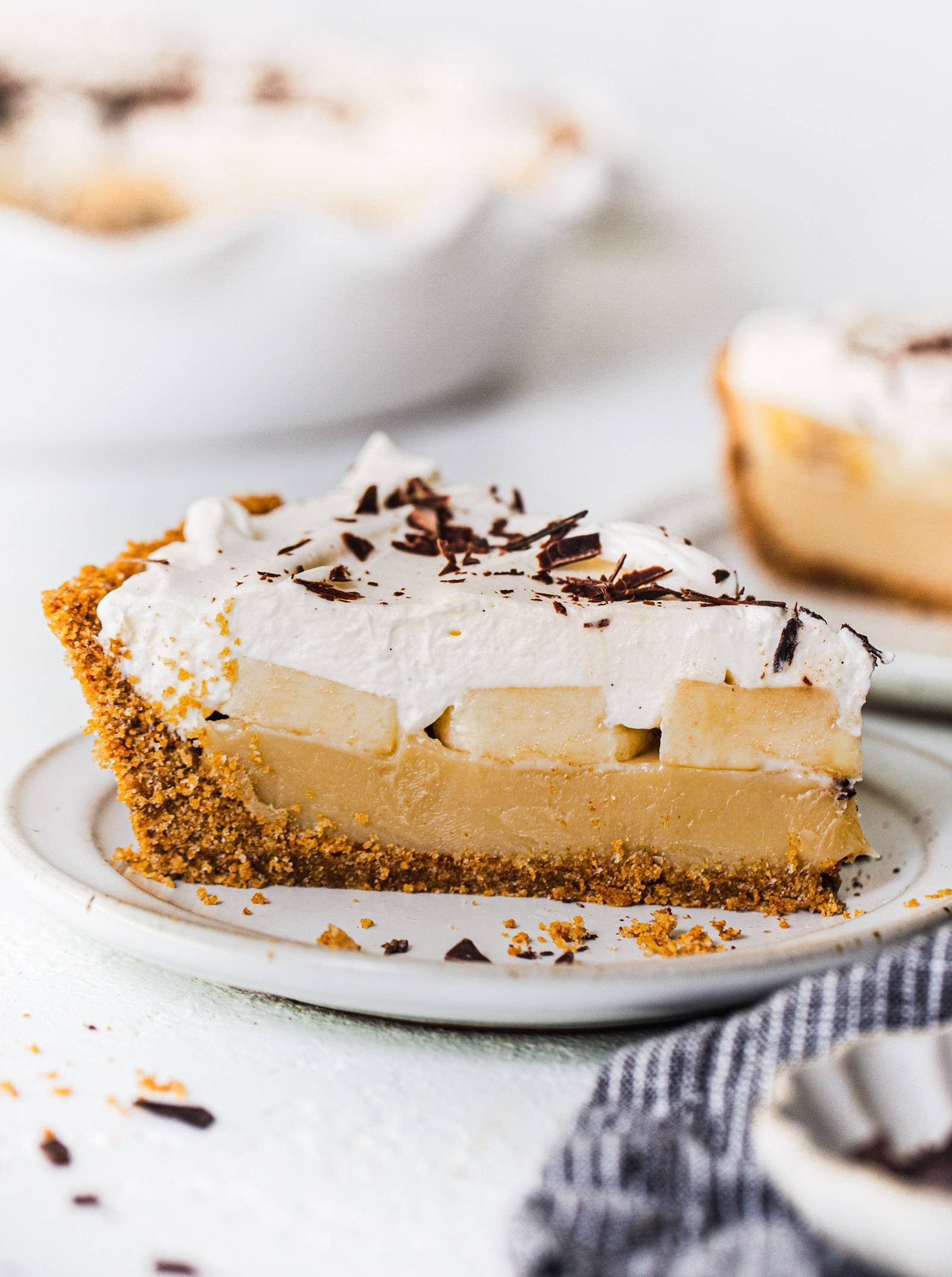
At its core, Banoffee Pie is a symphony of textures and tastes, meticulously layered to create a harmonious dessert experience. The foundation of this culinary masterpiece is typically a salty-sweet graham cracker crust. This element provides a delightful textural contrast to the softer fillings and introduces a subtle savory note that perfectly balances the overwhelming sweetness. The crumbly nature of the crust, often bound together with melted butter, creates a satisfying foundation that holds the subsequent layers.
The heart of the Banoffee Pie lies in its silky caramel toffee filling. This rich, gooey layer is the flavor powerhouse of the dessert. Traditionally made by simmering condensed milk, butter, and sugar, or by using a pre-made dulce de leche, this component offers a deep, complex sweetness with hints of caramelized sugar. The slow cooking process transforms simple ingredients into a luxurious spread that coats the palate.
Crowning the toffee is a generous layer of freshly sliced bananas. The natural sweetness and soft texture of the bananas complement the rich toffee, adding a fruity brightness that cuts through the decadence. The slight tang of the banana prevents the dessert from becoming overly cloying, offering a refreshing counterpoint to the intense sweetness of the toffee.

Finally, the entire creation is enveloped in a cloud of whipped cream. Light, airy, and subtly sweet, the whipped cream provides a cooling and softening effect, unifying the disparate elements of the pie. It adds a touch of elegance and visual appeal, creating a beautiful contrast with the darker toffee layer and the vibrant yellow of the bananas. Often, a dusting of cocoa powder or chocolate shavings serves as a final flourish, adding another layer of flavor and visual interest.
The Rise of "Family Dessert Night" and Banoffee Pie’s Reign
In recent times, a growing trend of intentional "Family Dessert Nights" has emerged, fostering a sense of community and shared joy through the simple act of enjoying a sweet treat. This movement, championed by home cooks and food bloggers, encourages families to set aside a dedicated evening each week to prepare and savor a dessert together. These gatherings often become a highlight of the week, providing an opportunity for connection and conversation.
It is within this context that Banoffee Pie has found its most ardent fans. Described as an "easy dessert recipe" that has become a "total highlight of the week," this pie has consistently emerged as the "CLEAR WINNER" of these family dessert nights. The appeal lies in its approachable preparation, its crowd-pleasing flavor profile, and the sheer delight it brings to all ages. The act of making the pie together, from pressing the crust to swirling the whipped cream, can become a cherished family activity.
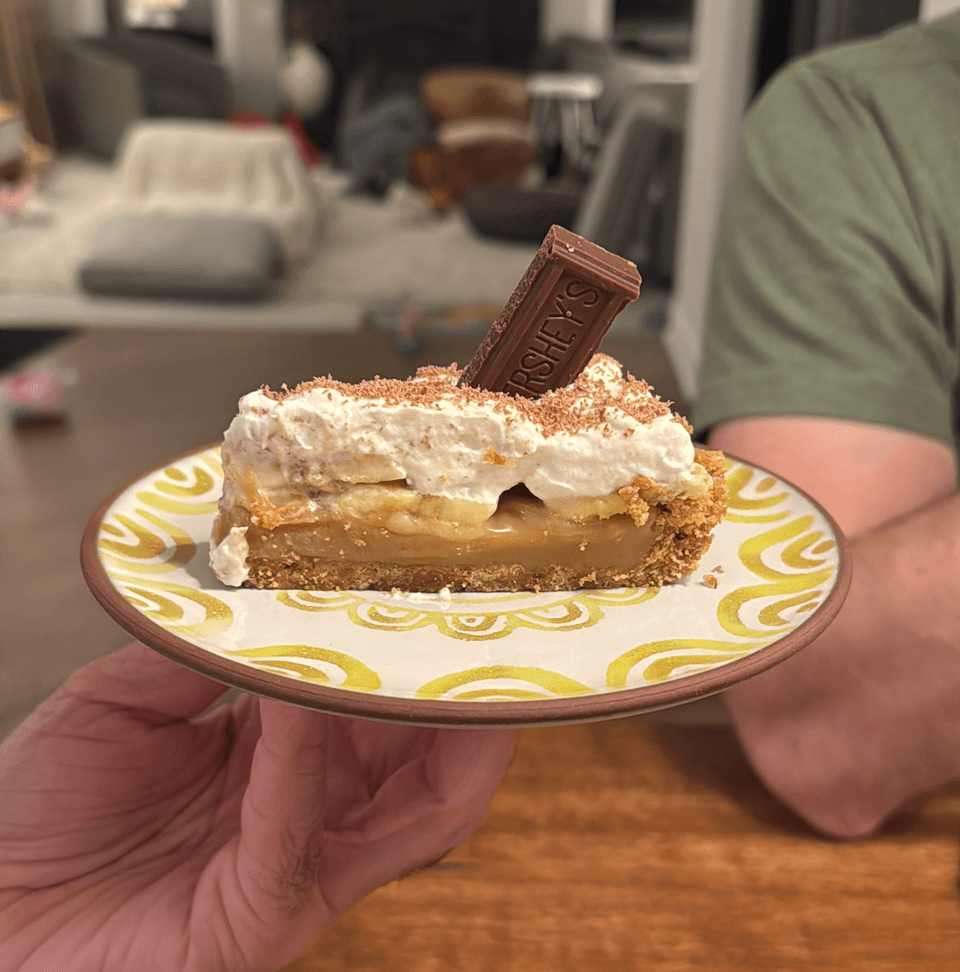
The rich and dense nature of Banoffee Pie means that even a small slice can be incredibly satisfying. This characteristic, while leading to a desire for "just one more bite" until the pie is entirely consumed, also makes it an economical and shareable dessert. The combination of creamy, rich, dense, and salty-sweet elements creates an "absolutely bonkers delicious" experience that leaves a lasting impression.
Crafting the Perfect Banoffee Pie: A Step-by-Step Guide
The creation of a Banoffee Pie, while seemingly complex due to its layered structure, is remarkably straightforward, making it an ideal recipe for both novice and experienced bakers. The process typically unfolds in several distinct stages:
1. The Foundation: Crafting a Graham Cracker Crust
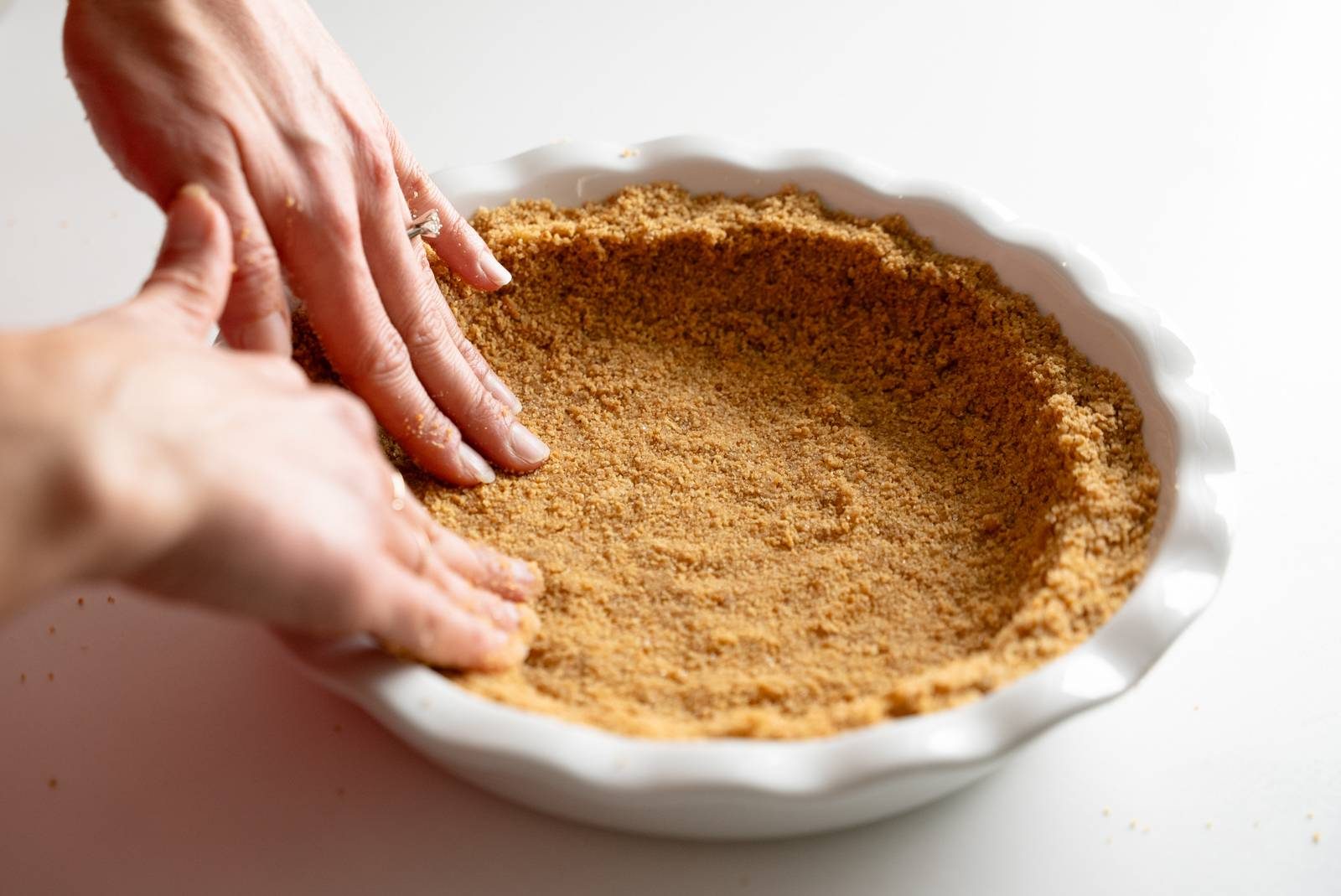
The journey begins with the graham cracker crust, a component that many home bakers find particularly satisfying to create. The process involves crushing graham crackers into fine crumbs, a task that can be accomplished manually or with a food processor. These crumbs are then mixed with melted butter and often a touch of sugar and cinnamon to enhance their flavor. The mixture is then pressed firmly into the bottom and up the sides of a pie plate, creating a sturdy and flavorful base. Some recipes suggest pre-baking the crust for a few minutes to achieve a firmer texture, while others opt for chilling it to set. The aroma of warm, buttery graham cracker crumbs is often cited as an irresistible part of the baking experience.

2. The Heart of the Matter: Preparing the Toffee Layer
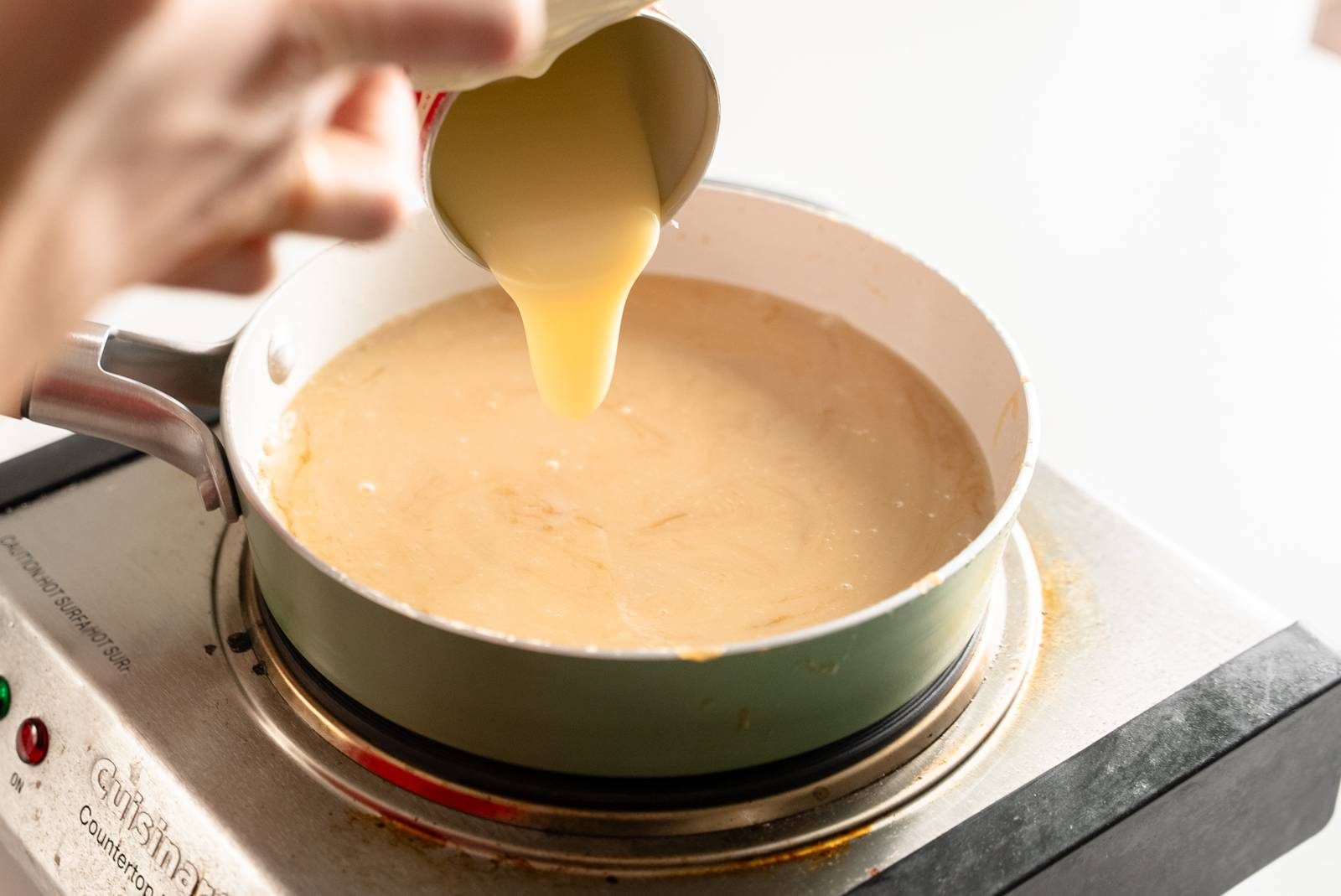
The toffee layer is arguably the most crucial element of the Banoffee Pie, demanding careful attention during its preparation. This involves cooking ingredients like butter, sugar, and condensed milk over low heat, stirring continuously to prevent scorching. The goal is to achieve a thick, caramel-like consistency that is both smooth and rich. This stage often requires patience, with cooks carefully monitoring the mixture as it bubbles and transforms. The resulting toffee should be a deep, amber color, with a luscious, flowing texture that will set beautifully in the pie.
3. Assembling the Layers: Combining Crust and Toffee
Once the graham cracker crust has cooled and the toffee mixture has reached the desired consistency, the two components are united. The warm or slightly cooled toffee is carefully poured into the prepared crust, ensuring an even distribution. This layer is then allowed to set, either by chilling it in the refrigerator or by letting it cool at room temperature. This chilling process is essential to firm up the toffee, providing a stable base for the subsequent layers and preventing the pie from becoming too runny.
4. The Freshness Factor: Bananas and Whipped Cream
With the toffee layer set, the pie is ready for its final toppings. Slices of fresh banana are arranged evenly over the solidified toffee. The natural moisture from the bananas contributes to the overall texture and flavor of the pie. Following the banana layer, a generous amount of freshly whipped cream is spread across the top. The cream should be whipped to soft or medium peaks, providing a light and airy contrast to the dense toffee and crust. Some bakers opt to sweeten the whipped cream slightly, while others prefer it plain to allow the other flavors to shine.
5. The Grand Finale: Slicing and Serving
The culmination of the Banoffee Pie-making process is the slicing and serving. The pie should be cut into clean, even portions, revealing the distinct layers within. The ideal Banoffee Pie should be firm enough to hold its shape when sliced, yet still be incredibly soft and yielding to the fork. The visual appeal of the finished pie, with its contrasting colors and textures, is as enticing as its flavor. Often, a final touch of grated chocolate or a cocoa powder dusting is added for an extra layer of indulgence.
Considerations and Variations
While the classic Banoffee Pie is a triumph in its own right, variations and tips can enhance the experience. Some bakers prefer to use a digestive biscuit base instead of graham crackers for a slightly different crumb texture. Others might experiment with adding a pinch of salt to the toffee to further accentuate the salty-sweet balance. The ripeness of the bananas is also a key factor; overly ripe bananas can release too much moisture, while underripe ones may lack sweetness.
Regarding leftovers, it’s generally advised that Banoffee Pie is best enjoyed on the day it’s made. The bananas can begin to brown slightly in the refrigerator, and the whipped cream and bananas can release some liquid, potentially altering the texture. However, many find that even leftover Banoffee Pie remains incredibly delicious, with the flavors melding further overnight. Any minor browning of the bananas is often considered an acceptable trade-off for the convenience of having a ready-to-eat dessert.
Broader Impact and Culinary Significance
The enduring popularity of Banoffee Pie speaks to the universal appeal of well-balanced flavors and satisfying textures. Its journey from a small English restaurant to a global dessert phenomenon highlights the power of simple, high-quality ingredients combined with thoughtful preparation. The rise of "Family Dessert Night" and the inclusion of Banoffee Pie as a celebrated recipe within this trend underscore the growing importance of shared culinary experiences in modern life.
In an era where culinary trends can be fleeting, Banoffee Pie stands as a testament to the lasting power of a well-executed classic. Its ability to evoke comfort, joy, and a sense of occasion makes it more than just a dessert; it’s an experience. As home cooks continue to explore and share this delightful creation, its status as a beloved and enduring favorite is assured. The simple yet profound combination of a salty-sweet crust, rich toffee, fresh bananas, and light whipped cream offers a truly unforgettable taste sensation, solidifying its place in the pantheon of great desserts.
