
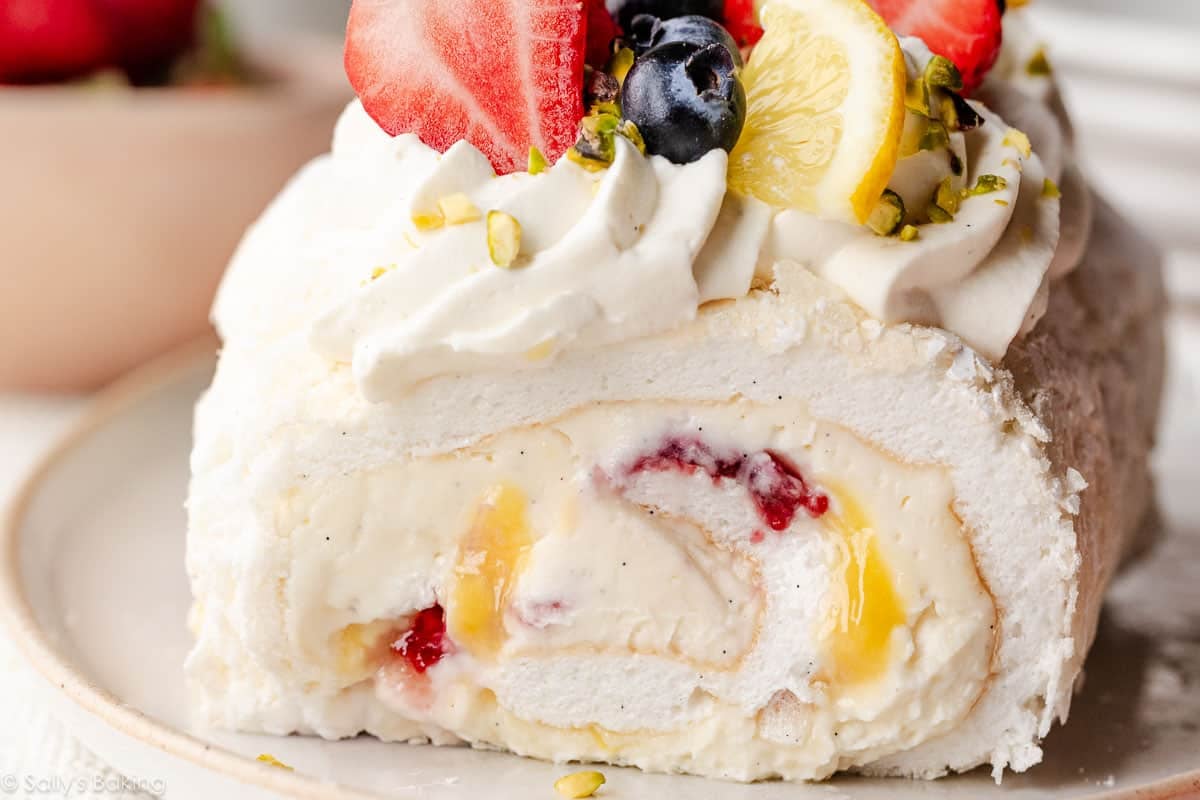
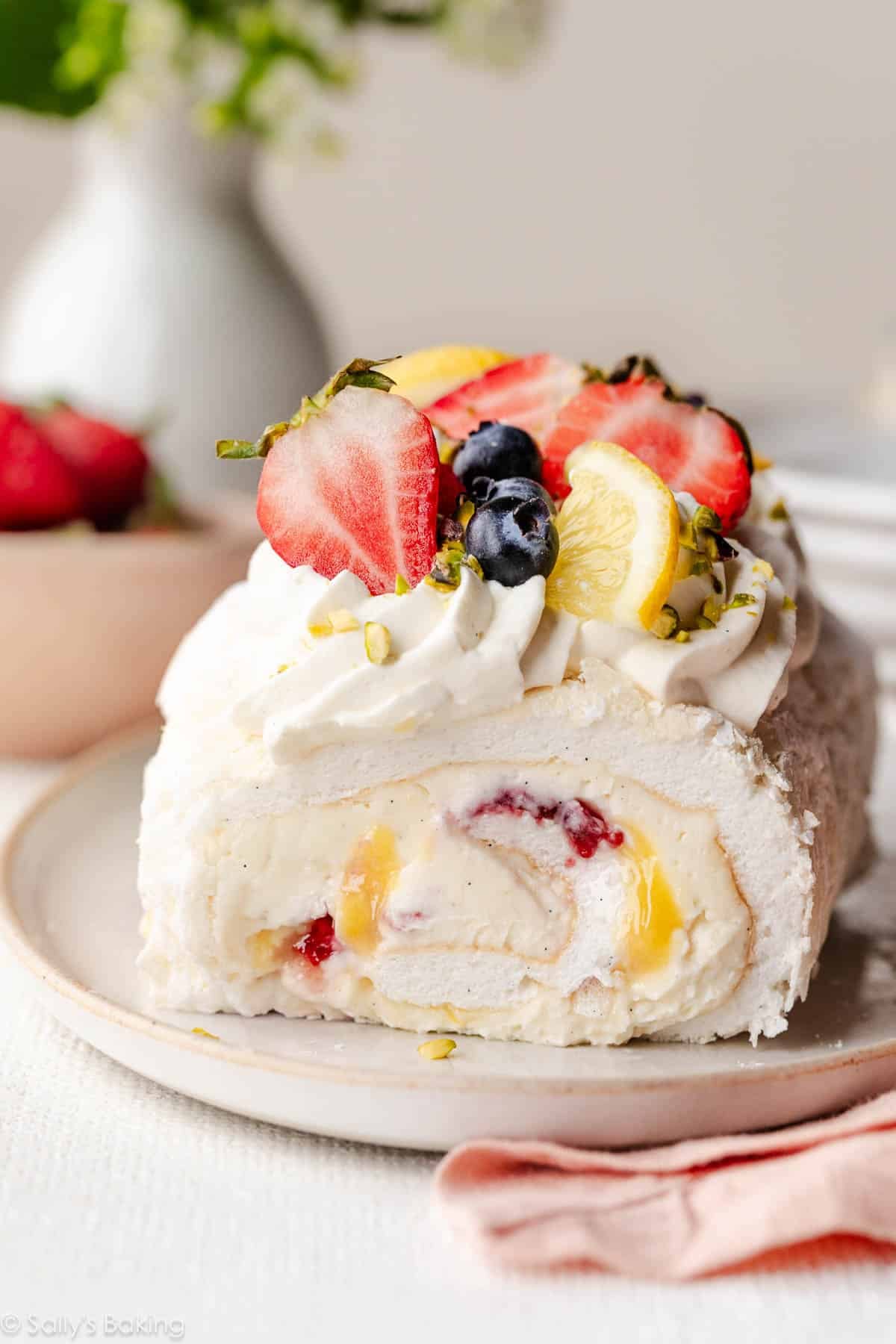
The meringue roulade stands as a testament to the delicate art of confectionery, a dessert that marries ethereal lightness with structural integrity. Characterized by a crisp exterior that yields to a soft, marshmallowy interior, it is then artfully rolled with clouds of cream filling and customizable fruit elements, making it a show-stopping centerpiece for any special occasion. This naturally gluten-free confection is not merely a recipe but a culinary challenge that, when mastered, delivers immense satisfaction and an unforgettable sensory experience. Its elegance belies the meticulous technique required, placing it firmly in the category of advanced baking, akin to the precise execution demanded by French macarons.
Historical Context: The Evolution of Meringue and Roulades
The origins of meringue are often debated, with claims tracing its invention to a Swiss chef named Gasparini in the village of Meiringen in the 18th century, from which its name is said to derive. However, earlier recipes for sweetened egg whites whipped to a foam existed, suggesting its evolution across various European culinary traditions. Marie Antoinette, famously known for her love of sweets, is often credited with popularizing meringues in France. The roulade, a term derived from the French word "rouler" meaning "to roll," refers to any dish that is rolled around a filling. Combining the delicate meringue with the roulade technique likely emerged as a sophisticated method to present the light, airy confection with contrasting textures and flavors. These desserts gained prominence in the grand patisseries of Europe, becoming symbols of culinary refinement and celebratory indulgence. The meringue roulade, in particular, gained popularity for its dramatic presentation and the delightful textural interplay between its crisp shell and soft interior.
The Science of Meringue: A Delicate Alchemy
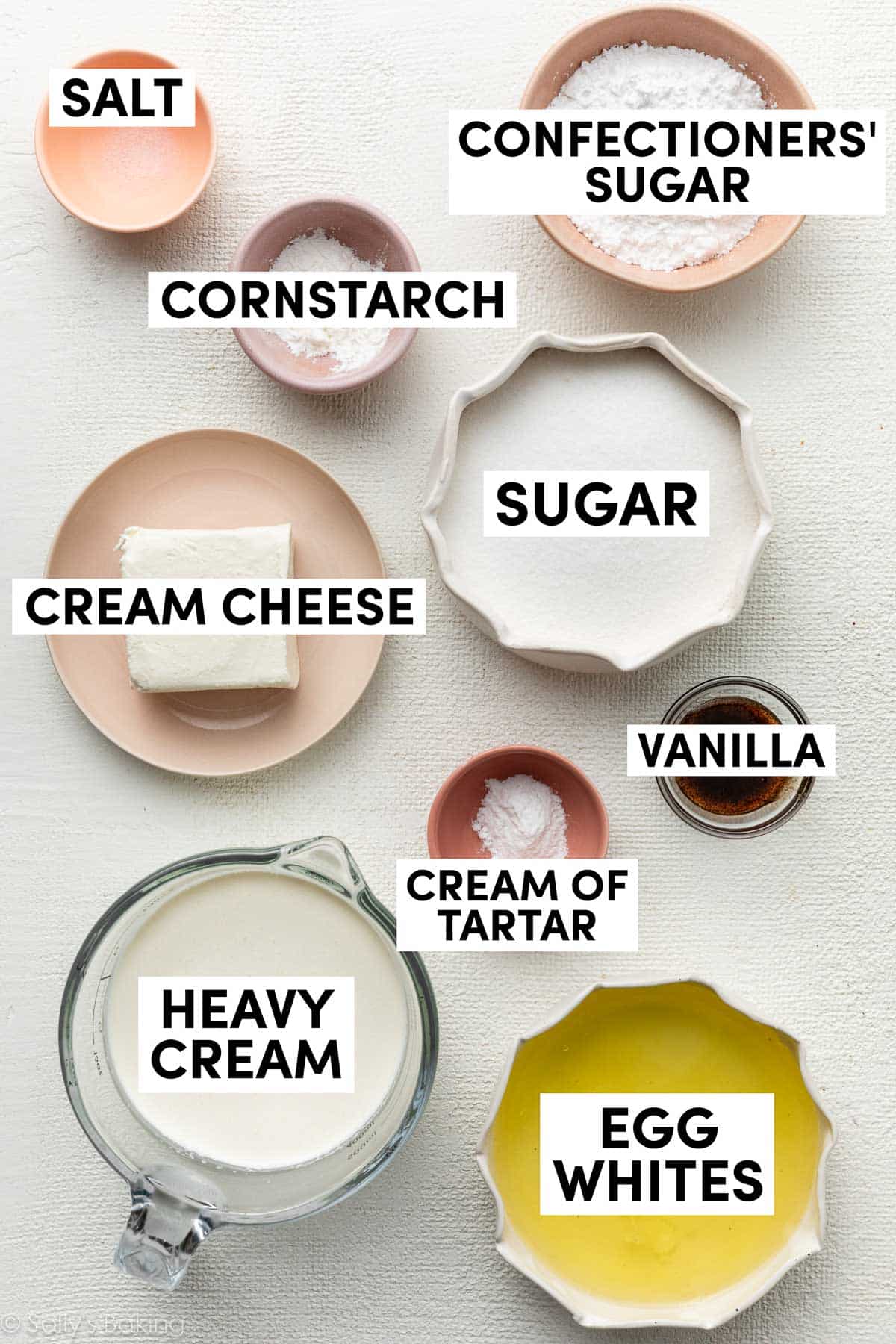
At its core, meringue is a triumph of food science, dependent on the careful manipulation of egg whites and sugar. Understanding the role of each ingredient is paramount to success.
- Egg Whites: The foundation of meringue, egg whites are primarily protein and water. When whipped, the proteins (specifically albumin) denature, unfolding and forming a network that traps air bubbles. This process creates a stable foam, increasing the volume significantly. The temperature of the egg whites is crucial; room temperature egg whites whip to a greater volume and more stable foam than cold ones, as their proteins are more relaxed and able to denature effectively.
- Sugar: Beyond sweetness, sugar is a critical structural component. Granulated sugar, when gradually incorporated into whipping egg whites, dissolves and forms a syrup around the air bubbles, stabilizing the protein network and preventing collapse. It also contributes to the crispness of the baked meringue. Using superfine or caster sugar, or pulsing granulated sugar in a food processor to reduce crystal size, is recommended. Smaller crystals dissolve more readily, reducing the risk of a grainy texture or weeping (sugar leaking out).
- Acid (Cream of Tartar): A small amount of acid, such as cream of tartar, is often added to egg whites. Its role is to further stabilize the protein network, making the foam stronger and more resilient to over-whipping. It helps achieve stiff peaks more quickly and maintains their integrity, particularly important for a structure that needs to be rolled.
- Cornstarch: While not always included in traditional meringues, a small addition of cornstarch can enhance the "marshmallowy" texture of the interior. It acts as a tenderizer and helps absorb excess moisture, contributing to a softer, more pliable baked meringue that is less prone to cracking during rolling.
Crafting the Meringue Sheet: A Step-by-Step Guide
The creation of the meringue roulade begins with the precise preparation of the meringue sheet itself. This stage requires unwavering attention to detail.
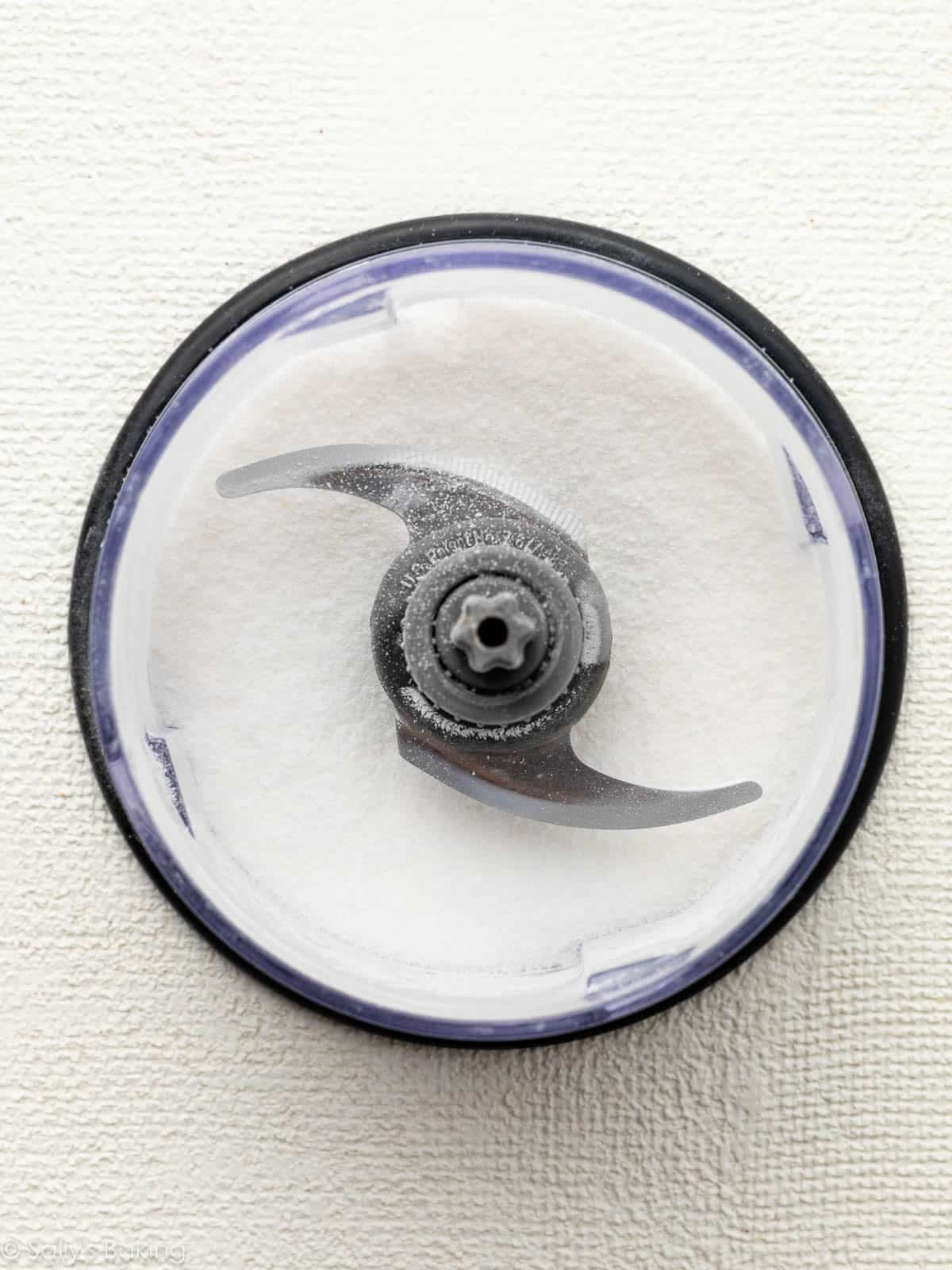
- Sugar Preparation: Unless superfine or caster sugar is readily available, the initial step involves processing granulated sugar in a food processor for a few pulses. This minimizes crystal size, facilitating faster dissolution into the egg whites and contributing to a smoother, more stable meringue.
- Whipping Egg Whites: Egg whites should be whipped in an impeccably clean, grease-free bowl. Any trace of fat can inhibit the egg whites from foaming properly. Initially, the egg whites are whipped until foamy and their volume has increased. At this point, cream of tartar is added.
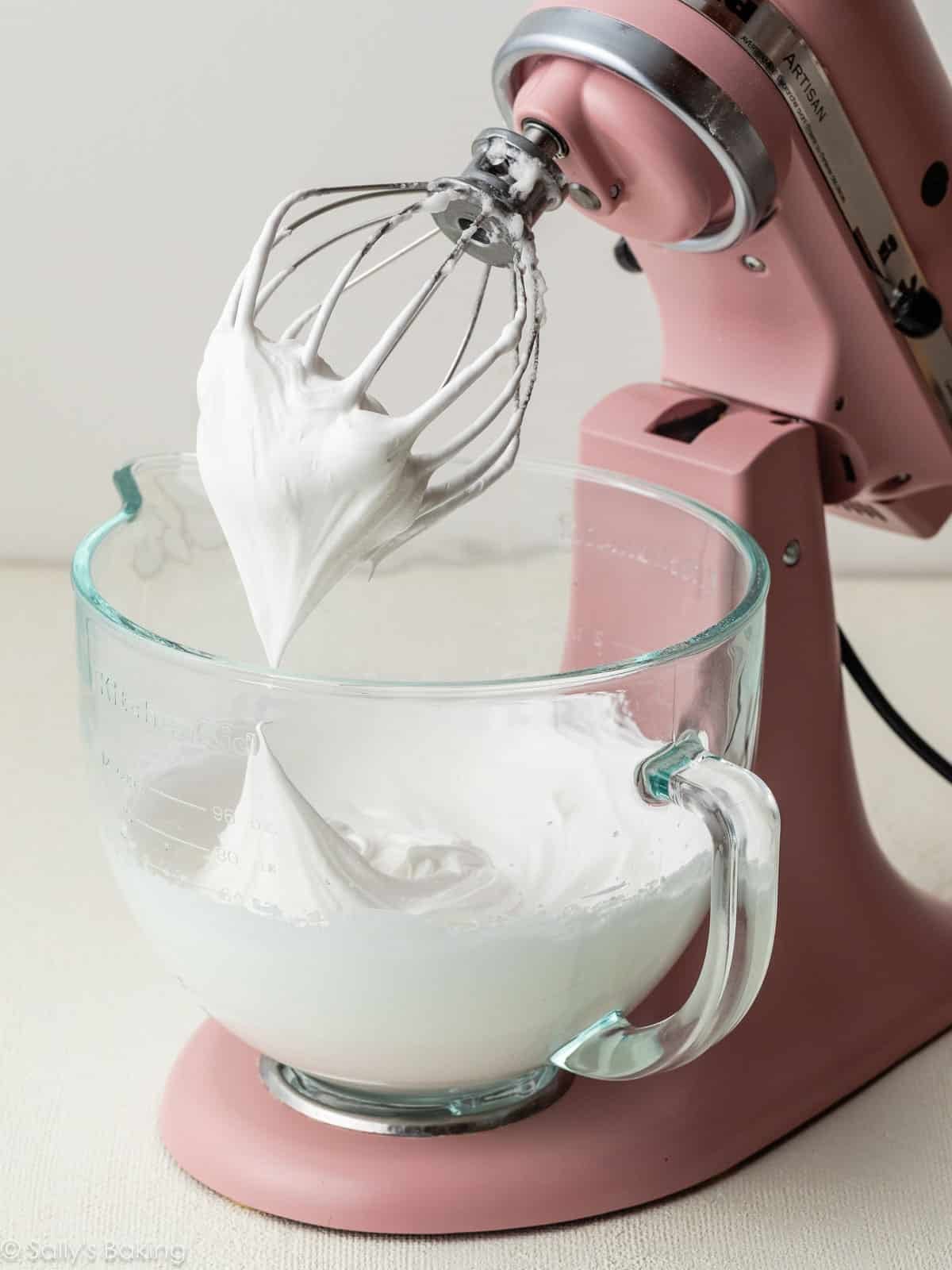
- Gradual Sugar Incorporation: The superfine sugar is then added, one tablespoon at a time, with the mixer running. This slow addition allows the sugar to dissolve gradually, preventing the meringue from collapsing and ensuring a smooth, glossy consistency. This process continues until the meringue achieves stiff peaks. A visual cue for stiff peaks is when the whisk attachment, upon being lifted, holds a firm, unmoving peak of meringue.
- Final Meringue Ingredients: Any remaining ingredients, such as cornstarch and vanilla extract, are gently folded into the stiff meringue, preserving its airy volume.
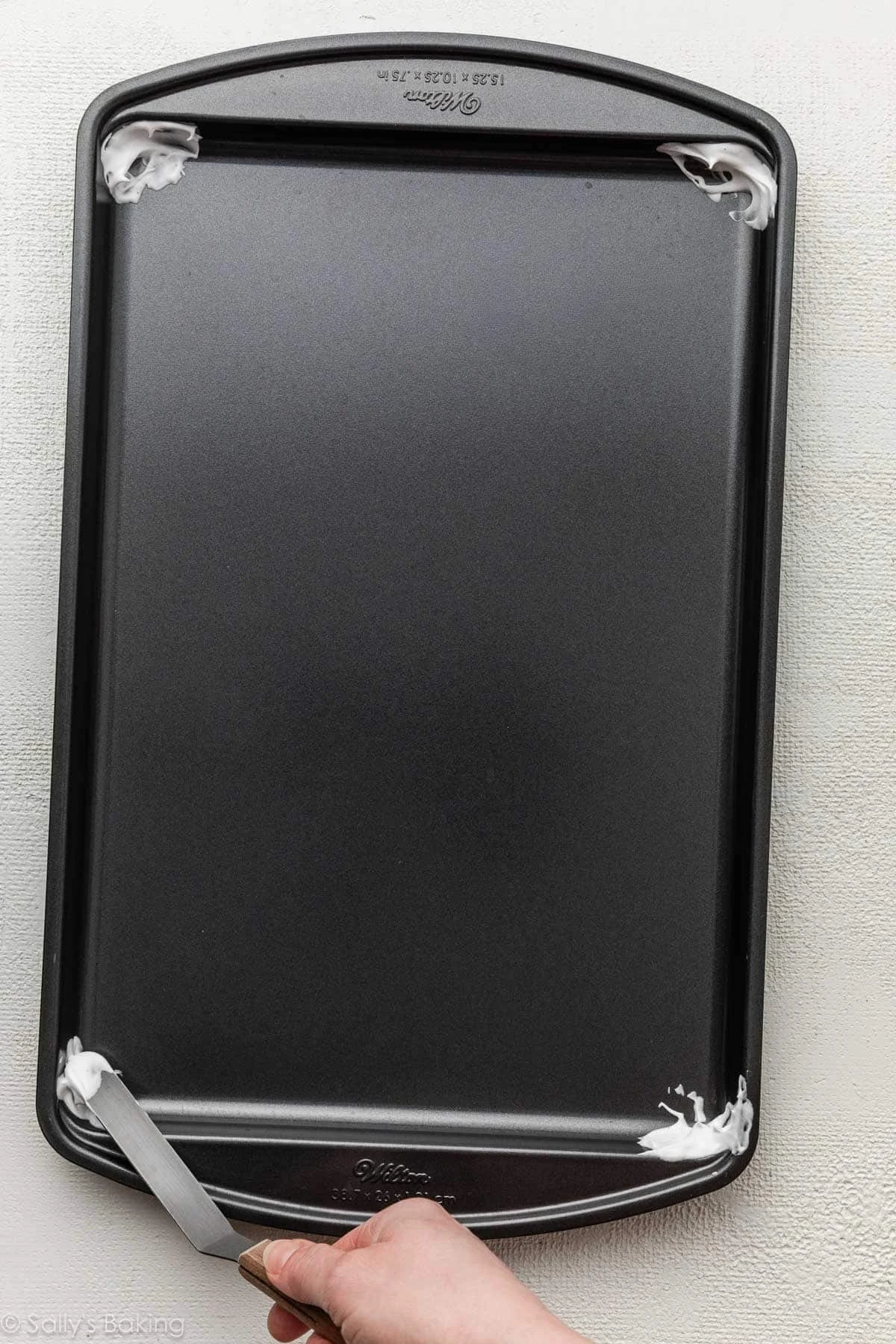
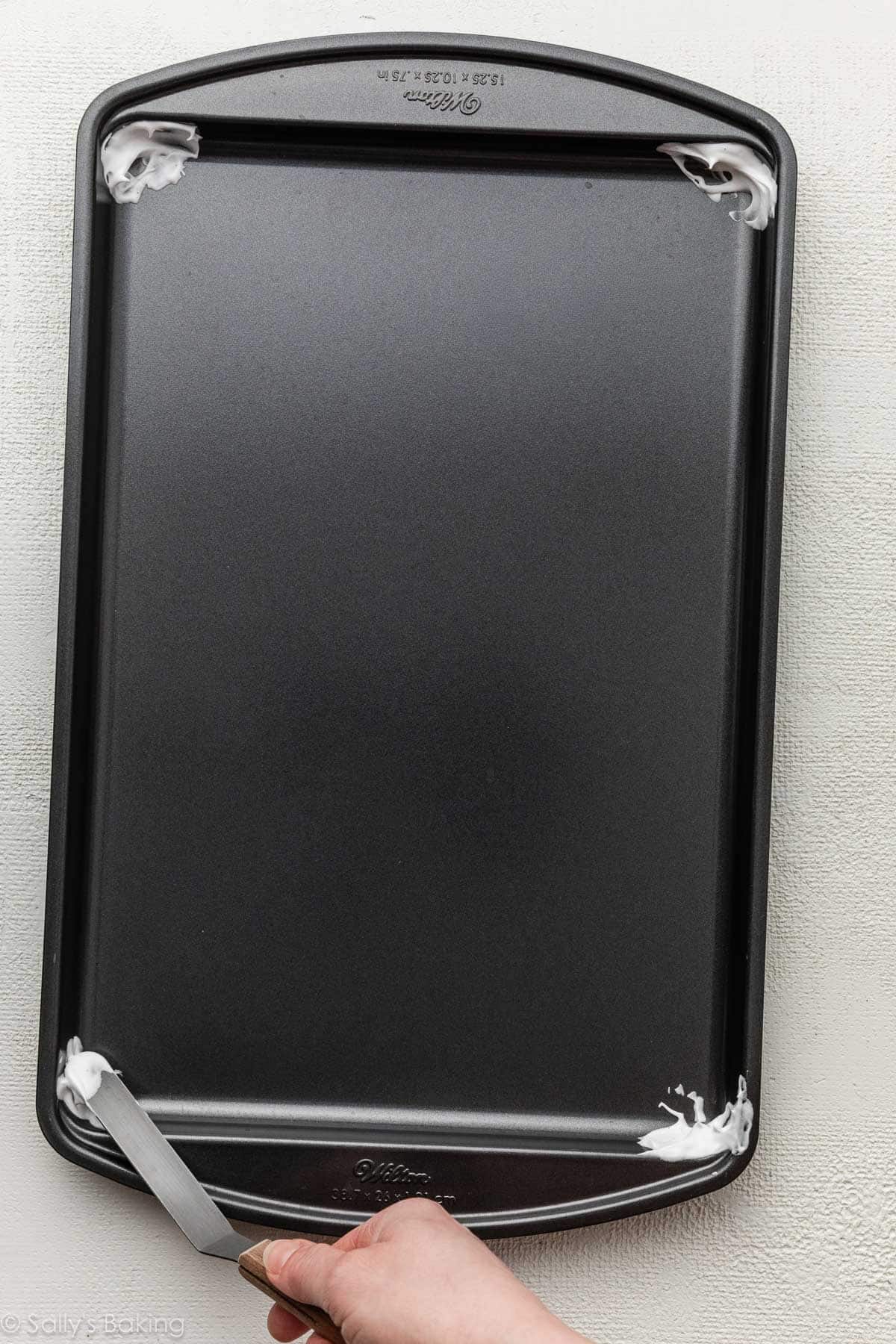
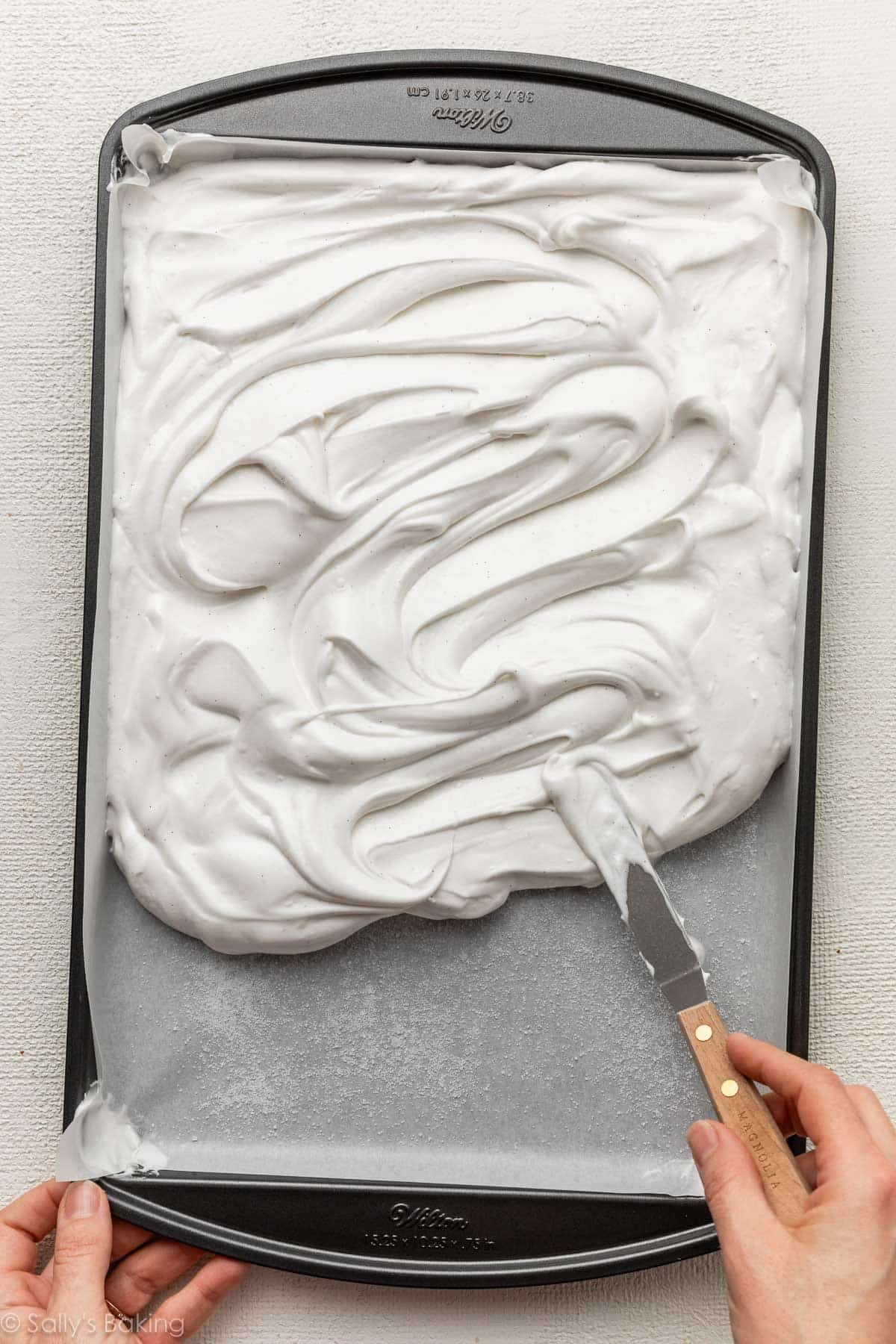
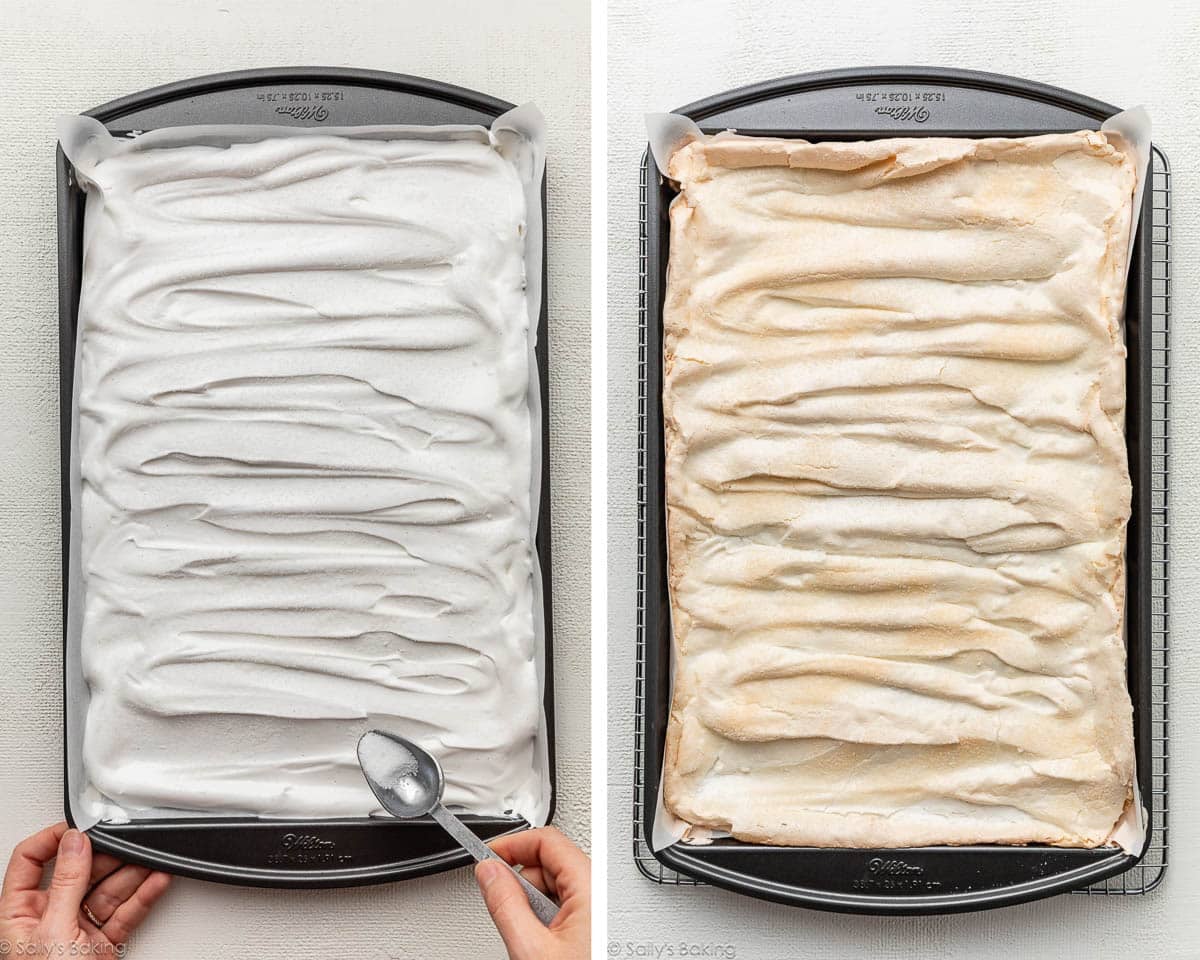
- Pan Preparation: A crucial technique for preventing sticking and easing spreading involves preparing the baking sheet. A 10×15-inch jelly roll pan (or a half sheet pan with parchment cut to approximately 11×16 inches) is lined with parchment paper. A small amount of meringue is dabbed onto each corner of the pan beneath the parchment, acting as "glue" to secure the paper. This prevents shifting during the spreading process. Furthermore, a light dusting of granulated sugar over the parchment before spreading the meringue creates a non-stick barrier. The meringue is then evenly spread to the edges of the prepared parchment using a small offset spatula, and another light dusting of granulated sugar is applied to the top before baking.
- Baking: The meringue bakes at a moderate temperature, typically until the top is just set—not wet or tacky—and feels lightly crisp but springy when gently touched. The color should remain pale, with only a hint of golden on the surface. Over-baking will lead to excessive dryness and brittleness, making the meringue prone to severe cracking during rolling.
The Art of the Roll: Navigating the Critical Phase
The transition from a baked meringue sheet to a rolled roulade is arguably the most critical stage, demanding precision in timing and technique.
- The 10-Minute Window: After removal from the oven, the meringue must cool for precisely 10 minutes. This brief cooling period allows the meringue to firm up slightly without becoming brittle. Allowing it to cool for too long will inevitably result in significant cracking. A timer is essential here.
- Preparing for the First Roll: While the meringue cools, a clean kitchen towel is laid out on a counter, topped with a fresh piece of parchment paper. One short end of this parchment is aligned with the towel’s edge. This parchment is then lightly dusted with confectioners’ sugar.
- Inverting and Peeling: After 10 minutes, the baked meringue is carefully inverted onto the prepared parchment/towel. The original parchment that baked beneath the meringue is then slowly and gently peeled away. The exposed meringue surface is dusted with a little more confectioners’ sugar, and another fresh sheet of parchment is placed on top.
- The "Training" Roll: Starting from the bottom, the meringue is gently rolled up along with the parchment and the towel. This initial roll, performed without filling, serves to "train" the meringue’s structure, allowing it to conform to the rolled shape while still warm and flexible. Key tips for this stage include rolling loosely to prevent cracking, maintaining even pressure, and accepting that minor cracks are normal. The rolled meringue is then left to cool completely in this rolled state.
The Heart of the Roulade: Crafting the Cream Filling
The filling provides a luxurious contrast to the meringue’s texture and forms the beautiful internal spiral. For this roulade, a stable cream filling is preferred over traditional whipped cream, which might be too soft and prone to deflating.
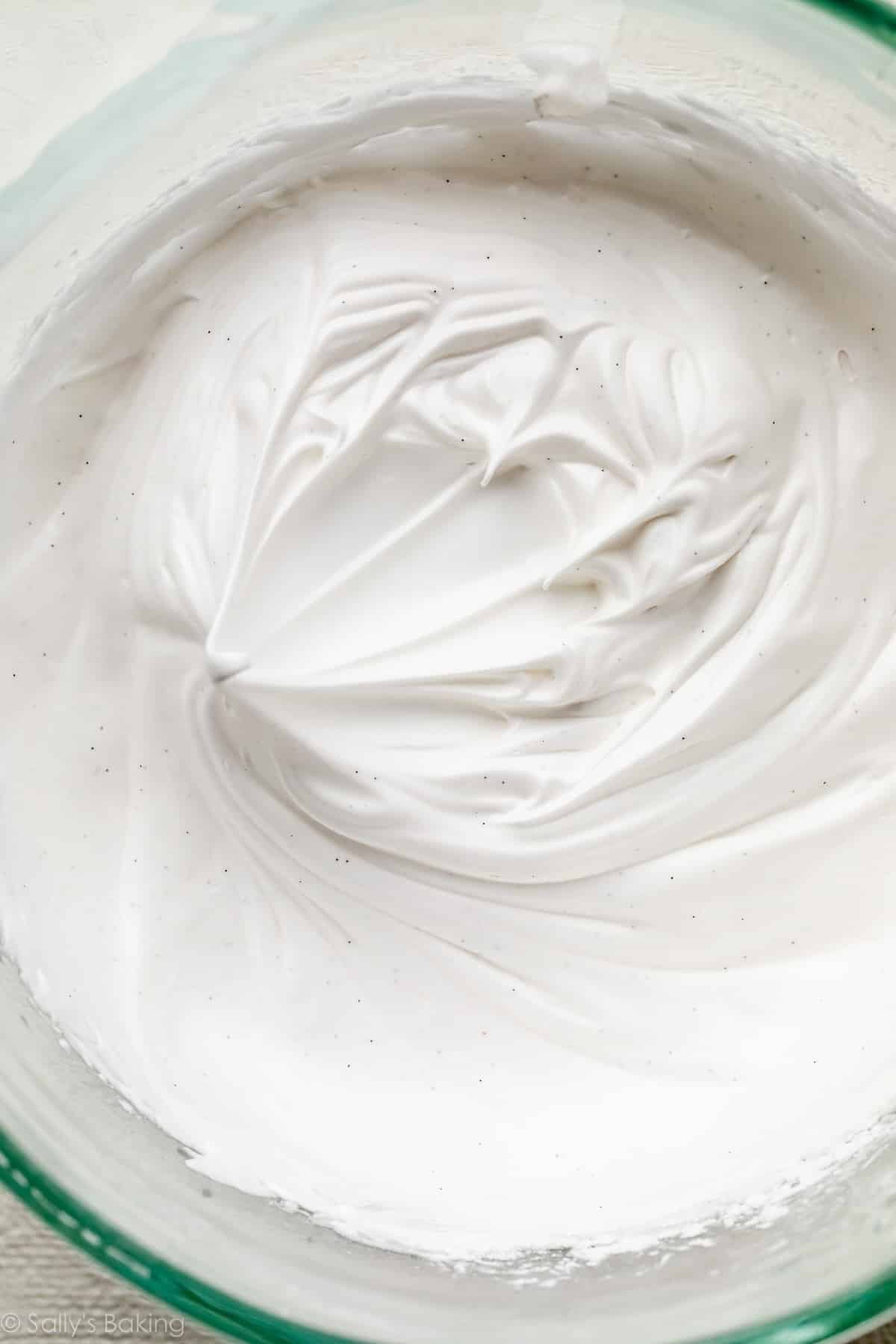
- Stabilized Cream: A blend of heavy cream, sugar, and vanilla is whipped to soft peaks. Separately, softened cream cheese is beaten until smooth. The two mixtures are then combined, resulting in a slightly thicker, more stable cream that holds its shape better within the roulade. Mascarpone cheese can be substituted for cream cheese, offering a similar richness and stability.
Assembly and Presentation: The Grand Finale
With the meringue cooled and the filling prepared, the final assembly brings the roulade to life.
- Unrolling and Filling: The cooled meringue is gently unrolled. Expect some minor cracks; these are inherent to the dessert’s delicate nature and contribute to its rustic charm. However, excessive cracking or the meringue falling apart suggests over-baking or insufficient cooling time before the initial roll. In such cases, the pieces can still be assembled and filled, with garnishes used to conceal imperfections. The stabilized cream filling is then spread evenly over the unrolled meringue.
- Flavor Customization: This is where personal preference shines. Dollops of tangy lemon curd or sweet raspberry jam can be spread over the cream filling, creating vibrant swirls of flavor and color. Other fruit purees, chopped nuts, or even chocolate shavings can be incorporated.
- The Final Roll: Using the bottom piece of parchment as a guide, the meringue is rolled back up, this time incorporating the filling. The process should be gentle, maintaining an even, loose roll. Avoid pressing too firmly, as this can cause the filling to squeeze out or the meringue to crack. The roulade is then transferred to a serving platter, seam-side down.
Variations and Customizations
The meringue roulade is highly adaptable. While a vanilla cream and fruit combination is classic, the possibilities for customization are vast.
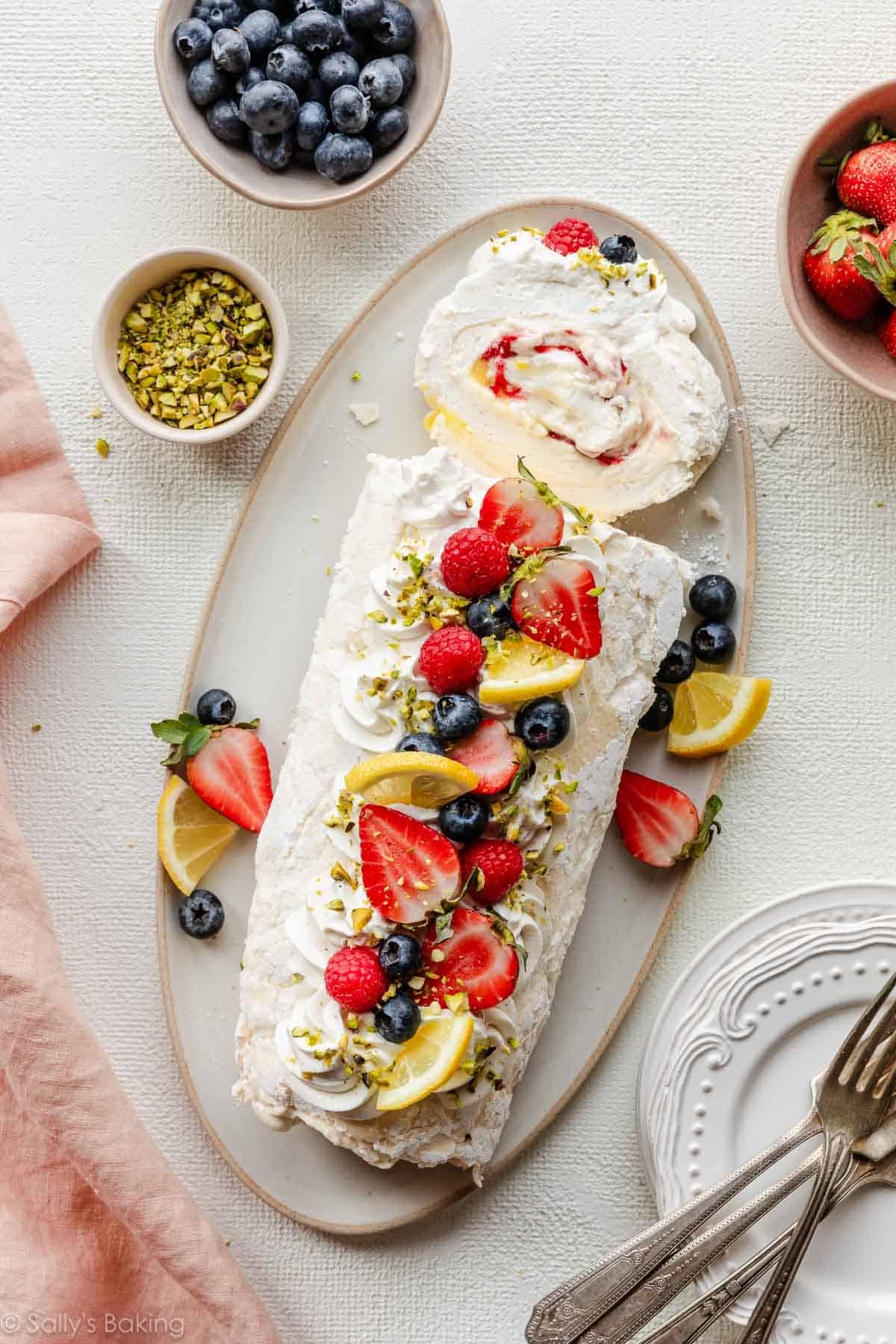
- Garnish Ideas: Fresh berries (raspberries, strawberries, blueberries), citrus zest (lemon, lime, orange), crushed nuts (pistachios, almonds, walnuts), chocolate shavings (dark, milk, white), edible flowers, a dusting of confectioners’ sugar, or a drizzle of chocolate sauce can elevate both the visual appeal and flavor profile.
- Flavor Profiles: Experiment with different jams (apricot, strawberry), curds (lime, passion fruit), or even chocolate ganache for the filling. Incorporate extracts like almond, peppermint, or orange into the meringue itself for added complexity.
Addressing Common Challenges: Troubleshooting for Success
The meringue roulade, while stunning, can present challenges. Understanding common issues and their solutions is key to mastering this dessert.
- Cracking: A few small cracks are normal and add character. Extensive cracking often indicates the meringue was over-baked, making it too dry and brittle, or that it cooled for too long before the initial roll, losing its pliability. Rolling too tightly can also induce cracking.
- Stickiness: Meringue is hygroscopic, meaning it absorbs moisture from the air. High humidity can cause meringue to become sticky and unstable. Ensuring the parchment is lightly dusted with granulated sugar before spreading the meringue also prevents it from adhering excessively.
- Weeping: This occurs when liquid leaks from the meringue. Immediate weeping can be a sign of under-beaten egg whites or sugar that hasn’t fully dissolved, creating an unstable structure. Over-beating can also cause weeping as the proteins become too tightly bound and expel moisture. Using superfine sugar and ensuring stiff, glossy peaks helps prevent this. Weeping can also occur if the assembled roulade is refrigerated overnight, as moisture is released over time.
- Make-Ahead Considerations: For optimal texture, the meringue roulade is best enjoyed shortly after assembly. The meringue will gradually soften over time, losing its crispness. To prepare in advance, it is recommended to bake the meringue sheet and prepare the cream filling separately, storing them appropriately, and then assembling the roulade just a few hours before serving. The baked meringue, once cooled, can be loosely rolled in parchment and stored at room temperature for up to a day. The cream filling can be made a day in advance and refrigerated.
- Pan Size Alternatives: If a 10×15-inch jelly roll pan is unavailable, a larger half sheet pan can be used. The parchment paper should be cut to approximately 11×16 inches, secured with dabs of meringue, and the meringue spread evenly within a 1-inch border.
Beyond the Recipe: The Broader Appeal
The meringue roulade’s appeal extends beyond its delicious taste and elegant appearance. Its naturally gluten-free nature makes it a valuable addition to a contemporary culinary landscape increasingly mindful of dietary restrictions. The growing demand for sophisticated, inclusive dessert options has propelled such creations into greater prominence, allowing individuals with gluten sensitivities to enjoy a luxurious confection without compromise.
Furthermore, mastering a recipe like the meringue roulade offers profound satisfaction for the home baker. It embodies the blend of scientific understanding, artistic flair, and disciplined execution that defines advanced baking. The journey from separating egg whites to presenting a beautifully rolled, garnished dessert is one of learning and achievement. The inevitable minor imperfections, such as delicate cracks, are not failures but rather authentic marks of a handmade creation, reminding one that the inherent charm of such a dessert lies not just in flawless aesthetics but in the genuine effort and passion invested.
In conclusion, the meringue roulade is a dessert that challenges and rewards. It demands respect for its ingredients and a commitment to precision throughout its preparation. The delicate balance of crispness and softness, the interplay of sweet meringue with rich cream and vibrant fruit, culminates in a culinary experience that is both visually stunning and exquisitely flavorful. It is a testament to the fact that with patience, attention to detail, and an understanding of the underlying principles, even the most ambitious baking endeavors can yield truly magnificent results, offering bragging rights and, more importantly, pure gastronomic delight.
