
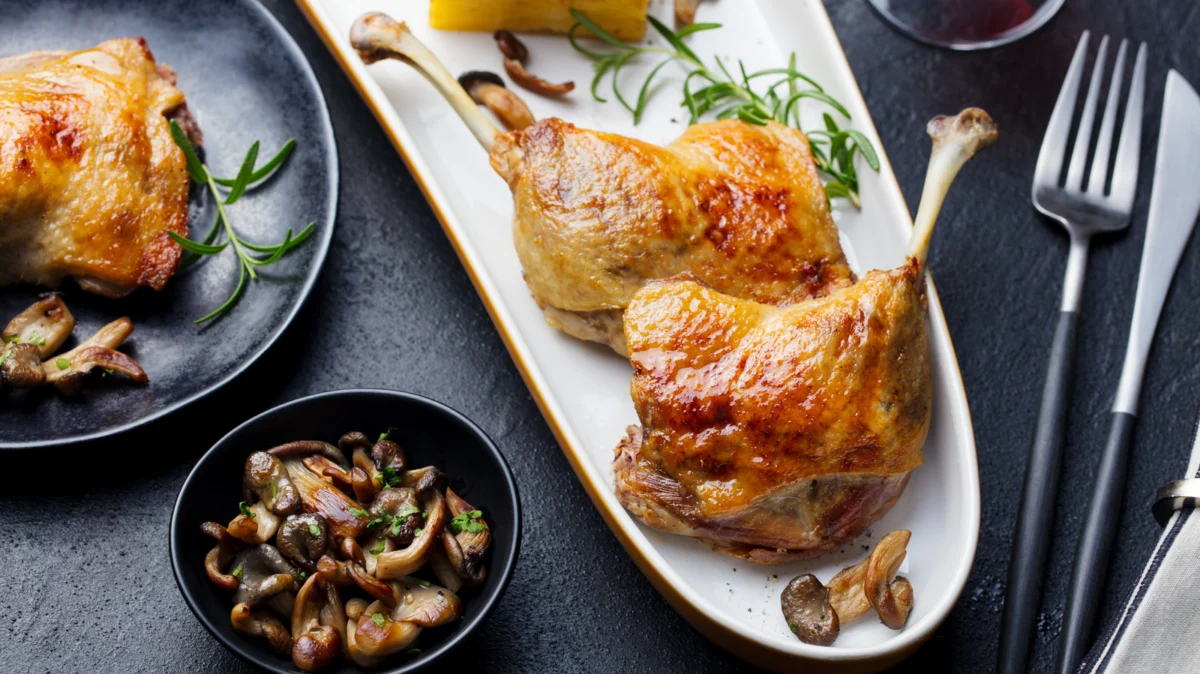
Duck confit, a culinary technique rooted in the necessity of food preservation, has transitioned from a practical method to a symbol of sophisticated dining. Originating in the Gascony region of France, where it was essential for preserving meats before refrigeration, the confit process involves slowly cooking meat in its own fat. This low-temperature immersion renders the meat incredibly tender and imbues it with a rich, succulent flavor. While seemingly an indulgence reserved for fine dining establishments, the prospect of recreating this delicacy at home is alluring to many home cooks. However, a significant hurdle often arises: the cost. Duck, a comparatively expensive poultry, coupled with the substantial amount of duck fat required, can make homemade duck confit a considerable financial undertaking. This has led to a common question among aspiring chefs and gourmands: is it more economical to purchase pre-made duck confit or to embark on the journey of creating it from scratch? To address this, Tasting Table consulted with Garrett Brower, Chef de Cuisine at Bresca in Washington, D.C., a restaurant renowned for its exquisite culinary offerings, to gain expert insight into the financial viability of both approaches.
The Case for Homemade: Culinary Superiority and Potential Savings
Chef Brower unequivocally advocates for the homemade version of duck confit, emphasizing that, regardless of cost considerations, the quality of a meticulously prepared dish often surpasses that of its commercially produced counterpart. "I’m certain some wonderful store-bought brands of duck confit may exist," Brower states, "but, in my experience, the homemade product is always more tender and moist." This sentiment speaks to a fundamental aspect of haute cuisine: the pursuit of unparalleled texture and flavor, which is frequently achieved through dedicated home preparation. For those seeking the indulgent experience that duck confit promises, compromising on quality can diminish the overall satisfaction.
Beyond the intrinsic culinary advantages, Brower also highlights the potential for significant cost savings when preparing duck confit from scratch, provided the approach is strategic. "Making duck confit at home may be cheaper if you purchase the whole duck and utilize all of its parts," he explains. This holistic utilization of the animal is a cornerstone of economical and sustainable cooking. The traditional confit process, while demanding in its patience, is relatively hands-off once the initial steps are completed. The term "confit" itself, derived from the French word for "to preserve," underscores its historical role as a method of extending the shelf-life of food, a testament to its foundational simplicity.
The Economics of Whole Duck vs. Individual Parts
The financial calculus of making duck confit at home hinges significantly on the procurement of duck. Purchasing a whole duck, much like buying a whole chicken, typically offers a more favorable price per pound compared to acquiring individual cuts. This economic advantage is amplified by the fact that a whole duck provides not only the legs, the prime cuts for confit, but also a wealth of other usable parts, including ample fat.
"However," Brower cautions, "if you are only buying duck legs by themselves, and then need to buy separate duck fat for cooking, it will likely be more expensive than store-bought options." This is a critical distinction for home cooks. When duck legs are purchased individually, the cost of the meat alone can be substantial. Furthermore, the essential component of duck confit – the rendered duck fat – must then be acquired separately. Duck fat, while a prized cooking medium, is not inexpensive, and the quantity required for a proper confit can quickly escalate expenses, potentially exceeding the cost of a pre-made product.
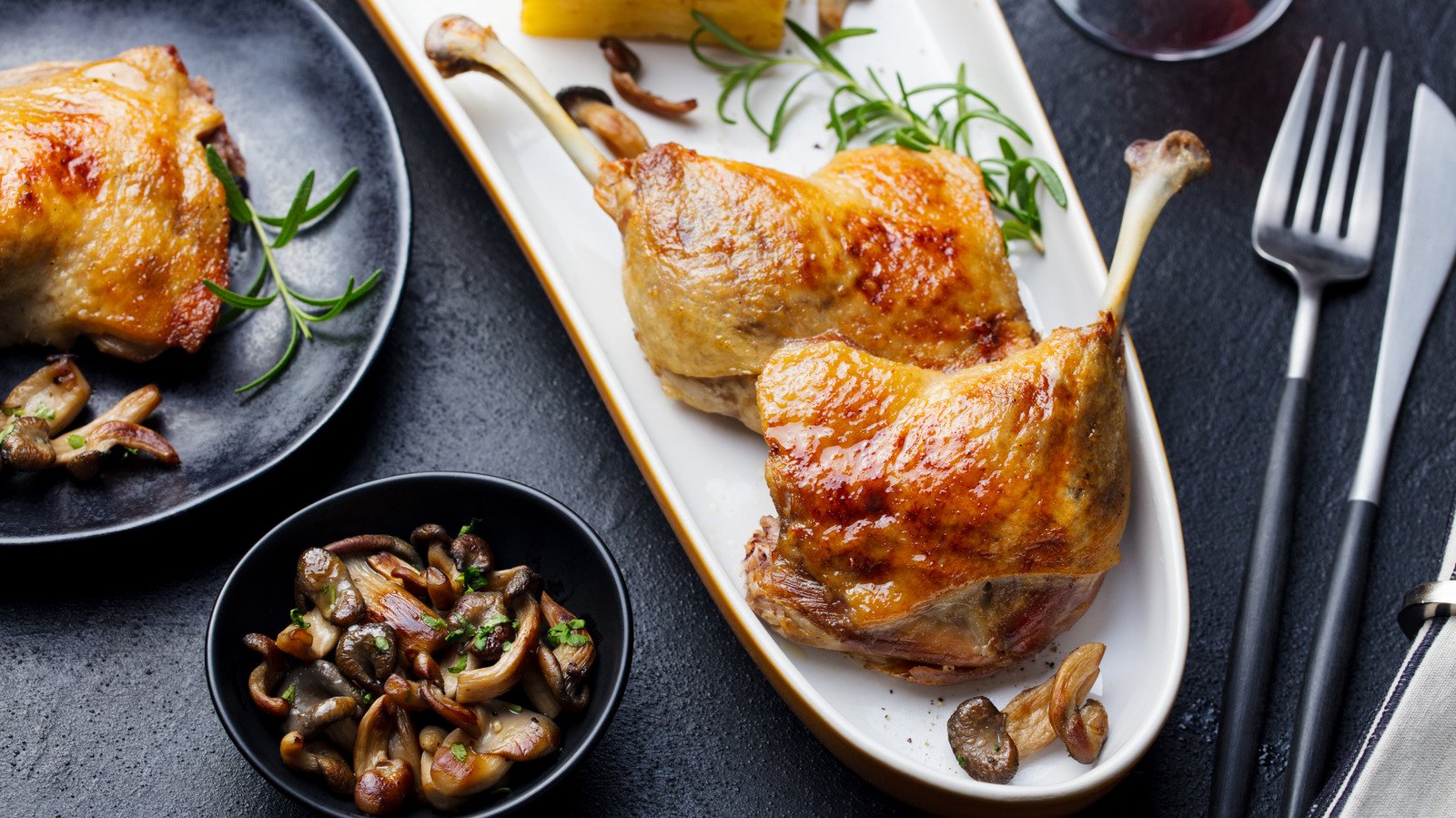
By contrast, a whole duck yields a substantial amount of fat that can be rendered down for the confit process. This process of rendering fat from the carcass and skin not only provides the necessary cooking medium but also minimizes the need for additional purchases. The fat rendered from a whole duck can often be more than sufficient for the confit, with any surplus being a valuable asset for future culinary endeavors. This multi-purpose benefit of purchasing a whole duck underscores the economic wisdom of a comprehensive approach to cooking.
Understanding the Confit Process: Time, Technique, and Preservation
The confit process, while requiring time, is characterized by its "passive cooking" nature. Chef Brower elaborates, "It involves curing and long, slow cooking, which requires relatively little attention and active time." This means that the majority of the preparation involves waiting rather than constant supervision.
The foundational steps of making duck confit typically involve two key stages:
- Curing: The duck legs are first cured in a mixture of salt and herbs. This salting process draws out moisture, seasons the meat, and begins the preservation phase. The cured legs are then refrigerated, usually overnight, allowing the flavors to penetrate deeply.
- Slow Cooking (Poaching): Following the cure, the duck legs are submerged in melted duck fat and cooked at a very low temperature, typically between 200-250°F (93-121°C). This can be achieved in a low oven or on the stovetop. The slow cooking process, which can last for several hours, gently breaks down the connective tissues, resulting in exceptionally tender meat.
Crucially, duck confit is a preserved food. Once cooked and stored in its own fat, it can last for a month or even longer in the refrigerator. This extended shelf-life offers further practical advantages, allowing home cooks to prepare it well in advance of when it will be served, making it an ideal dish for meal prepping or for special occasions where time is of the essence. The ability to prepare and store confit for extended periods adds another layer of convenience and value to the homemade approach.
Expert Recommendation: Thomas Keller’s "Bouchon" Recipe
For aspiring home cooks venturing into the realm of duck confit, Chef Brower offers a specific and highly regarded recommendation: the "Confit de Canard" recipe from Thomas Keller’s seminal cookbook, "Bouchon." This choice is not arbitrary. Thomas Keller, a celebrated American chef and restaurateur, is known for his meticulous attention to detail and his ability to demystify complex culinary techniques.
"My recommendation for a beginner making duck confit is to follow the recipe for confit de canard from the ‘Bouchon’ cookbook by chef Thomas Keller," Brower advises. "This is the recipe I would use if I were going to prepare duck confit at home." The endorsement of a chef of Keller’s caliber suggests that this recipe provides a reliable and high-quality blueprint for achieving exceptional results. The "Bouchon" cookbook is widely respected for its accessible yet authentic French bistro-style recipes, and its confit de canard is considered a benchmark. Following such a well-vetted recipe can mitigate the risk of costly mistakes and ensure a successful and rewarding culinary experience.
The Role of Store-Bought Duck Confit: Convenience as the Primary Driver
The primary, and perhaps only, compelling reason to opt for store-bought duck confit is convenience. The process of making it from scratch, while rewarding, does involve an investment of time and a degree of culinary engagement. For individuals with extremely limited time or who are seeking a quick and easy gourmet meal, pre-made duck confit offers an attractive solution. It can be purchased from specialty food stores, high-end grocers, and online retailers, often requiring only a simple reheating or finishing step to achieve a restaurant-quality dish.
However, this convenience comes at a price. Store-bought duck confit typically carries a significant markup, reflecting the labor, packaging, and distribution costs involved in its commercial production. While the exact pricing varies widely depending on the brand and retailer, it is generally more expensive per serving than what can be achieved through a strategic homemade approach, particularly when utilizing a whole duck.
Analyzing the Broader Implications: Skill Development and Culinary Appreciation
The decision between store-bought and from-scratch duck confit extends beyond mere cost-effectiveness; it touches upon skill development and the broader appreciation of culinary arts. Embarking on the preparation of duck confit at home offers a valuable opportunity for home cooks to hone their techniques, deepen their understanding of preservation methods, and gain confidence in their abilities. The process itself is educational, teaching patience, precision, and the importance of quality ingredients.
Furthermore, the act of preparing a dish like duck confit from its raw components fosters a greater appreciation for the ingredients and the labor involved in bringing food to the table. This connection to the food can lead to more mindful eating habits and a more profound enjoyment of the final meal. While store-bought options provide immediate gratification, they can inadvertently create a disconnect between the consumer and the culinary process.
The economic analysis also suggests a broader trend in home cooking. As consumers become more aware of ingredient sourcing and the potential for cost savings through whole-animal utilization, the appeal of "nose-to-tail" cooking and traditional preservation techniques is likely to grow. This shift can lead to more sustainable and economical food practices within households.
The Verdict: A Strategic Homemade Approach for Value and Quality
In conclusion, while store-bought duck confit offers unparalleled convenience, the discerning home cook seeking both exceptional quality and financial prudence will find that making duck confit from scratch, particularly by purchasing a whole duck and utilizing all its parts, presents a more cost-effective and rewarding option. Chef Garrett Brower’s recommendation of Thomas Keller’s "Bouchon" recipe provides a clear pathway for beginners to achieve superior results. The investment of time and effort in a homemade confit not only yields a more tender and moist product but also cultivates valuable culinary skills and a deeper appreciation for the art of food preservation and preparation. The traditional confit process, a technique born out of necessity, continues to offer a delicious and accessible gateway to refined home cooking, proving that with a strategic approach, luxury can indeed be homemade.
